
Mother of Gwangju, Jo Ara Memorial Hall: Following the Footsteps of Devotion that Illuminated the Era


SomeoneHow can a life give such a deep resonance and span an entire era? In the heart of Gwangju city, in a space where traces of time are fully embedded, we can encounter the great journey of a woman. This is the **Joara Memorial Hall**, where the spirit of Teacher So Sim Dang Joara, who dedicated her entire life to the nation, women, and human rights, lives and breathes.
Beyond a simple memorial space, this is a sanctuary where one can fully feel the courage and love of a woman who stood against injustice and sided with the weak amidst the tumultuous modern and contemporary history of Korea. As you walk along her traces, you will experience even the smallest spark within you burning brightly.
Today, we will guide you on a special journey to the **Joara Memorial Hall**, which offers warm comfort and deep inspiration in the heart of Gwangju. Don’t miss the exquisite details and viewing points along the itinerary.
Mother of Gwangju, The Unending Story of Teacher Joara
Teacher Joara, known as the ‘Mother of Gwangju,’ grew up under the influence of her father, a national enlightenment activist. In her third year at Gwangju Speer Girls’ High School, she participated in the Gwangju Independence Student Movement and served time in prison. Even after graduation, she lived a life resisting Japanese imperialism, including imprisonment for refusing to worship at Shinto shrines.
After liberation in 1945, she served as the Secretary-General and later Honorary President of Gwangju YWCA, dedicating her entire life to the YWCA movement. Her warm gaze was directed towards marginalized neighbors, and during the Korean War, she established Seongbin Home for War Orphans for war orphans and Honam Girls’ Home for underprivileged girl heads of households, giving hope to children in despair.
Footprints of Timeless Devotion
- Student Movement and Imprisonment During the Japanese colonial period, she bravely participated in the independence movement against injustice, spending her youth in the struggle.
- YWCA and Social Welfare After liberation, she dedicated her life to social welfare activities centered around the Gwangju YWCA, embracing the marginalized.
- Participation in the Gwangju Democratization Movement During the Gwangju Democratization Movement in 1980, she served as a member of the crisis management committee and endured the hardship of being imprisoned for six months.
- Advancement of Women’s Rights In the 1980s, she spearheaded the Family Law Reform Movement and fostered organizations like the Gwangju Mothers’ Association, Girl Scouts, and Gwangju Women’s Organizations Council, contributing to amplifying women’s voices.
Teacher Joara, who lived her entire life as a pioneer of women’s, peace, human rights, and democratization movements, passed away in 2003 and was laid to rest at the National 5·18 Democratic Cemetery. Her noble spirit is fully preserved in the **Joara Memorial Hall**, offering profound lessons to future generations.
So Sim Dang Joara Memorial Hall, A Space Where Past and Present Coexist
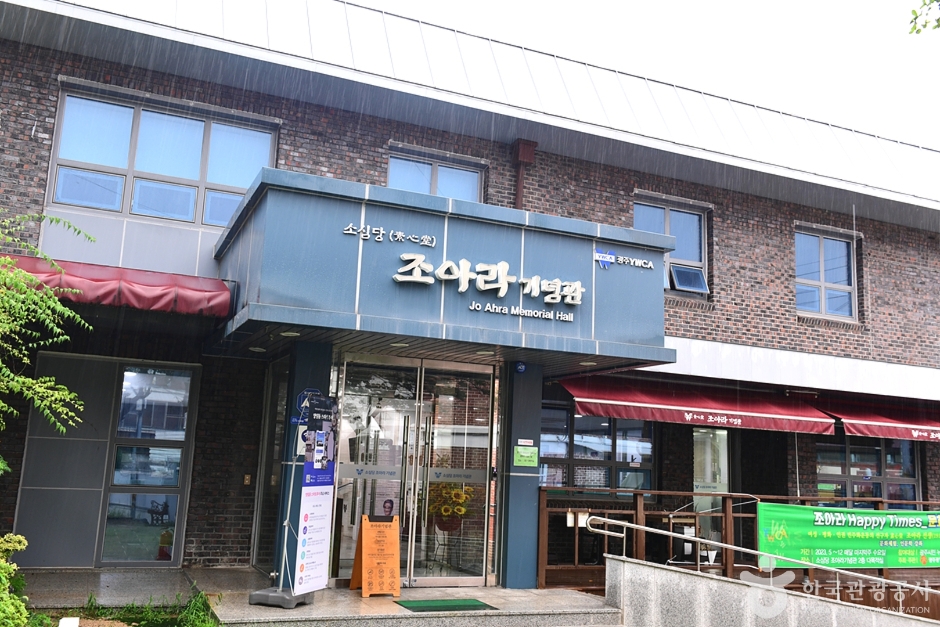
In 2015, Gwangju YWCA remodeled the place where Teacher Joara resided, transforming it into the **Joara Memorial Hall**. This is not merely an exhibition space, but a living record, as if her scent and warmth still linger. Though small in scale, it offers deep emotion as you intensely follow the trajectory of her life.
A Viewing Path Traveling Back in Time
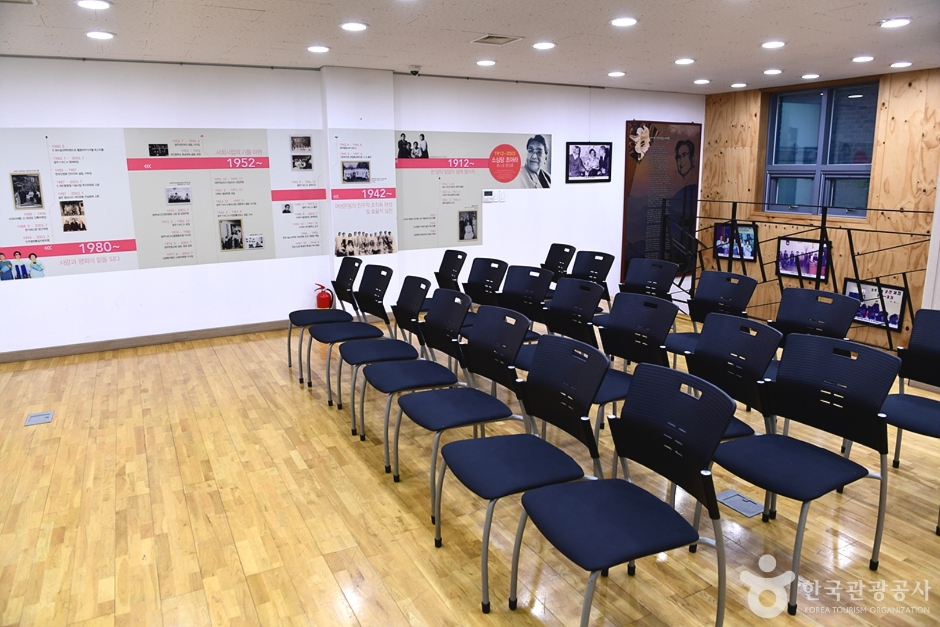
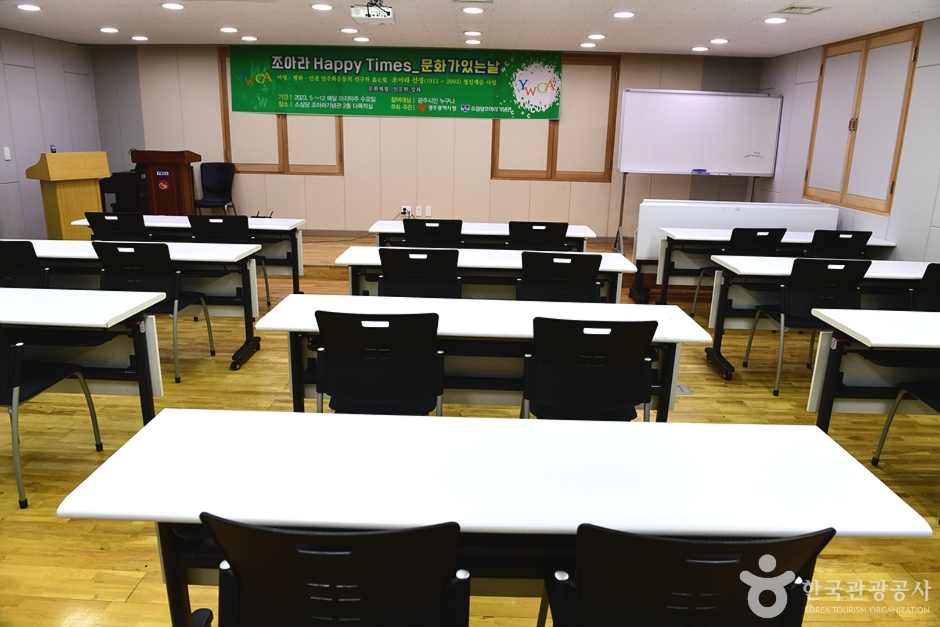
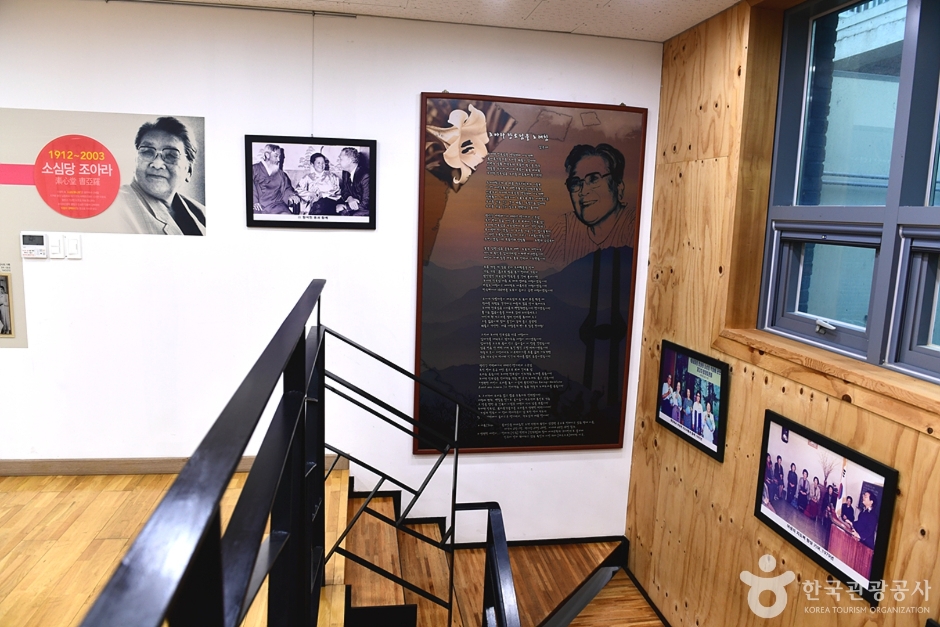
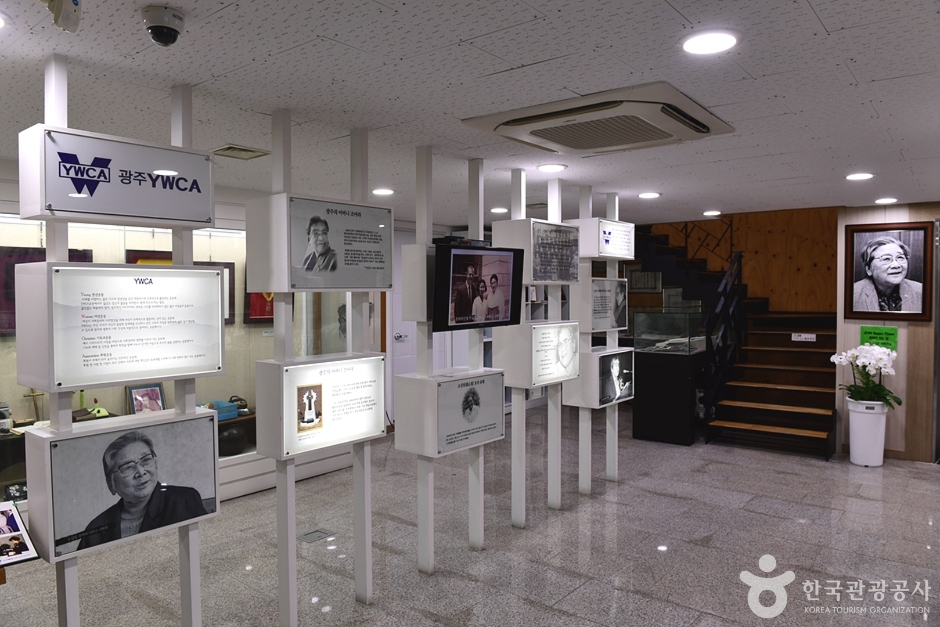
- Stage 1: Room of Beginnings This space introduces Teacher Joara’s life, family, and her independence movement activities during her youth. You can glimpse her resolute will along with the historical background.
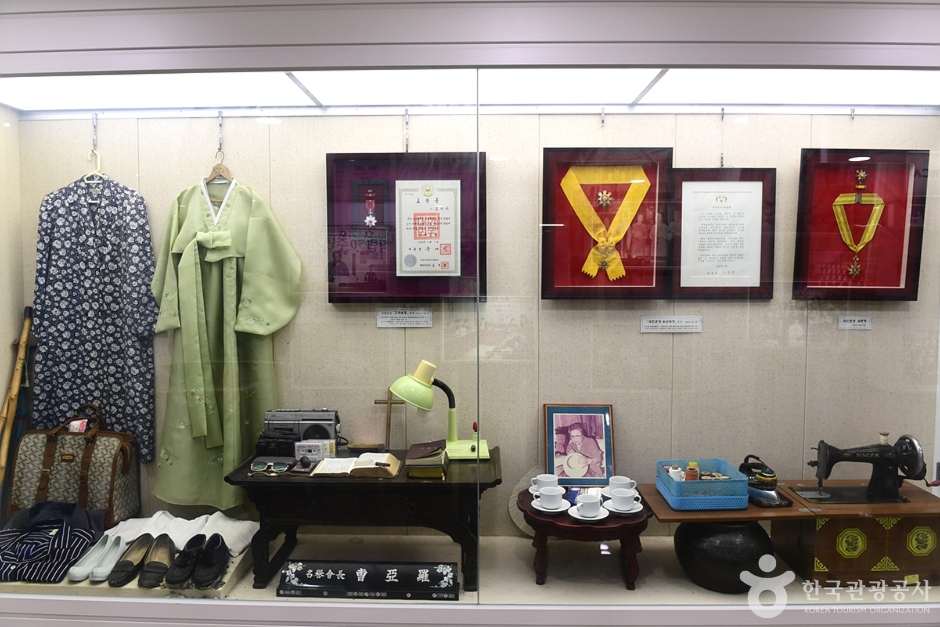
- Stage 2: Traces of Devotion You can encounter her major social activities and achievements, such as YWCA activities, relief efforts during the Korean War, and participation in the Gwangju Democratization Movement, through photos and artifacts.
- Stage 3: Seeds of the Women’s Movement Materials are displayed that allow a glimpse into the lives of women at the time, along with her footsteps in striving for the advancement of women’s rights.
- Stage 4: Message of Peace You can reflect on Teacher Joara’s messages of peace and human rights and take time to honor her spirit.
Special Spaces within the Memorial Hall
- Restored Residence Space A part of the space where she actually lived has been restored, allowing a glimpse into the daily life of that era. One can feel the simple yet firm nature of her life.
- Archive Room Various documents and photographic materials related to Teacher Joara are preserved, allowing for in-depth research.
- Memorial Sculpture A sculpture symbolizing her noble spirit is installed, where one can pay respects with a solemn heart.
How to Get to Joara Memorial Hall: A Quiet Resonance in the Heart of Gwangju
The **Joara Memorial Hall** is located in downtown Gwangju, offering excellent accessibility. It is situated within the Gwangju YWCA building, making it easy to find, and is convenient for exploring alongside various cultural facilities and commercial areas nearby.
How to Visit?
| Transportation | Details |
|---|---|
| Public Transport (Bus) | Disembark at a stop near Gwangju YWCA or Geumnam-ro 4-ga Station and walk. It’s recommended to check bus routes in advance as various lines pass through. |
| Public Transport (Subway) | Take Gwangju Subway Line 1, get off at Geumnam-ro 4-ga Station, exit through Exit 4, and walk for about 5 minutes. The path from the station to the memorial hall is flat. |
| Private Car | You can use the underground parking lot of the Gwangju YWCA building, but space may be limited, so public transport is recommended. Public parking lots nearby are also available (paid). |
After Visiting the Memorial Hall, a Moving Journey Continues in Gwangju
Gwangju Attractions Worth Visiting Together
- Asia Culture Center (ACC) It is a multi-cultural complex located within walking distance. You can enjoy various exhibitions, performances, and libraries there.
- 5·18 Democracy Square & Geumnam-ro It is a symbolic place where you can feel the history of the Gwangju Democratization Movement. Connecting it with Teacher Joara’s spirit of participation in the democratization movement, you can have a profound experience.
- Yangnim-dong Historic & Cultural Village It is a beautiful village with modern architecture and traces of missionaries. It’s a great place to explore Gwangju’s history along with the memorial hall.
Joara Memorial Hall: Tips for a More Profound Visit
- Acquire Prior Information Learning briefly about Teacher Joara’s life and achievements before your visit will deepen your appreciation.
- Calm Viewing Etiquette Although it is a small memorial hall, as it commemorates the great life of one individual, it is recommended to explore it with a reverent and calm mind.
- Connect with Nearby Attractions Planning your itinerary to include other attractions in downtown Gwangju, such as Geumnam-ro and the Asia Culture Center, will make for a richer trip.
Joara Memorial Hall: A Small Seed Engraved in the Heart
The **Joara Memorial Hall** is not merely a space commemorating a figure from the past. It is a living field of lessons that poses a weighty question to us living in the present – ‘How should we live?’ – and reminds us of the importance of small actions for a better world. If you visit Gwangju, don’t forget to spend some time in this space where Teacher Joara’s passionate heart once beat. There, a small seed of change will be planted in your heart.
Frequently Asked Questions
Q1. What are the operating hours and admission fees for the Joara Memorial Hall?
The Joara Memorial Hall generally operates from 10 AM to 5 PM on weekdays. It is closed on weekends and public holidays, and admission is free. For precise operating hours, it is most accurate to check the Gwangju YWCA website or call before visiting.
Q2. Is photography allowed inside the memorial hall?
Yes, commemorative photography for personal use is generally permitted. However, it is advisable to refrain from using flash and maintain a quiet atmosphere so as not to disturb other visitors. For commercial photography, prior inquiry is required.
Q3. What is the size of the Joara Memorial Hall, and how long does a visit typically take?
The memorial hall consists of a single building and is relatively modest in size. A thorough visit may take approximately 30 minutes to 1 hour. Though small, it offers deep emotion through its dense exhibits.
Q4. Is it suitable for visiting with children?
It is an educational space where children can learn about Teacher Joara’s life and history, so it is good for visiting with children. However, there are no separate experiential facilities for young children, so it is recommended to visit with a guardian’s explanation.
Q5. Is there any special information worth knowing before visiting?
The Joara Memorial Hall is located within the Gwangju YWCA building. As the YWCA has been a part of the history of the women’s movement, reflecting on the role and history of the YWCA along with the memorial hall will make for an even more meaningful visit.