
Soul blooming in the garden of time, the hidden story of Hongcheon Mugunghwa Park


Do you know that in Hongcheon, Gangwon-do, there is a garden of time that transcends a simple park? Hongcheon Mugunghwa Park, where countless mugunghwa bloom and fall, preserving the pain and hope of our nation, is a space with more meaning than just a beautiful flower garden.
This place, where the noble spirit of Hanseo Namgung Eok, who instilled the spirit of independence by planting mugunghwa in the hearts of the people who lost their nation during the Japanese colonial period, lives and breathes. A journey to Hongcheon Mugunghwa Park, which offers a deep resonance with every step, will be a special experience beyond a simple outing.
Forgotten name, eternal spirit: Hanseo Namgung Eok and the legacy of mugunghwa
Hongcheon Mugunghwa Park was created to commemorate Hanseo Namgung Eok, who awakened the national spirit by popularizing mugunghwa during the Japanese colonial period. This place is used not just as a space to appreciate flowers, but as a living educational center that reflects on the painful pages of our history and the hope that bloomed within them.
Symbols commemorating the spirit of patriotism
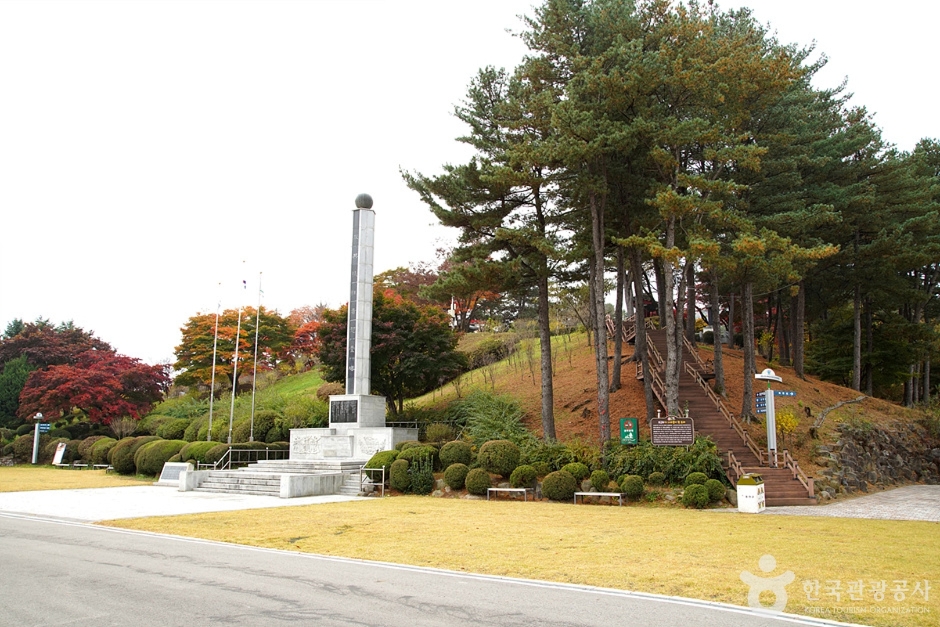
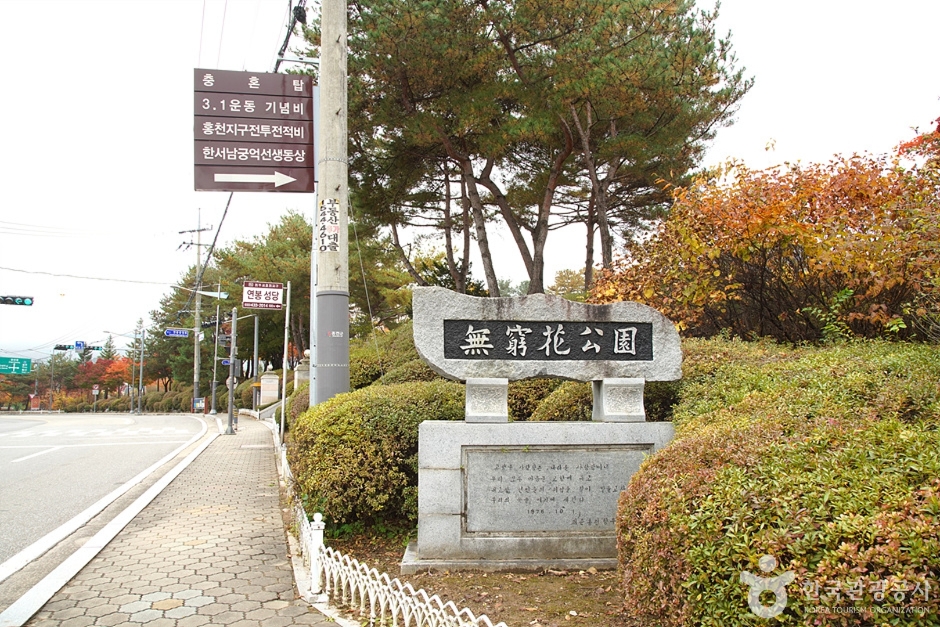
- Through the poems of Hanseo Namgung Eok’s Poetic Monument, imbued with his noble will and patriotic spirit, one can catch a glimpse into his life.
- 3·1 Manse Pagoda & Chunggontap (Patriots’ Memorial Tower) Monuments commemorating the spirit of the independence movement and the souls of those who sacrificed for the nation add to the solemn atmosphere.
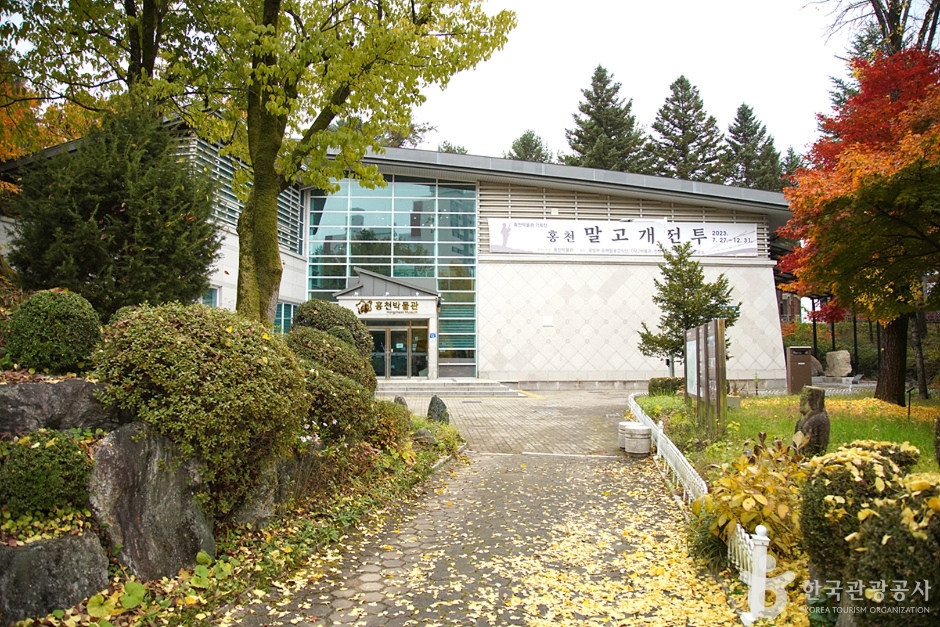
- Hongcheon Museum Located within the park, it provides an opportunity to see Hongcheon’s rich history and cultural heritage at a glance.
A feast of fifteen hundred flowers, the colorful scenery of Hongcheon Mugunghwa Park
This park has over 1,500 species of mugunghwa, each with different varieties and blooming periods. Mugunghwa of various colors and shapes boast different charms each season, captivating visitors. Walking through the mugunghwa tunnel or carefully observing the different varieties of flowers is one of the greatest pleasures one can experience at Hongcheon Mugunghwa Park.
Viewing points by seasonal mugunghwa blooming period
| Period | Main blooming mugunghwa | Viewing tips |
|---|---|---|
| Early Summer (early to mid-July) | Early blooming varieties, some hybrid varieties | The joy of discovering vibrant flower buds amidst a fresh green background |
| Mid-Summer (mid-July to August) | Most varieties, full bloom | The peak season when the entire park transforms into a mugunghwa flower garden, enjoying the most splendid scenery |
| Late Summer ~ Early Autumn (late August to September) | Late blooming varieties, long-flowering varieties | The persistent beauty and lyrical atmosphere of mugunghwa clinging to the end of summer |
A path where history permeates every step: Surrounding cultural heritage exploration course
A visit to Hongcheon Mugunghwa Park doesn’t end here. Various cultural heritage sites, ranging from the Goryeo Dynasty to the Unified Silla period, are scattered around the park, allowing for a richer understanding of Hongcheon’s deep history and culture when explored together. Feel the patriotism offered by the mugunghwa, and embark on a time journey by exploring the historical sites that follow.
Hidden treasures around the park
- Hongcheongin-ri Seokbul (Stone Buddha) A serene stone Buddha, presumed to be from the Goryeo Dynasty, retains traces of ancient times.
- Hongcheon Gwaeseong-ri Four-Lion Three-Story Stone Pagoda It boasts unique sculptural beauty and is an impressive stone pagoda with lion figures.
- Hongcheon Himang-ri Dangganjiju (Flagpole Support) A magnificent dangganjiju, presumed to have been erected during the Unified Silla period, provides insight into the Buddhist culture of that time.
Peace in the heart of Hongcheon: Location and accessibility
Hongcheon Mugunghwa Park is located at 156-25 Namgung-eok-ro, Hongcheon-eup, Hongcheon-gun, Gangwon-do, offering excellent accessibility. It is relatively close to Hongcheon Intercity Bus Terminal, making it easy to reach by public transport, and also convenient for car users with ample parking space. This park is an educational center that awakens the spirit of patriotism in visitors, as well as a special place offering relaxation amidst beautiful mugunghwa.
A journey to Hongcheon Mugunghwa Park, where you can experience history and culture simultaneously amidst beautiful nature, will provide unforgettable memories.
Tips for making the most of your visit to Hongcheon Mugunghwa Park
Hongcheon Mugunghwa Park greets visitors by changing its attire with each season. Check out a few tips in advance to ensure a more enjoyable and meaningful time.
- Admission Fee It operates for free, so anyone can enjoy the beautiful mugunghwa and history without any burden.
- Visiting Hours The park operates year-round, but specific facilities within the park, such as Hongcheon Museum, may have separate operating hours, so it’s best to check before visiting.
- Facilities Toilets, benches, and other amenities are well-equipped within the park, allowing for a comfortable stay.
- Educational Programs As an educational center that teaches local patriotism and love for the nation to Hongcheon citizens and youth, inquire in advance if you are interested in related programs.
- Connecting with Nearby Tourist Attractions Planning a day trip by connecting with nearby cultural heritage sites such as Hongcheongin-ri Seokbul, Gwaeseong-ri Four-Lion Three-Story Stone Pagoda, and Himang-ri Dangganjiju, introduced earlier, will make for a richer Hongcheon trip.
Frequently Asked Questions
Q1. What kind of place is Hongcheon Mugunghwa Park?
Hongcheon Mugunghwa Park commemorates Hanseo Namgung Eok, who widely popularized mugunghwa and instilled patriotic spirit during the Japanese colonial period. It is a theme park with over 1,500 diverse species of mugunghwa and serves as an educational center for learning about Hongcheon’s history and culture.
Q2. When are mugunghwa most beautiful?
Mugunghwa bloom for a long period from early July to September, but the most abundant and splendid full bloom is usually from mid-July to late August. You can enjoy different varieties and scenery depending on your visit period.
Q3. Is there an admission fee?
No, Hongcheon Mugunghwa Park operates for free, so anyone can freely enter and enjoy the beautiful mugunghwa and its historical significance.
Q4. Are there any other places to visit nearby besides the park?
Yes, various cultural heritage sites are scattered around the park, such as Hongcheongin-ri Seokbul, presumed to be a Goryeo Dynasty Buddha, Hongcheon Gwaeseong-ri Four-Lion Three-Story Stone Pagoda, and Hongcheon Himang-ri Dangganjiju from the Unified Silla period, all of which are great to explore together.
Q5. Is it good to visit with children?
Yes, it is a park with deep educational significance and vast grounds, making it excellent for children to learn history and culture in nature. Especially since patriotic education programs are also operated, it is suitable for family visits.