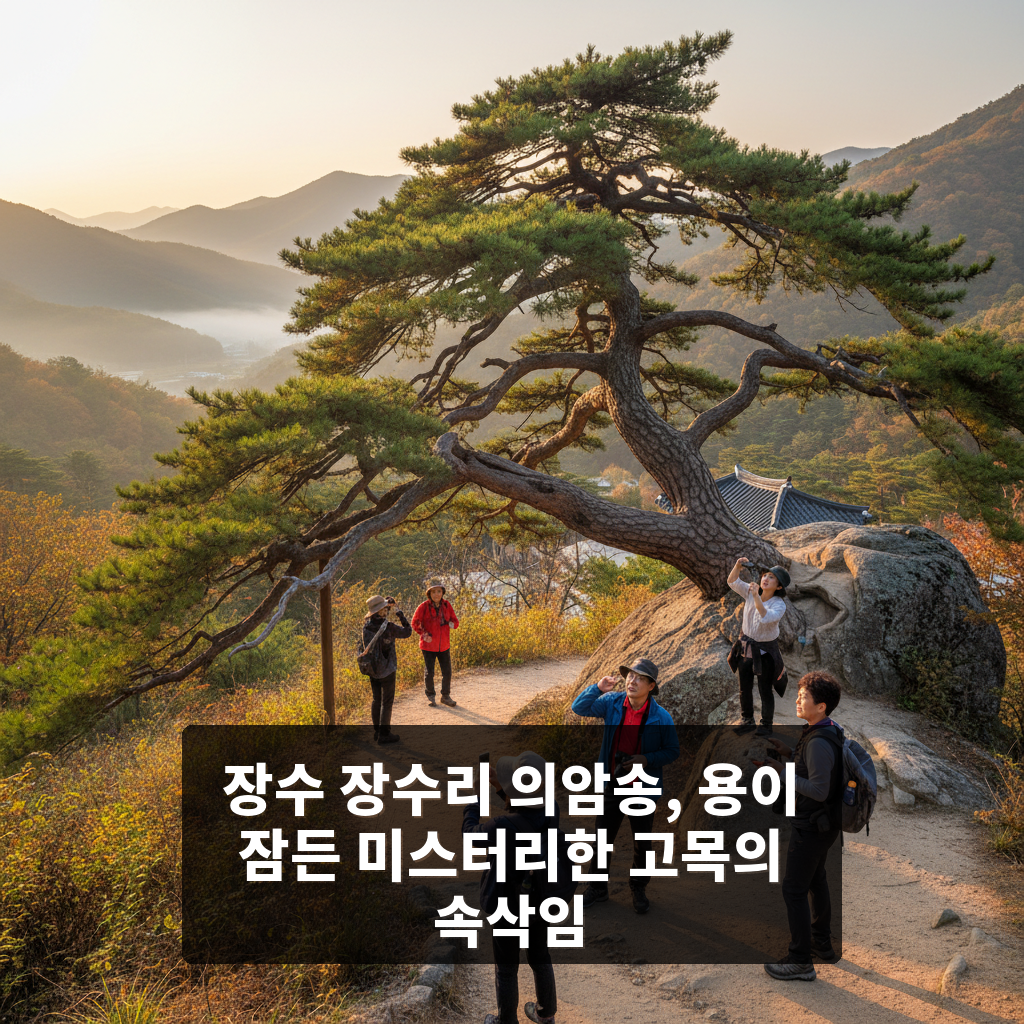
Jangsu Jangsu-ri Uiamsong, the whispering of a mysterious old tree where a dragon sleeps


What stories are hidden within the tree that has endured hundreds of years? With its enormous trunk rising from the ground, writhing like a dragon and reaching for the sky, Jangsu Jangsu-ri Uiamsong is not just an old tree, but a living legend itself. What message has this tree, which has watched in silence for ages, been conveying to us?
In a quiet village in Jangsu-gun, Jeollabuk-do, this tree has silently held its ground for a long time, attracting countless visitors. Its unique appearance and the poignant story associated with its name are enough to pique the curiosity of visitors. Let’s embark on a journey into the mystical world of this Uiamsong.
The Form of a Dragon from Times Past – The Overwhelming Presence of Jangsu Jangsu-ri Uiamsong
Growing right in front of the Jangsu-gun Office entrance, Jangsu Jangsu-ri Uiamsong boasts a majestic presence that captivates at first sight. Its estimated age of about 400 years proves a deep history in itself, leaving a profound impression on visitors with its unique, nature-crafted artistic form.
What are the breathtaking external features of Jangsu Jangsu-ri Uiamsong?
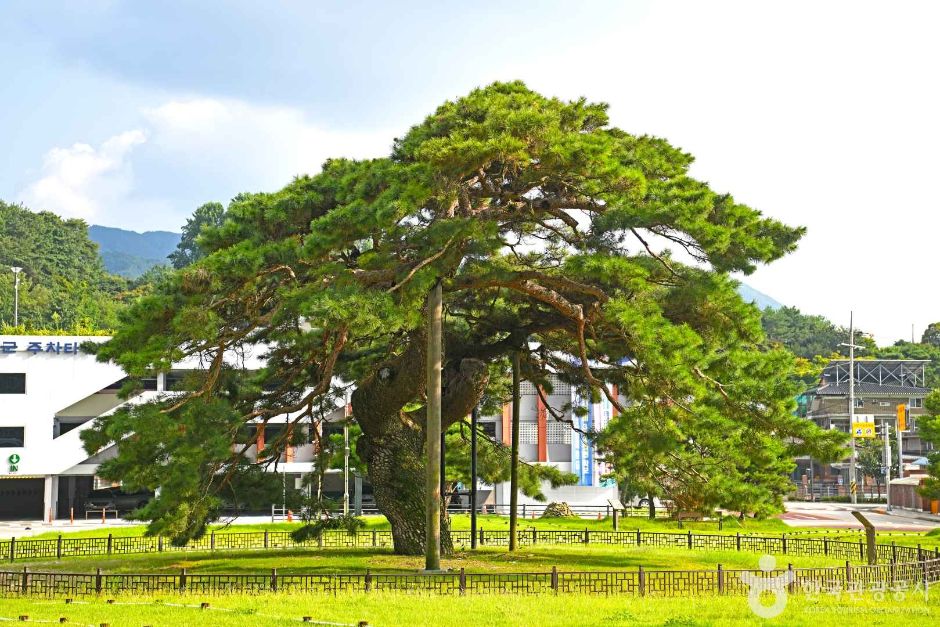
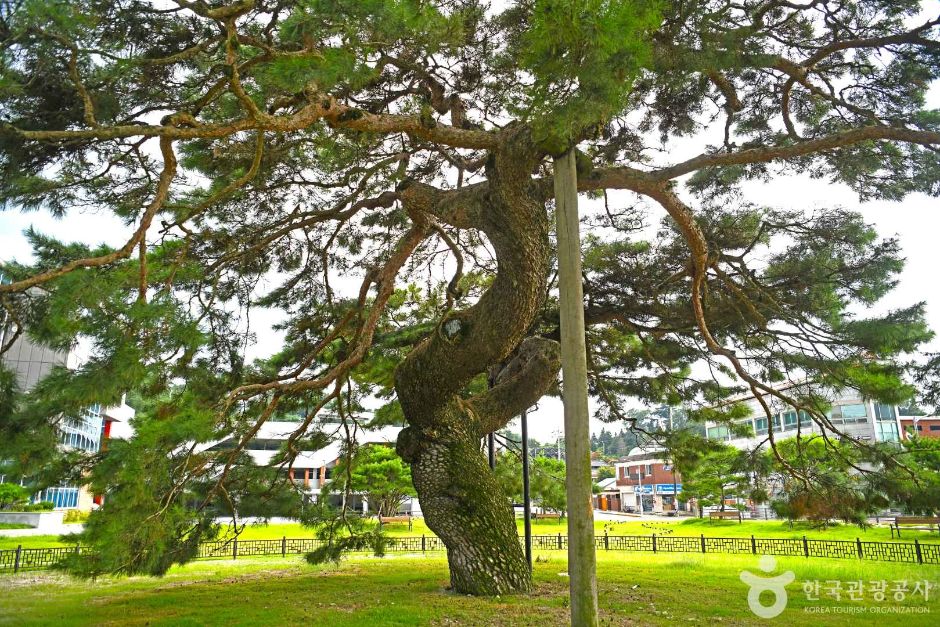
- Estimated age: Approximately 400 years, retaining the traces of a long history.
- Magnificent size: A towering tree reaching 9m in height and 3.22m in circumference at chest height, proudly soaring towards the sky.
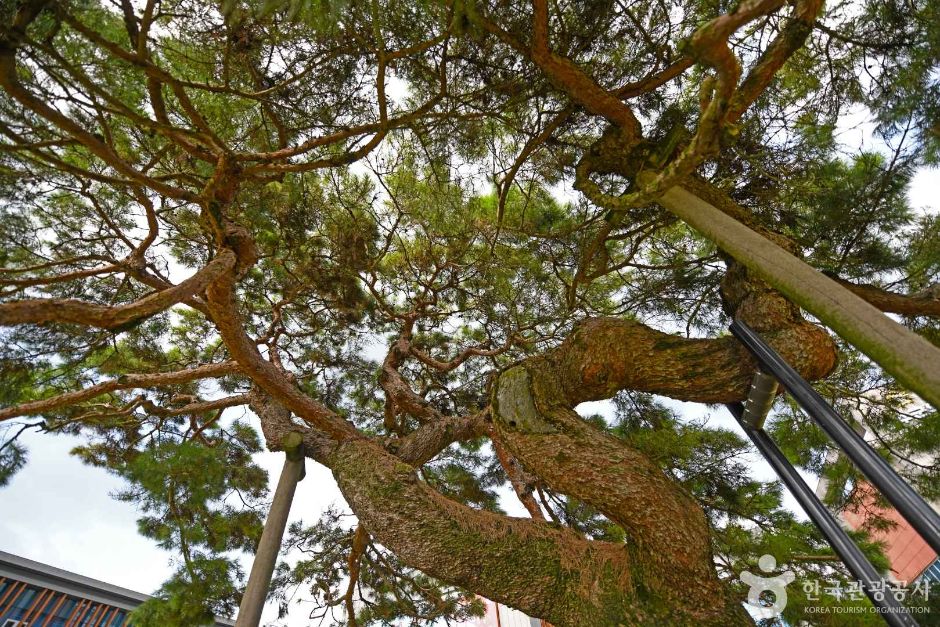
- Dragon-twisting trunk: At about 1m from the ground, the trunk twists clockwise, forming a spiral as if a dragon is writhing its body. Because of this appearance, it is also called the ‘Dragon-Twisting Pine’.
- Umbrella-shaped crown: The upper part of the tree branches into multiple luxuriant umbrella-like forms, adding visual beauty.
As such, Jangsu Jangsu-ri Uiamsong can be said to be more than just a tree; it is a living history and a wondrous being that holds the mysteries of nature.
A Name Steeped in Legend, Uiamsong – Commemorating the Spirit of Nongae
This colossal pine tree bears a special name, as unique as its appearance. It is ‘Uiamsong’. Behind this name lies a poignant story about Uiam Nongae, who sacrificed herself for the country during the Imjin War.
Ui-amsong, The Legend and Truth Behind Its Name
Klook.com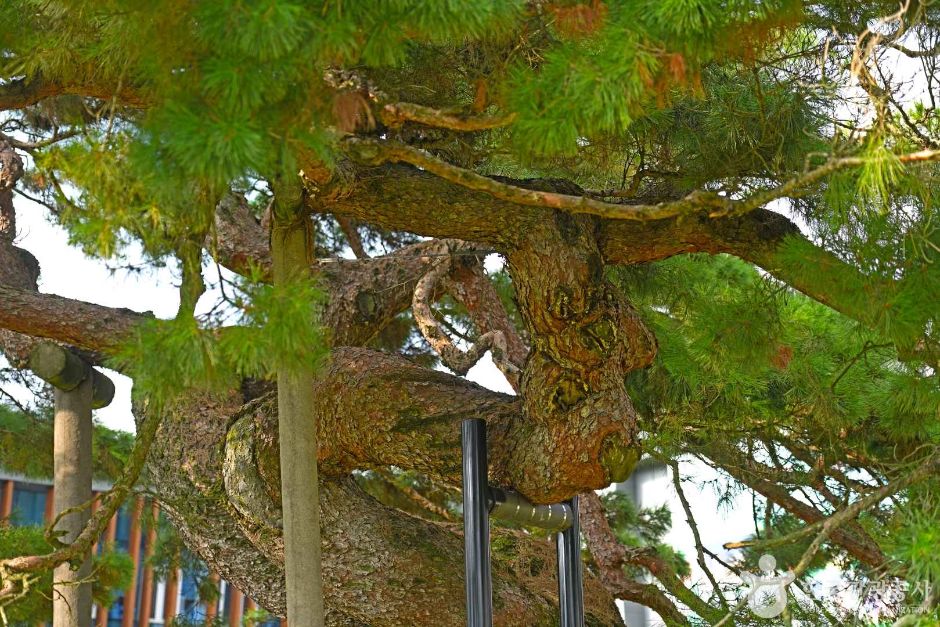
Origin of the Name Uiamsong
- Legend of the Imjin War: While there is an orally transmitted story that Uiam Nongae planted this tree during the Imjin War (1592), it is closer to a legend than a definite historical fact.
- Meaning of Commemoration: In fact, it is presumed that local residents named this pine tree, which grew in the courtyard of the old Jangsu government office, ‘Uiamsong’ to commemorate Nongae. This tree has become more than just an old tree; it is a symbol remembering Nongae’s loyalty.
Thus, Jangsu Jangsu-ri Uiamsong has lived alongside the history of the Jangsu region for a long time, nurtured by the care and attention of its ancestors. As a result, it has been recognized for its high value as a biological resource and is currently designated and protected as a Natural Monument.
Crossroads of Nature and History – The Journey to Uiamsong
The path to meet Jangsu Jangsu-ri Uiamsong, which holds such mysterious stories, is easier than you might think. It is characterized by excellent accessibility, being located in the center of Jangsu-gun. Visit in person and witness its grandeur with your own eyes.
Jangsu Jangsu-ri Uiamsong, Where can you find it?
The Uiamsong grows right in front of the Jangsu-gun Office entrance. Thanks to this, it can be easily found without special signposts, and it is also convenient for using nearby facilities.
If using public transportation, you can travel on foot or by taxi from the Jangsu-gun Intercity Bus Terminal, and if driving, using the county office parking lot is convenient. Located near the downtown area, finding your way should not be difficult.
Enjoying Jangsu with Uiamsong – Rest and Reflection at Nearby Attractions
If you’ve visited Jangsu Jangsu-ri Uiamsong, it would be a pity to just see the tree and leave. Around Uiamsong, there are charming places where you can honor Nongae’s spirit and feel the peace of nature, so we recommend exploring them together. Plan a fulfilling travel itinerary centered around Uiamsong.
Good Places to Visit with Uiamsong
- Uiamsa Temple: Uiamsa Temple, located not far from Uiamsong, enshrines a portrait of Nongae. Visiting together while considering the origin of the name Jangsu Jangsu-ri Uiamsong can make for a more meaningful experience.
- Uiamho Lake: The tranquil Uiamho Lake, spread out below Uiamsa Temple, is a great place to enjoy a stroll or relax while gazing at the water. Especially at sunset, when the twilight hues dye the lake, its beauty reaches its peak.
In addition, Jangsu-gun is a region famous for its apples, so if you visit during the season, tasting fresh Jangsu apples will also be a good memory.
Recommended Activities Around Uiamsong by Season
| Season | Recommended Activities |
|---|---|
| Spring | Admire the budding Uiamsong, take a light stroll along Uiamho Lake. |
| Summer | Relax in the cool shade under lush green foliage, enjoy water activities at Uiamho Lake (if available). |
| Autumn | Admire the autumn foliage around Uiamsa Temple, reflect peacefully beneath the serene Uiamsong. |
| Winter | Admire the noble appearance of Uiamsong in the snowscape, enjoy a quiet time with a warm cup of tea. |
The Message from a 400-Year-Old Tree – How to Remember Uiamsong
Jangsu Jangsu-ri Uiamsong is not just a pine tree. It is a living witness that remembers the sacrifice of an individual, testifies to the history of a region, and demonstrates the robust vitality of nature spanning hundreds of years. I hope all who visit here can feel the profound message conveyed by this ancient tree.
Tips for Experiencing Uiamsong at its Best Moment
- Consider the timing of your visit: You can encounter different charms of Jangsu Jangsu-ri Uiamsong in each season, such as the green sprouts of spring, the lush foliage of summer, the subtle autumn leaves, or the snow-covered winter scenery, so plan your visit considering the landscape you desire.
- Explore nearby tourist attractions together: Visit Uiamsa Temple and Uiamho Lake together to experience Nongae’s spirit and the beauty of Jangsu’s nature simultaneously. It will make for a richer trip.
- Utilize quiet times: Visiting in the early morning or late afternoon allows you to avoid crowds and appreciate Uiamsong in a serene and mysterious atmosphere. Don’t miss the tree’s changing appearance with the angle of the sunlight.
- Capture memories with photos: Create special memories by photographing the unique features like the dragon-twisting trunk or the umbrella-shaped crown from various angles. However, be careful not to damage the tree.
Jangsu Jangsu-ri Uiamsong is a special place where past and present, nature and history coexist. We hope you experience the tranquility and deep emotion of life here, feeling the breath of the 400-year-old tree.
Frequently Asked Questions
Q1. How old is Jangsu Jangsu-ri Uiamsong?
It is estimated to be about 400 years old, an ancient tree that has been part of Jangsu-gun’s long history. Countless stories have blossomed under this tree during its long existence.
Q2. Why was it named Uiamsong?
While there’s a legend that righteous army leader Nongae planted it during the Imjin War, it’s more widely known as a name given by local residents to commemorate Nongae.
Q3. Where is Uiamsong located in Jangsu-gun?
It is located directly in front of the Jeollabuk-do Jangsu-gun Office entrance, offering excellent accessibility. You can visit conveniently by using the county office parking lot.
Q4. Are there any nearby places worth visiting with Uiamsong?
Yes, there’s Uiamsa Temple, which houses Nongae’s portrait, and the peaceful Uiamho Lake below it, making them great places to visit together to enjoy history and nature. It’s also an excellent course for a walk.
Q5. Why was Uiamsong designated as a Natural Monument?
It was designated and protected as a Natural Monument due to its approximately 400-year age, unique dragon-twisting form, and the intertwined legend of Nongae, all contributing to its very high biological and cultural value.
 Love Korea? Promote it & Earn.