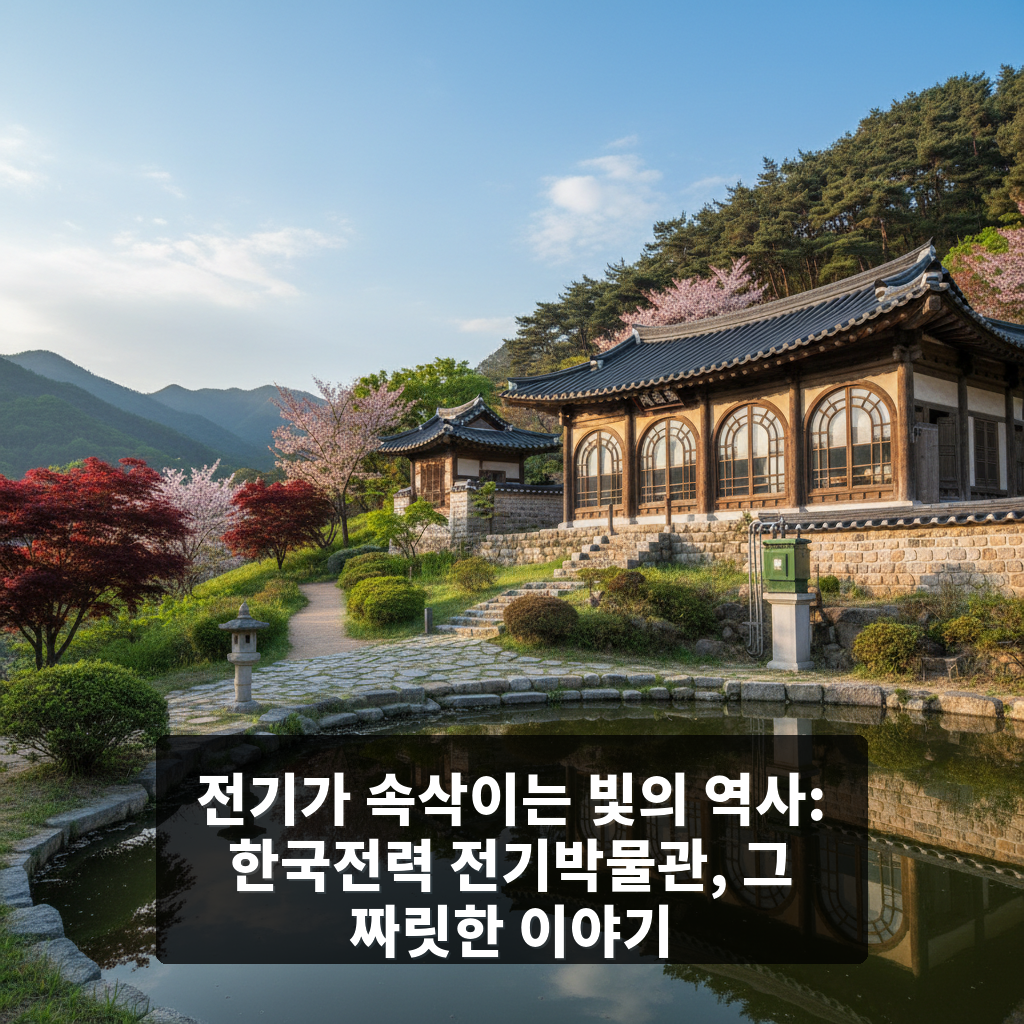
The History of Light Whispered by Electricity: Korea Electric Power Electricity Museum, Its Thrilling Story


The source of the convenience we enjoy every day, the light that brightly illuminates the night, the power that drives our lives! What was the beginning of all this? Behind the magic of electricity, which changes the world with a single finger, lies a long and great history. Today, we invite you to a special place where you can encounter the narrative of that light, the Electricity Museum.
Experience the principles and development process of electricity, which might have felt vague, through your five senses, and trace all the footsteps, from the moment our ancestors wandered in search of light in the darkness to the power of electricity that built modern civilization. Shall we embark on a sensory journey to understand the source of energy in our lives, beyond just a simple museum?
A Great Journey Illuminating the Darkness: The Beginning of the Electricity Museum
Since 1887, when electric lights were first turned on at Gyeongbokgung Palace, KEPCO (Korea Electric Power Corporation) has navigated the turbulent modern and contemporary history alongside the nation. Even amidst the pain of the Japanese colonial period, the division of the Koreas, and the Korean War, electricity, which became the core driving force for national economic development, was more than just energy; it was a light illuminating the hope of our people. KEPCO established the Electricity Museum to systematically preserve this precious history of electricity and to inform future generations about the value of electricity and the great development of modern science. This place is a valuable cultural heritage embodying the dedication and passion of power industry workers, and a space imbued with aspirations for the future.
Electricity’s Footprints Infused in Civilization
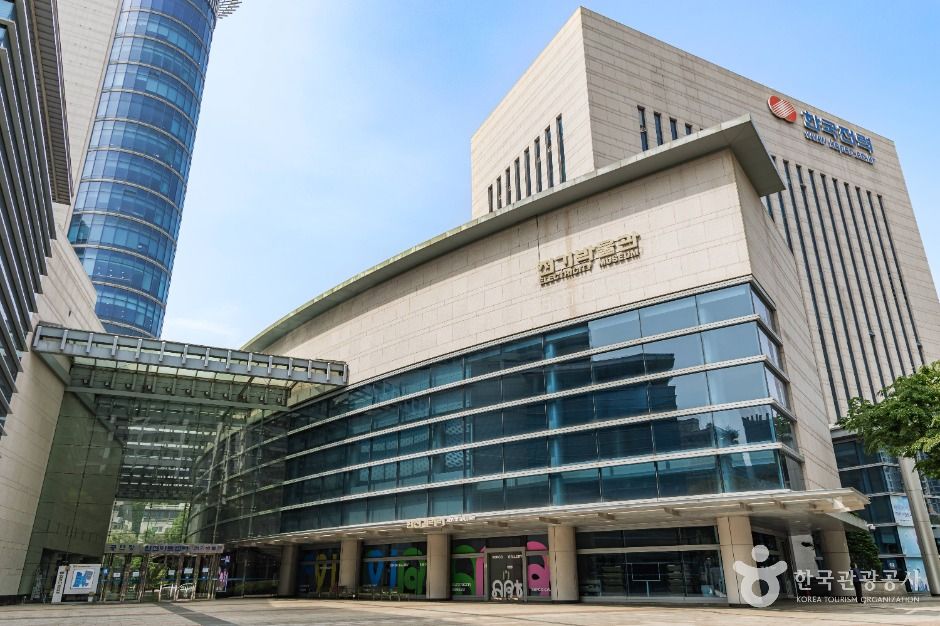
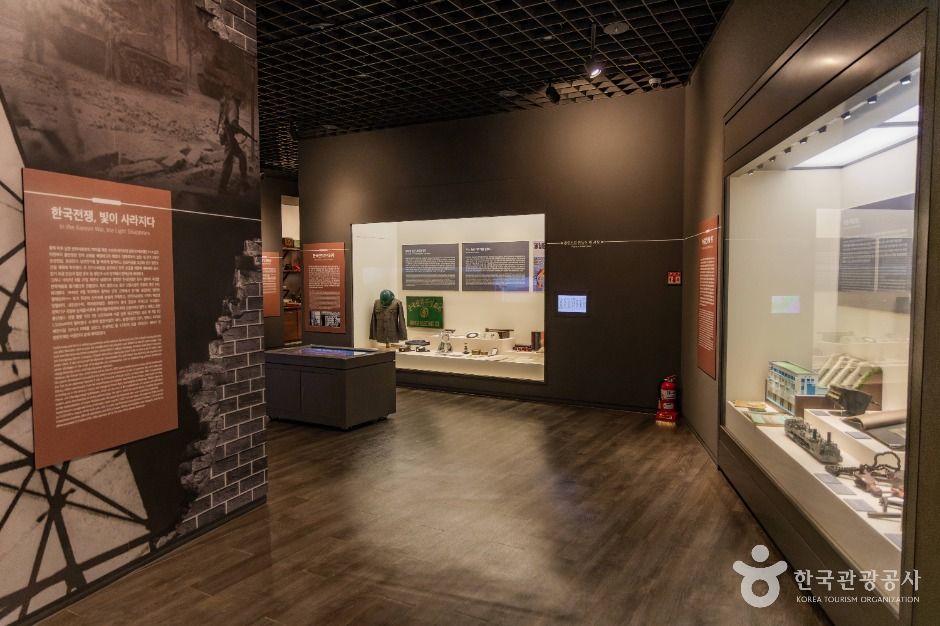
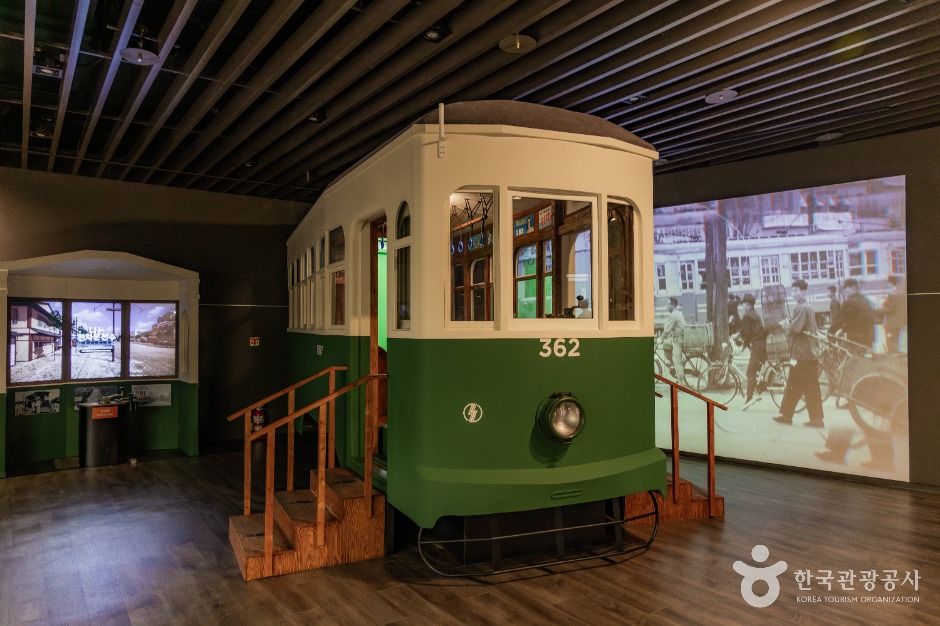
The moment you step into the Electricity Museum, you are engulfed in a sensation as if embarking on a journey through time. It vividly illuminates how electricity permeated civilization, from the excitement of the moment when electric lights were first turned on in Palace of the dark Joseon Dynasty, to the energy emitted by massive generators in the industrial era, and the advent of home appliances that revolutionized our daily lives. Key artifacts and records from each era make us realize that electricity was not merely a technology, but a cultural revolution that changed the very way of life.
Exhibition Highlights that Awaken a Time Traveler’s Senses
The Mystery and Challenge of Early Electricity
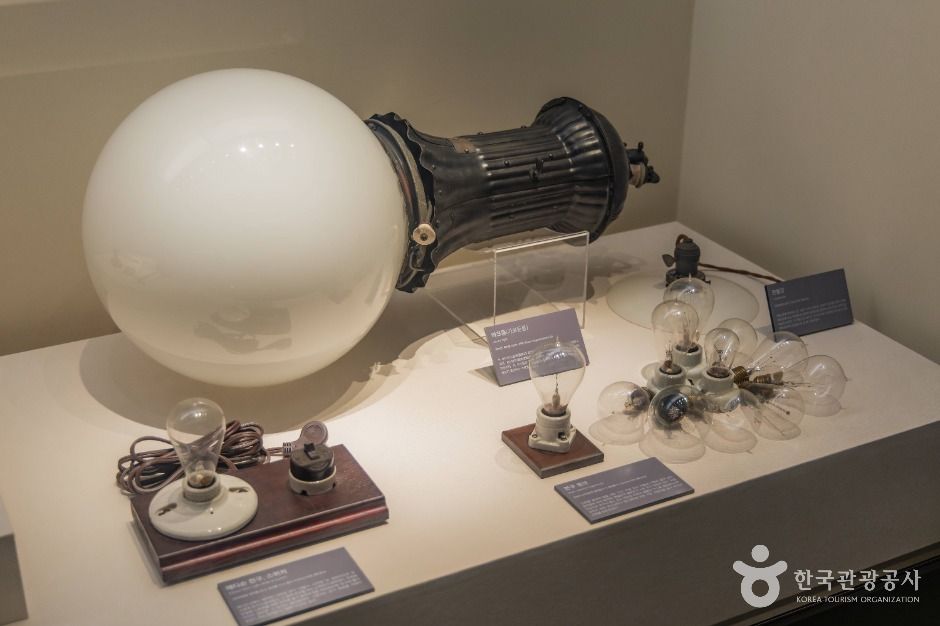
- First Electric Light You can directly experience the wonder of light through a reproduction of the early Edison electric lamp that illuminated Hyangwonjeong Pavilion in Gyeongbokgung Palace. Imagine the astonishment people of that era must have felt.
- Hand-cranked Generator By experiencing the operating principles of early generators that produced electricity by hand, you can truly feel how precious electricity was as an energy source.
- Invention and Spread of Electricity The achievements of world-renowned electrical scientists and the fascinating story of humanity’s discovery and utilization of electricity are exhibited with audiovisual materials.
Revolutionary Changes of Electricity in Daily Life
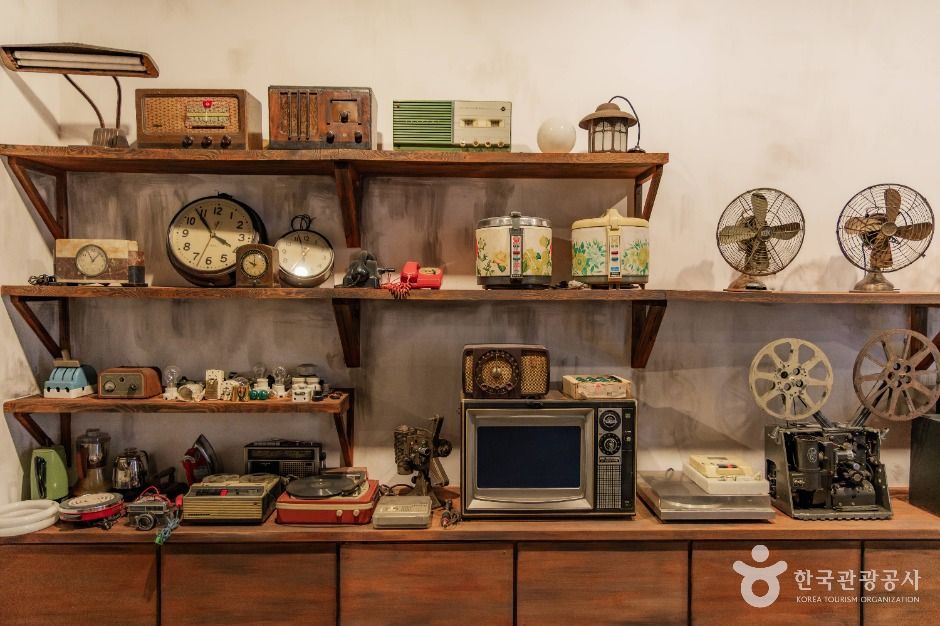
- Nostalgic Home Appliances By looking at home appliances that defined their eras, such as old radios, black-and-white TVs, and early refrigerators, you can see how electricity made our lives convenient and abundant. It offers nostalgia to adults and wonder to children.
- Artery of Industrial Sites Huge models of transmission towers and substation facilities that power factory machinery and light up city nights help visitors understand how electricity is produced and transmitted on a large scale.
Future Drawn with Light, Energy Experience Zone
The Electricity Museum does not dwell only on artifacts from the past. In the experience zone, which introduces future energy technologies and eco-friendly power systems, touchscreens and interactive exhibits help children imagine and explore sustainable future energy. The joy of hands-on learning offers not only educational value but also unique fun.
How to Get to the Electricity Museum and Joys to Discover Nearby
The Electricity Museum, conveniently accessible by subway and bus, is located in an easily reachable downtown area. Don’t miss this special opportunity to encounter both the history and future of electricity in the city center. You can check the exact location on the map below.
Transportation to Enhance Accessibility
- When using the subway You can easily arrive by disembarking at a nearby station and walking or transferring.
- When using the bus It is convenient to use various bus routes that stop near the museum. Public transportation is recommended.
Attractions Worth Visiting Together
- Nearby Art Museums/Galleries After experiencing the sensory exhibition of electricity, you can continue your artistic inspiration at nearby art museums. Please check the exhibition schedule in advance.
- Parks Good for a Stroll After visiting the museum, you can relax and enjoy some leisure time at a nearby park.
- Various Restaurants and Cafes There are many diverse restaurants and cafes nearby, making it a great place to combine meals and relaxation.
Electricity Museum: Smart Tips to Enjoy it 100 Times More!
- Check Operating Hours It is advisable to check the operating hours and closing days on the official website before visiting to avoid a wasted trip. Hours may change if there are special exhibitions.
- Check Reservation Requirement Group tours or specific experience programs may require advance reservations, so please check the reservation requirements in advance depending on your purpose of visit.
- Parking Information Parking spaces may be limited when using a private car, so public transportation is strongly recommended. If unavoidable, it is advisable to check information on nearby public parking lots in advance.
- Recommended Visitors It is particularly beneficial for family visitors, including elementary, middle, and high school students. The combination of educational content and interesting experiences provides excellent learning effects. Of course, it is also a sufficiently attractive space for adult visitors interested in the history and technology of electricity.
- Photo Etiquette Photography is freely allowed as long as it does not disturb the exhibition, but it is advisable to refrain from using flash or setting up tripods. Please be considerate of other visitors.
Electricity is no longer a miraculous new technology; it has become a part of our lives. However, through the Electricity Museum, we can look back at the path electricity has taken and once again realize the wisdom and effort of humanity contained within it. In this place where the light of the past illuminates the present and shines upon the future, we hope you create your own special sensory experience.
Frequently Asked Questions
Q1. What are the main viewing points of the Electricity Museum?
Exhibits that allow visitors to see the history of electricity’s development from the moment electric lights were first turned on at Gyeongbokgung Palace in 1887 to modern daily life, along with various experience zones, are the core viewing points. In particular, the artifacts that help understand the principles of early electricity and the space where you can glimpse future energy technologies are impressive.
Q2. What is the admission fee?
The Electricity Museum is currently operating for free. It is a great opportunity to visit without burden and experience the history and science of electricity. However, for special exhibitions or programs, separate fees may apply, so it is advisable to check before visiting.
Q3. Is it good to visit with children?
Yes, it is very good to visit with children. There are many explanations tailored to their level and exciting hands-on facilities that stimulate children’s scientific curiosity and provide educational benefits. It is especially recommended for families with elementary school-aged children.
Q4. How long does a visit take?
Generally, it takes about 1 hour 30 minutes to 2 hours. If you examine each exhibit closely or participate in experience programs, more time may be required. It is advisable to plan enough time for a leisurely visit.
Q5. Is parking available?
The Electricity Museum‘s own parking space may be limited. Public transportation is recommended if possible, and if using a private car, you may need to use nearby paid public parking lots, so it is advisable to check parking information before visiting.