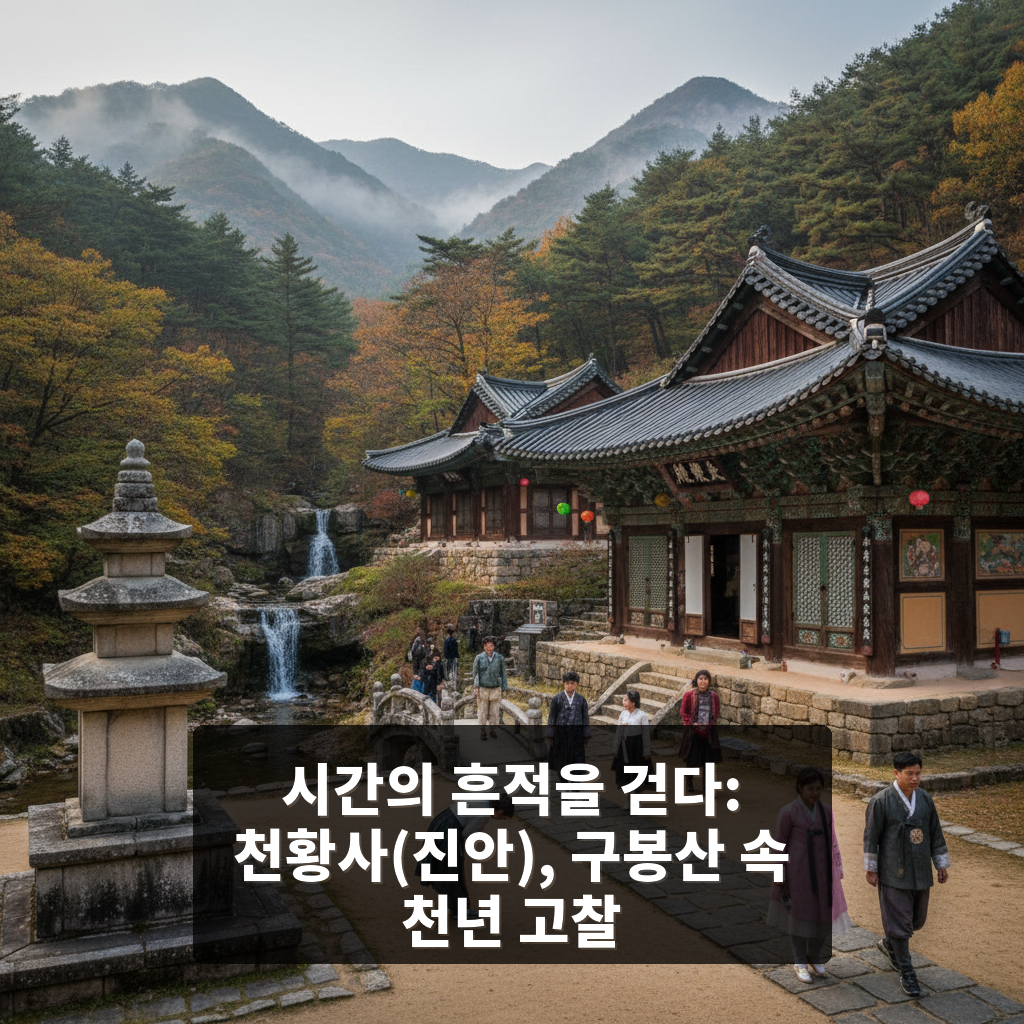
Walk the traces of time: Cheonhwangsa (Jinan), a thousand-year-old temple in Gubongsan


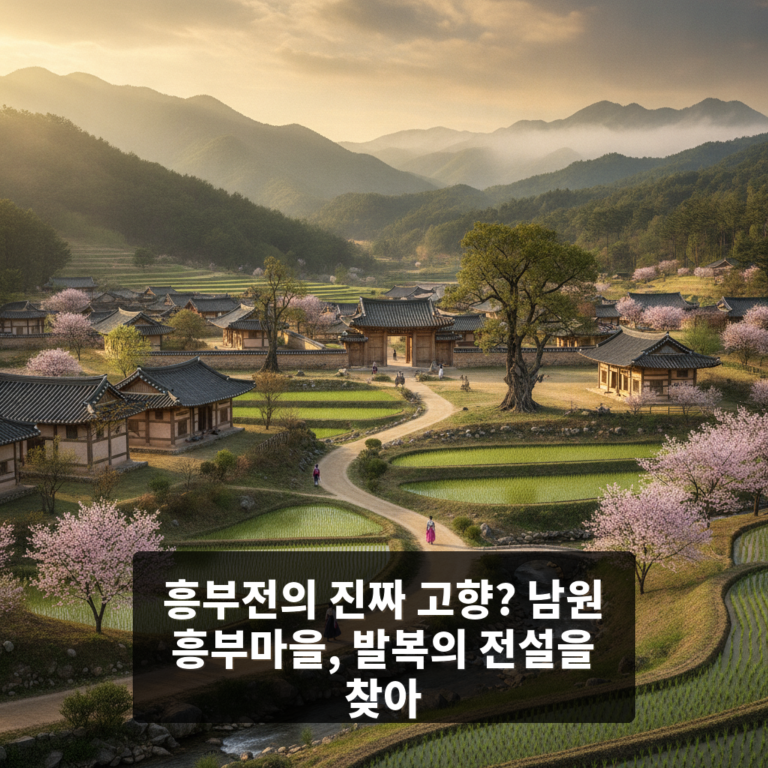
Suddenly, there are times when you want to forget the complex affairs of the world for a moment and fall into a distant old tale. Are there truly such places left around us? Cheonhwangsa (Jinan), nestled in the deep mountains of Jinan, Jeonbuk, at the foothills of Gubongsan, offers a tranquil answer to that very question.
Founded during the reign of King Heongang of Silla and silently watched over for over a thousand years, this place is more than just a temple; it is like a living museum where the breath of history and the beauty of nature are harmoniously intertwined. If you stop your steps in the quiet mountain temple and listen, even the sound of the wind seems to whisper old tales.
Shall we now walk through that mysterious thousand years together and uncover the stories that Cheonhwangsa (Jinan) holds, one by one?
Tranquility Embraced by Gubongsan, The Path to Cheonhwangsa
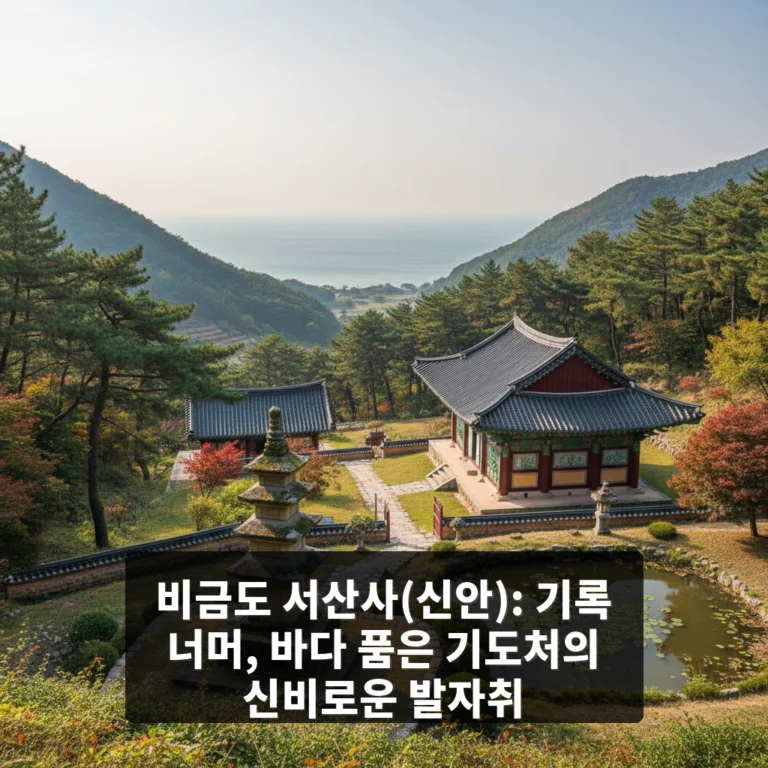
Located deep in Gubongsan, Garyong-ri, Jeongcheon-myeon, Jinan-gun, Jeonbuk Special Self-Governing Province, Cheonhwangsa (Jinan) is a branch temple of Geumsansa, offering a picturesque landscape in harmony with the beautiful mountain scenery. Untouched by the hustle and bustle of city noise, this place serves as a perfect sanctuary for those who wish to fully focus on themselves. The journey of encountering a temple with a thousand years of history amidst the peace offered by nature will be a deeply meaningful experience in itself.
The Footprints of Cheonhwangsa, Flowing Back Through Time
Cheonhwangsa (Jinan) opened the first page of its history when it was founded in 875, during the reign of King Heongang of Silla, by National Preceptor Muyeom. Later, in 1065, National Preceptor Uicheon of Goryeo rebuilt it, continuing the temple’s legacy. Although it reached its current form through the hands of various eminent monks, there was an interesting change in the process.
The Flow of History, The Relocation of the Temple
Originally, Cheonhwangsa was located in Unbong-ri, Jucheon-myeon, but it is said that after being rebuilt during the reign of King Sukjong of Joseon, it was moved to its current location in the foothills of Gubongsan, Garyong-ri, Jeongcheon-myeon, Jinan-gun. It is rare for a temple to change its location, so what reason brought it here? Imagining the historical context of the time, when it had to find a new home amidst the turbulent currents of history, makes the temple’s resilient vitality feel even more profound.
Timeline of Cheonhwangsa
- First founded by National Preceptor Muyeom in 875 (Silla King Heongang).
- National Preceptor Uicheon rebuilt and prospered the temple in 1065 (Goryeo King Munjong).
- Relocated and rebuilt from Unbong-ri, Jucheon-myeon, to its current location in Garyong-ri, Jeongcheon-myeon, during the Joseon King Sukjong period.
Spaces Embodying a Thousand Years of Wisdom: Daeungjeon and Artifacts
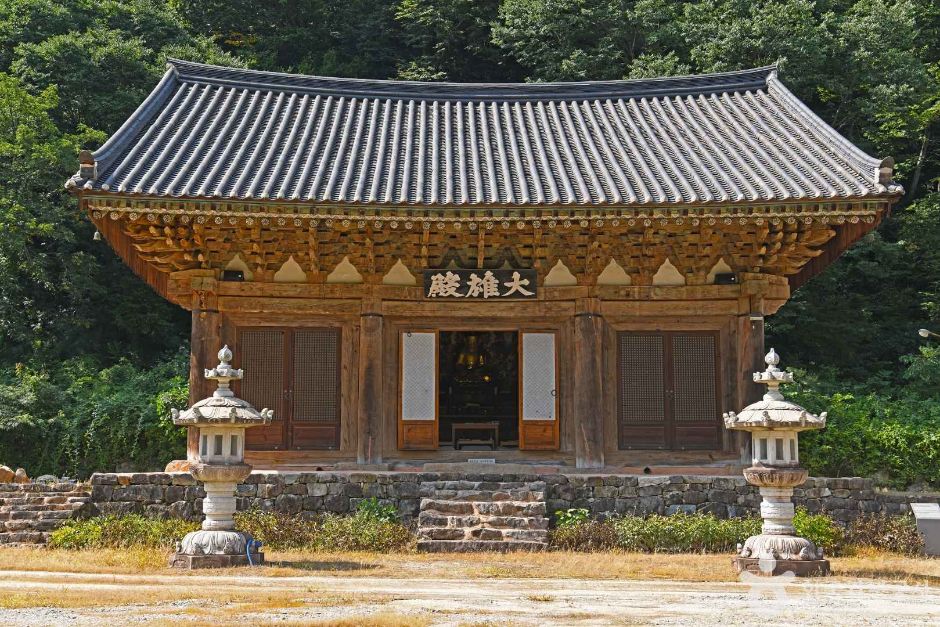
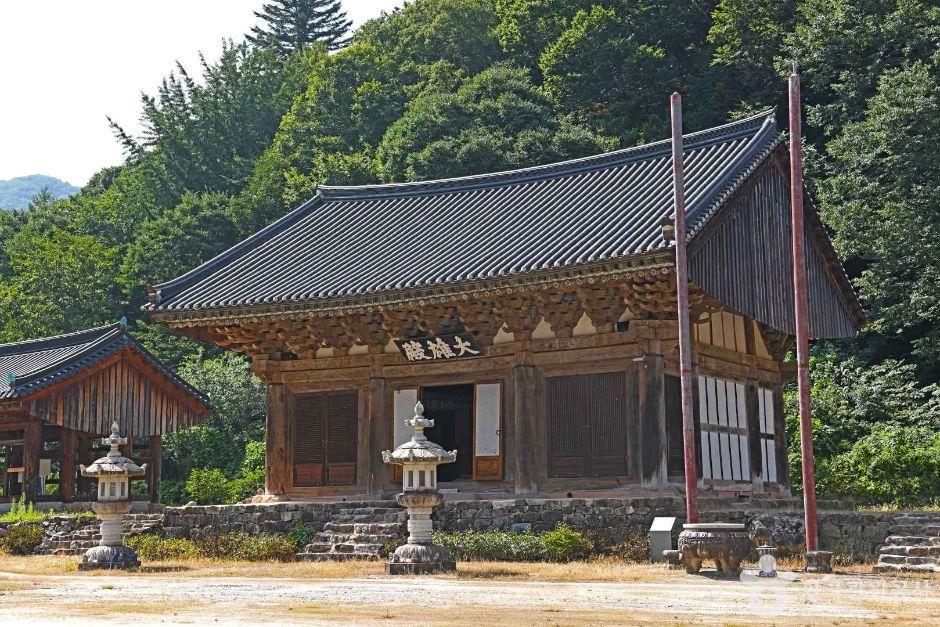
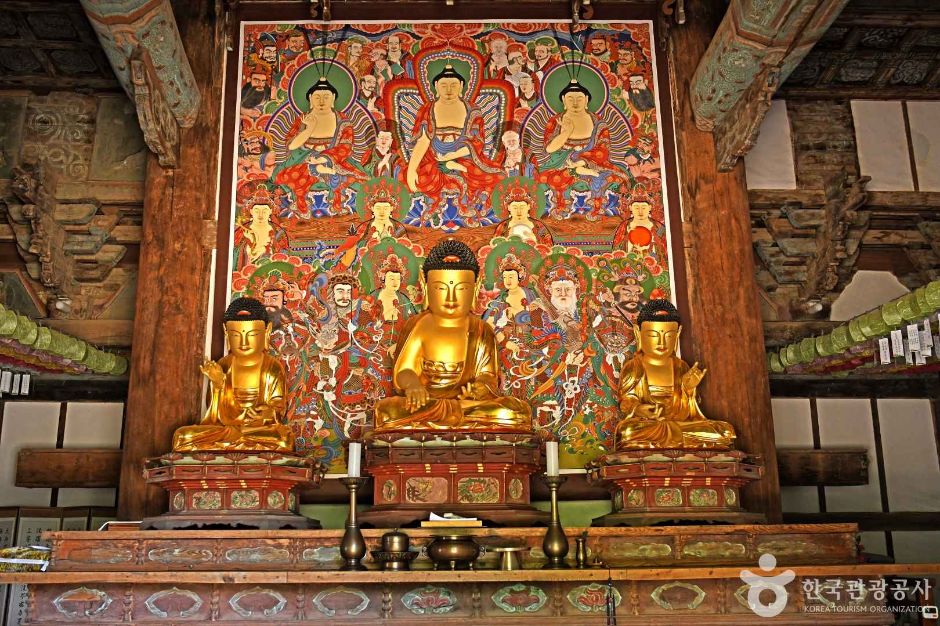
The buildings remaining at Cheonhwangsa (Jinan) currently consist of Daeungjeon as the center, along with Myeongbujeon, Seolseondang, and Yosachae. Among these, the most eye-catching is undoubtedly Daeungjeon. The wooden building, having endured for centuries, exudes an antique beauty and grandeur.
Jeonbuk Special Self-Governing Province Tangible Cultural Heritage No. 17, Daeungjeon
- Pinnacle of Architectural Beauty: A building with a gable roof, three kan on the front and two kan on the sides, boasting a magnificent scale exceeding 120㎡.
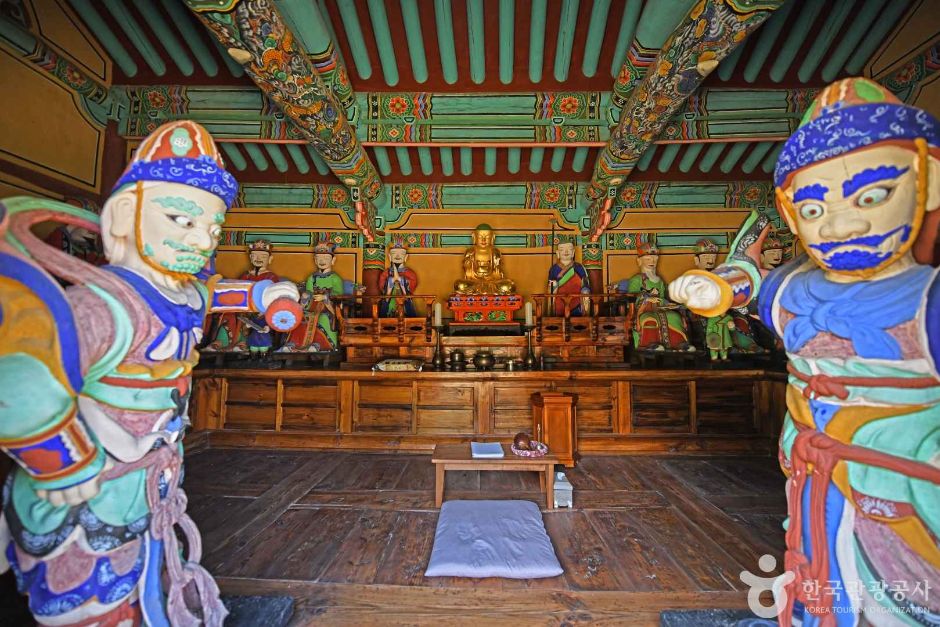
- Symbol of Buddhist Devotion: Inside, the compassionate Shakyamuni Triad is enshrined, and delicately drawn arhat and boy attendant murals on the walls add to the temple’s mysticism.
- Historical Value: Designated as Jeonbuk Special Self-Governing Province Tangible Cultural Heritage No. 17, acknowledging its historical and artistic value.
Footprints of the Sages: Three Stupas
Besides Daeungjeon, artifacts containing the wisdom and footprints of past sages remain throughout Cheonhwangsa. In particular, the three stupas scattered around the temple are important cultural heritage sites that bear witness to Cheonhwangsa’s long history.
- Stupa of Master Myeongbong: The first stupa you encounter at the temple entrance, commemorating the virtues of Master Myeongbong, who taught the Diamond Sutra and spread Buddhist teachings throughout his life.
- Stupa of Master Aeun: Located about 150m from Daeungjeon towards the mountain, its imposing appearance, reaching a height of 170cm, is impressive. This stupa is designated as Jeonbuk Special Self-Governing Province Cultural Heritage Material No. 123, preserving its value.
- Another Stupa: Next to the Aeun stupa, another stupa, 213cm tall, stands quietly, seemingly telling visitors stories of the past.
Around Cheonhwangsa (Jinan): A Feast of Nature and Culture
Jinan, where Cheonhwangsa is located, is a beautiful region that would be a shame to visit just for one temple. Along with the magnificent natural scenery of Gubongsan, Jinan’s unique topography and cultural heritage combine to offer a rich travel experience. After exploring Cheonhwangsa, visit nearby attractions to fully experience the charm of Jinan.
Jinan’s Representative Attractions, Don’t Miss Them
| Nearby Attractions | Features |
|---|---|
| Gubongsan | Jinan’s representative famous mountain embracing Cheonhwangsa, its nine peaks create breathtaking scenery that attracts hikers throughout all four seasons. |
| Maisan | A mystical mountain where two peaks resembling horse ears harmonize with Tapsa Temple. The world’s only mysterious stone pagodas form a magnificent spectacle. |
| Yongdamho | A beautiful artificial lake created by damming the upper reaches of the Geumgang River, it’s perfect for a scenic drive, and the reflections on its calm waters create a peaceful landscape. |
Tips for Enjoying Jinan Cheonhwangsa More Deeply
The thousand-year-old temple Cheonhwangsa (Jinan) is not just a passing tourist spot, but a space for contemplation and healing. Here are some tips to make your time here richer and more meaningful.
Guide for Visitors
- Location and Transportation: It is situated in the foothills of Gubongsan, Garyong-ri, Jeongcheon-myeon, Jinan-gun, Jeonbuk Special Self-Governing Province. When using public transportation, you can take a connecting bus or taxi from Jinan Intercity Bus Terminal, but visiting by private car is more convenient.
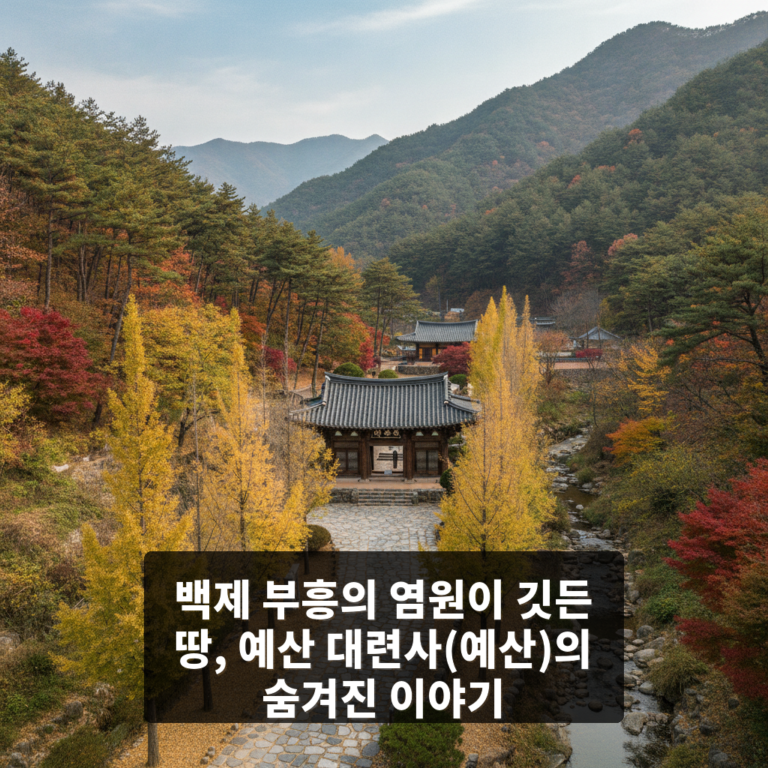
- Best Time to Visit: In spring, you can enjoy the tranquil beauty of the temple along with the fresh greenery of Gubongsan, and in autumn, the spectacular scenery of Gubongsan ablaze with colorful autumn foliage. Especially if you plan to climb Gubongsan, consider the seasonal characteristics.
- Clothing Preparation: Due to the nature of a mountain temple, there may be slopes and stairs, so comfortable shoes and active wear are recommended. If you plan to combine it with a Gubongsan hike, it’s advisable to have appropriate hiking gear.
- Notes: The temple is open to the public free of charge, and there are simple convenience facilities inside. For meals, it is advisable to prepare them in advance or use restaurants in Jinan-eup.
Jinan Cheonhwangsa (Jinan) is not just an old temple, but a living history that has embraced countless stories and aspirations over a thousand years. Amidst your busy daily life, take a moment to pause and find your forgotten inner peace in this place where past and present coexist. The charm of this thousand-year-old temple, encountered within the clear energy of Gubongsan, will surely be a special experience remembered for a long time.
Frequently Asked Questions
Q1. When was Cheonhwangsa (Jinan) founded?
It was founded in the 1st year of Silla King Heongang (875) by National Preceptor Muyeom. In the 19th year of Goryeo King Munjong (1065), it was rebuilt by National Preceptor Uicheon, and later relocated to its current position during the Joseon King Sukjong period.
Q2. What are the characteristics of Cheonhwangsa (Jinan)’s Daeungjeon?
Daeungjeon is Jeonbuk Special Self-Governing Province Tangible Cultural Heritage No. 17, a magnificent gable-roofed building with three kan on the front and two kan on the sides. Inside, the Shakyamuni Triad is beautifully enshrined along with murals of arhats and boy attendants.
Q3. What are the main artifacts at Cheonhwangsa (Jinan)?
A total of three stupas are preserved at the temple. There is Master Myeongbong’s stupa at the temple entrance, Master Aeun’s stupa (Jeonbuk Special Self-Governing Province Cultural Heritage Material No. 123) on the hillside behind Daeungjeon, and one more stupa next to it.
Q4. Where is Cheonhwangsa (Jinan) located and how do I get there?
It is located in Gubongsan, Garyong-ri, Jeongcheon-myeon, Jinan-gun, Jeonbuk Special Self-Governing Province. When using public transportation, it is convenient to connect to local transportation from Jinan Intercity Bus Terminal or use a private car.
Q5. What attractions are there around Cheonhwangsa (Jinan)?
In addition to Gubongsan, where Cheonhwangsa is located, nearby attractions include Maisan and Tapsa, Jinan’s landmarks, and the beautiful Yongdamho, making it a great place to explore. It is a place where you can experience nature and history simultaneously.