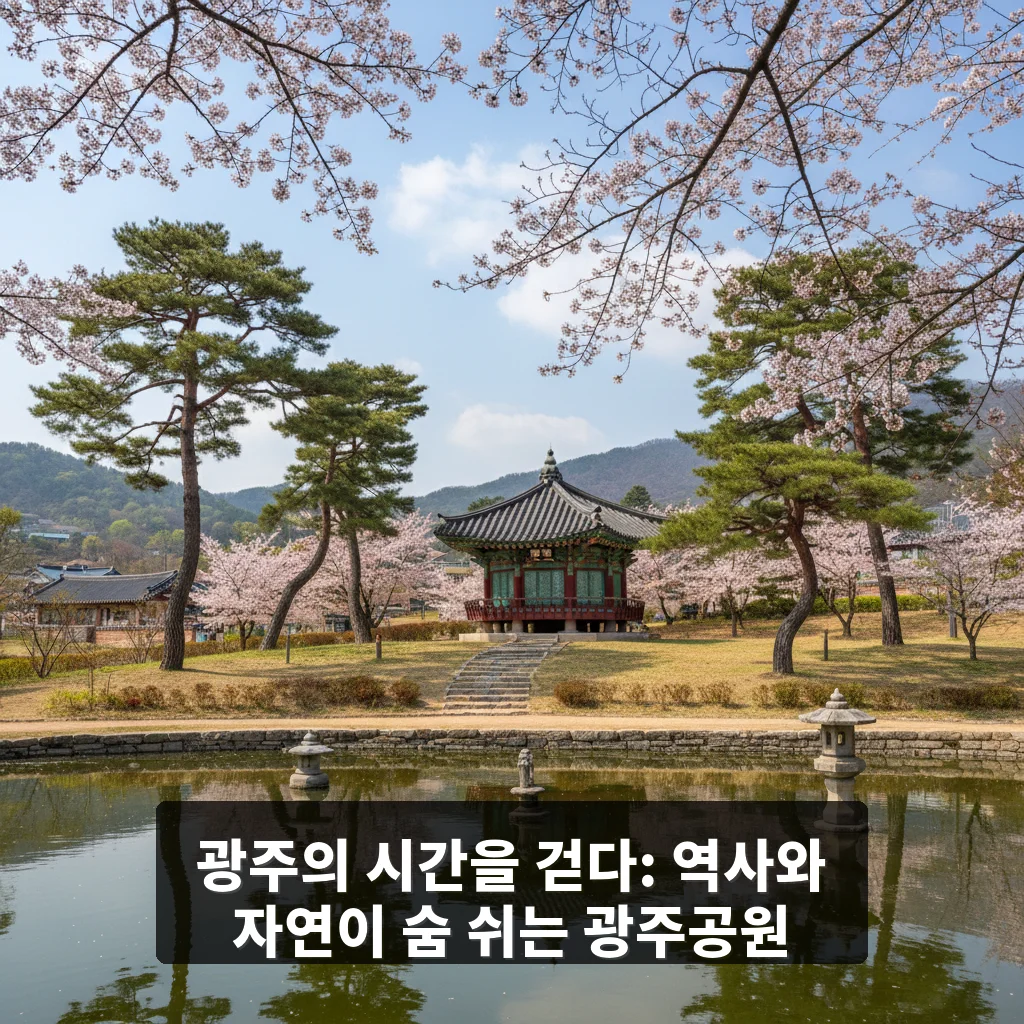
Walking Gwangju’s Time: Gwangju Park where history and nature breathe


Have you ever imagined a place in the heart of the city where tranquil nature and the breath of deep history harmonize? Even amidst a busy daily life, there is a special place where you can pause, reflect on times past, and enjoy a green respite. This is Gwangju Park, an old friend of Gwangju citizens and a living history textbook of the city.
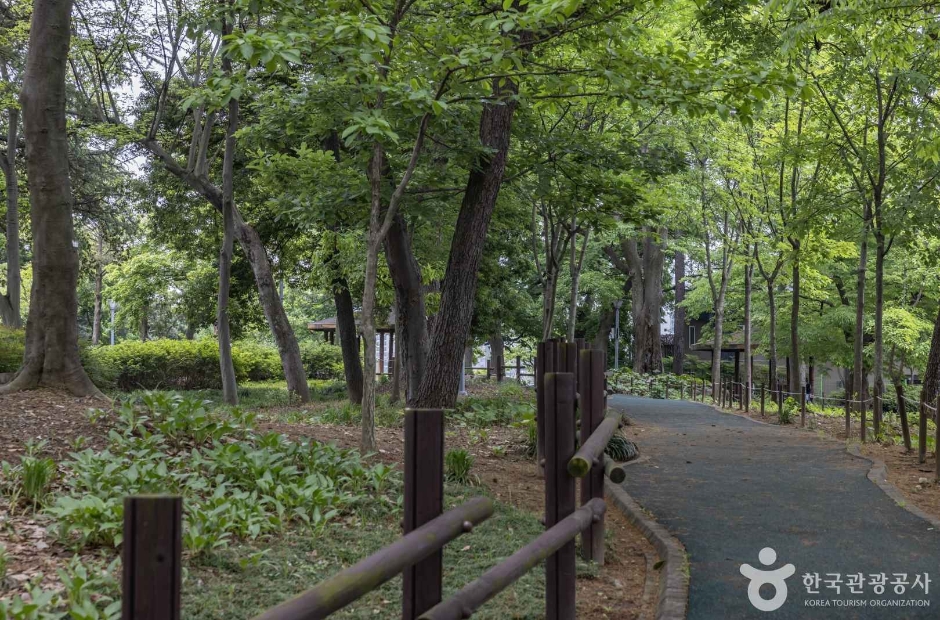
Designated as Gwangju’s first city park, this place is more than just a resting area; it is a treasure-like location encompassing everything from Joseon Dynasty hyanggyo (Confucian schools) to the pains of modern and contemporary history and Hope. The beautiful landscaping spread across the turtle-shaped terrain and the natural scenery that changes with each season make the footsteps of walkers even more varied and vibrant.
A Space Forged by Time, Into Gwangju Park
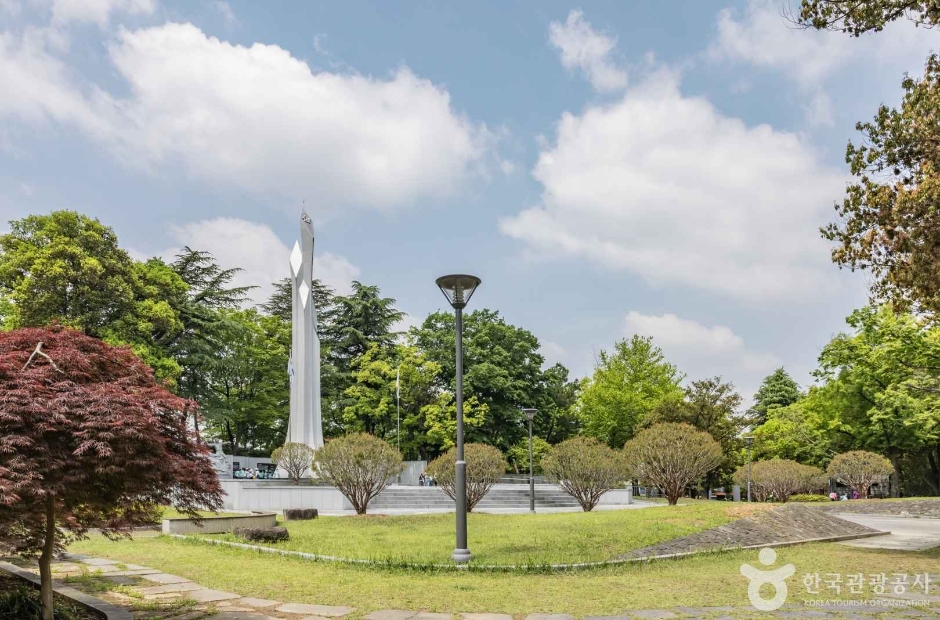
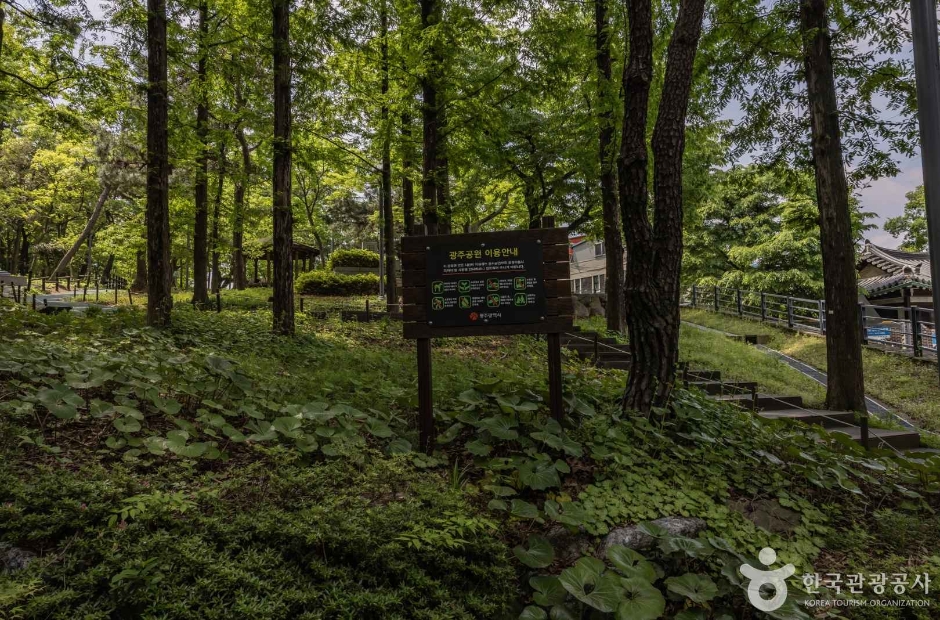
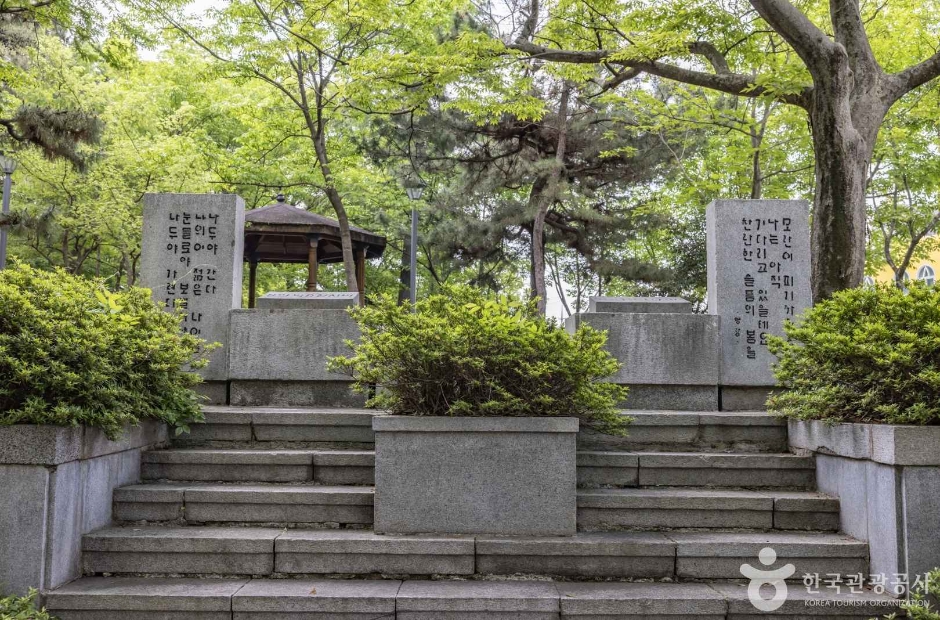
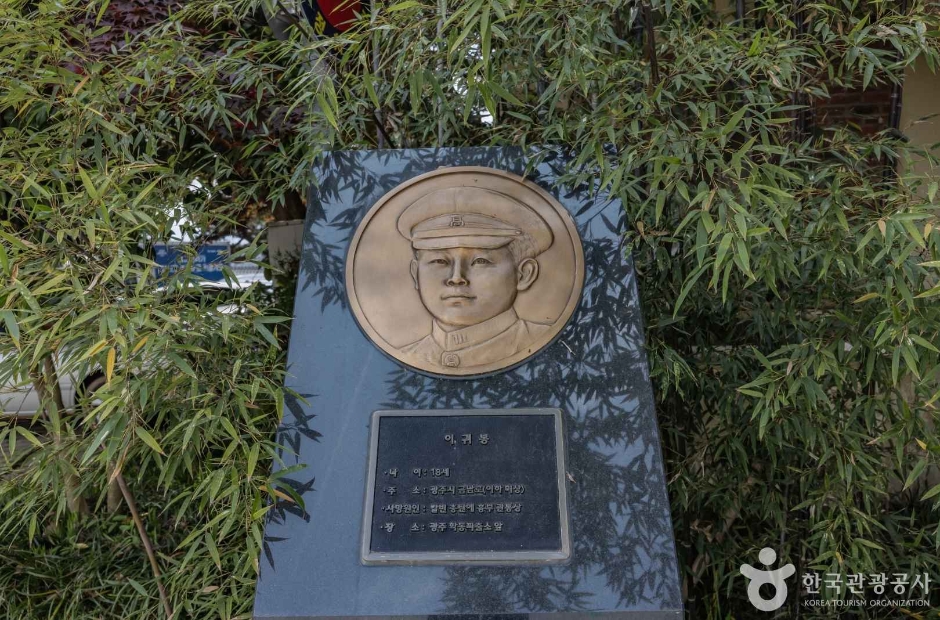
Gwangju Park is Gwangju City’s first urban park, a beloved resting place for citizens and a site of significant historical importance. The moment you step here, you can feel the tranquil scent of tradition and stories of modern and contemporary times washing over you simultaneously. The Joseon Dynasty hyanggyo remaining intact on the hillside allows a glimpse into the wisdom of our ancestors, and the Gwangju Moksa Seonjeongbigun (Commendation Stele Group for Gwangju Governors) lined up beside it silently testifies to the traces of history.
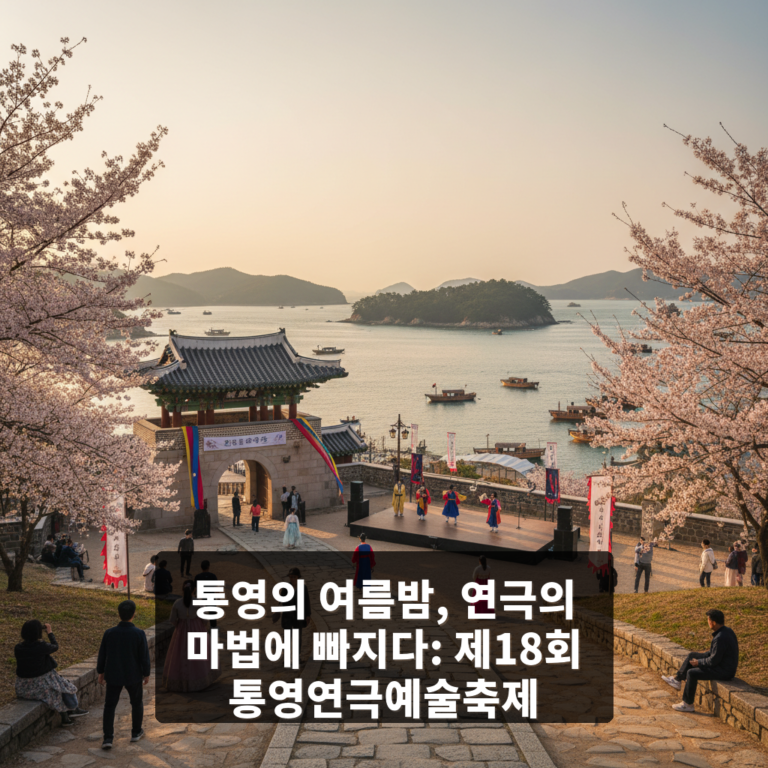
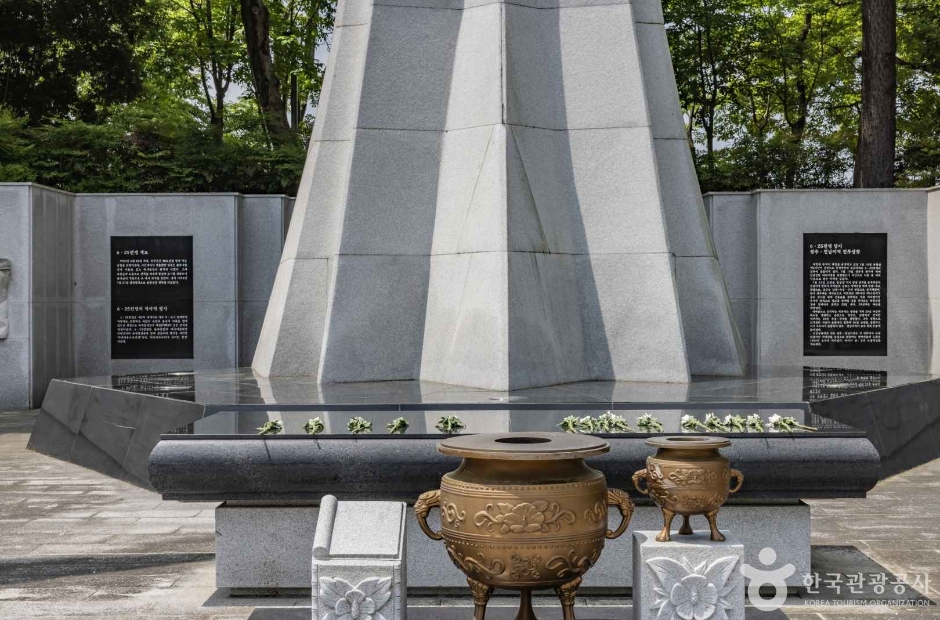
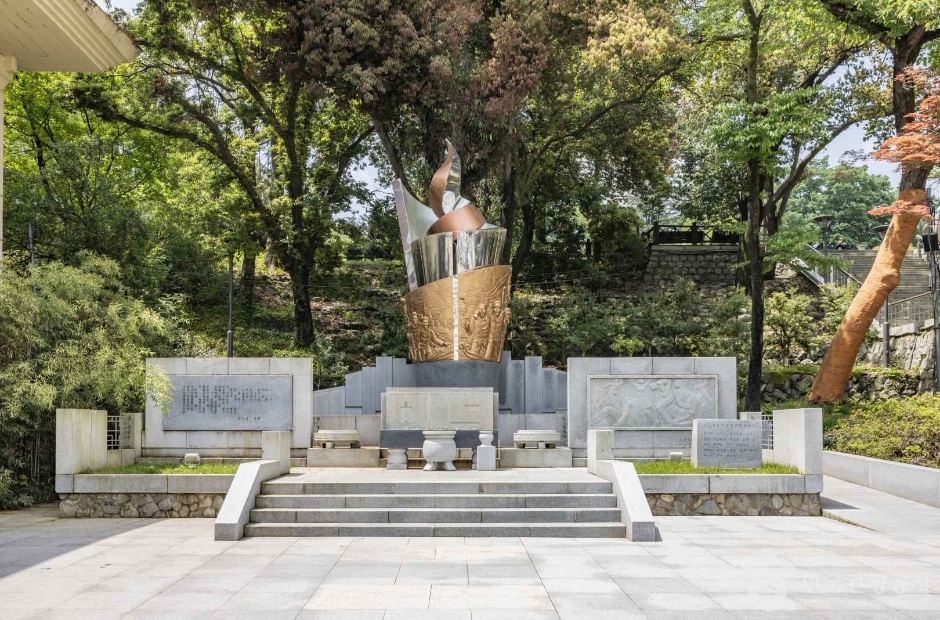
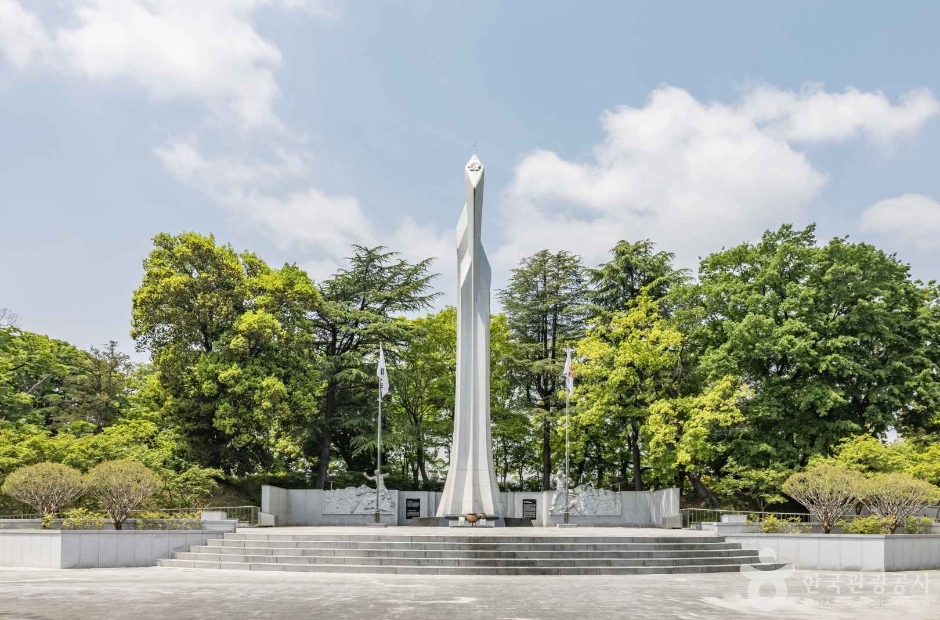
In the center of the park, the 4·19 Uprising Memorial Tower for Sacrificed Spirits and the Memorial Tower are located, commemorating the noble spirit of those who dedicated themselves to the homeland. The spacious open ground extending from the Memorial Tower becomes a place where citizens can comfortably sit, reflect, and rest. The Citizens’ Hall, built in 1971, is another face of Gwangju Park. Gwangju Park is shaped like a turtle, a symbol of longevity, and its landscaping, adorned with diverse trees and flowers, offers visitors the joy of beautiful nature. Especially in mid-April each year, the cherry blossoms in full bloom turn the entire park pink, creating a spectacular scene.
Gwangju Park, Following Historical Footprints
- Gwangju Hyanggyo As a Joseon Dynasty educational institution, it is a tranquil space where you can experience the essence of Confucian culture. Exploring it with a guide can lead to a deeper understanding.
- Gwangju Moksa Seonjeongbigun These are steles commemorating the excellent governance of Gwangju’s governors during the Joseon Dynasty, allowing a glimpse into the traces of countless individuals who passed through this place. Imagine the stories contained within each stele.
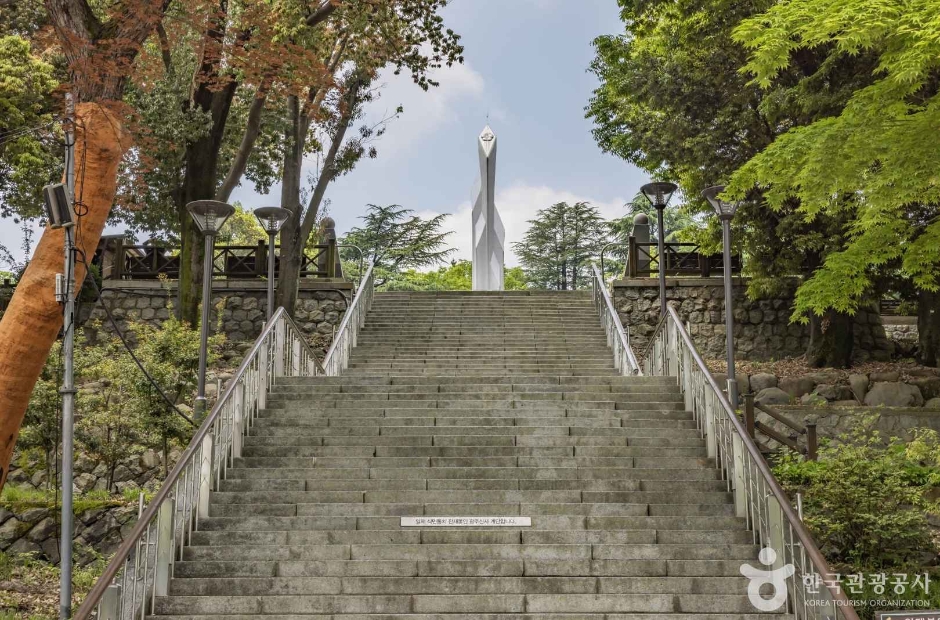
- 4·19 Uprising Memorial Tower for Sacrificed Spirits and Memorial Tower This is a place commemorating the spirit of the 4·19 Revolution, a crucial turning point in the development of South Korean democracy, and the souls of the fallen patriots. You can pay your respects with a solemn heart and reflect on its meaning.
Beyond the Park, Into Gwangju’s Diverse Charms
The area around Gwangju Park is adjacent to several representative attractions of Gwangju, making it an ideal starting point for a park outing combined with diverse experiences. The clear Gwangjucheon Stream flows in front of the park, adding to the charm of a stroll, and various attractions are located within easy reach by foot or public transportation.
Suggested Nearby Courses to Enjoy According to Your Taste
Klook.com| Theme | Nearby Attractions | Recommended Activities |
|---|---|---|
| Culture and Art Exploration | Asia Culture Center | Asian contemporary art exhibitions, various cultural event viewing |
| Traditional Market Experience | Yangdong Market | Gwangju’s vibrant market scenery, delicious food exploration |
| Relaxation in Nature | Sajik Park, Gwangjucheon Stream | Leisurely stroll, enjoying Gwangju’s panoramic view, bicycle riding |
| Historical Tour | O World Park, Gwangju Hyanggyo | Modern and contemporary history site exploration, traditional culture experience |
Directions to Gwangju Park
Located in downtown Gwangju, its accessibility is excellent. You can arrive conveniently using public transportation, and with nearby bus stops and subway stations, you can easily visit by any means.
Tips for Enjoying Gwangju Park More Deeply
Gwangju Park, where you can slowly walk and enjoy nature and history, offers more than just the pleasure of walking. Knowing a few tips before your visit can help you have an even richer experience.
Checklist You Shouldn’t Miss
- Enjoy Seasonal Scenery Cherry blossoms are beautiful in spring, and autumn leaves in fall. The cherry blossoms in mid-April, especially, are a must-see spectacle.
- Utilize Historical Interpretation Programs Participate in cultural heritage interpretation programs offered at hyanggyo and other sites to deeply learn about the historical significance of Gwangju Park. These are often provided free of charge.
- Stroll along Gwangjucheon Stream After visiting the park, add a walking course along Gwangjucheon Stream. You can enjoy nature in the city center and find healing.
- Combine with Visits to Nearby Markets It’s also good to visit nearby markets like Yangdong Market to experience Gwangju’s flavors and atmosphere. You can even add the joy of a gourmet trip.
- Comfortable Clothing and Shoes Comfortable shoes and clothing are essential for exploring the vast park and its surroundings. Don’t forget to bring enough water.
Gwangju Park is a place where rest and learning coexist. Escape from your busy daily life for a moment and create your own special story in this place that connects Gwangju’s past and present. This green sanctuary, found in the heart of the city, will provide you with unforgettable memories.
Frequently Asked Questions
Q1. What is the admission fee for Gwangju Park?
Gwangju Park is an urban park for citizens, always open free of charge without a separate admission fee. You can visit anytime to freely enjoy the park’s beauty and history.
Q2. Are there parking facilities within Gwangju Park?
The park’s own parking lot is not large, so public transportation is recommended. If you must use a private car, you may need to use nearby paid parking lots.
Q3. When do the cherry blossoms in Gwangju Park bloom?
The cherry blossoms in Gwangju Park usually reach full bloom and peak around mid-April each year. The exact timing can vary depending on the weather, so it’s advisable to check announcements from Gwangju City or relevant organizations before your visit.
Q4. Is it a good place to visit with children?
Yes, Gwangju Park is an excellent place to visit with children. They can play in the spacious open grounds or explore historical sites, gaining a natural educational experience. Please ensure safety and have a pleasant time.
Q5. Are there places to eat around Gwangju Park?
Around Gwangju Park, various restaurants and cafes line Gwangjucheon Stream, and particularly in the nearby Yangdong Market, you can taste diverse local dishes representing Gwangju, ensuring a delightful time without worrying about meals.
 Love Korea? Promote it & Earn.