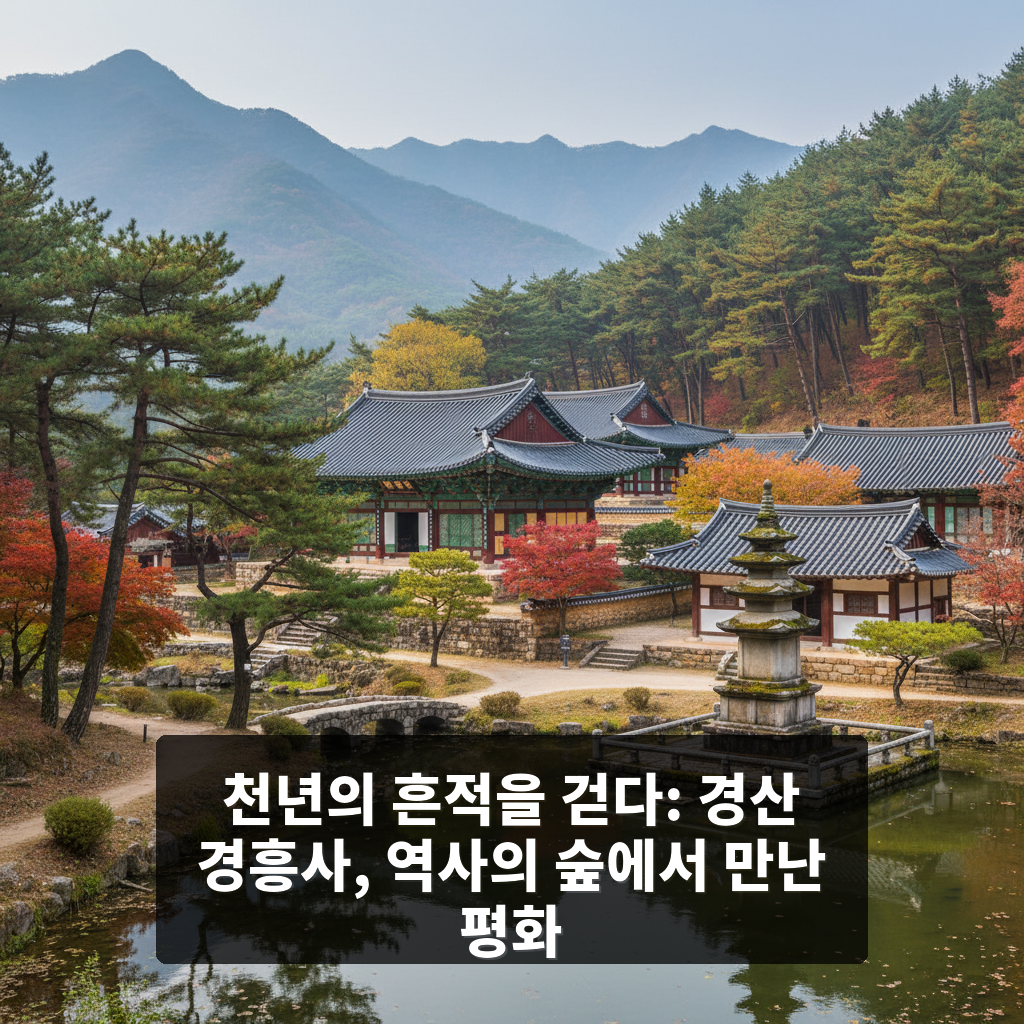
Walking the Traces of a Thousand Years: Gyeongsan Gyeongheungsa, Peace Encountered in the Forest of History


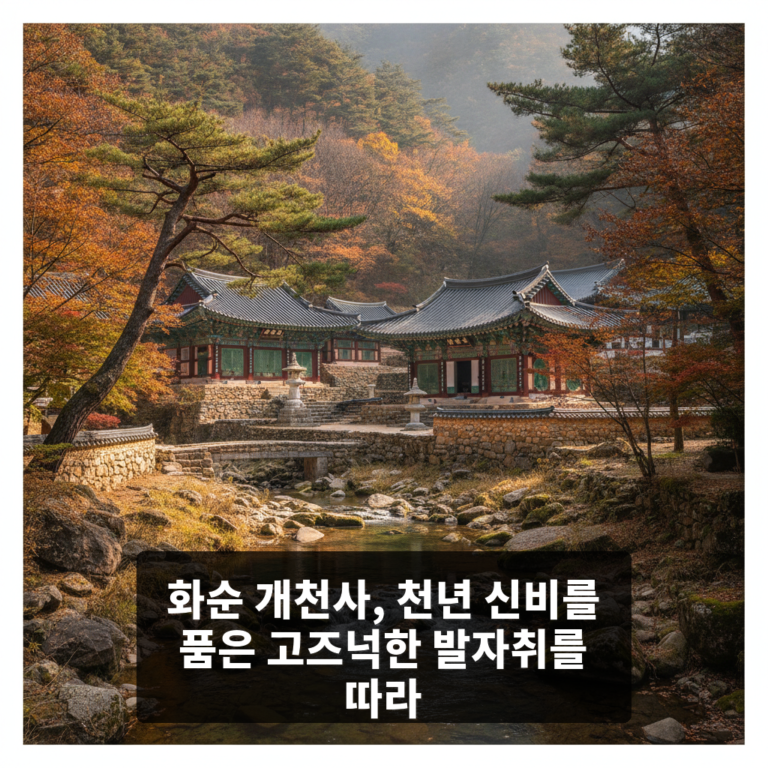
In the deep foothills of Donghaksan Mountain in Gyeongsan, lies a tranquil temple, Gyeongheungsa, which holds countless stories and a painful history. Since its founding over 1,300 years ago, it has quietly endured wars and reconstructions, making it a special place where past glory and present tranquility coexist.
Though it seems forgotten by us, Gyeongheungsa (Gyeongsan) was once a large temple where dozens of scholarly monks resided and practiced. What are its hidden historical values and the message of peace it conveys to us today? Let’s embark on a journey to uncover the beauty unearthed from the layers of time.
The Immortal Spirit Blossoming Amidst the Flames of War
Gyeongheungsa, founded in 659 AD by Hyejong Daesa of Silla, has been intertwined with the turbulence of history since its inception. While records from the early Joseon period are unfortunately lost, the account of Master Yujeong (Samyeong Daesa) staying here during the Imjin War suggests the temple’s significant status. However, it could not escape the ravages of war, and tragically, it was soon consumed by fire and destroyed.
A Record of Reconstruction Rising from the Ruins
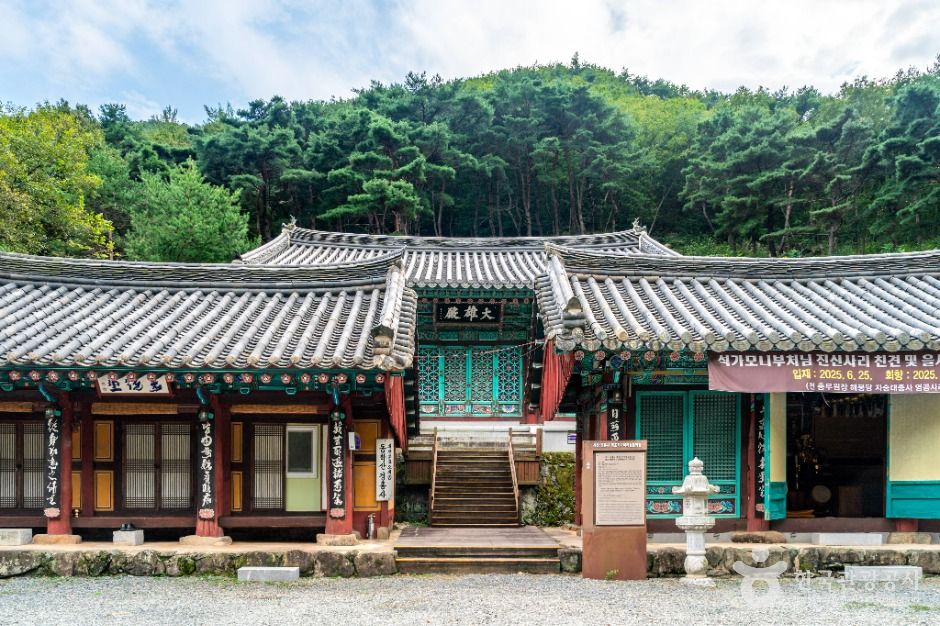
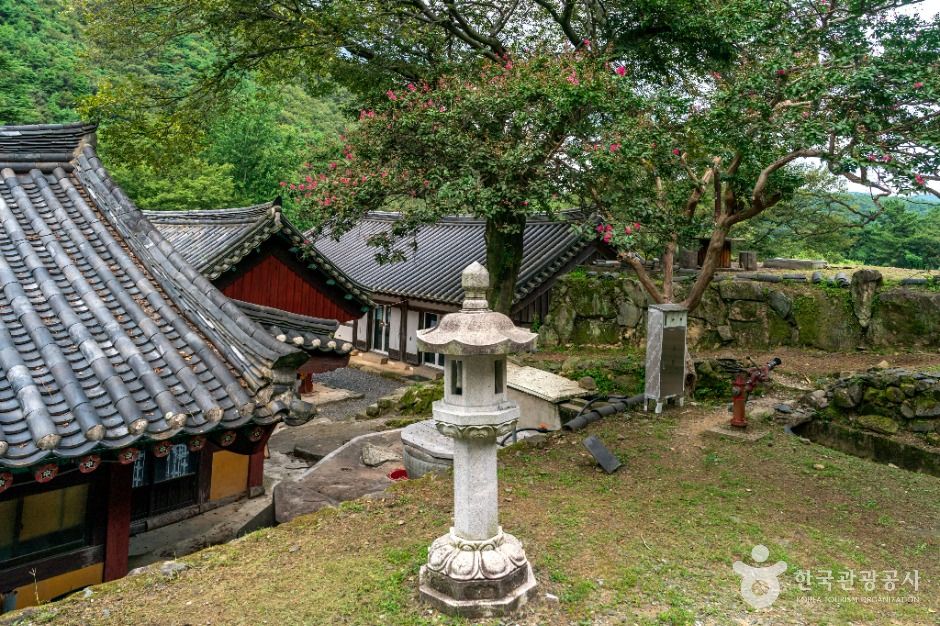
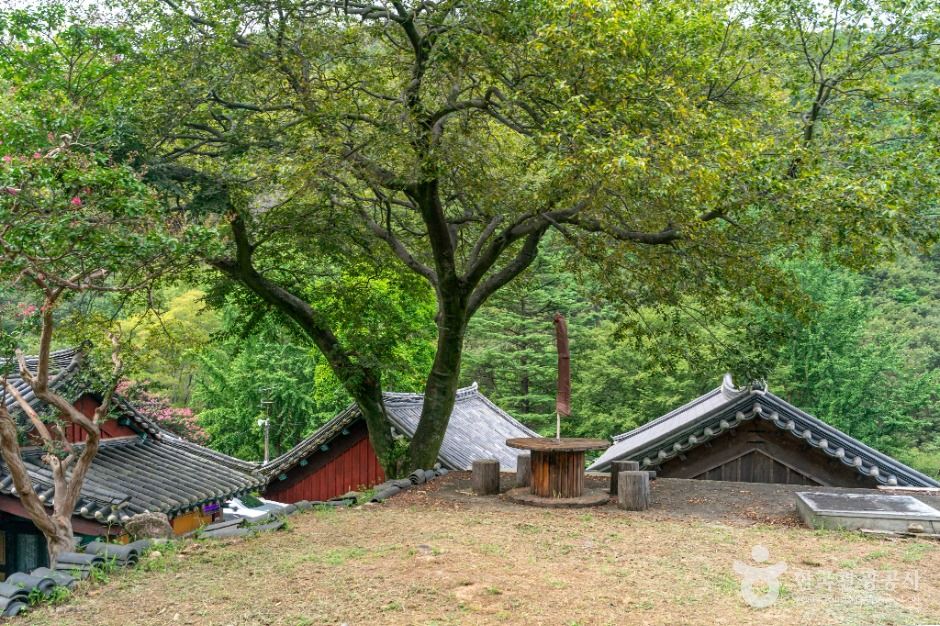
The temple, reduced to ashes, rose again from despair. Yonkyu Seunim (monk) from Gapsa Temple on Gyeryongsan Mountain sowed the seeds of restoration by creating a Buddhist statue, and later, through the reconstruction by Kim Sasook Seunim (monk) in 1897, it acquired its present appearance. In this way, Gyeongheungsa (Gyeongsan) has become a living witness to history, representing indomitable will and faith through continuous destruction and reconstruction.
A Haven for Scholarly Monks in the Late Goryeo Dynasty
- Vast Scale: Beyond the existing buildings, relics scattered throughout the temple grounds prove that it was once a very large temple.
- Dozens of Scholarly Monks: Even until the late Joseon Dynasty, it was a center of learning and practice where dozens of scholarly monks resided and studied Buddhist teachings.
Shining Treasures Forged by Time
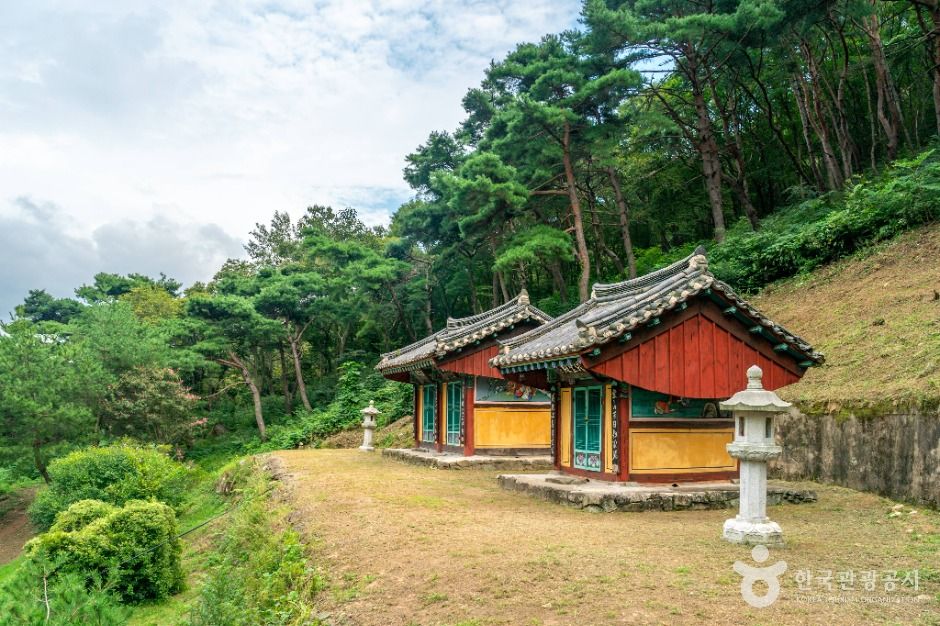
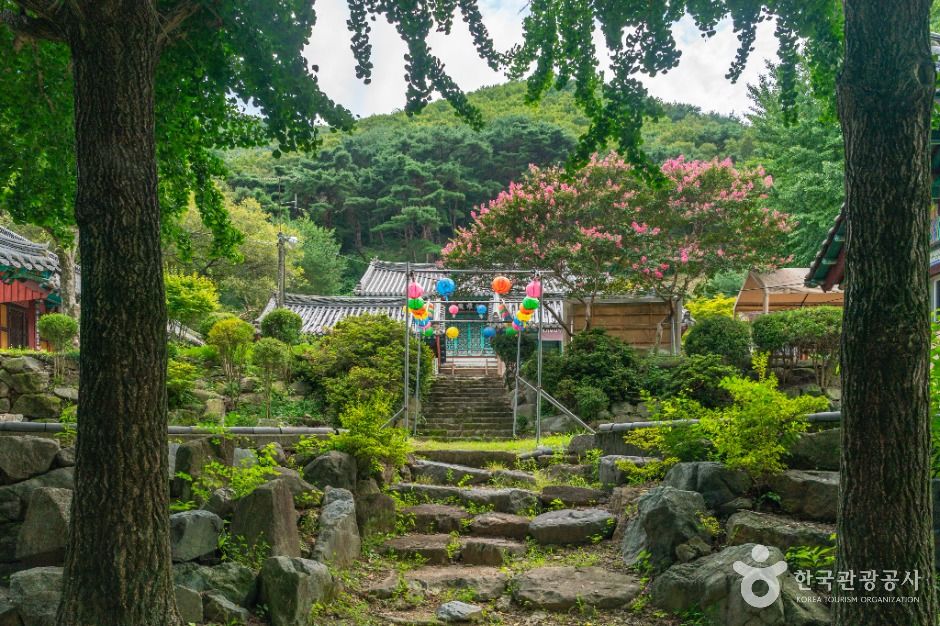
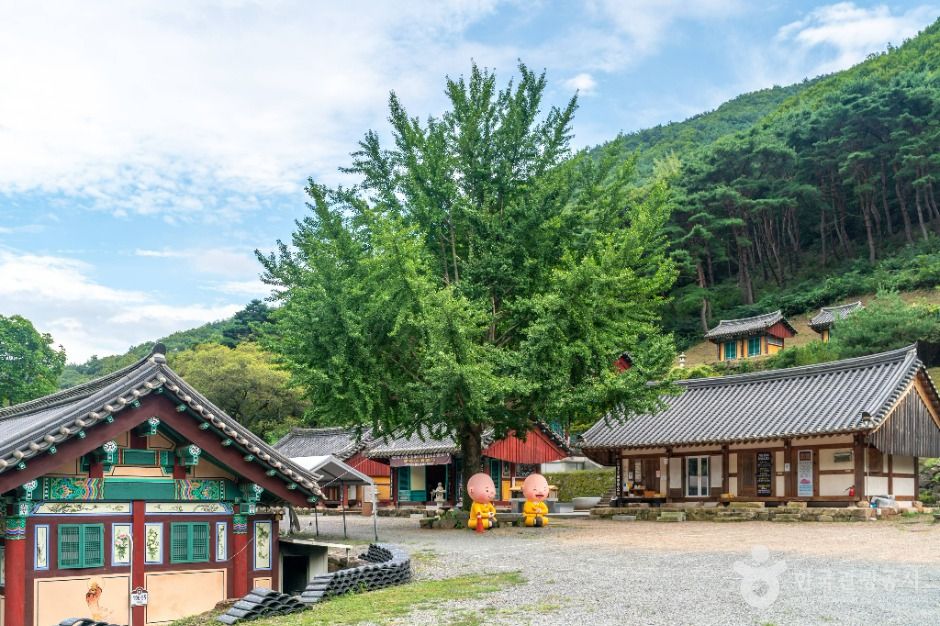
Gyeongheungsa is more than just a temple; it is like a treasure trove containing the essence of brilliant Buddhist art. The existing Daeungjeon, Chilseonggak, Sansingak, and other structures, as well as precious cultural heritage designated as treasures, add to its profound depth.
National Treasure No. 1750, Wooden Seated Sakyamuni Buddha Triad
The ‘Wooden Seated Sakyamuni Buddha Triad,’ enshrined in the Daeungjeon, is a representative treasure of Gyeongheungsa. This Buddha statue, distinguished by its delicate and beautiful carving techniques, features Sakyamuni Buddha at the center with attendant bodhisattvas placed on either side, showcasing the essence of Buddhist art. Its antique beauty, enduring through time, evokes a sense of reverence.
Sumi-dan (Buddhist Altar) Fragments Containing a Mysterious World
Designated as Gyeongsangbuk-do Cultural Heritage Material No. 555, the ‘Sumidan Fragments’ are also an indispensable treasure. Sumi-dan refers to a pedestal for enshrining a Buddha statue, modeled after Mount Sumeru, the imaginary mountain believed to be the center of the world in Buddhism. Gyeongheungsa’s Sumi-dan fragments are more than just functional supports for Buddha statues; they are valuable materials that offer a glimpse into the Buddhist worldview and the level of decorative art at the time.
- Meaning of Sumi-dan: It is a symbolic structure that condenses the Buddhist cosmology and sometimes represents the appearance of Sukhavati (Pure Land).
- Detailed Carvings: One can feel the artisan’s breath and Buddhist devotion in each pattern carved into the fragments.
Guide for Visitors to Gyeongheungsa (Gyeongsan)
The tranquil Gyeongheungsa (Gyeongsan) offers peaceful respite to modern people tired of daily life. Set aside complex thoughts for a moment and feel the energy of this thousand-year-old temple.
Directions to Gyeongheungsa
Located on Donghaksan Mountain in Gyeongsan, it is more convenient to use a personal car than public transportation. You can find the exact location by searching for ‘Gyeongheungsa’ on your navigation system. As it is nestled in the mountains, we recommend a leisurely visit while enjoying the surrounding scenery.
Tips to Know Before Visiting
- Trail Maintenance: The path up the mountain is relatively well-maintained, but it is advisable to wear comfortable shoes.
- Respect Tranquility: Temples are places of practice, so please maintain quietness and be careful not to disturb other visitors or monks.
- Nearby Attractions: Visiting in conjunction with other historical sites or natural landscapes in Gyeongsan can make for a richer trip. (e.g., Samseonghyeon History & Culture Park, Gatbawi on Palgongsan Mountain, etc.)
- Admission Fees and Hours: Operating policies may vary by temple, so it is advisable to check official websites or related information before visiting. Generally, many are open free of charge.
Gyeongheungsa, a Message for Us Living Today
The history of Gyeongheungsa, which has persistently maintained its vitality through countless trials, resonates deeply with us. Along with the artistic value held by its treasures, the peaceful energy felt in the quiet temple allows us to momentarily empty our busy minds and reflect on ourselves.
Why not experience a special blend of history and nature, feeling the breath of a thousand years at Gyeongheungsa (Gyeongsan), the hidden gem of Gyeongsan? The wisdom of the past will provide great comfort and inspiration to us living today.
Frequently Asked Questions
Q1. When was Gyeongheungsa founded?
Gyeongheungsa is known to have been founded in 659 AD, during the Silla period, by Hyejong Daesa. It is an ancient temple with over a thousand years of deep history.
Q2. What cultural heritage items are there at Gyeongheungsa?
Gyeongheungsa houses National Treasure No. 1750, the Wooden Seated Sakyamuni Buddha Triad, and Gyeongsangbuk-do Cultural Heritage Material No. 555, Sumi-dan fragments. Additionally, various other Buddhist relics remain.
Q3. What should visitors be aware of when visiting Gyeongheungsa?
As temples are places of practice, please maintain quietness and be careful not to disturb other visitors or monks. Also, as it is located in the mountains, comfortable shoes are recommended.
Q4. What does Sumi-dan mean?
Sumi-dan refers to a pedestal for enshrining a Buddha statue, modeled after ‘Mount Sumeru,’ the imaginary mountain believed to be the center of the world in Buddhism. It embodies the essence of Buddhist cosmology and decorative art.
Q5. Are there any other places to visit around Gyeongheungsa?
In Gyeongsan, besides Gyeongheungsa, there are various attractions where you can experience history and nature, such as Samseonghyeon History & Culture Park and Gatbawi on Palgongsan Mountain. Plan a richer trip by visiting them together.