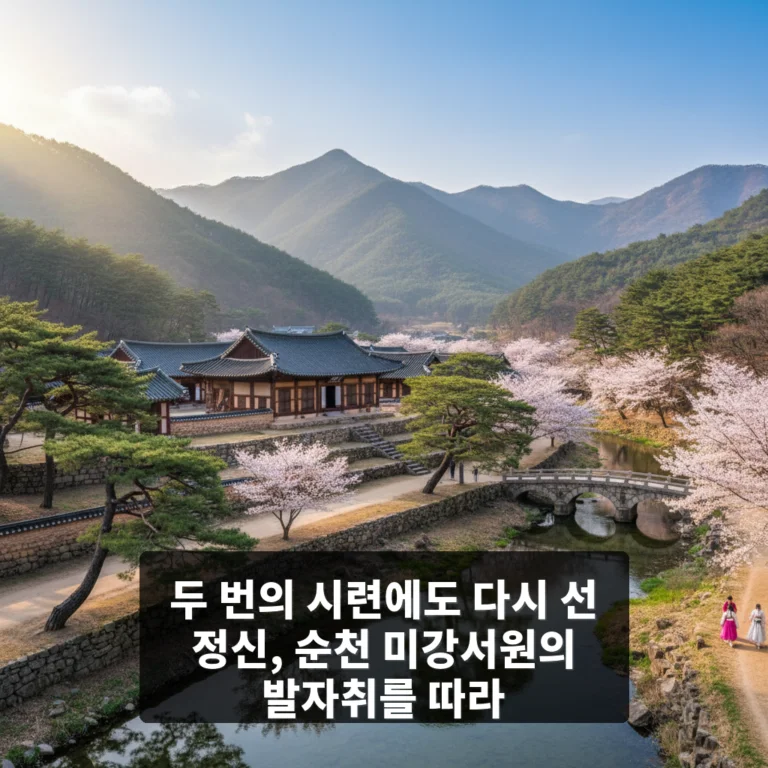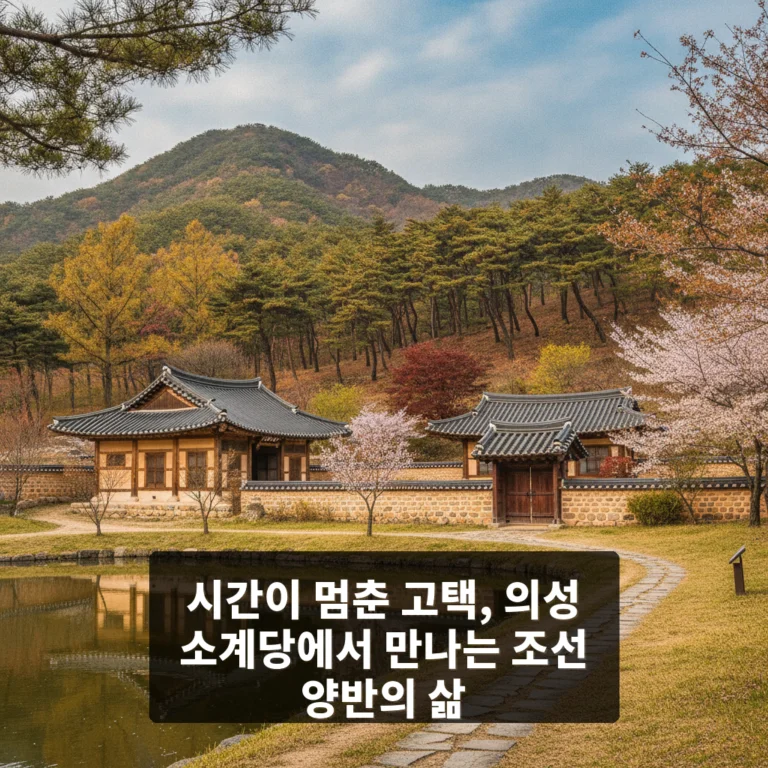
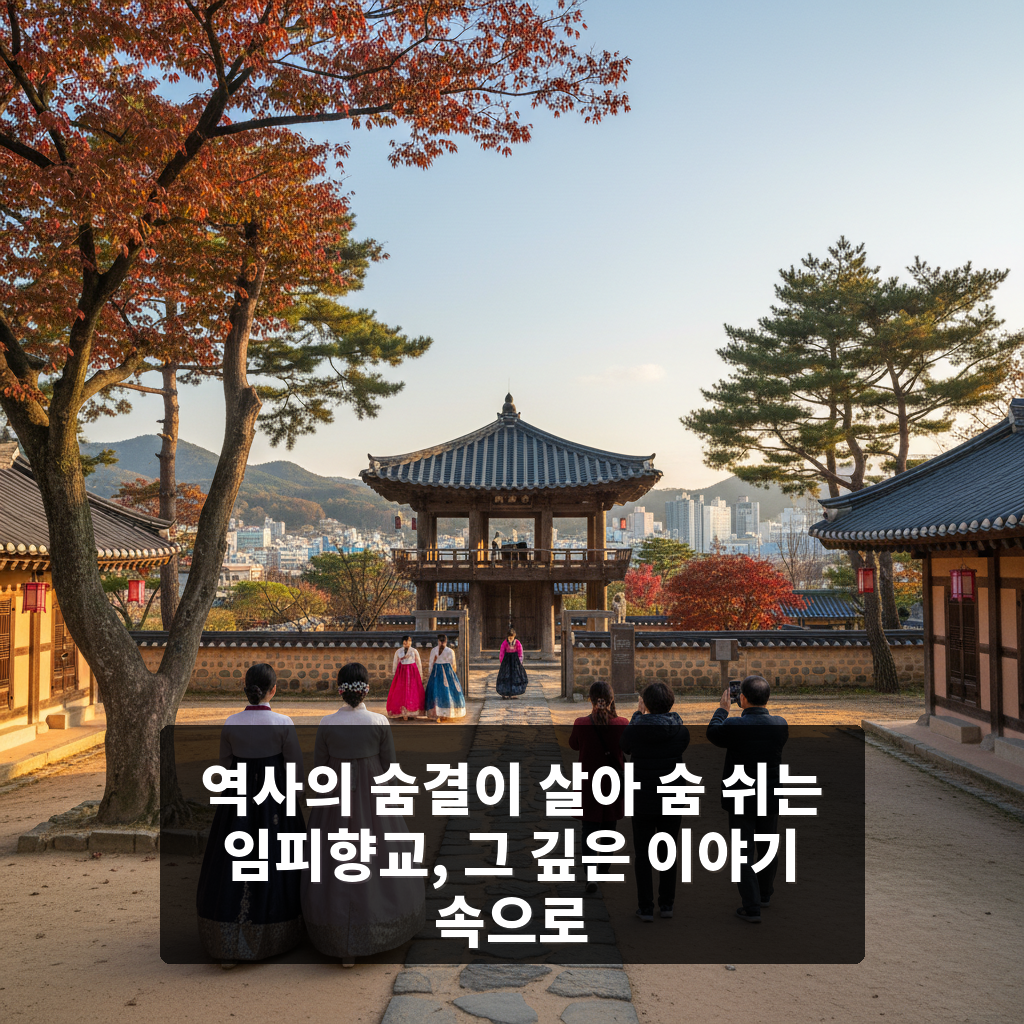
Into Impi Hyanggyo, where the breath of history lives, and its deep stories.


When you step into this tranquil space, where layers of time have accumulated, you often feel as if you’ve traveled back in time. Impi Hyanggyo in Gunsan, Jeonbuk, is a living legacy that quietly endured turbulent times.
Shall we embark on a journey together to discover the hidden stories and the meaning this Hyanggyo, first established during the reign of King Taejong of Joseon, holds to this day?
Back in time: The history of Impi Hyanggyo’s genesis and reconstruction
First opened in Heuksan-ri in 1403 (3rd year of King Taejong’s reign), Impi Hyanggyo was an important center for Confucian education during the Joseon Dynasty. After being destroyed during the Imjin War, its reconstruction in 1630 demonstrated an indomitable spirit.
A place of learning reborn with an immortal will
- Establishment 1403 (3rd year of King Taejong’s reign), the tradition of the Confucian literati began in Heuksan-ri.
- Reconstruction Destroyed amidst the bombardment of the Imjin War, it was rebuilt in 1630.
- Relocation 1710, moved to its current location, a historical flow that continues to this day.
Architecture embodying wisdom: The spatial aesthetics of Impi Hyanggyo
Impi Hyanggyo, Jeollabuk-do Cultural Heritage Material No. 95, harmoniously combines a solemn ancestral ritual space and a lecture hall for academic study. Its southeast-facing layout faithfully follows the traditional Hyanggyo architectural style.
Commemorating the spirit of the sages: The solemnity of Daejeongjeon
Klook.com- Daejeongjeon A gable-roofed building with 3 bays in the front and 3 bays on the sides, enshrining the spirit tablets of Confucian sages, including Confucius.
- Ritual Performance Here, solemn rituals honoring the sages are performed every spring and autumn.
Myeongnyundang and the lecture halls, where the flowers of scholarship bloomed
- Myeongnyundang A hip-and-gable roof building with 5 bays in the front and 2 bays on the sides, it was the core space where Confucian students studied and held discussions.
- Dongjae/Seojae/Heunghakdang To the left and right of Myeongnyundang are Dongjae and Seojae, where Confucian students resided and devoted themselves to their studies, and Heunghakdang, where educational activities took place.
- Jeonhak-humyo It showcases the beauty of the typical ‘Jeonhak-humyo’ (前學後廟) style, with the ancestral ritual space located in the north and the lecture hall in the south.
A bridge connecting past and present: The living value of Impi Hyanggyo
Impi Hyanggyo, once the cradle of Confucian education, continues to serve as an important cultural education venue for the local community today. It is not merely an old building, but a living educational site.
The Hyanggyo’s new transformation in line with the times
- Operating Body Currently operated under the leadership of Jeonkyo Jo Seok-gyu, efforts continue to preserve the Hyanggyo’s tradition and spirit.
- Educational Role During school breaks, etiquette education for youth is provided, emphasizing the importance of character education even in rapidly changing times.
- Community Contribution It operates various cultural programs and lectures for residents, contributing to enhancing local pride and promoting cultural exchange.
| Category | Main Role |
|---|---|
| Past (Joseon Dynasty) | Ancestral rituals for Confucian sages and education of Confucian students (lectures) |
| Present | Preservation of Confucian culture, etiquette education for youth, local cultural education |
Directions to Impi Hyanggyo: The beginning of a tranquil journey
Nestled in the tranquil embrace of Jeollabuk-do, Impi Hyanggyo is the ideal place to pause from a busy daily life and savor the scent of history. It is recommended to check the specific location via Google Maps and travel at a leisurely pace, enjoying the surrounding scenery.
Visiting tips for a tranquil experience
- Check Opening Hours The Hyanggyo is generally open, but access may be restricted during special events or educational programs, so it is advisable to check before visiting.
- Quiet Observation As it is a Confucian cultural space, it is important to observe respectfully and quietly with a reverent heart. Please also pay careful attention to the protection of historical buildings and artifacts.
- Leisurely Stroll Take your time to wander inside and around the Hyanggyo, tracing the footsteps of past ancestors, and immerse yourself in contemplation amidst the tranquil atmosphere.
- Caution When Taking Photos While capturing beautiful scenery is enjoyable, it is important to take photos courteously so as not to disturb other visitors.
Beyond Impi Hyanggyo: Hidden stories of Jeonbuk
After exploring Impi Hyanggyo, it is recommended to also explore the rich history and culture of the surrounding area. There are many places in and around Gunsan and Jeollabuk-do that are just as full of interesting stories as Impi Hyanggyo.
Jeonbuk travel where history and nature harmonize
- Gunsan Modern History Street A place where you can experience traces of modern history, different from the Hyanggyo, offering the joy of time travel.
- Geumgang Migratory Bird Observatory A place to enjoy peaceful relaxation amidst the beauty of nature and complete a time of historical contemplation.
- Iksan Mireuksa Temple Site An ancient temple site where you can glimpse the essence of Baekje culture and directly experience the grandeur of ancient architectural technology and Buddhist art.
- Gochang Eupseong Fortress Feel the breath of history within this sturdy fortress from the Joseon Dynasty and enjoy the expansive views.
Frequently Asked Questions
Q1. When was Impi Hyanggyo first built?
Impi Hyanggyo was first built in Heuksan-ri in 1403 (3rd year of King Taejong’s reign). After being destroyed during the Imjin War, it was reconstructed in 1630 and relocated to its current site in 1710, continuing its history for over 600 years.
Q2. What are the main buildings of Impi Hyanggyo?
The main buildings include Daejeongjeon, which enshrines the spirit tablets of Confucius and other sages, and Myeongnyundang, where Confucian students pursued their studies. Additionally, Dongjae, Seojae (student dormitories), and Heunghakdang (educational hall) are harmoniously arranged.
Q3. What is Impi Hyanggyo currently used for?
It is currently operated under the leadership of Jeonkyo Jo Seok-gyu and actively utilized as a local cultural education venue, including etiquette education for youth during school breaks. It plays an important role in preserving tradition while creating modern value.
Q4. Are there any special precautions when visiting Impi Hyanggyo?
As it is a Confucian cultural space, visitors should observe respectfully and quietly with a reverent heart, and pay careful attention to cultural heritage protection. It is advisable to check the Hyanggyo’s opening hours or any special events before visiting.
Q5. What are some recommended places to visit around Impi Hyanggyo?
The areas of Gunsan and Jeollabuk-do offer a wealth of diverse historical sites and natural attractions that can be visited in conjunction with Impi Hyanggyo, such as Gunsan Modern History Street, Geumgang Migratory Bird Observatory, Iksan Mireuksa Temple Site, and Gochang Eupseong Fortress.
 Love Korea? Promote it & Earn.