
The life of a Joseon nobleman, encountered at Sogyedang in Uiseong, an old house where time stands still


When longing for the tranquil charm of a traditional Korean house, many travelers embark on a journey to find a quiet space, as if time itself has stood still. In Uiseong, Gyeongbuk, lies the old traditional house, **Uiseong Sogyedang**, built in the 1800s. Like a living history textbook, this place fully encapsulates the residential culture and lifestyle of the Joseon Dynasty Yangban of the Yeongnam region.
Visiting this place offers more than just a glimpse of an old house; it allows you to have a mysterious Experience as if embarking on a time journey into a space imbued with the spirit of an era and the philosophy of scholars. What stories does Uiseong Sogyedang hold, with its unique charm where past and present coexist within layers of history?
The architectural beauty that retains dignity within simplicity, and the spatial arrangement revealing the wisdom of our ancestors, resonate deeply with us even today. Now, let’s open the doors of Uiseong Sogyedang together.
Social Status and Philosophy Etched in Space: The Hidden Stories of Uiseong Sogyedang
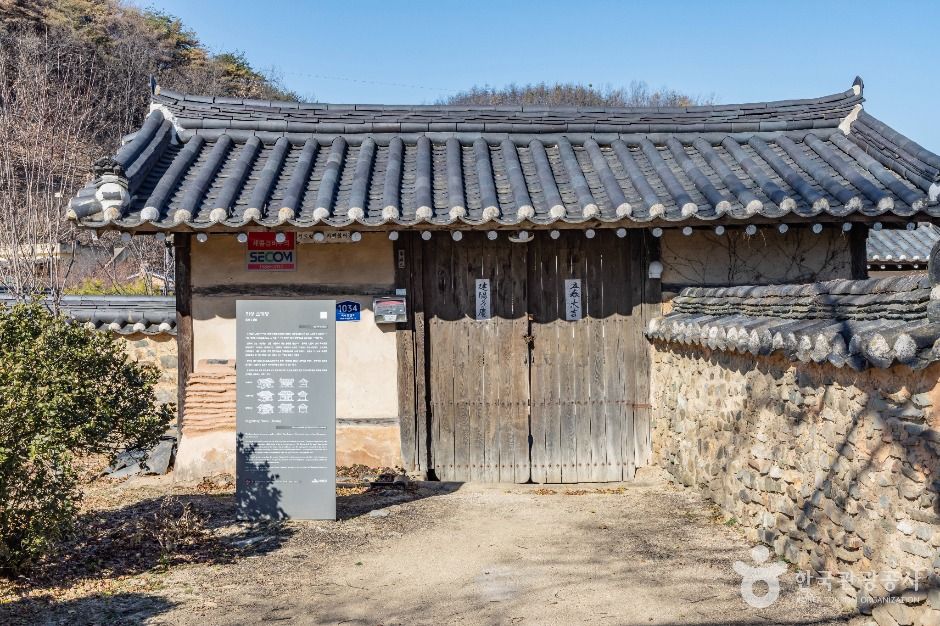
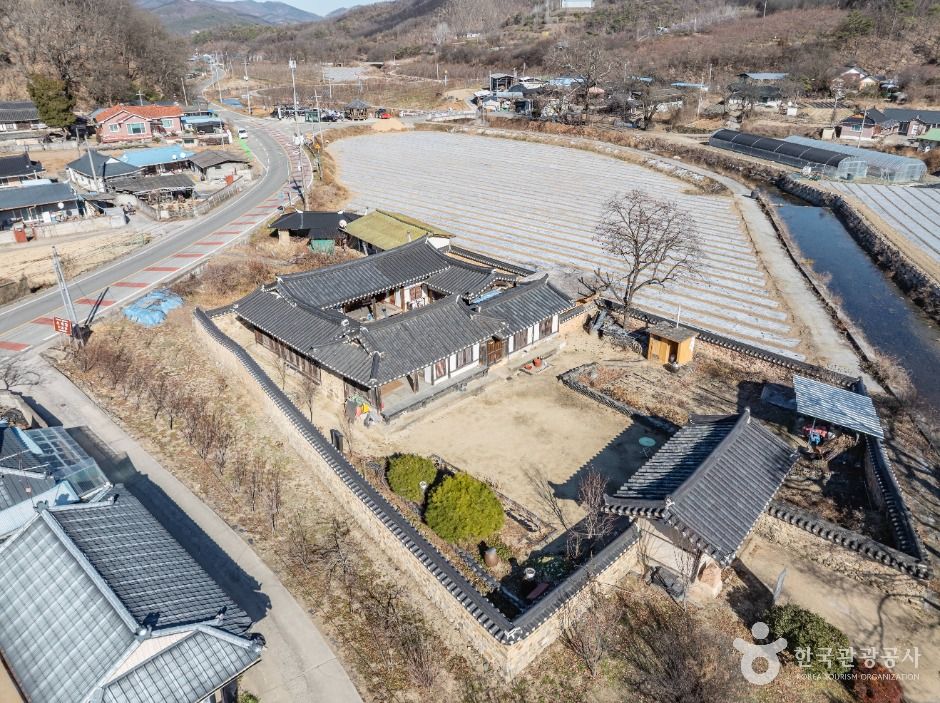
**Uiseong Sogyedang** is a historic old house said to have been built by Nam Jeong-gi around 1800. Upon entering the main gate, a spacious I-shaped sarangchae (men’s quarters) unfolds beyond the wide sarangmadang (outer courtyard), facing south. Behind it, a C-shaped anchae (women’s quarters) embraces it, forming an overall open square-shaped structure. This arrangement showcases the typical appearance of a Yangban house of that era, imbuing deep meaning into each space.
Authority Spoken by the Roof: The Secret of the Sarangchae
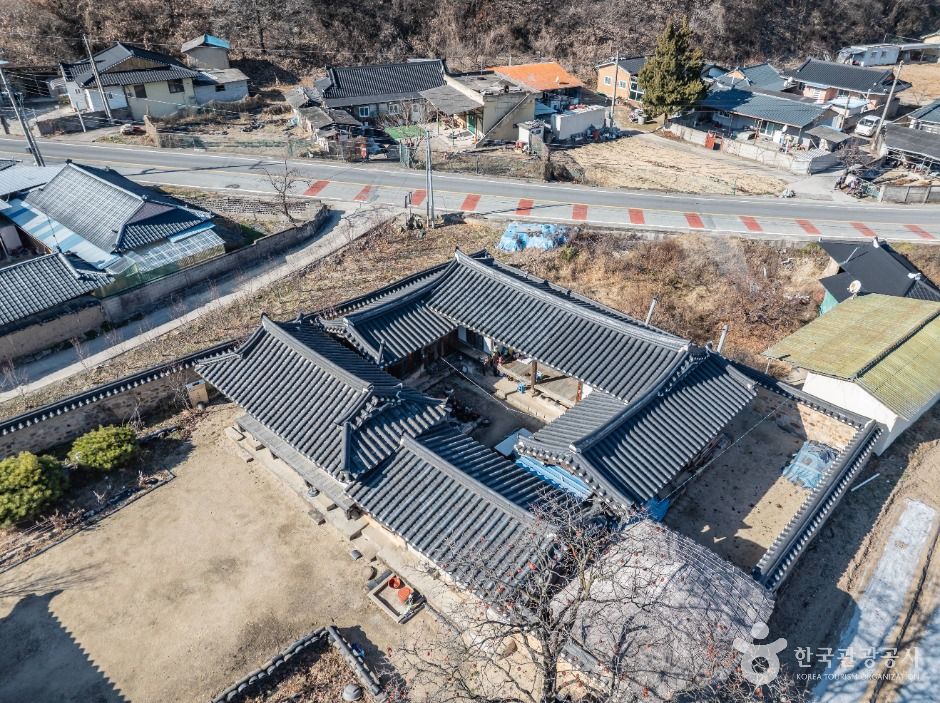
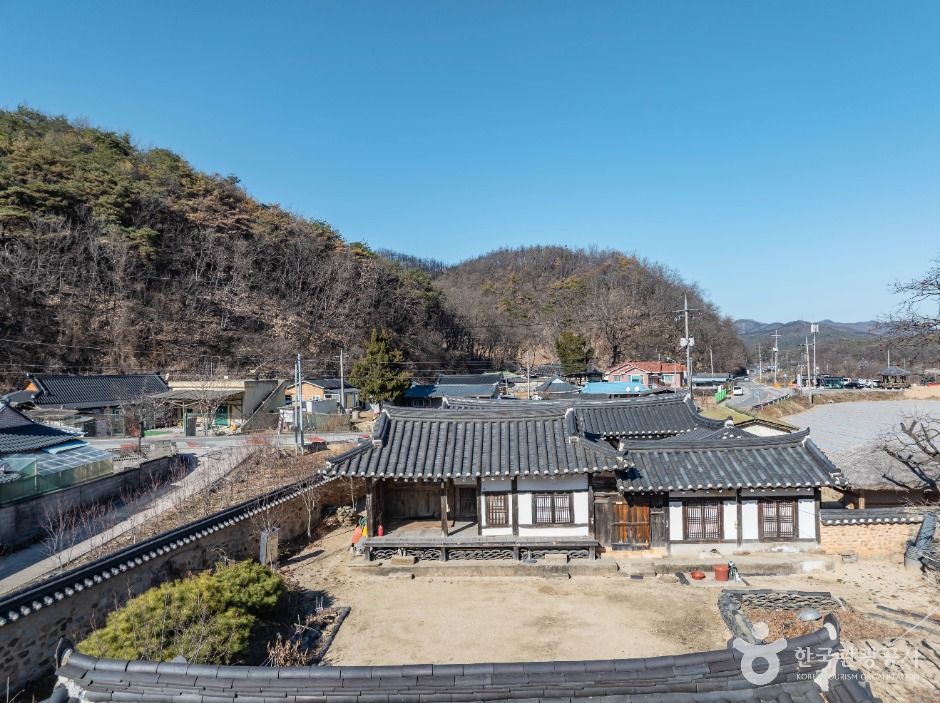
The Sarangchae is divided left and right based on the middle gate at the center of the building; the left side is the ‘keun-sarang’ where the grandfather, the male elder of the household, resided, and the right side is the ‘jageun-sarang’ where sons or grandsons stayed. A particularly interesting point is that the roof shapes of these two spaces are different. The keun-sarang is built with a hip-and-gable roof, featuring a high and ornate roofline, while the jageun-sarang is simply finished with a gable roof.
- Hip-and-gable roof Indicates a space where a high-ranking person resided, symbolizing dignity and authority.
- Gable roof A relatively simple and functional form, implying a space for subordinates.
This clearly reveals the strict Confucian hierarchical order and status differences within families during the Joseon Dynasty, architecturally. It serves as valuable material for glimpsing the mindset of the Yangban of that time.
Anchae, Women’s Space: Glimpsing the Center of Life
If the Sarangchae was the space for men’s external activities, the Anchae was the space where women of the household mainly resided and was the center of household affairs. The Anchae of **Uiseong Sogyedang** has an anbang (main room) on the right and a sangbang (upper room) and marubang (wooden floored room) on the left, centered around a two-bay daecheong (main hall).
Meaning of the Anchae’s Composition
Klook.com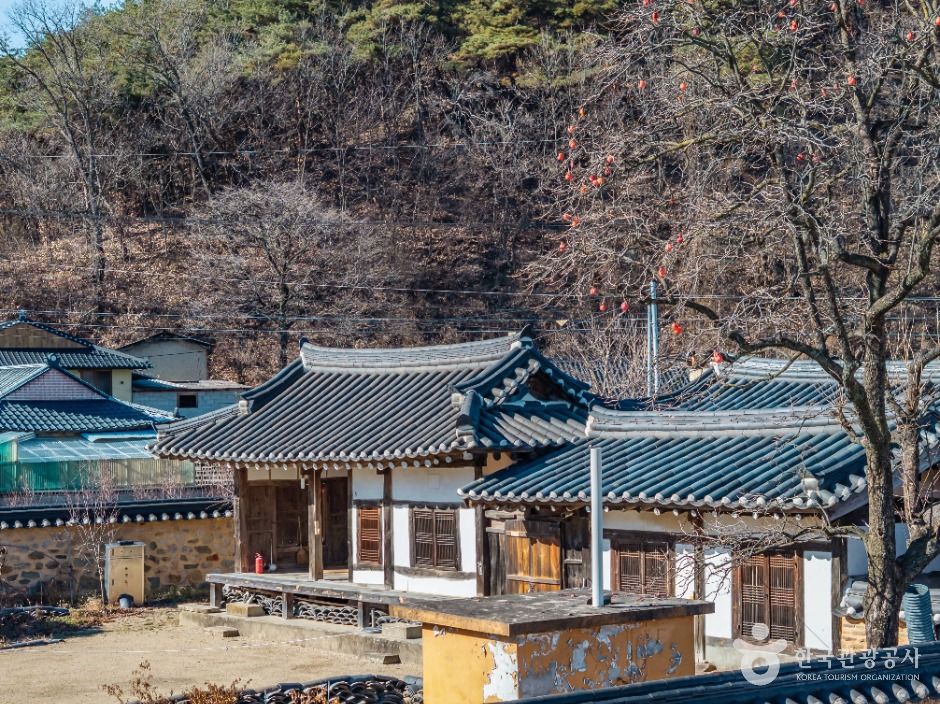
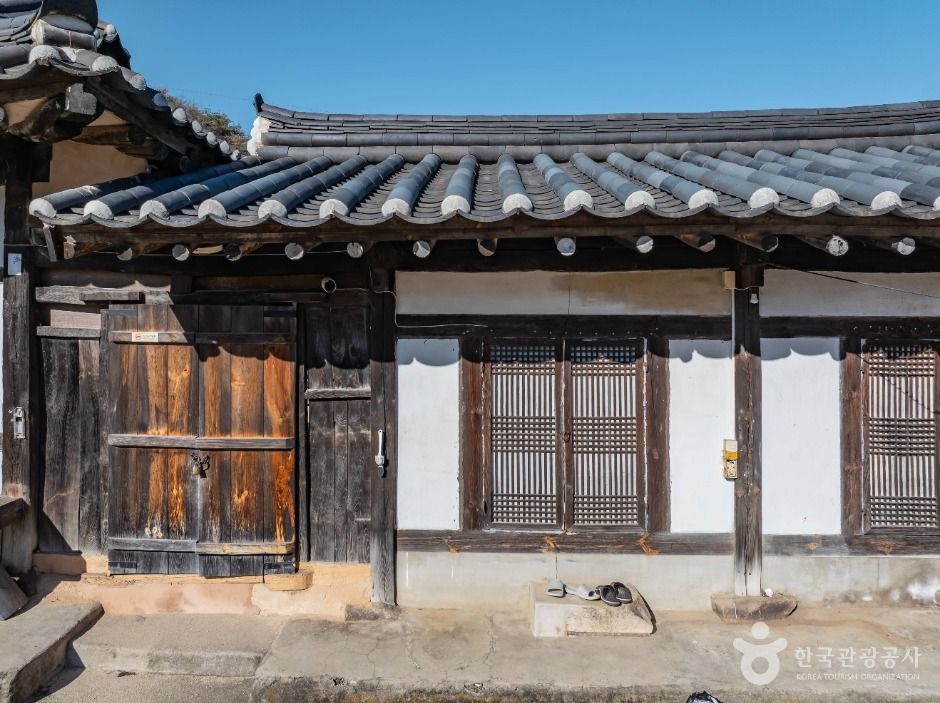
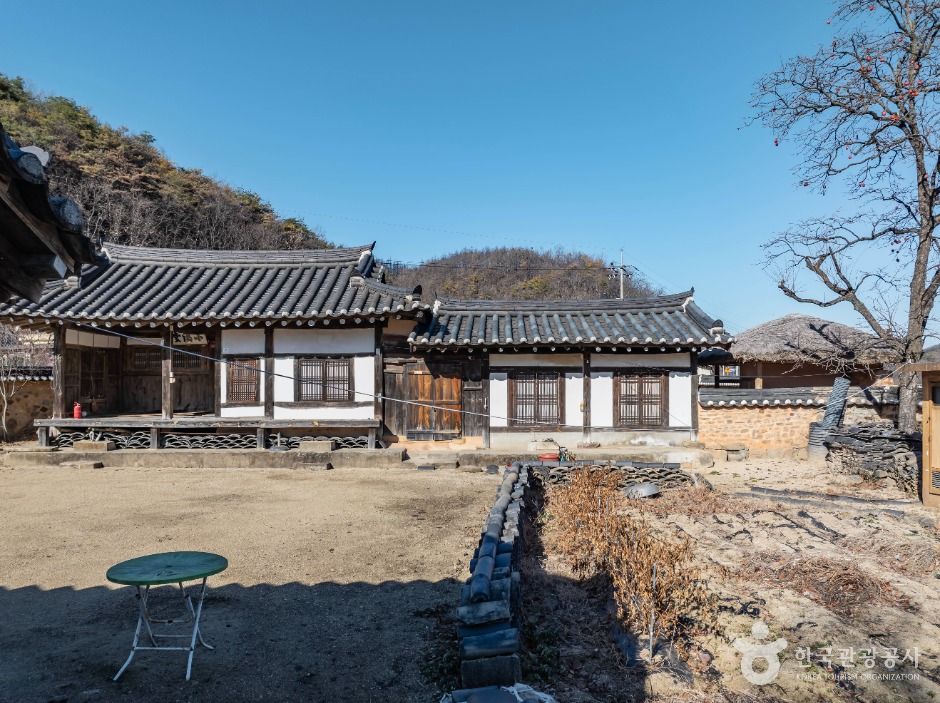
- Anbang The space where the mistress of the house resided and managed household affairs.
- Sangbang The place where the grandmother, the female elder of the household, stayed, showing that she was in a higher position than the mistress of the house.
- Daecheongmaru The central part of the Anchae, offering good ventilation and daylight, and serving as the space where major and minor household events were held.
This spatial arrangement reflects the roles and hierarchy of women within Yangban families at the time, faithfully showing the general form of Joseon Dynasty residences. Particularly, it well preserves the characteristics of Yangban houses in the Yeongnam region, holding very important value in architectural history research.
Uiseong Sogyedang, How to Get There?
Full of tranquil charm, **Uiseong Sogyedang** is located in Sanun-ri, Geumseong-myeon, Uiseong-gun, Gyeongsangbuk-do. Harmonizing with the beautiful surrounding natural scenery, it creates an even more peaceful atmosphere. Using a private car is the most convenient, and when using public transport, you must take a local bus from Uiseong County Office or Uiseong Terminal.
Please check the opening hours and visitor information before your visit to ensure a more enjoyable trip. Parking can utilize the surrounding spaces, and it is important to maintain a quiet observation manner inside the old house.
Uiseong Trip: Places to Visit with Sogyedang
If you are planning to visit Uiseong Sogyedang, we recommend exploring the various surrounding historical sites and natural scenery as well. Besides Sogyedang, Uiseong has many places where long history and culture breathe, allowing for a rich travel experience.
Uiseong Attractions to Enjoy with an Old House
- Geumseongsan The main mountain of Uiseong, where traces of the ancient Jomunguk remain, offering hiking and historical site exploration.
- Sanun Ecological Park A beautiful park where you can encounter various flowers and plants by season, good for family visitors.
- Jomunguk Museum A museum where you can see the history of Jomunguk, an ancient kingdom that existed in Uiseong, at a glance.
- Binggyegyegok A natural attraction with cool stream water harmonizing with strange-shaped rocks, very popular as a summer retreat.
Besides these, Uiseong is also rich in delicious foods such as garlic and Hanwoo (Korean beef), so don’t miss the pleasure of tasting local specialties after your historical exploration.
Visiting Sogyedang, please remember these things!
Here are a few tips to fully appreciate the charm of the old house in a quiet and reverent atmosphere.
- Check Pre-Visit Information Check in advance for opening status, hours, and admission fees (whether free/paid) to avoid a wasted trip.
- Quiet Observation Manner Old houses are often private property or designated cultural heritage. Observe quietly and be careful not to cause disturbance to other visitors and residents.
- Cultural Heritage Protection Be careful not to damage buildings or facilities, and refrain from entering areas other than designated ones. Please show the virtue of taking your trash with you.
- Photo Taking Etiquette Refrain from using flash when taking photos inside, and do not photograph spaces where personal privacy might be infringed.
Uiseong Sogyedang is not just a simple old house, but a space where the values and wisdom of life from the Joseon Dynasty breathe. May the time spent here bestow deep contemplation and inspiration upon your daily life.
Frequently Asked Questions
Q1. When was Uiseong Sogyedang built?
Uiseong Sogyedang is said to have been built around 1800 by a person named Nam Jeong-gi. It is an architectural structure that well displays the characteristics of a Yangban house in the Yeongnam region during the late Joseon Dynasty.
Q2. I’m curious about the reason for the different roof shapes of the Sogyedang Sarangchae.
The keun-sarang of the Sarangchae has a hip-and-gable roof, while the jageun-sarang has a gable roof. This was an architectural expression of the strict social order and hierarchy of the Confucian society at the time, making the space of a high-status person more ornate.
Q3. What are the characteristics of the Sogyedang Anchae?
The Anchae is composed of an anbang, sangbang, and marubang, centered around a two-bay daecheong. It is an interesting structure where you can glimpse the living spaces of women and the hierarchy of the family, as it was the space where the mistress of the house and female elders resided.
Q4. Are there any places worth visiting near Uiseong Sogyedang?
Yes, in the vicinity of Sogyedang, there are various attractions where you can enjoy history and nature together, such as Geumseongsan, Sanun Ecological Park, Jomunguk Museum, and Binggyegyegok. There are also many restaurants serving local specialties like Uiseong garlic and Hanwoo (Korean beef), so please enjoy them together.
Q5. What are the precautions when visiting Sogyedang?
Since old houses may be cultural heritage or private property, it is advisable to check the opening hours and visitor information before your visit. Also, you must maintain a quiet observation manner and be careful not to damage the cultural heritage.
 Love Korea? Promote it & Earn.