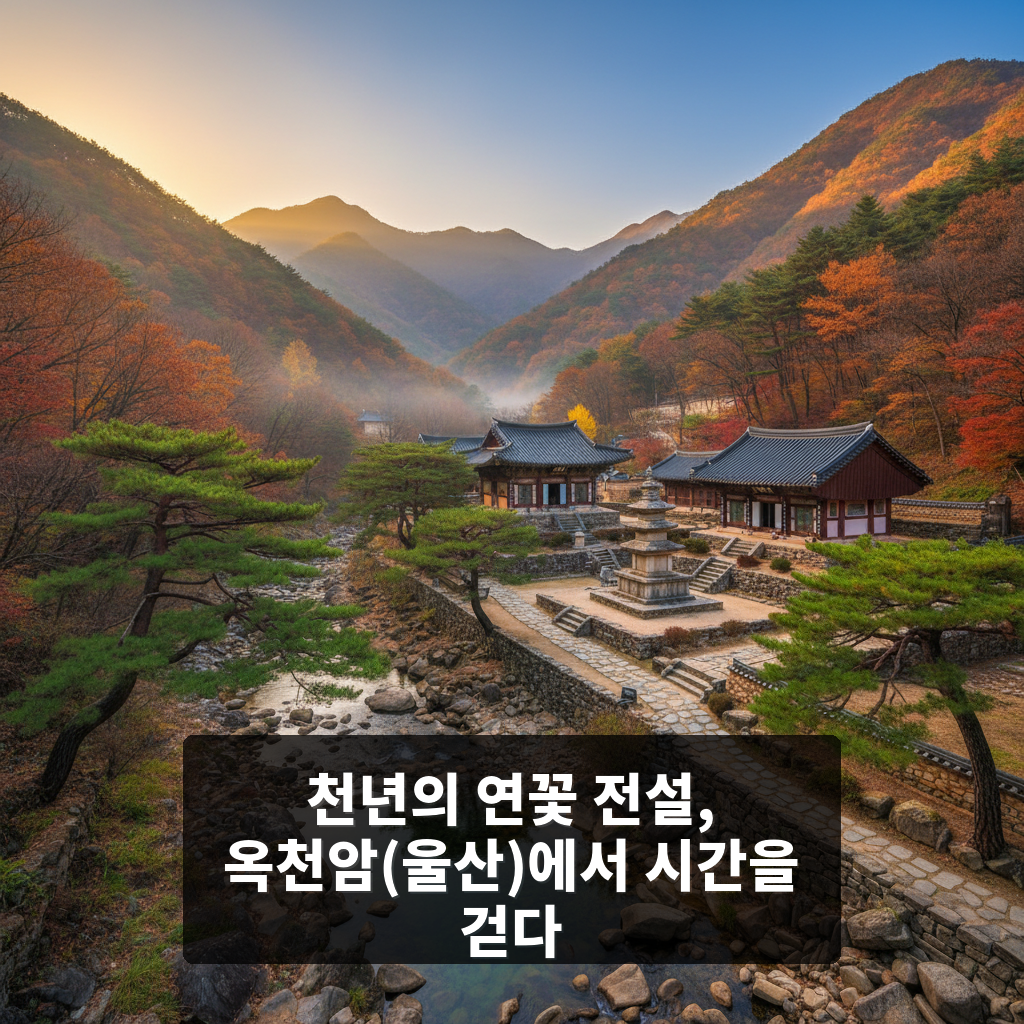
The Thousand-Year Lotus Legend, walking through time at Okcheonam (Ulsan)


Did you know that there’s a tranquil temple with a thousand-year history nestled at the foot of Muryongsan Mountain in Buk-gu, Ulsan? More than just a temple, it’s a place imbued with the footsteps of a revered monk and a special lotus legend, none other than Okcheonam (Ulsan).
From the Goryeo Dynasty through Joseon to the present day, mysterious stories have been layered upon the name of this place. From the time it was called Baeknyeonam to its transformation into the place name Yeonam-dong, let’s feel the essence of Yeonam-dong, deeply permeated with Buddhist colors.
The Thousand-Year Lotus Legend, The Hidden Name Story of Okcheonam
The Thread of Destiny Continuing from the Goryeo King Chungnyeol Era
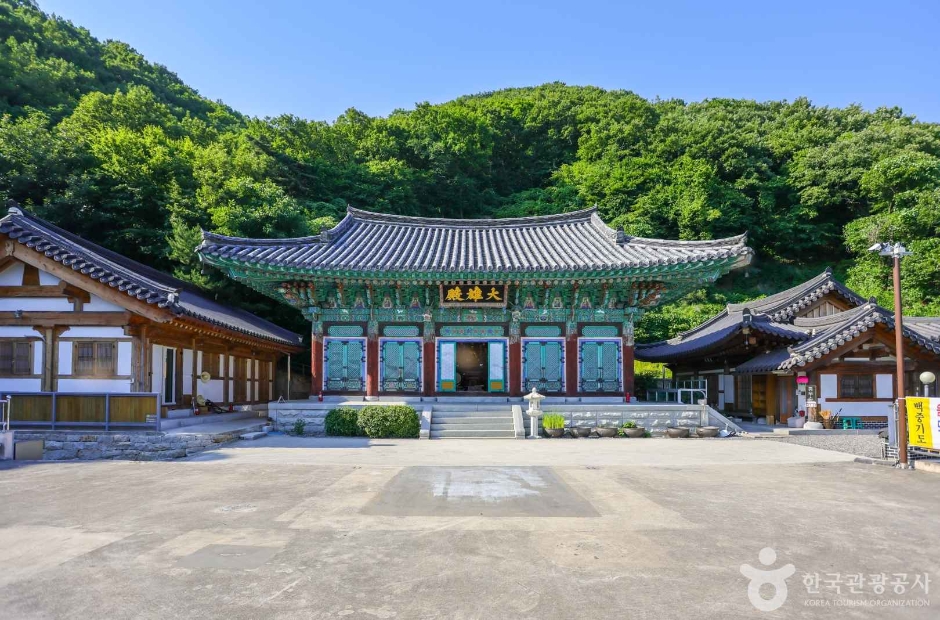
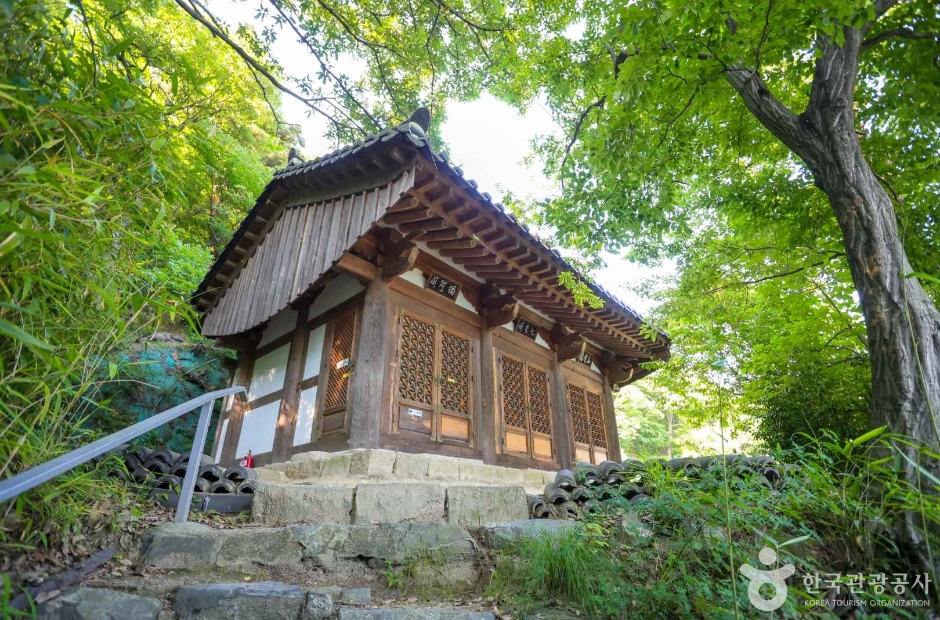
The founding of Okcheonam (Ulsan) dates back to an astonishing 931 AD. As deep as its history, the place name here holds a special story. The name Yeonam-dong, Buk-gu, Ulsan, originated from it being called ‘Baeknyeonam’ after Goryeo King Chungnyeol. It is said that at that time, sacred white lotus flowers bloomed on the rocks at the foot of Muryongsan Mountain.
Seol-gok Jeongpo (1309~1345), a Goryeo Dynasty civil official exiled in Ulsan, was moved by this white lotus, composed a poem, and named the rock ‘Baeknyeonam’. Thus, it is a place where countless stories have accumulated over a thousand years.
The Miraculous Lotus Story that Bloomed in Okjeong
During the reign of King Jungjong of Joseon, an even more mysterious event occurred. In August, two lotus flowers prominently bloomed from the Okjeong (Jade Well) on a single stem, creating a magnificent spectacle that covered the rocks. So many people gathered to witness this sight that even the village was named ‘Baeknyeonam’, signifying that the area around Okcheonam (Ulsan) has long had a deep connection with lotuses.
Although the place name changed to Yeonam-dong in 1914, one can still feel a Buddhist and sacred aura here. It is not merely a passing scenery; its true beauty is revealed only when one learns the stories contained within it.
Asking the Way in the Embrace of Muryongsan: How to Get to Okcheonam
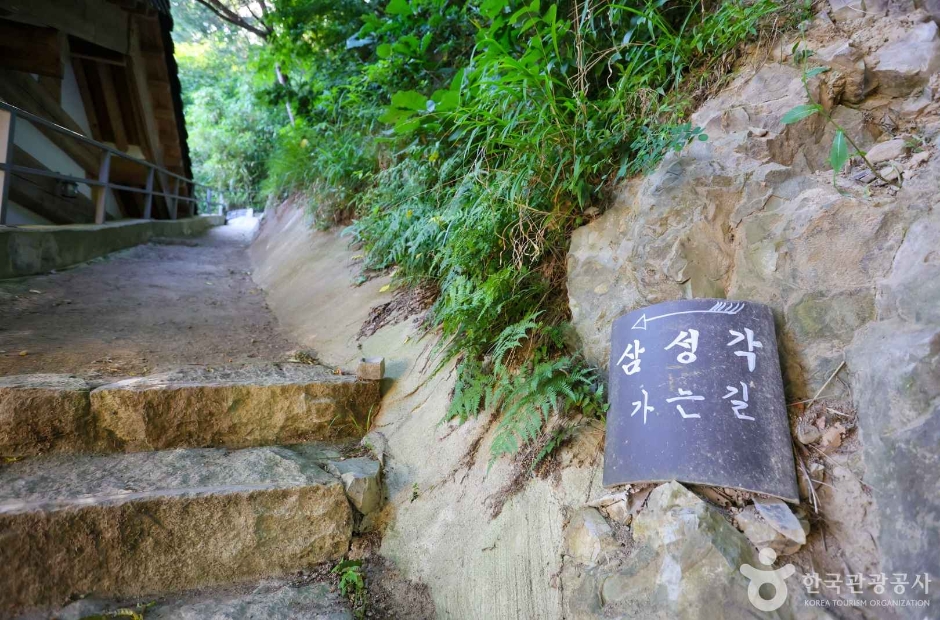
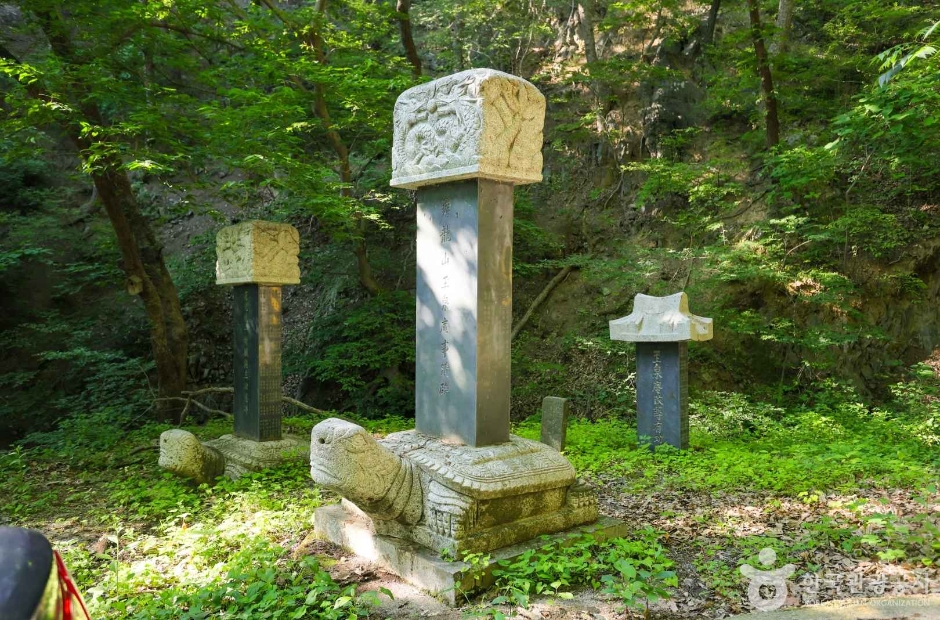
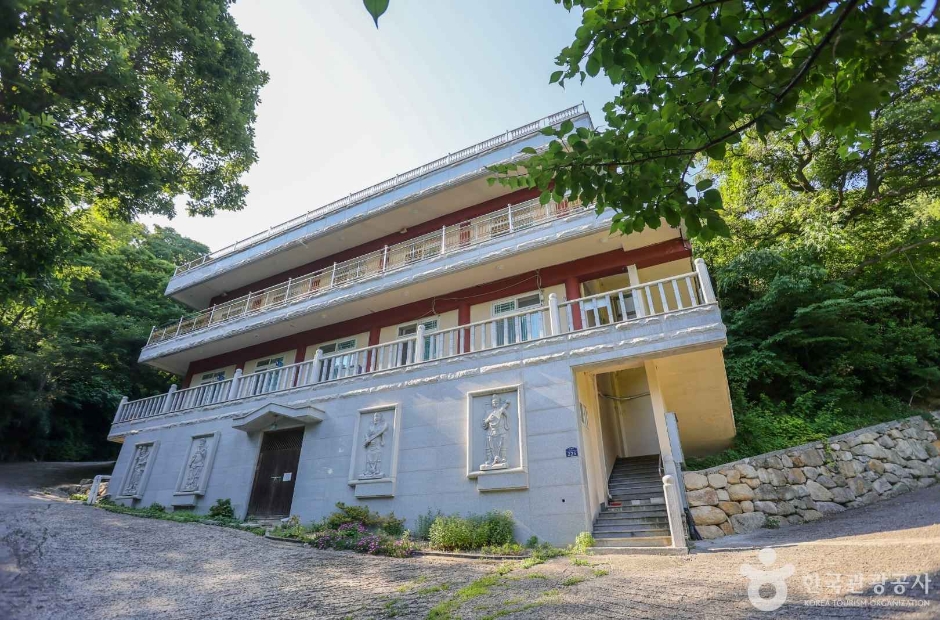
A Journey to Find Hidden Treasures
Okcheonam, located at Muryongro 225 (Yeonam-dong), Buk-gu, Ulsan Metropolitan City, is a branch temple of Tongdosa, the head temple of the 15th district of the Jogye Order of Korean Buddhism. Nestled peacefully in the embrace of Muryongsan Mountain, it is an ideal place to forget the hustle and bustle of the city and relax.
- By Car When using a car, pass Sangbang Intersection near Ulsan Buk-gu Office, head towards Muryong Tunnel, and turn left at Yeonam Intersection to find the entrance. Parking space is ample.
- By Public Transport If you get off at the 81 bus terminus, which is midway between Jeongja Beach and Muryongsan Mountain, you will find the path leading up to Okcheonam. It’s a great place to visit for a quiet stroll.
A Place for the Mind to Rest, Enjoying Tranquility at Okcheonam
A Tranquil Stroll Through the Temple Grounds and Time for Contemplation
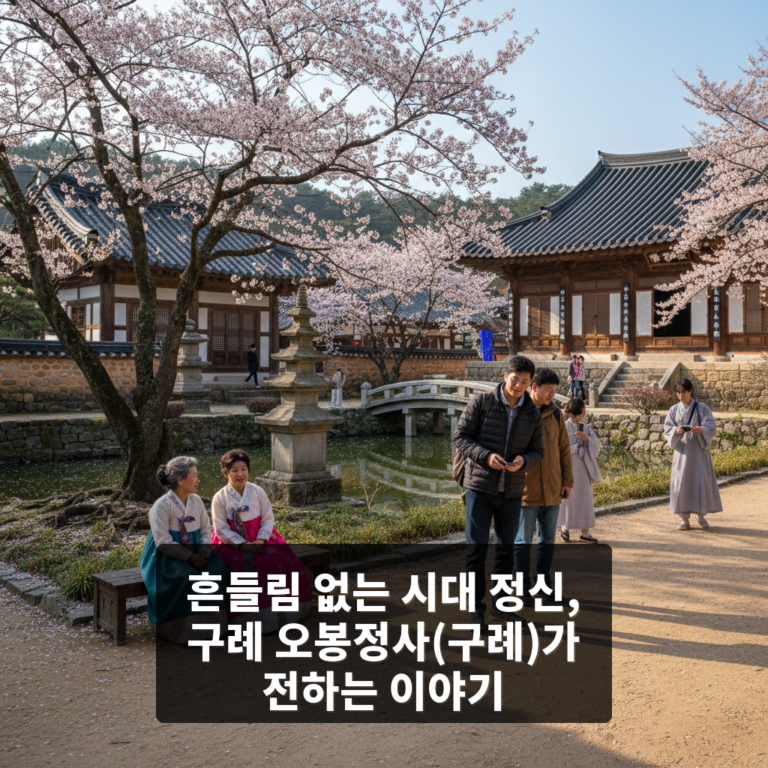
As a branch temple of Tongdosa, Okcheonam possesses a simple and neat beauty rather than being grand and ornate. Put aside complex thoughts for a while, stroll slowly through the temple grounds, and fully enjoy the sounds of nature and tranquility.
- Quiet Contemplation By putting your hands together in front of the Daeungjeon (Main Hall) and taking time for self-reflection, or simply sitting in the courtyard and listening to the wind, you can find peace of mind. The sound of clear stream water also adds to the tranquility of this place.
- Communion with Nature Along with the clean air of Muryongsan, sometimes bird songs and sometimes the sound of stream water naturally blend together to create a peaceful atmosphere. Especially in autumn, it is renowned for its beautiful autumn foliage.
A Small Guide for Visitors
- Observe Temple Etiquette Please observe quietly for other worshipers and refrain from unnecessary noise. It is important to collectively create a peaceful atmosphere.
- Caution When Taking Photos When taking photos within the temple grounds, be careful not to disturb others, and it is best to refrain from photographing inside the main hall if possible. It is better to capture beautiful scenery with your eyes and heart.
- Enjoy the Surrounding Scenery The foothills of Muryongsan Mountain around Okcheonam are great for walks, so if you have time, exploring them together would be a wonderful experience. Feel the energy of nature as you walk through the forest paths.
Time to Find Myself Amidst a Thousand Years of Stories
Okcheonam (Ulsan) is not merely an old temple. It is a place where a line of a Goryeo civil official’s poem, the miracle of lotus flowers during the Joseon Dynasty, and the footsteps of those who seek tranquility today come together to continue a thousand-year story. If you visit Ulsan, be sure to stop by Okcheonam, which will offer you an unforgettable peaceful time. It will be a precious moment to pause from your busy daily life and reflect on yourself.
Frequently Asked Questions
Q1. What is the most significant historical characteristic of Okcheonam?
Okcheonam is a thousand-year-old temple founded in 931, a historic place where Goryeo Dynasty civil official Seol-gok Jeongpo was moved by a white lotus and left the name ‘Baeknyeonam’. During the reign of King Jungjong of Joseon, two lotus flowers bloomed in Okjeong, to the extent that even the village was called Baeknyeonam.
Q2. When was Okcheonam first established?
Okcheonam is known to have been founded in an astonishing 931 AD. As a temple with over a thousand years of history, various stories have been passed down through its long existence.
Q3. How did Yeonam-dong, the place name around Okcheonam, originate?
Yeonam-dong originated from being called ‘Baeknyeonam’ after Goryeo King Chungnyeol. Due to the legend of sacred white lotus flowers blooming on the rocks, and the miraculous lotus flowers that bloomed in Okjeong during the Joseon King Jungjong era, the village was also called Baeknyeonam before becoming Yeonam-dong in 1914.
Q4. How do I get to Okcheonam by car?
Pass Sangbang Intersection near Ulsan Buk-gu Office, head towards Muryong Tunnel, and turn left at Yeonam Intersection to find the entrance to Okcheonam. The roads are well-maintained, making it easy to visit.
Q5. Are there any specific precautions to take when visiting Okcheonam?
As Okcheonam is a tranquil temple sought by worshipers, it is important to act quietly within the temple grounds and observe etiquette so as not to disturb others. It is best to refrain from photographing inside the main hall if possible.