A Millennial Smile Met on the Road: Yeongju Sinam-ri Rock-Carved Tathagata Triad


Walking along a quiet country road in Sinam-ri, Isan-myeon, Yeongju-si, Gyeongsangbuk-do, you will encounter an unexpected sight. Right in the middle of vast rice paddies, carved intact into a towering rock, is the Yeongju Sinam-ri Maae-yeorae-samjon-sang. What stories does the smile of this Maitreya, who has silently endured a thousand years, hold? Experience the forgotten breath of Unified Silla through this mysterious rock Buddha statue, as if you’ve traveled through time.
This rock-carved Buddha is more than just a cultural relic; it is a work of art imbued with the sweat and wishes of unknown stone sculptors. One can almost feel the footsteps of ancient people who visited this place to gain small and precious enlightenment, like grains of rice. Today, it serves as a special place of communion that connects us to the past and Current.
Steadfastly holding its place amidst the winds of time, gently resonating with the hearts of those who behold it, the Yeongju Sinam-ri Maae-yeorae-samjon-sang. It is time to explore its historical significance and hidden value together.
Amidst the Rice Paddies, Traces of Enlightenment Held by a Rock
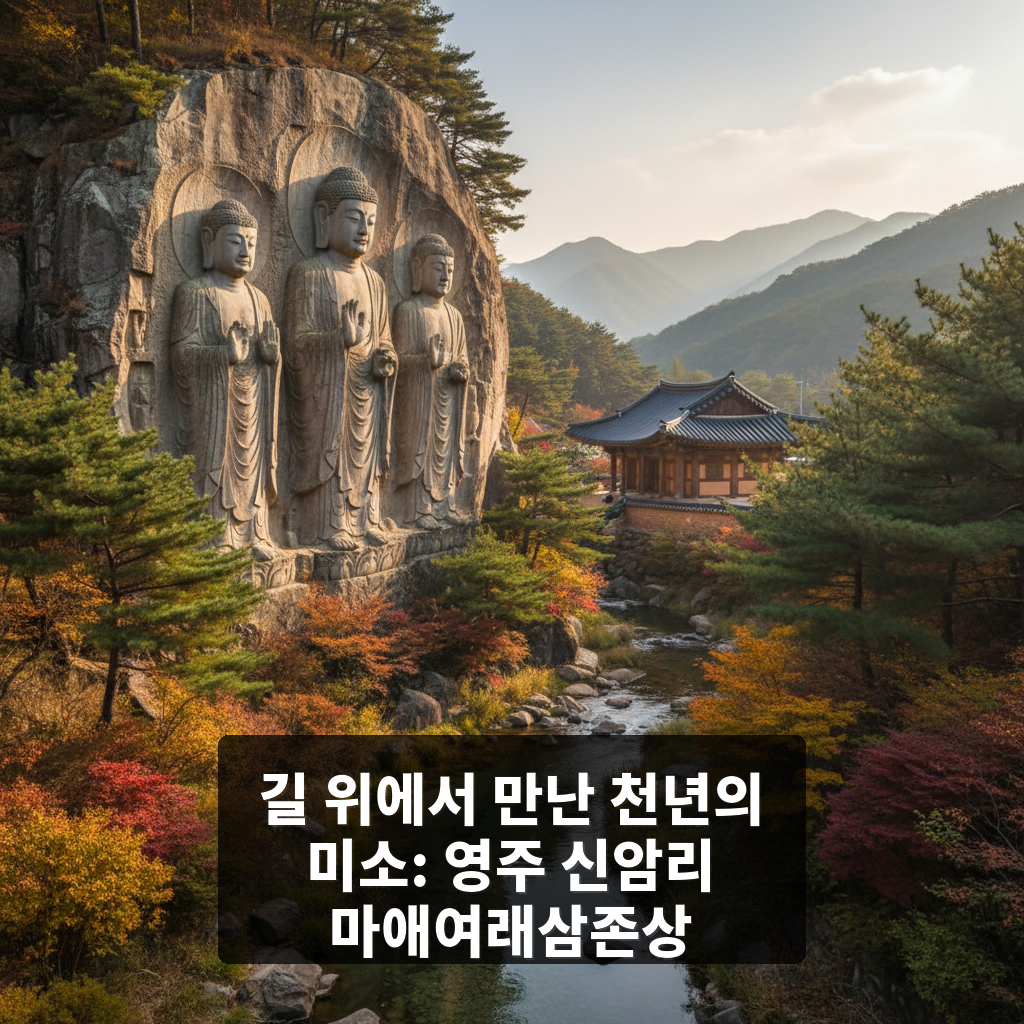
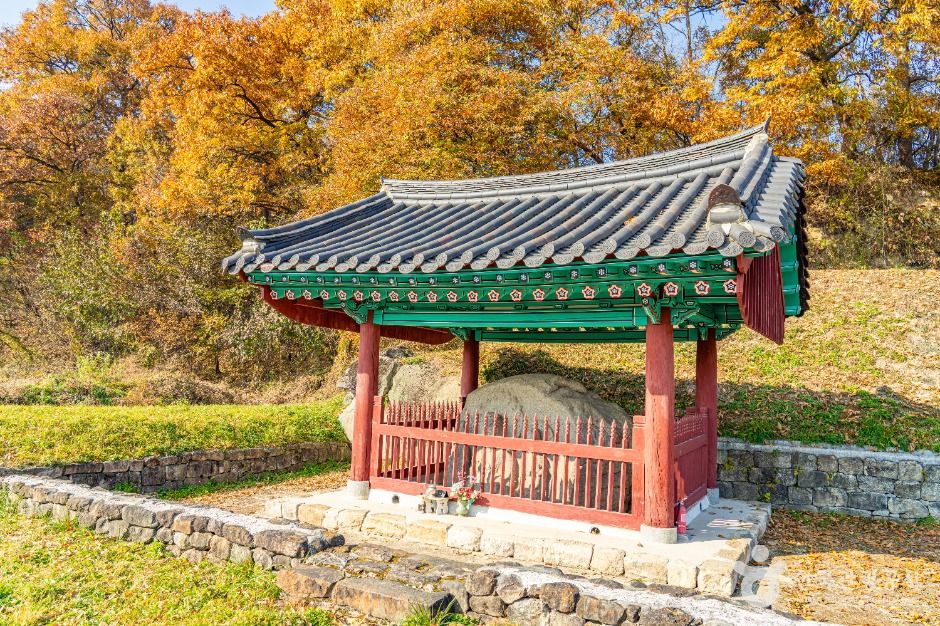
The landscape where the Yeongju Sinam-ri Maae-yeorae-samjon-sang is located is quite different from Buddha statues found in other temples. Carved into a rock standing in the middle of rice paddies beside a quiet road in Sinam-ri, Isan-myeon, Yeongju-si, Gyeongsangbuk-do, the mystery of encountering it in an unexpected place makes it even more special. It seems that originally, Buddha statues were intended to be carved on all four sides of the rock, but currently, it is difficult to clearly discern their forms other than the central triad (Samjonbul).
The Hidden Rock, Its Special Location
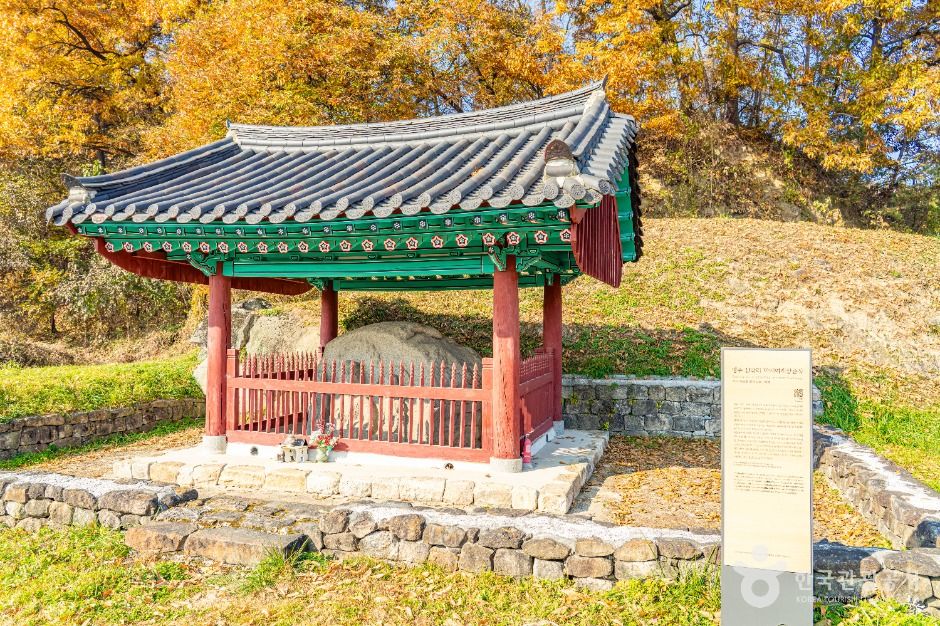
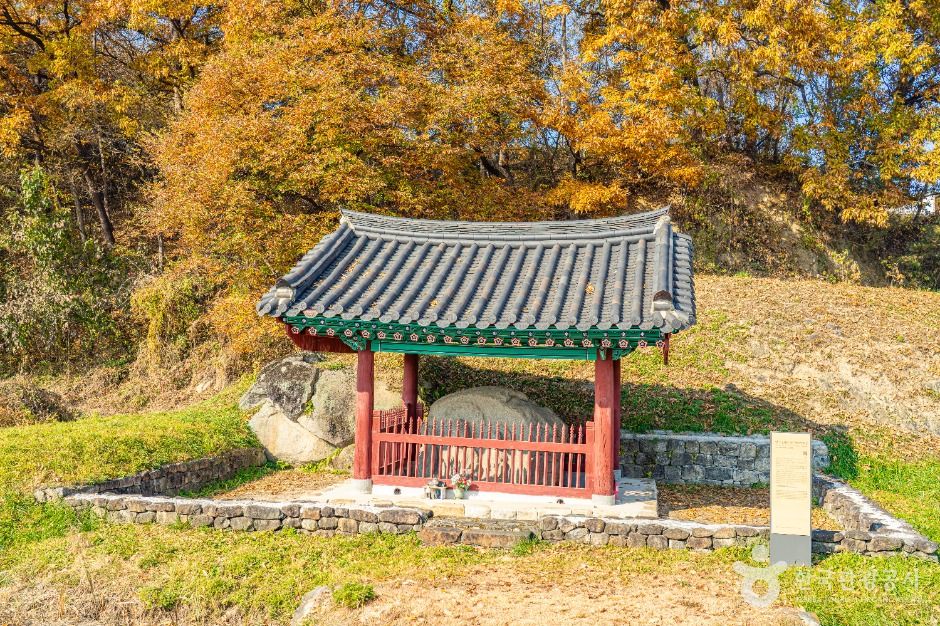
- Positional Characteristics Carved into a colossal rock rising alone in the middle of a vast plain, it boasts a unique landscape harmonizing with nature.
- Historical Background Speculation Given that it is not a Buddha statue enshrined within a temple precinct, it is likely that it was created as an object of folk belief or to embody the wishes of a specific individual.
- Traces of Time Although its original form is unknown, a mysterious aura emanates from its appearance, as if it has become one with nature while enduring wind and rain over a long period.
A Millennium’s Smile: The Delicate Carvings of Yeongju Sinam-ri Maae-yeorae-samjon-sang
The three Buddhas carved into the rock fully embody the early Unified Silla style. Although not large in scale, it is a remarkable work characterized by rich volume and soft expressions. In particular, the appearance of the main Buddha resembles the Yeongju Gajeung-dong Maae-yeorae-samjon-sang and Seated Buddha, offering a glimpse into the characteristics of Buddha sculpture in the Yeongju region at that time.
The Noble Appearance of the Main Buddha
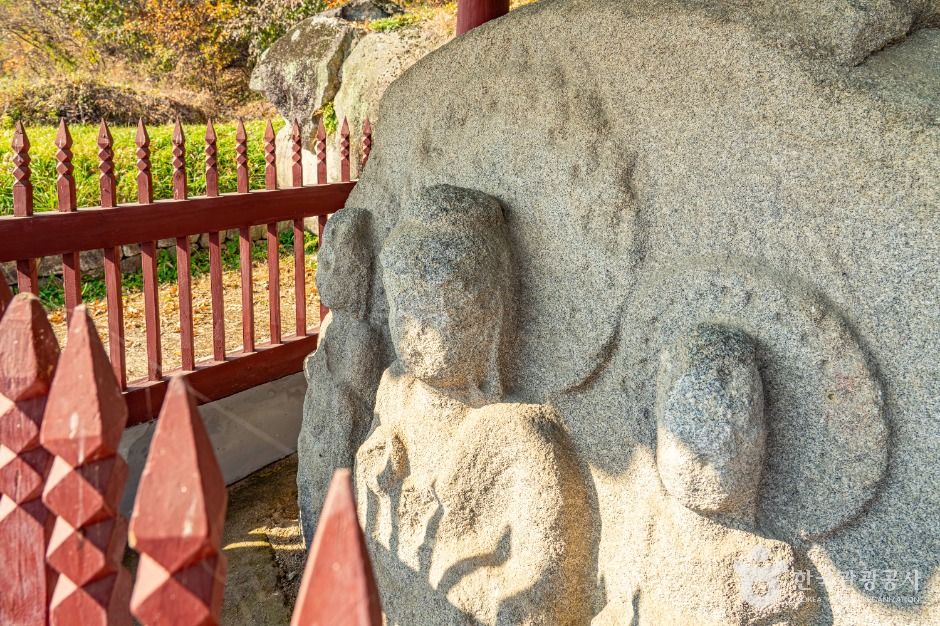
- Head A large topknot (usnisa) resembling a chignon rises prominently above the bald head, adding to its dignity.
- Face Its slender yet harmonious form conveys a compassionate impression.
- Robe The robe (tonggyeon) draped over both shoulders and flowing down forms thick, gentle curves from the belly to the legs, emphasizing the body’s volume.
- Hand Gesture With the right hand raised to the chest and the left hand gently resting on the knee, it assumes a reverent yet comfortable posture.
The Simple Beauty of the Attendant Bodhisattva Statues on Either Side
The two attendant Bodhisattva statues to the left and right of the main Buddha are depicted relatively simply compared to the main Buddha. Their shoulders are narrow compared to their physiques, and the curves of their bodies are not highly emphasized, generally displaying a humble beauty devoid of excessive ornamentation. This may reflect a trend in Buddhist sculpture of that era.
The Circular Nimbus Shining in Common
Both the main Buddha and the two attendant Bodhisattvas have circular head nimbuses intricately carved with flame patterns. This nimbus is an important element expressing the Buddha’s divinity, further highlighting the majesty of the Yeongju Sinam-ri Maae-yeorae-samjon-sang.
Yeongju Historical Tour: Experiencing the Breath of the Unified Silla Era
The Yeongju Sinam-ri Maae-yeorae-samjon-sang is an important relic presumed to have been created in the early Unified Silla period. It is a valuable resource that offers a glimpse into the religious aspirations and artistic styles of that era, preserving an entire page of our history. Visiting this place will be a special experience that goes beyond merely seeing a Buddha statue, allowing one to imagine the lives and beliefs of the people of Yeongju a thousand years ago.
How to Understand the Rock-Carved Buddha More Deeply
- Acquire Prior Information Learning about the historical background and sculptural style of the Yeongju Sinam-ri Maae-yeorae-samjon-sang before your visit will deepen your appreciation.
- Explore Nearby Historical Sites Yeongju has many Buddhist relics from the Unified Silla and Goryeo periods, including sites listed as UNESCO World Heritage, such as Buseoksa Temple and Sosu Seowon. It is also good to explore them together to understand the flow of Buddhist art at that time.
- Quiet Contemplation Stopping for a moment in front of the rock-carved Buddha, harmonizing with the surrounding rice paddy landscape, and quietly meditating or engaging in contemplation can also be a meaningful experience.
Yeongju Isan-myeon Sinam-ri, Directions
The Yeongju Sinam-ri Maae-yeorae-samjon-sang is located in Sinam-ri, Isan-myeon, Yeongju-si, Gyeongsangbuk-do. It is more convenient to use a personal car than public transportation, and since parking space may not be sufficient, it is recommended to park safely at the village entrance and proceed on foot. The surroundings are a quiet rural village, so visitors should maintain a quiet and respectful demeanor to avoid causing inconvenience to the residents.
| Category | Recommended Transportation Method | Tip |
|---|---|---|
| Personal Car | Most convenient; search for ‘Yeongju Sinam-ri Maae-yeorae-samjon-sang’ on navigation | Park at the village entrance and walk |
| Public Transportation | Take a bus towards Isan-myeon from Yeongju Station or Yeongju Intercity Bus Terminal, then connect with a taxi. | Bus intervals may be long, so essential to plan your time. |
Frequently Asked Questions
Q1. What are the historical characteristics of the Yeongju Sinam-ri Maae-yeorae-samjon-sang?
This rock-carved Buddha is presumed to have been created in the early Unified Silla period and is characterized by rich volume and soft expressions in the Buddha statues. In particular, the style of the era can be seen in the facial form and drapery expression of the main Buddha.
Q2. What does Samjonbul mean?
Samjonbul refers to a style of Buddha statue arrangement with a central main Buddha and attendant Bodhisattvas (or attendant Buddhas) on the left and right. The Yeongju Sinam-ri Maae-yeorae-samjon-sang also follows this composition, symbolizing the completeness of the Buddha’s world.
Q3. What precautions should be taken when visiting the rock-carved Buddha?
To protect cultural heritage, actions that damage or touch the Buddha statue should be refrained from. The surroundings are agricultural land, so care must be taken not to trespass on cultivated fields, and a quiet viewing attitude should be maintained to avoid causing inconvenience to local residents.
Q4. Are there other attractions near the Yeongju Sinam-ri Maae-yeorae-samjon-sang?
Yes, in Yeongju city center, there are Sosu Seowon, a representative Confucian architectural site in Korea, and the beautiful Buseoksa Temple. Additionally, there are traditional villages like Museom Village, making it a good place to experience Yeongju’s history and culture together.
Q5. Are there specific visiting hours or an entrance fee for the Maae-yeorae-samjon-sang?
The Yeongju Sinam-ri Maae-yeorae-samjon-sang is a cultural heritage site open outdoors, so there are no specific visiting hours, and you can visit and view it freely without a separate entrance fee.