
An unforgettable name, the story of the ardent spirit enshrined in Chungyongsa


Beyond familiar place names, there is a place that, for some unknown reason, makes one’s heart feel solemn. What stories, what spirits are enshrined there, that one feels an inexplicable awe even before taking a step? Today, we are going beyond a mere old building to embark on a deep time journey to **Chungyongsa**, where the pain and sublime spirit of an era are completely condensed.
Embracing a deep history as much as its unfamiliar name, **Chungyongsa** is a shrine commemorating the spirit of Uidang Bak Se-hwa, an independence activist who vehemently resisted the tragic era of Japanese colonial rule. Along with his sacrifice, this place, where later revered figures are also enshrined, silently reminds us of the values we must never forget, serving as a meaningful space that connects the past and the present.
Sometimes, a small shrine can evoke a deeper resonance than a grand monument. **Chungyongsa**, rooted in Eumseong, Chungcheongbuk-do, symbolizes the unyielding spirit of the nation even amidst turbulent times, and today poses a weighty question to us about what true patriotism is and how we should uphold its values.
1910, The Beginning of Chungyongsa, a Name Imbued with Sorrow and Indignation (悲憤慷慨)
In 1910, the Gyeongsul Gukchi (Japan-Korea Annexation Treaty), the tragic news that the Korean Empire had been forcibly annexed by Japan cast a shadow of despair over the entire nation. While many were stunned or frustrated by a sense of powerlessness, Uidang Bak Se-hwa was different. Unable to bear the indignation of this humiliating news, he demonstrated his strong will to resist Japanese imperialism through the extreme choice of suicide. His martyrdom was not merely the death of an individual, but a powerful message that reignited the fading national spirit.
To honor the sublime will of Bak Se-hwa, who sacrificed his life in the face of the sorrow of a lost nation, a shrine was built in 1964 with the active cooperation of Yu Yong-gi, then governor of Eumseong County, and local Confucian scholars, and that place is **Chungyongsa**, which we visit today. On March 1, 1962, he was posthumously awarded the Order of Merit for National Foundation, receiving official recognition from the state for his great contributions. This proves that his sacrifice was not merely a tragedy of one era, but a value that should be remembered for generations to come.
Not shining alone, the eternal footsteps of revered figures, together
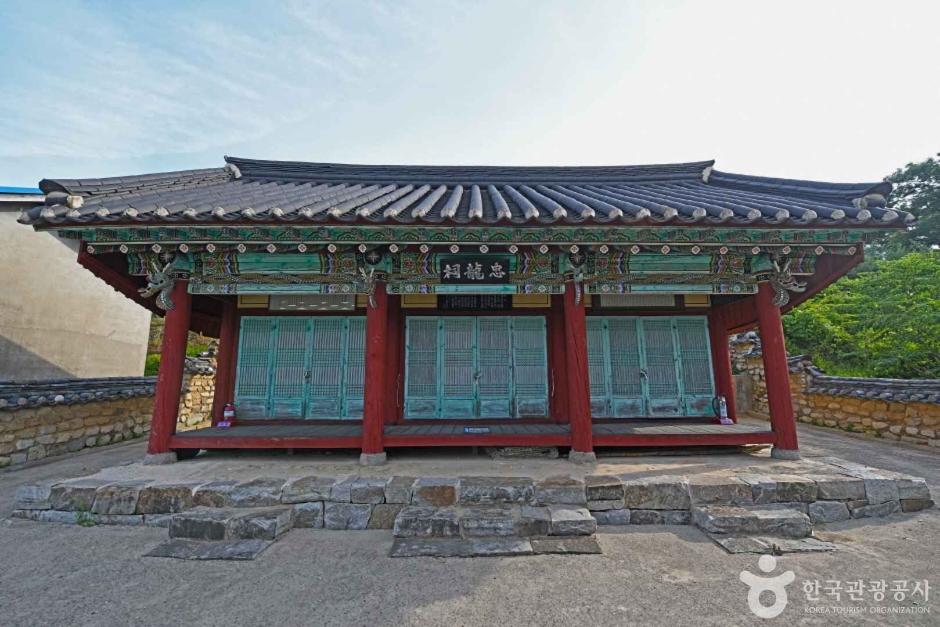
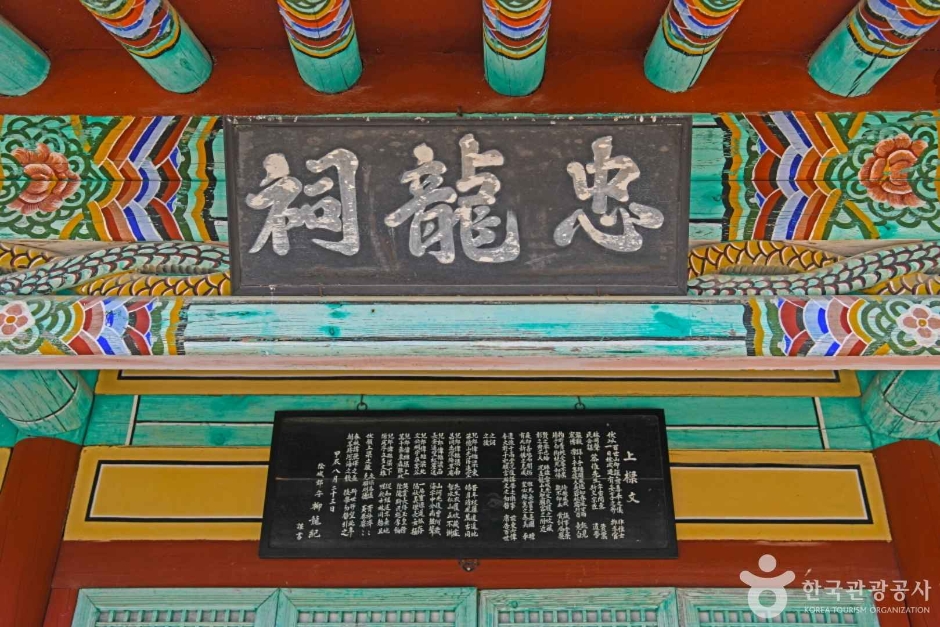
**Chungyongsa** is not merely a sacred space honoring only Uidang Bak Se-hwa. Here, other shining names who shared the nation’s pain, namely the memorial tablets of Hoedang Yun Eung-seon, Jikdang Sin Hyeon-guk, and Myeongwa Jeong Gyu-hae, are also enshrined. These individuals also lived intensely through tumultuous times, dedicating themselves in their own ways to the independence and prosperity of the nation. Chungyongsa gathers their spirits and transmits them to future generations, serving as an important educational venue that shows how individual sacrifices harmonize in the grand cause of patriotism.
- Uidang Bak Se-hwa A martyr who resisted the Japan-Korea Annexation by suicide. The last flame that upheld national pride.
- Hoedang Yun Eung-seon A Confucian scholar who honored the sublime will of Bak Se-hwa and strived to elevate national spirit in the local community.
- Jikdang Sin Hyeon-guk Another patriot who dedicated himself to the country, whose deeds serve as an example for future generations.
- Myeongwa Jeong Gyu-hae One of the spiritual pillars of the local Confucian scholars enshrined at Chungyongsa, who carried on the will of the revered figures.
Read through Architecture: Chungyongsa’s Elegant Dignity and Symbolism
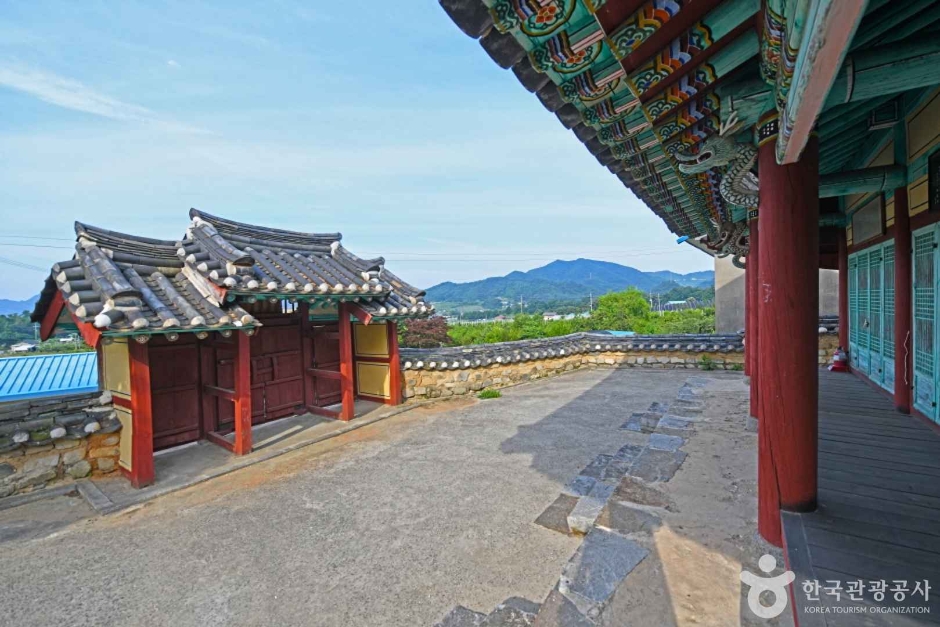
**Chungyongsa**, located in Wonnam-myeon, Chungcheongbuk-do Eumseong-gun, is more than just a facility that remembers history; it is a traditional building that embodies tranquil beauty and profound meaning in itself. The shrine, built on a scale of four kan (bays) in the front and one and a half kan on the sides, features a neat and sturdy gabled roof, embodying the aesthetics of traditional Korean architecture. The gentle curves of the eaves and the restrained dancheong (traditional decorative coloring) create an atmosphere that is both solemn and comforting.
‘Gwangjemun’, The Gate of Aspiration to Broadly Save the World
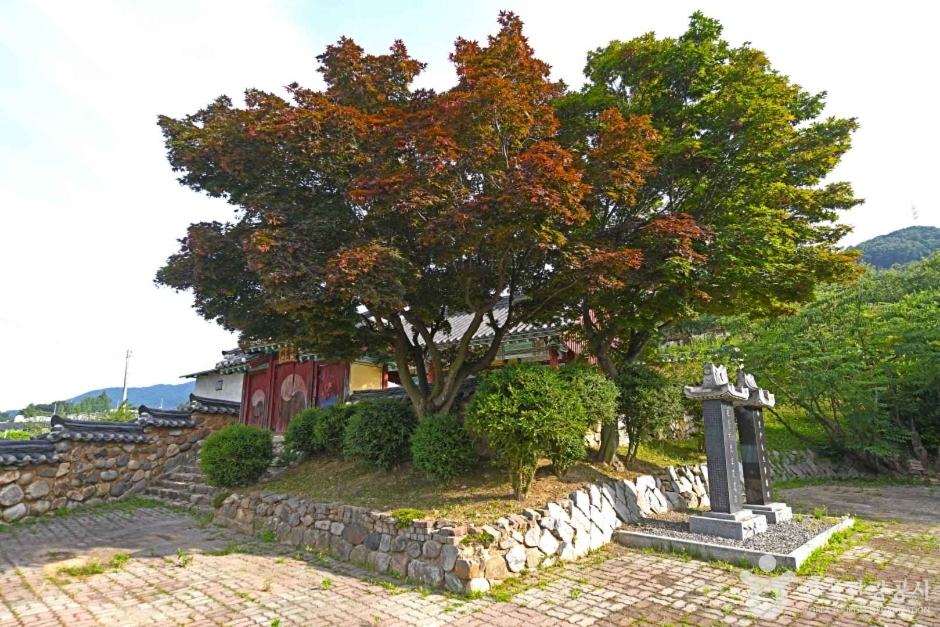
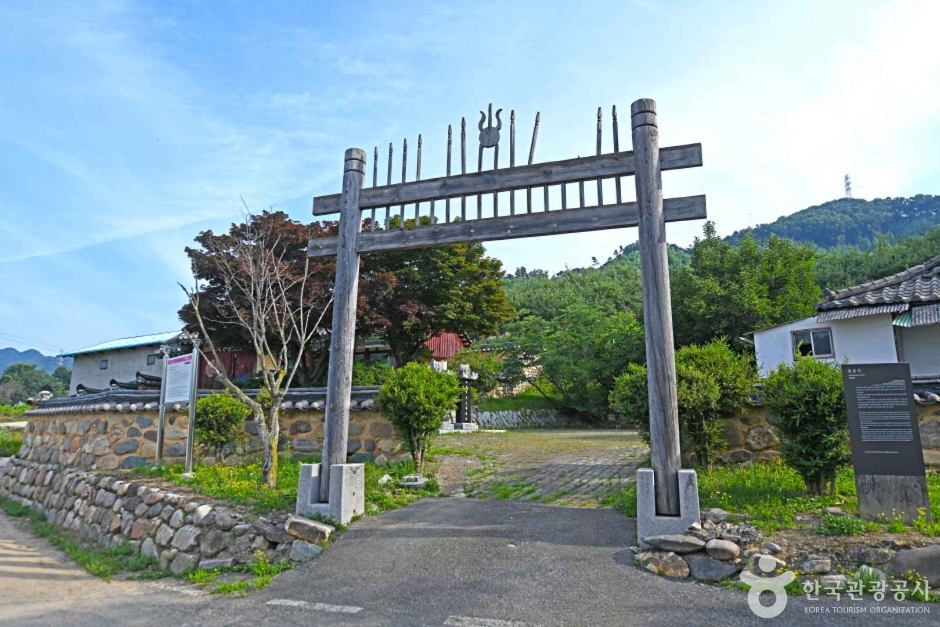
Before entering the shrine, visitors are greeted by the magnificent sotsal-samjeon gate named ‘Gwangjemun’. ‘Gwangje (廣濟)’ means ‘to broadly save the world’, which aligns with the patriotic spirit of the revered figures enshrined here, including Bak Se-hwa, and can be said to be an architectural expression of their profound desire to enlighten a dark era and pray for the nation’s well-being. Passing through the gate and reflecting on their aspirations will be a meaningful experience.
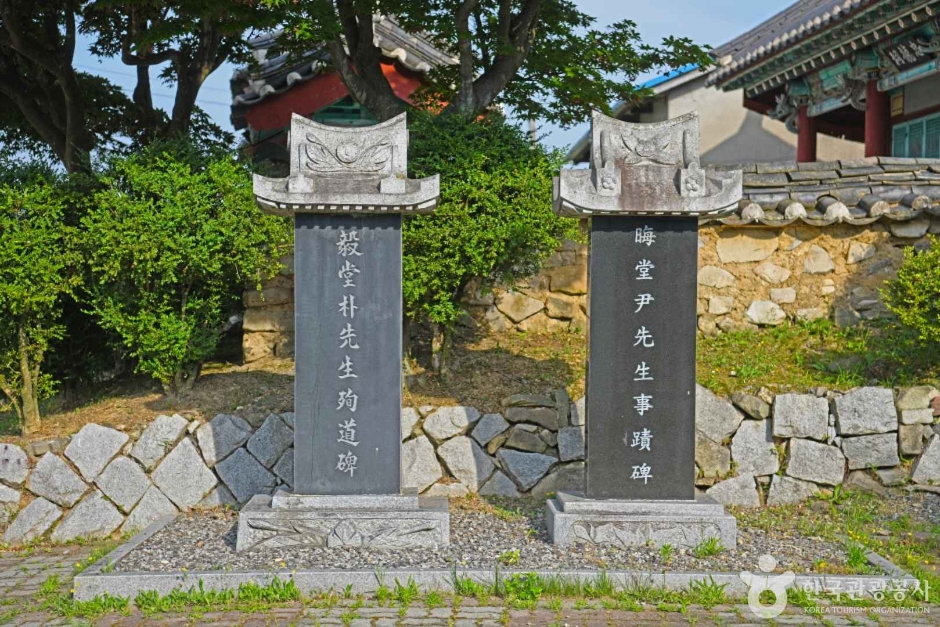
The sturdy wall, built with a mix of earth and stone, also shares **Chungyongsa**’s history and bears the traces of time. Next to this wall stands the monument to Uidang Bak Se-hwa’s martyrdom, which further solemnizes visitors’ hearts and deeply imprints the memory of his sacrifice once again.
Visiting Chungyongsa, Your Own Journey into History
Around the tranquil shrine, Attractions to Visit Together
- Wonnam Reservoir A beautiful reservoir not far from Chungyongsa, its calm waters and surrounding natural scenery make it perfect for a peaceful walk or a scenic drive. It’s a great place for contemplative strolls.
- Eumseong Pumba Reborn Art Village A place where you can encounter unique and distinctive artworks. Various experiential programs are also offered, making it a good spot to enjoy cultural leisure after a historical exploration.
- Gamgok Maegoe Holy Mother Pilgrimage Site A holy site with significant meaning in the history of Korean Catholicism, featuring a beautiful Gothic-style cathedral and an impressive peaceful atmosphere. It’s a place where you can experience history, religion, and architecture all at once.
Tips for a Meaningful Visit
- Check Transportation If using public transportation, check Eumseong city bus routes in advance, or if driving, identify nearby parking spaces for greater convenience. You can easily find ‘Chungyongsa’ by searching for it on your navigation system.
- Check Opening Hours and Information As the shrine is a solemn space, it’s advisable to check opening hours or the presence of specific events by inquiring with Eumseong County Office or similar before your visit.
- Maintain a Respectful Demeanor As this space is imbued with the sublime spirit of revered figures, it is important to observe quietly and show respect with a solemn heart during your visit.
- Moment of Silence at the Martyrdom Monument If you take a moment of silence in front of the Uidang Bak Se-hwa Martyrdom Monument, erected next to Chungyongsa’s wall, you will be able to more deeply engrave his sacrifice in your heart.
Chungyongsa, Check on the Map
**Chungyongsa** is located in Hanori, Wonnam-myeon, Eumseong-gun, Chungcheongbuk-do. As you leave the bustling city and follow the tranquil country roads, you will feel your mind naturally calm even before you arrive. Check the exact location and surrounding routes on the map below to plan your visit.
Chungyongsa, The Eternal Message It Conveys to Us
Our visit to **Chungyongsa** is more than just tracing old traces. It is a meaningful time to remember the sublime sacrifices of our ancestors who protected the nation by dedicating everything they had during tumultuous history, and to reflect once again that the freedom and peace we enjoy today are by no means to be taken for granted. Listen to the deep resonance conveyed by Chungyongsa in Eumseong. A brief encounter here will offer unforgettable emotion and insight to your life.
Frequently Asked Questions
Q1. What kind of place is Chungyongsa?
Chungyongsa is a shrine that enshrines the memorial tablets of Uidang Bak Se-hwa, a martyr who committed suicide in resistance to the Japan-Korea Annexation during the Japanese colonial period, along with Hoedang Yun Eung-seon, Jikdang Sin Hyeon-guk, and Myeongwa Jeong Gyu-hae. It is a place to honor their sublime spirits.
Q2. Who was Uidang Bak Se-hwa?
Uidang Bak Se-hwa was a martyr who, filled with sorrow and indignation at the news of the forced Japan-Korea Annexation in 1910, demonstrated his spirit of resistance against Japanese imperialism through suicide. He was posthumously awarded the Order of Merit for National Foundation in 1962.
Q3. When was Chungyongsa established?
Chungyongsa was established in 1964 with the cooperation of Yu Yong-gi, then governor of Eumseong County, and local Confucian scholars, to honor the sublime will of Uidang Bak Se-hwa.
Q4. What are the architectural features of Chungyongsa?
Chungyongsa is a neat gabled-roof building with four kan in the front and one and a half kan on the sides. At its entrance is the ‘Gwangjemun’ sotsal-samjeon gate, meaning ‘to broadly save the world’. Next to the wall, there is also a monument to Bak Se-hwa’s martyrdom.
Q5. Are there any places to visit near Chungyongsa?
Yes, nearby are the beautiful Wonnam Reservoir, the unique Eumseong Pumba Reborn Art Village, and the Gamgok Maegoe Holy Mother Pilgrimage Site, which holds significant meaning in the history of Korean Catholicism.