
Daegu Dodong Cypress Forest: The astonishing vitality of Natural Monument No. 1 on a rock cliff


Would you believe that thousands of trees are sustaining green life in dry rock crevices, in barren land where it seems nothing could grow? This story, which sounds like a miracle, becomes a reality right here in Daegu Dodong.
The Daegu Dodong Cypress Forest, rooted on a massive 10m high, 60m long cliff as its canvas, offers more than just a forest; it presents a wondrous drama of nature. This place, which has long been an important landmark indicating the plant boundaries of the Korean Peninsula, also holds the symbolic meaning of being Korea’s Natural Monument No. 1.
Up close, these cypress trees seem to cling to life precariously, almost regrettably, but they show an unwavering resilience, steadfastly enduring no matter the environment. Shall we explore the secrets and charm of this mysterious forest together today?
On a rock cliff, the astonishing life of Natural Monument No. 1, the Cypress Forest
The Daegu Dodong Cypress Forest is a unique habitat where thousands of cypress trees grow wild on a massive rock cliff reaching 10m in height and 60m in length. This forest is designated as Korea’s Natural Monument No. 1, and despite the abolition of cultural property designation numbers in 2011, its symbolism remains valid. This is because these trees hold great botanical value as important indicators marking the southern limit of plant distribution on the Korean Peninsula. The sight of cypress trees rooting and steadfastly thriving in harsh rock crevices offers deep inspiration and the wonder of life to visitors.
Why did they root only here? Botanical Significance
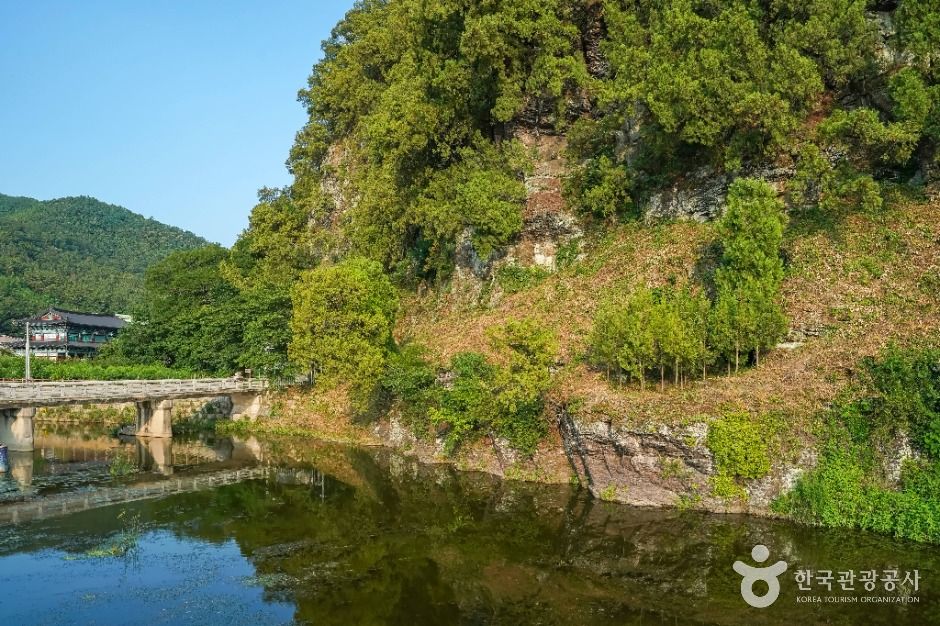
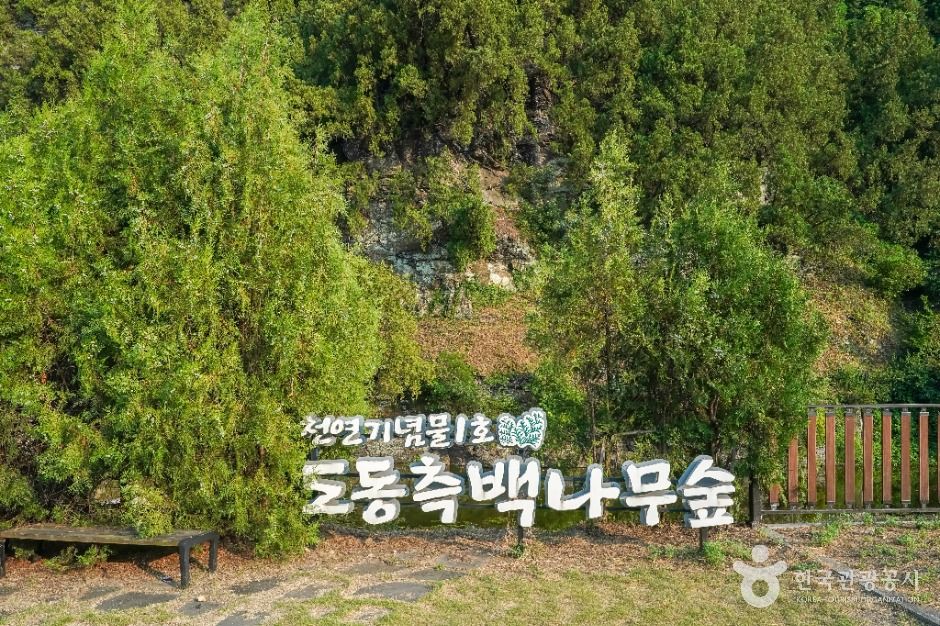
- The Southern Limit Line of the Dodong Cypress Forest serves as the southernmost boundary on the Korean Peninsula where cypress trees can grow. This holds very important significance in plant ecology research.
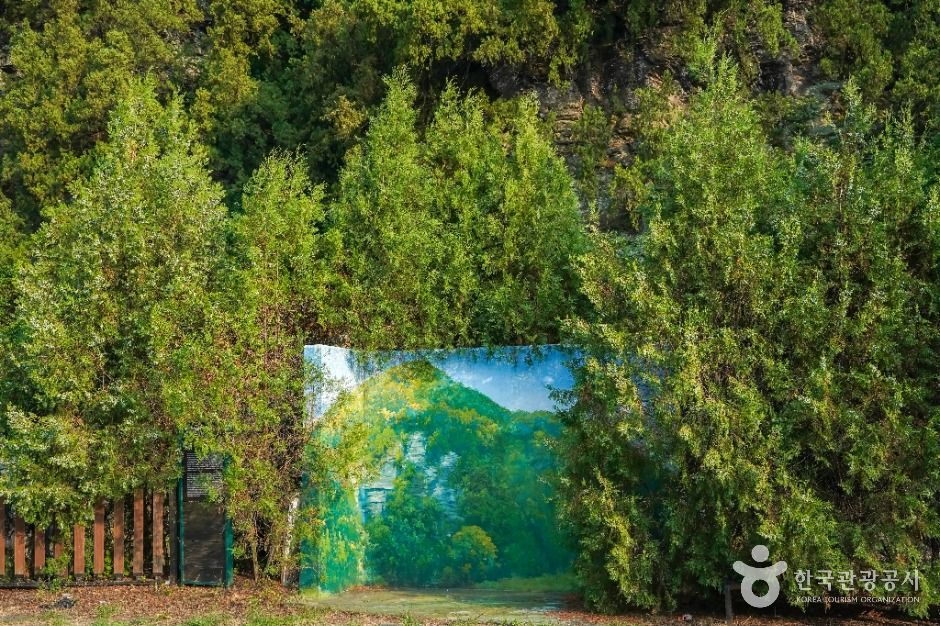
- Robust Vitality The sight of over 1,400 cypress trees (as of a 2016 survey) forming a colony and growing even in the extreme environment of rock crevices makes one realize the grandeur of nature.
Cypress Forest, Diverse Landscapes Blooming with Each Season
The Daegu Dodong Cypress Forest greets visitors by changing into completely different attire with the shifting seasons. In spring, light green new shoots emerge through the rock crevices, adding freshness. In summer, deep green foliage covers the entire cliff, exuding majestic vitality. In autumn, it sometimes creates a colorful spectacle with some maple trees, and in winter, the cypress trees’ spirit shines even brighter, maintaining their steadfast green hue amidst the snowy landscape adorned with white snow blossoms.
Four Seasons, Stories the Forest Tells
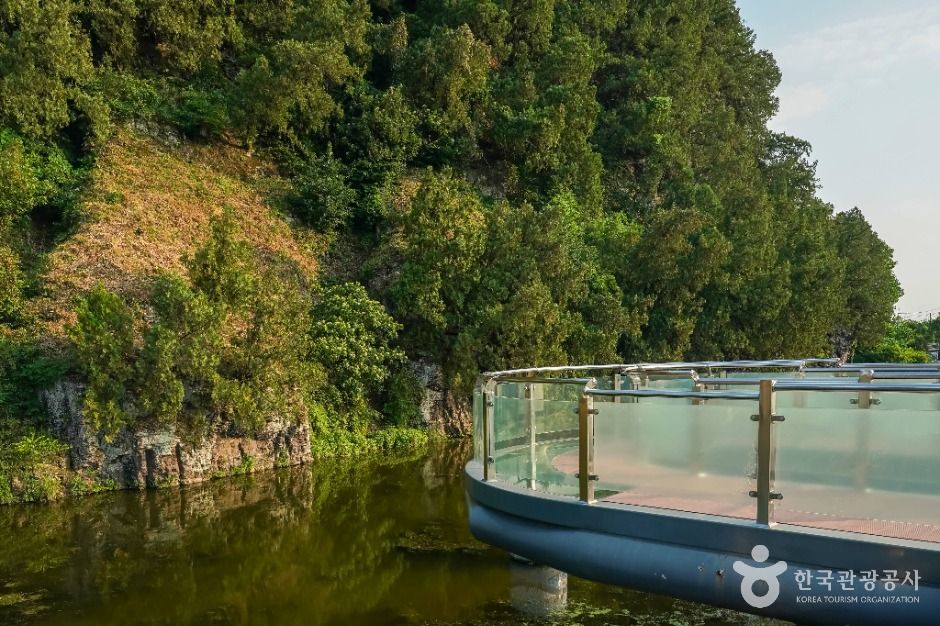
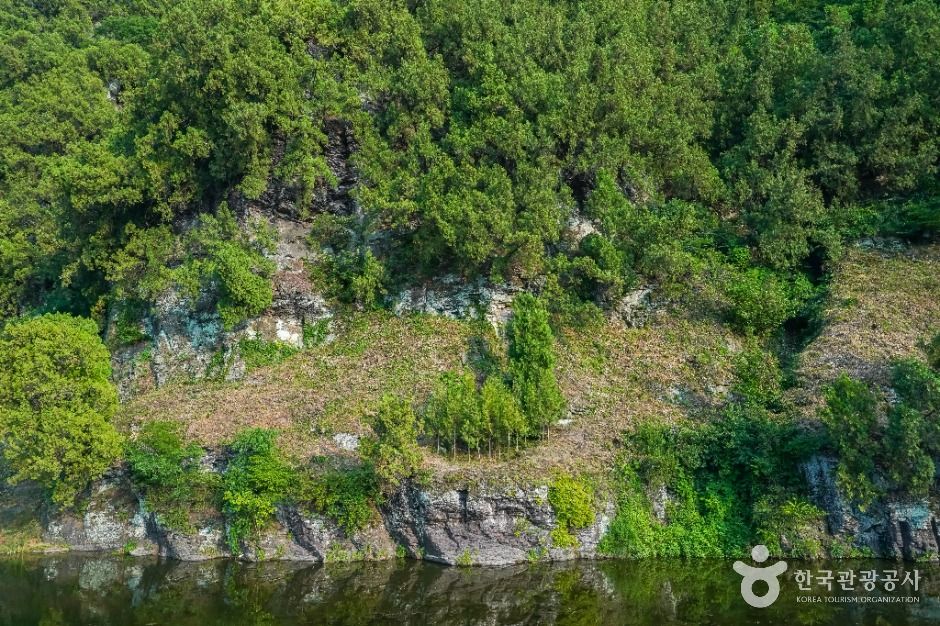
| Season | Forest appearance |
|---|---|
| Spring | Light green new shoots and fresh energy |
| Summer | The grandeur of deep green foliage covering the cliff |
| Autumn | Colorful hues blended with some autumn leaves |
| Winter | Unchanging green spirit even amidst the snowy landscape |
Daegu Dodong Cypress Forest, the Path to Nature
The journey to the Daegu Dodong Cypress Forest, where you can fully enjoy the wonders of nature, is not difficult. It is located in Dodong, Dong-gu, Daegu Metropolitan City, at the foot of Palgongsan Mountain, making it ideal to explore along with the surrounding scenery.
It is recommended to check the exact location on a map before visiting.
Public transportation vs. private car, what’s your choice?
- Public Transportation You can take a Daegu city bus route towards Palgongsan Mountain, alight at a stop near the Cypress Forest, and walk the rest of the way. It may take some time, but it’s great for leisurely enjoying the surrounding scenery.
- Private Car You can visit by searching for ‘Daegu Dodong Cypress Forest’ on your navigation system. Parking spaces are available near the forest, most of which are free to use. It is recommended for those who prefer convenient travel due to its accessibility.
The Heart that Protects the Forest, and Daegu’s Attractions to Visit Together
The Daegu Dodong Cypress Forest is more than just a natural heritage; it is deeply connected to the lives of local residents. Since 2007, an annual ritual has been held to protect the cypress forest, and in the 2018 ritual, members of the Gongsan Nongyo Preservation Society, an intangible cultural heritage of Daegu City, participated, adding to its significance. Furthermore, a 2016 survey accurately identified a total of 1,423 cypress tree individuals, including 1,232 mature trees and 191 seedlings. Thus, the forest continues its life amidst people’s interest and efforts.
Long-time friends of the Cypress Forest
If you visit the forest, why not explore the beautiful attractions nearby and experience Daegu’s charm more deeply?
Another Beauty Discovered Around the Forest
- Palgongsan Mountain is a famous mountain in Daegu located close to the Cypress Forest. It boasts various hiking trails and outstanding natural scenery, making it ideal for healing while breathing fresh air.
- Donghwasa Temple, a thousand-year-old temple nestled at the foot of Palgongsan Mountain, attracts many visitors with its beautiful temple architecture and peaceful atmosphere. After visiting the Cypress Forest, experience the tranquil ambiance of the temple.
Daegu Dodong Cypress Forest, Tips for a Deeper Encounter
Here are some tips for making the most of your experience at the Daegu Dodong Cypress Forest, a place full of natural wonders. This forest preserves its natural state rather than artificial landscaping, giving it a tranquil charm of its own. We recommend preparing in advance to fully enjoy the forest’s true beauty without inconvenience.
Essentials for Fully Experiencing the Forest
- Comfortable Shoes The forest trails are relatively flat, but as there are many natural dirt paths, it’s best to wear comfortable athletic shoes.
- Simple Water and Snacks There are not many convenience facilities within the forest, so it’s a good idea to prepare water and simple snacks in advance.
- Camera The magnificent sight of green cypress trees on the rock cliff is an undeniably beautiful landscape for photography. Capture some memorable shots.
- A Mind for Nature Preservation As it is a natural monument, please take your trash back with you and be careful not to harm the trees or plants.
- Check Seasonal Weather Especially in winter, there may be snow or icy paths, so be sure to check the weather before visiting and exercise caution for your safety.
The Daegu Dodong Cypress Forest tells a story of life that has firmly taken root even in a harsh environment. Time spent here will be more than just a trip; it will be a precious experience that prompts self-reflection in the face of nature’s tenacious vitality and wonder. Why not embark on a journey to this special forest today?
Frequently Asked Questions
Q1. Why is the Dodong Cypress Forest Natural Monument No. 1?
This forest has the longest designation history among Korea’s natural monuments and serves as an important botanical indicator marking the southern limit where cypress trees can grow on the Korean Peninsula. Its ecological value for plants is very high.
Q2. Is there an admission fee to visit the Cypress Forest?
No, Daegu Dodong Cypress Forest is a naturally open space that can be visited free of charge, without any separate admission fee. Anyone can freely enjoy the beauty of the forest.
Q3. What is the best season to visit the forest?
While it offers different charms throughout all four seasons, summer, when the green foliage is at its peak, and autumn, with its vibrant autumn leaves, are particularly beautiful. The freshness of spring and the snowy landscapes of winter are also sights not to be missed.
Q4. Are there any other nearby places to visit besides the forest?
Close to the forest is Palgongsan Mountain, a famous mountain in Daegu, where you can enjoy hiking or a cable car ride. Additionally, relaxing in the tranquil atmosphere of the thousand-year-old Donghwasa Temple is also a good option.
Q5. How large is the Cypress Forest, and how long does it take to view?
The cypress tree colony is formed along a rock cliff that is 10m high and 60m long. It may take approximately 1 hour to leisurely explore the entire forest and take photos. This can vary depending on individual pace.