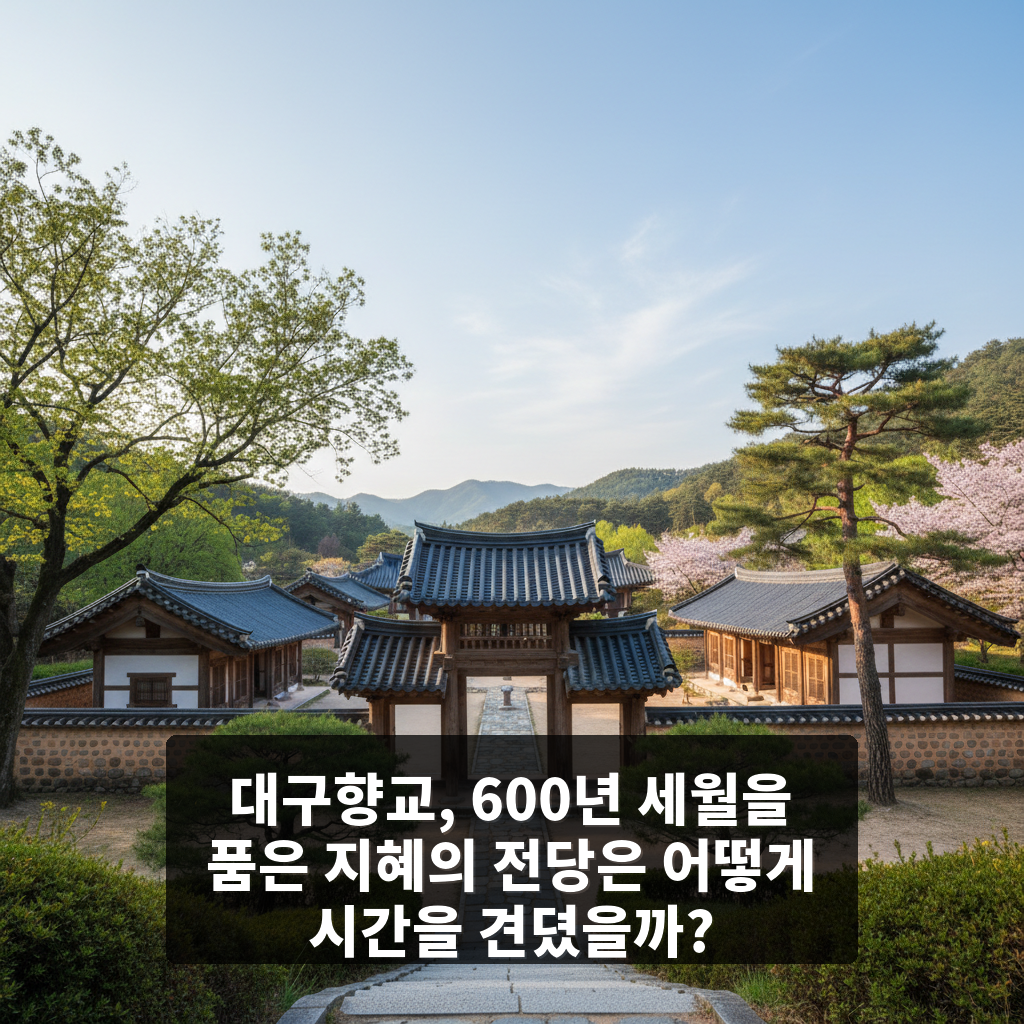
How has Daegu Hyanggyo, a hall of wisdom that has embraced 600 years of time, withstood time?


In the bustling heart of Daegu’s city center, when encountering the quietly breathing traces of history, it feels like taking a mysterious journey through time. Despite enduring numerous fires and relocations and steadfastly maintaining its place, what stories does Daegu Confucian School truly hold?
In a space imbued with the breath of a thousand years, as you walk tracing the teachings of sages and the footsteps of ancient scholars, you realize that this place is not merely an old building, but living history and cultural heritage. A place where you can glimpse the lineage of tradition that has continued to this day and Daegu’s deeply rooted educational spirit—that is Daegu Hyanggyo.
A Cradle of Wisdom that Bloomed Amidst the Flames of War
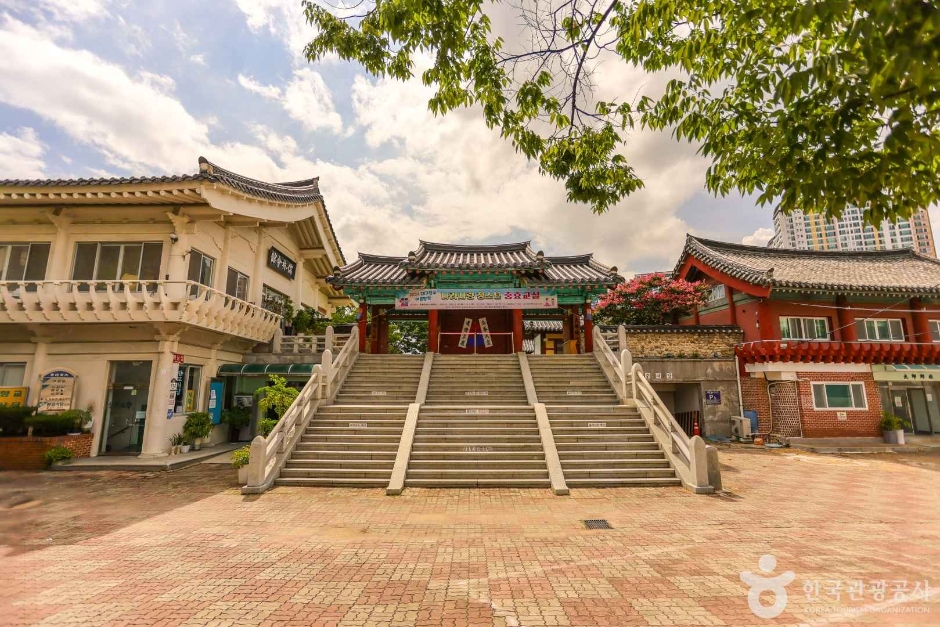
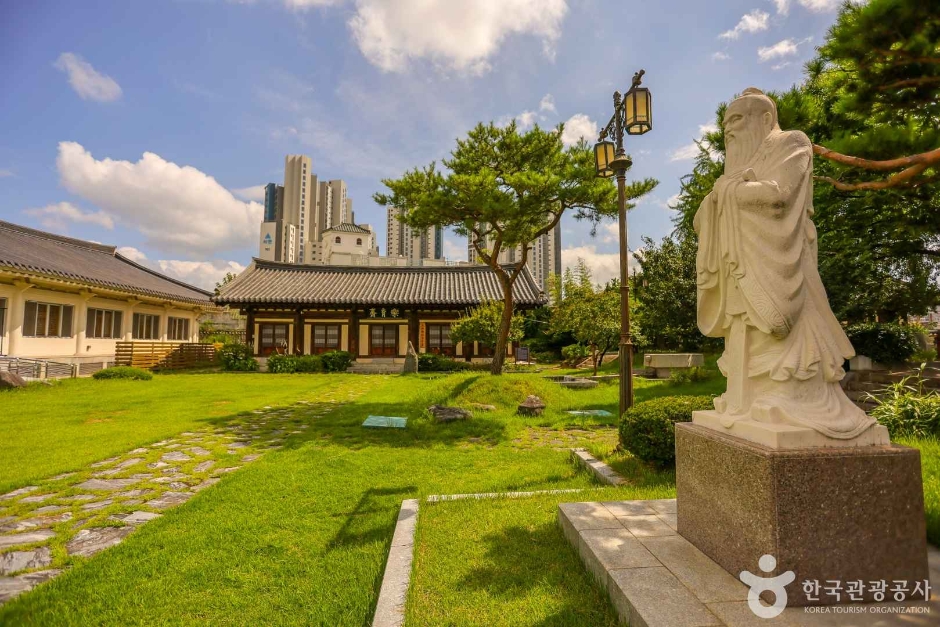
The Daegu Hyanggyo we face today holds a tumultuous history from its very beginning. As a local national educational institution, which performed two important roles: offering rites to sages and teaching students, this place silently endured periods of hardship.
Reborn from the Ashes, a History of Indomitable Spirit
- Establishment Period The exact founding date is unknown due to lost records, but it boasts a long history.
- First Destruction and Reconstruction It was burned down in 1400, but was immediately rebuilt, continuing the thread of education.
- Tragedy of the Imjin War It suffered the pain of being destroyed again during the Imjin War, but was rebuilt in the vicinity of the current Dalseong Park in the 32nd year of King Seonjo’s reign (1599).
- Relocation to Current Site After being moved to Gyodong in 1605, Myeongnyundang was rebuilt, and finally, in 1932, it was relocated to its current site, where it remains today.
Thus, Daegu Hyanggyo is not merely a building, but a place that has been continuously burned down and rebuilt, carrying on the lineage of wisdom and scholarship, making it a symbol of Daegu. Even amidst tumultuous times, the strong will of our ancestors who sought to protect the value of education is clearly felt.
Buildings and Stone Monuments Imbued with Traces of Long Ages
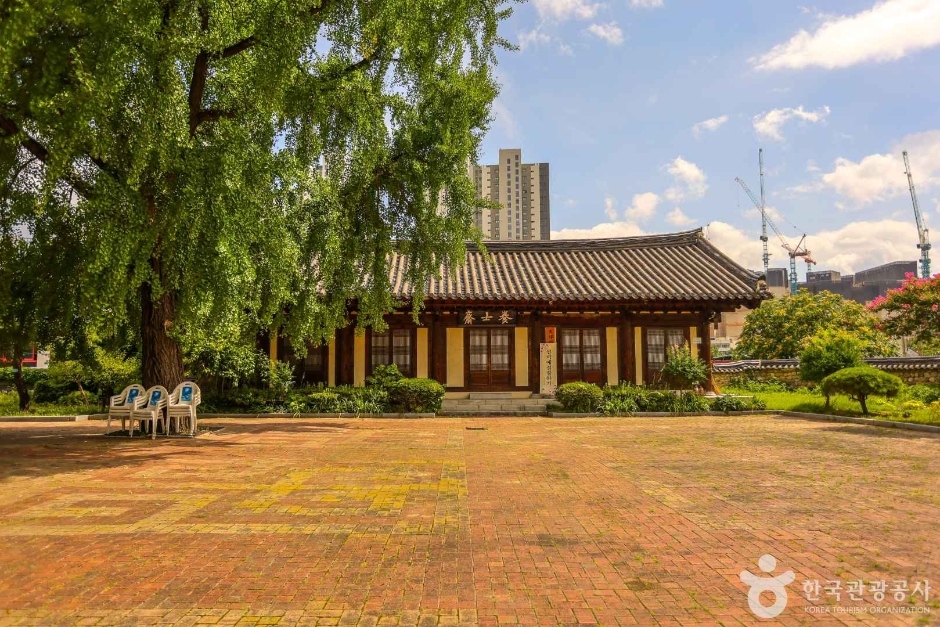
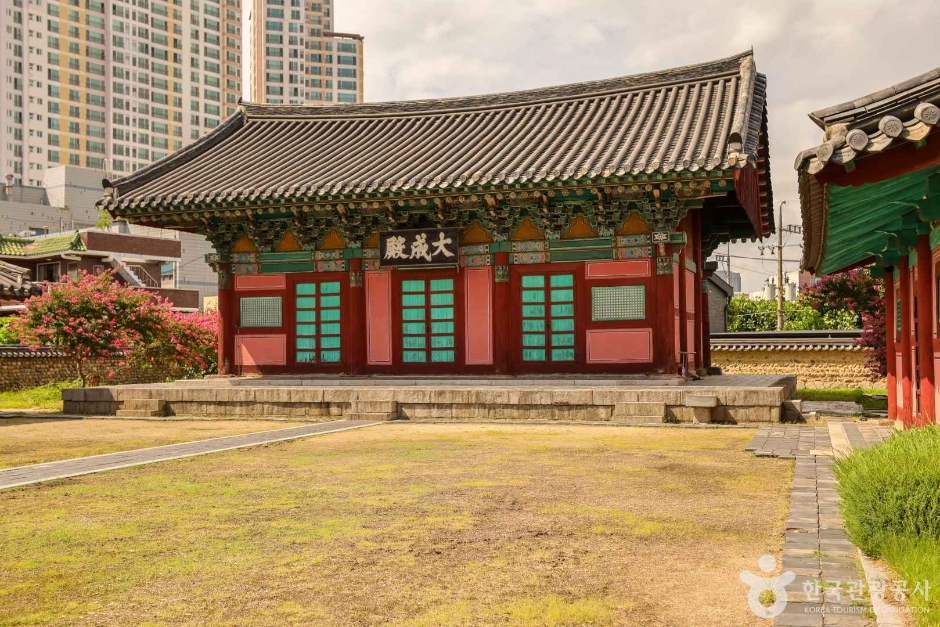
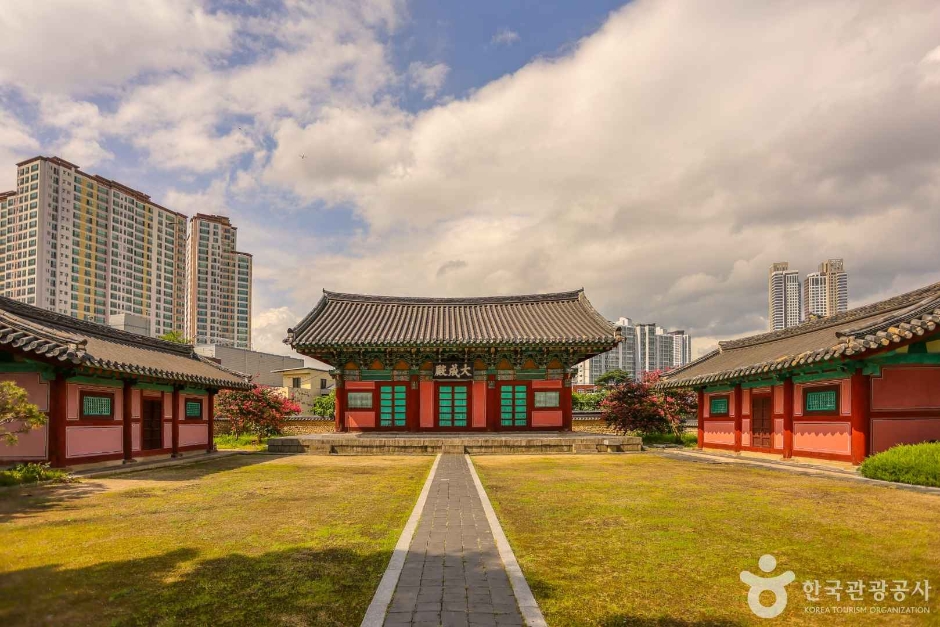
As you stroll through the Hyanggyo, you can encounter various buildings and stone monuments, as diverse as its long history. Major buildings, including Daeseongjeon and Myeongnyundang, show the typical appearance of Joseon Dynasty educational institutions, and the stories contained within them make visitors pause.
Spaces for Learning and Rituals, Building Descriptions
- Daeseongjeon This is where the ancestral tablets of sages enshrined in Munmyo are kept and ancestral rites are performed. It is one of the most sacred spaces.
- Myeongnyundang This was the lecture hall where students gathered to study Confucian scriptures and learn the virtues of benevolence, righteousness, propriety, and wisdom. Countless talented individuals must have been produced here.
- Dongjae (East Dormitory) and Seojae (West Dormitory) Located on either side of Myeongnyundang, these dormitories were where students from the provinces stayed and devoted themselves to their studies.
- Munmyo and Sammun These elements add to the solemnity of the Hyanggyo, allowing us to imagine its past grandeur.
Furthermore, throughout the Hyanggyo, various stone monuments testifying to Daegu’s history remain. Through the Chukseongbi (city wall construction monument) and Suseongbi (city wall maintenance monument) that record the construction process and origin of Daegu Fortress, one can imagine the appearance of old Daegu. One can also find Bulmangbi (commemorative steles) and Songdeokbi (tribute steles) honoring significant local figures such as Gyeongsangdo Governor, magistrates, and county chiefs, offering an interesting glimpse into various aspects of society at the time.
Connecting Past and Present: Changes in Daegu Hyanggyo’s Role
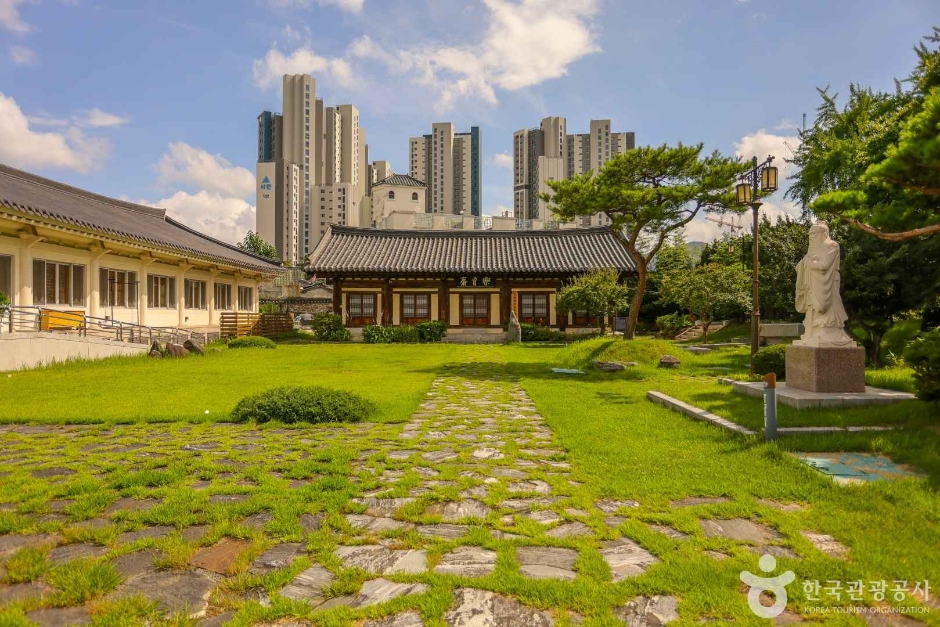
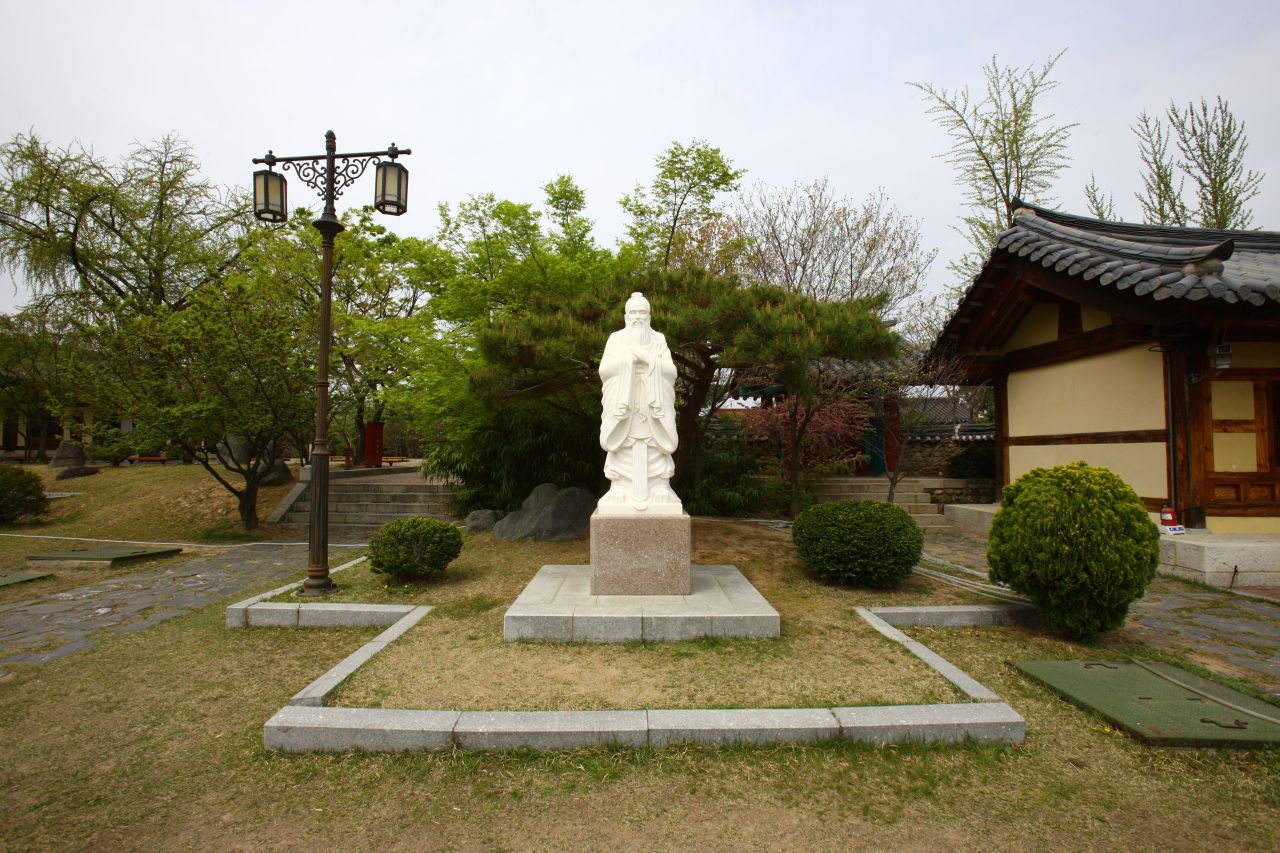
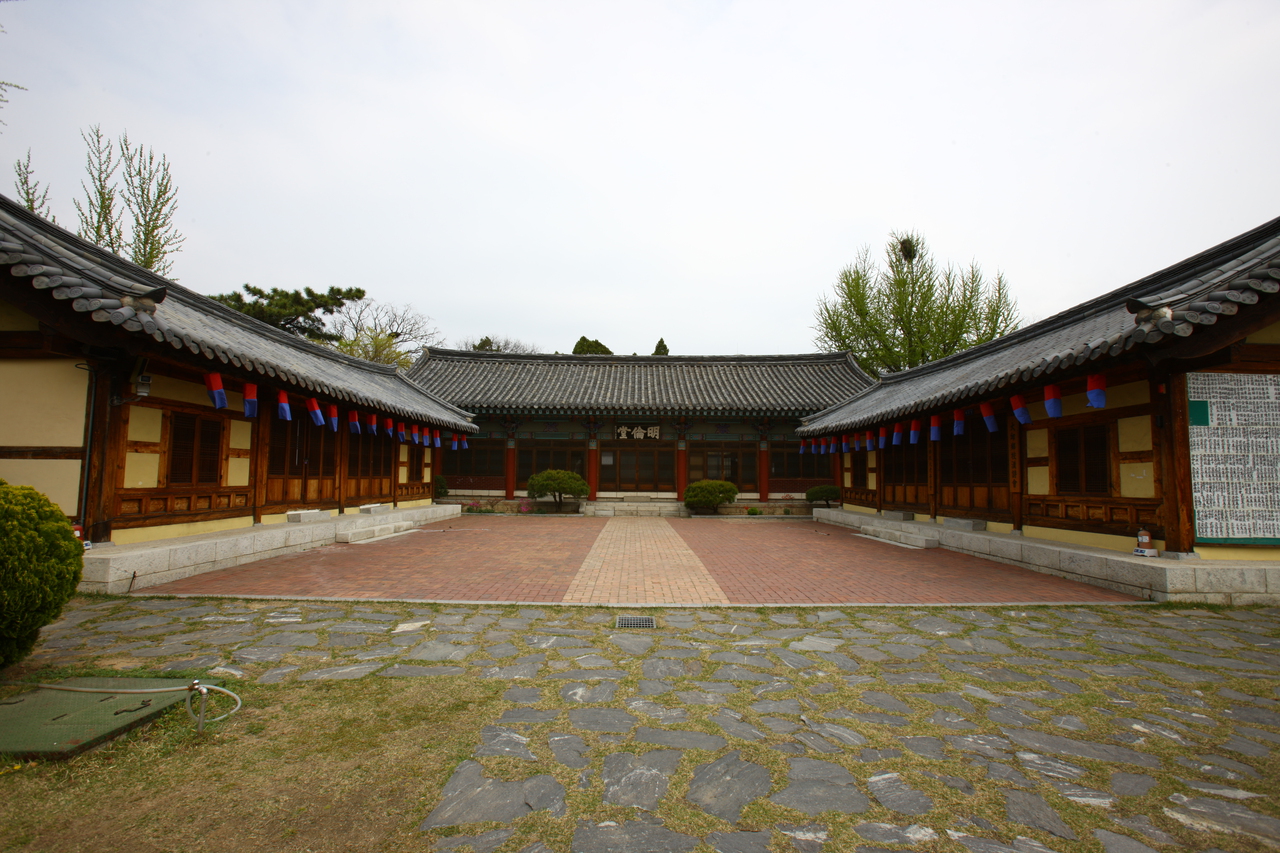
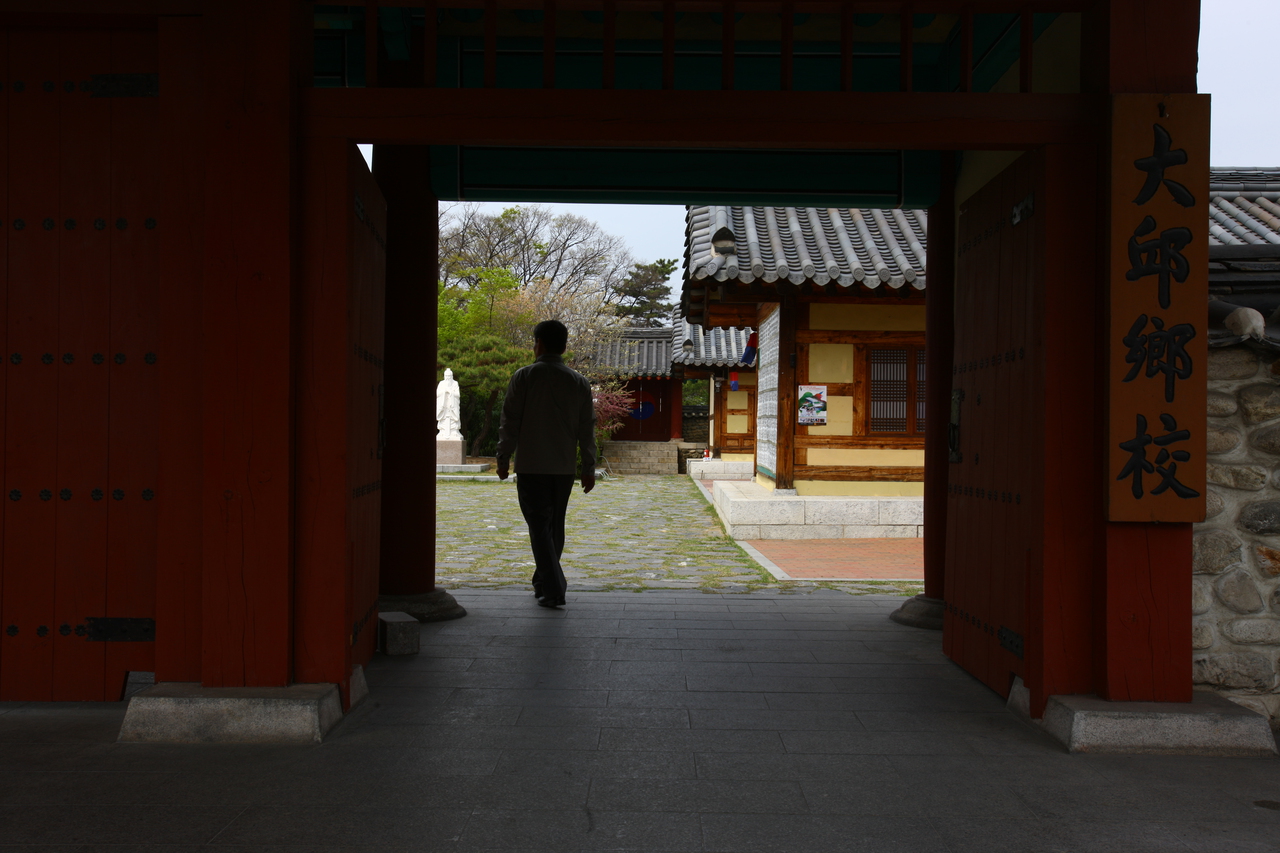
During the Joseon Dynasty, it was a national educational institution where instructors taught 30 students, receiving land, books, and slaves from the state. However, after the Gabo Reform and the introduction of a new educational system, its educational function virtually disappeared. Nevertheless, its spirit continues today: the Seokjeon (Confucian ritual) to honor sages is performed in spring and autumn, and incense is offered on the first and fifteenth days of each month, preserving Confucian traditions. These are important rituals that pass on the wisdom of the past to the present.
A Quiet Historical Journey in Daegu’s City Center, How to Enjoy Daegu Hyanggyo
If you wish to escape from your busy daily life and spend some tranquil time, Daegu Hyanggyo will be an excellent choice. Feel the breath of the past and explore the roots of Daegu.
Directions and Nearby Attractions
Located at 79 Myeongnyun-ro 15-gil, Jung-gu, Daegu, Daegu Hyanggyo is close to Daegu’s city center, offering good accessibility. In particular, Dalseong Park, which holds deep historical significance, is located nearby, so we recommend a course that combines a visit to the Hyanggyo with exploring other historical sites in Daegu. There are also many charming cafes and restaurants along the alleyways, making it perfect for spending leisurely time after your historical exploration.
Tips for a Deeper Daegu Hyanggyo Experience
- Stroll Quietly As the Hyanggyo was a space for scholarship and rituals, take time to walk and reflect in a quiet and reverent atmosphere.
- Observe Architectural Details By carefully observing the architectural styles, layouts, and dancheong (traditional decorative coloring) of each building, such as Daeseongjeon and Myeongnyundang, you can appreciate the beauty of ancient architectural techniques.
- Check Seokjeondaeje Schedule The Seokjeondaeje, held in spring and autumn, is one of the most important events at Daegu Hyanggyo. Checking the schedule and participating before your visit will make for an even more special experience. (Participation is free, but may vary depending on the event content).
- Explore Connected Cultural Heritage Nearby In addition to Dalseong Park, plan your own historical theme trip by connecting with various cultural heritage sites in Daegu, such as Modern Alley.
Frequently Asked Questions
Q1. What kind of place is Daegu Hyanggyo?
Daegu Hyanggyo was a local national educational institution during the Joseon Dynasty, where ancestral rites were offered to Confucian sages and students were taught. Currently, its educational function has disappeared, and it is preserved as a cultural heritage site where Confucian traditional rituals are performed.
Q2. Is there an admission fee for visiting?
Daegu Hyanggyo is mostly open to the public for free, allowing visitors to explore freely. However, special events or experience programs may be charged, so it is advisable to check before visiting.
Q3. What are the main buildings to see at Daegu Hyanggyo?
These include Daeseongjeon, Myeongnyundang, Dongjae, Seojae, Munmyo, and Sammun. Particularly, Daeseongjeon is where the ancestral tablets of sages are enshrined, and Myeongnyundang was the lecture hall where students studied.
Q4. Are there any places worth visiting nearby the Hyanggyo?
Yes, Dalseong Park, Daegu’s representative historical park, is nearby. It is also close to the Daegu Modern Alley tour course, allowing visitors to experience Daegu’s history and culture in depth by visiting both.
Q5. Are there any special events held at Daegu Hyanggyo?
The Seokjeondaeje (Confucian ritual), which honors Confucian sages, is held every spring and autumn. Additionally, incense offerings are made on the first and fifteenth days of each month, and traditional culture experience programs are occasionally operated.