
Jeongjo’s filial piety and Sado Seja’s traces, the story hidden in Yeonggoedae


Have you ever stumbled upon a page of history, and the hidden stories behind it made you stop in your tracks? In Asan Onyang, there is a special place that fully embodies the sorrow of Crown Prince Jangheon (Crown Prince Sado) and the profound filial piety of King Jeongjo: Yeonggoe Dae. If you think it’s just a place with an old stele and zelkova trees, that’s a big mistake.
This was the place where the young Crown Prince, who accompanied King Yeongjo on his trip to Onyang, practiced martial arts, and the Crown Prince himself ordered three zelkova trees to be planted to commemorate this. As time passed, by King Jeongjo, the son who wished to honor his father’s traces, the present-day appearance of Yeonggoe Dae was completed. Shall we explore this place where the profound story of a family and the history of the royal family are intertwined?
Filial Piety Blossoming Amidst Painful History: The Secret Story Behind the Birth of Yeonggoe Dae
It was when King Yeongjo made a royal procession to Onyang’s royal palace. At that time, Crown Prince Jangheon, or Crown Prince Sado, who carried a painful history, is said to have spent his time practicing martial arts here. The young Crown Prince, wishing to commemorate his presence, ordered Onyang Magistrate Yun Yeom to plant three zelkova trees. These zelkova trees later became the seeds for the foundation where Yeonggoe Dae would be located.
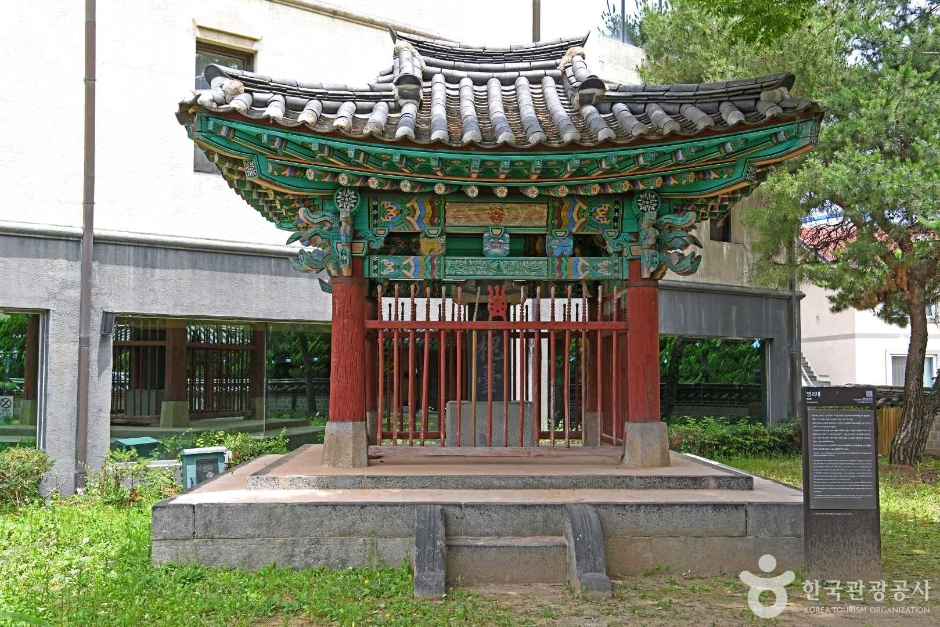
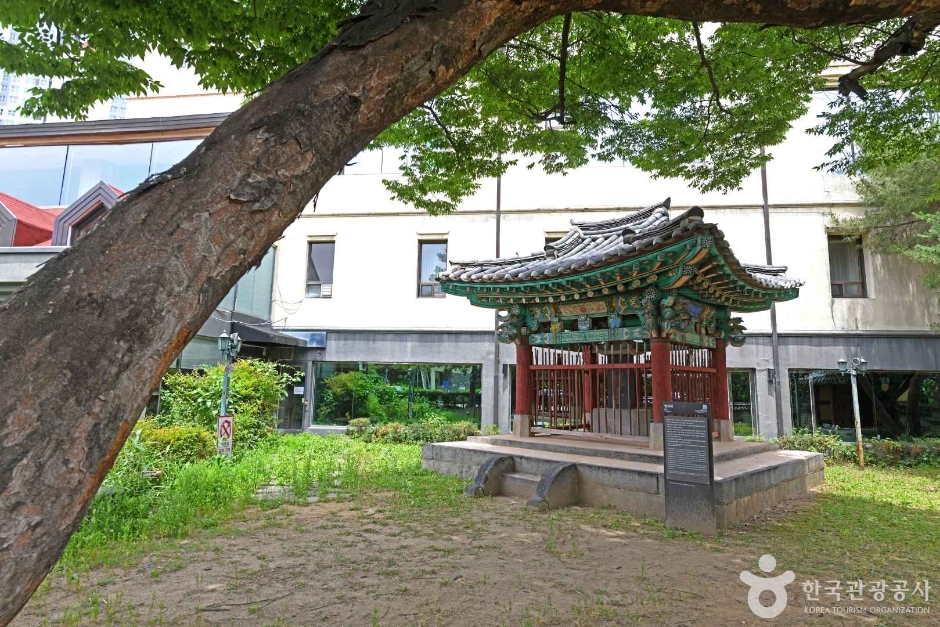
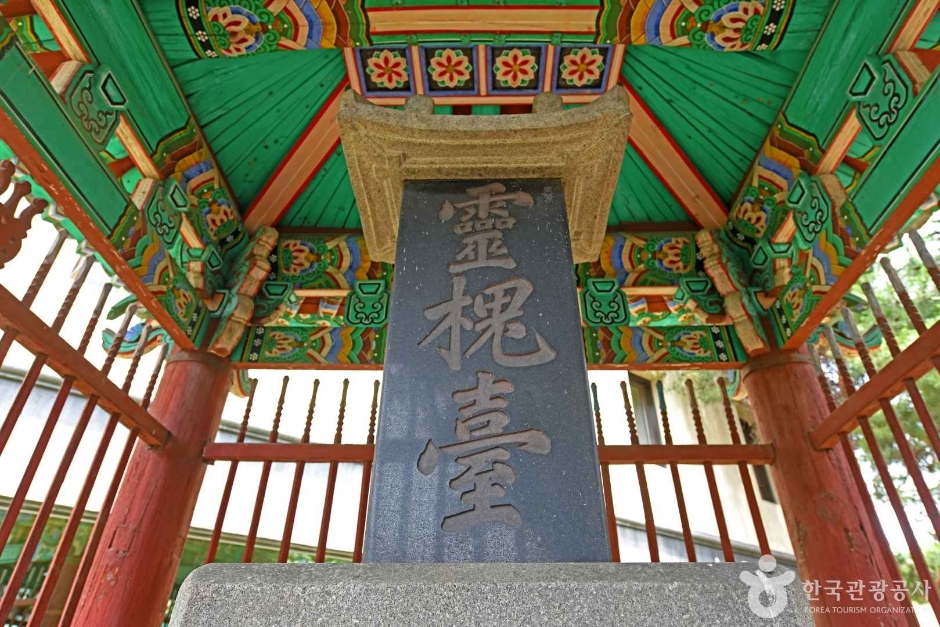
Years passed, and in 1795, 19 years after King Jeongjo, the Crown Prince’s son, ascended the throne. Jeongjo commanded that a platform (dae) be built here, a place imbued with memories of his father. He ordered Onyang Magistrate Byeon Wijin and Chungcheong-do Governor Yi Hyeongwon to proceed with the construction, and once the platform was completed, a stele (bi) recording the construction process and its meaning was erected next to it. The name ‘Yeonggoe Dae Bi’ inscribed on the front of the stele is said to have been personally written by Jeongjo, a passage that reveals his profound filial piety towards his father. Thus, Yeonggoe Dae is not merely a historical site, but a place that holds the poignant family history of a royal house.
Key Figures in the Construction of Yeonggoe Dae and Their Roles?
- Crown Prince Jangheon (Crown Prince Sado) Practiced martial arts during his trip to Onyang with King Yeongjo and ordered three zelkova trees to be planted.
- King Jeongjo To honor his father’s will, he erected a platform where the zelkova trees stood and bestowed his handwritten inscription ‘Yeonggoe Dae Bi’ on the stele.
- Yun Yeom (Onyang Magistrate) The person who planted the zelkova trees by order of Crown Prince Jangheon.
- Byeon Wijin (Onyang Magistrate) & Yi Hyeongwon (Chungcheong-do Governor) Responsible for the construction of Yeonggoe Dae by order of King Jeongjo.
Finding Your Way to the Historic Site: Location and Surroundings of Yeonggoe Dae
Yeonggoe Dae is currently located in Asan-si, Chungcheongnam-do. It was recognized for its value by being designated as a Cultural Heritage Material of Chungcheongnam-do in 1984. Located close to the city center, it offers good accessibility while allowing visitors to feel the breath of history in a quiet and tranquil atmosphere.
Places to Visit Around Yeonggoe Dae?
Klook.com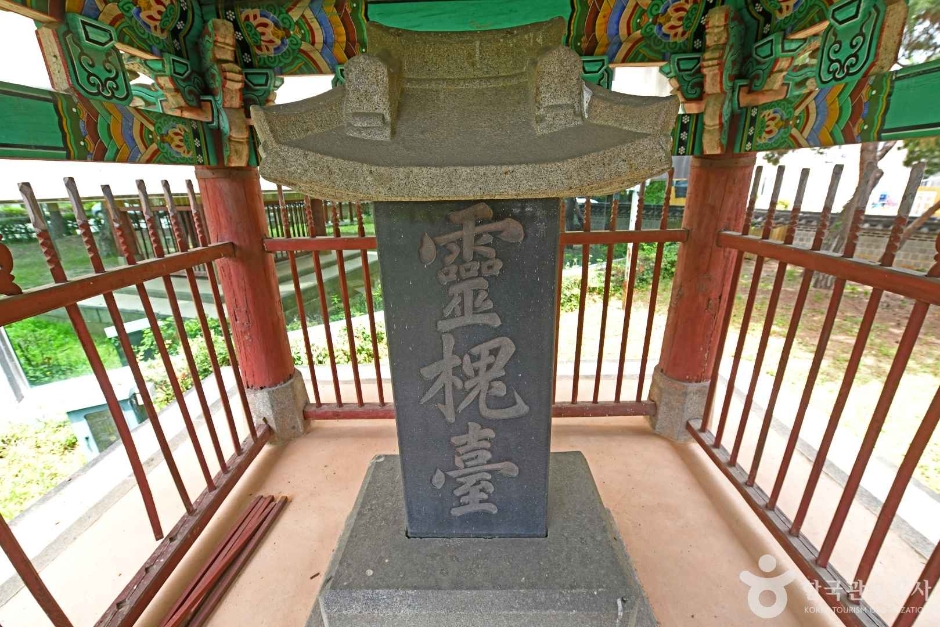
Hot Springs and Relaxation
- Onyang Hot Springs One of the oldest hot springs in Korea, it was historically used as a royal retreat. It’s a great place to relieve fatigue with a hot spring bath after visiting Yeonggoe Dae.
- Asan Spavis A family-friendly resort with various themed hot spring facilities and a water park.
History and Culture
- Hyeonchungsa Shrine A shrine housing the portrait of Admiral Yi Sun-sin, where you can reflect on the history of the Imjin War and honor the spirit of patriotism.
- Oeam Folk Village A folk village with traditional houses dating back to the Joseon Dynasty and beautiful natural scenery, where you can feel as if you are traveling through time.
Tips to Make Your Visit to Yeonggoe Dae More Meaningful
Your Personal Yeonggoe Dae Experience Checklist
- Look up the interpretation of the Yeonggoe Dae stele inscription. If you look up the content of the inscription, which contains King Jeongjo’s filial piety, beforehand, your visit will be even more profound.
- Read up on the story of Crown Prince Sado in advance. If you visit with an understanding of Crown Prince Sado’s life and death, and King Jeongjo’s anguish, which you might have only encountered in dramas or movies, you can fall into deeper contemplation under the zelkova trees.
- Take a moment to rest under the zelkova trees. Under the descendants of the zelkova trees planted by the Crown Prince, reflect on the sorrow of the old royal family and the efforts of later generations to honor him, and enjoy a quiet moment.
- Visit in conjunction with nearby tourist attractions. Planning a day trip with nearby attractions such as Onyang Hot Springs and Hyeonchungsa Shrine will make your journey even richer. (Admission fees may apply for each facility, or they may be free)
The Message Yeonggoe Dae Gives to Us Living Today
Yeonggoe Dae is not merely an old stone stele and aged trees. It is a vivid historical site, containing the profound sentiments of a prince who once walked a tragic destiny and a son who wished to honor his father. Visiting this place will be a precious experience to reflect on past sorrows and re-examine the universal value of filial piety. In today’s complex world, how about pausing for a moment and walking along the traces of history? Yeonggoe Dae will be a quiet guide to awaken valuable forgotten virtues within us.
Frequently Asked Questions
Q1. What is Yeonggoe Dae?
Yeonggoe Dae is a historical site located in Asan, Chungcheongnam-do, where Crown Prince Sado practiced martial arts and planted zelkova trees during the reign of King Yeongjo of Joseon. Later, King Jeongjo built a platform and erected a stele there to honor his father’s will.
Q2. Who was involved in the construction of Yeonggoe Dae?
The construction of Yeonggoe Dae involved Crown Prince Sado, who practiced martial arts and planted the zelkova trees; King Jeongjo, who ordered the creation of the platform; and Onyang Magistrates Yun Yeom and Byeon Wijin, and Chungcheong-do Governor Yi Hyeongwon, who supervised the actual construction.
Q3. Who named it ‘Yeonggoe Dae Bi’?
The name ‘Yeonggoe Dae Bi’ inscribed on the front of the stele erected next to Yeonggoe Dae was personally written by King Jeongjo. This is evidence of King Jeongjo’s profound filial piety.
Q4. Is there an admission fee to visit Yeonggoe Dae?
Yeonggoe Dae itself is currently open to the public for free. However, please note that other nearby tourist attractions or museums may have separate admission fees.
Q5. What other attractions are near Yeonggoe Dae?
Around Yeonggoe Dae, there are various historical and recreational attractions such as Onyang Hot Springs, one of Korea’s oldest hot springs; Hyeonchungsa Shrine, the shrine of Admiral Yi Sun-sin; and Oeam Folk Village, where traditional houses are preserved.
 Love Korea? Promote it & Earn.