
Jeonju Osongje, a secret haven for creatures in the city center


Do you know about Osongje, an amazingly lush and life-filled wetland in the heart of Jeonju city? This is not just a water-filled swamp. It’s literally a ‘living museum’ where silent lives lead their existence in their own ways. If you want to pause your busy daily life and savor the wonders of nature, this is the place you’ve been looking for.
Osongje is a treasure trove of ecosystems where alder trees, called ‘oxygen factories’, form a colony, playing a significant role as the lungs of the city, and where rare insects and aquatic creatures, only found in clean areas, coexist. Shall we now embark together into its mysterious charm?
Osongje, The Vitality Breathing in the Lungs of the City
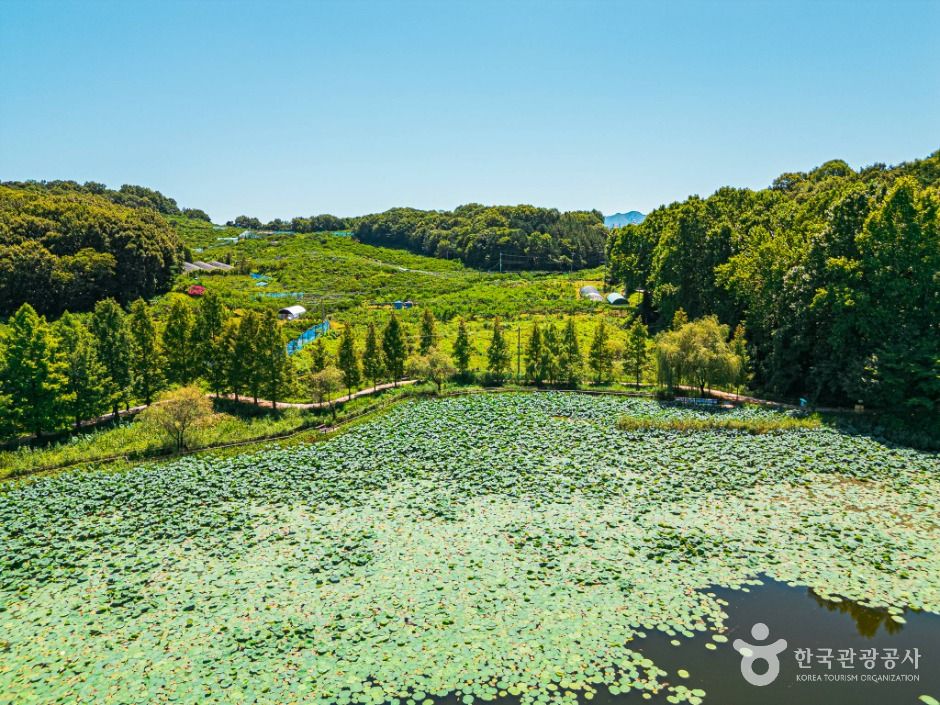
Located in the heart of Jeonju city, Osongje is a tranquil and vibrant space that contrasts with the noise of the bustling city. This wetland, with a full water area of 3.5 hectares and a total storage capacity of 47,200 cubic meters, goes beyond a simple reservoir, forming a small universe where various living organisms coexist.
Oxygen Factory Alder Forest, Its Green Secret

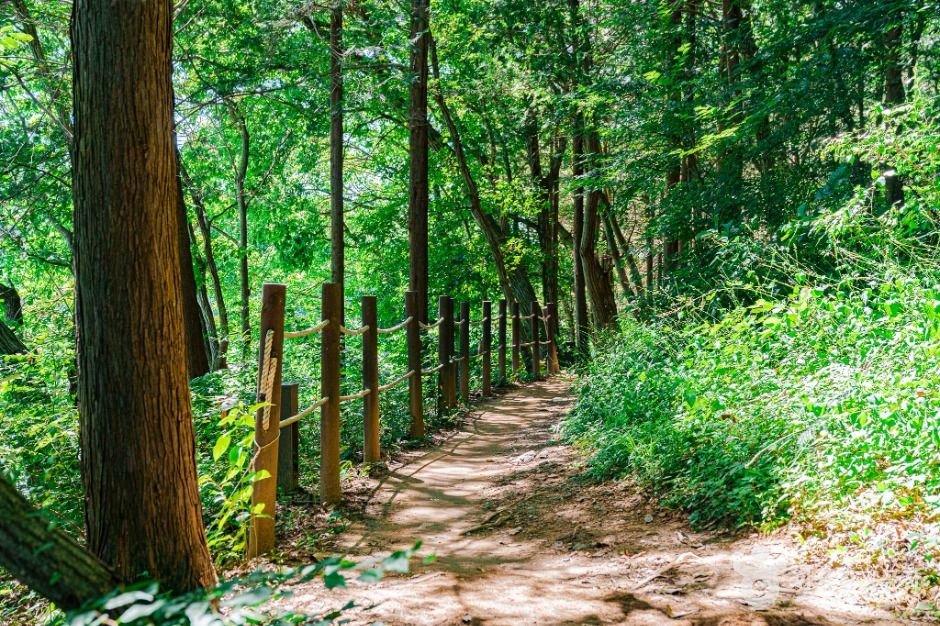
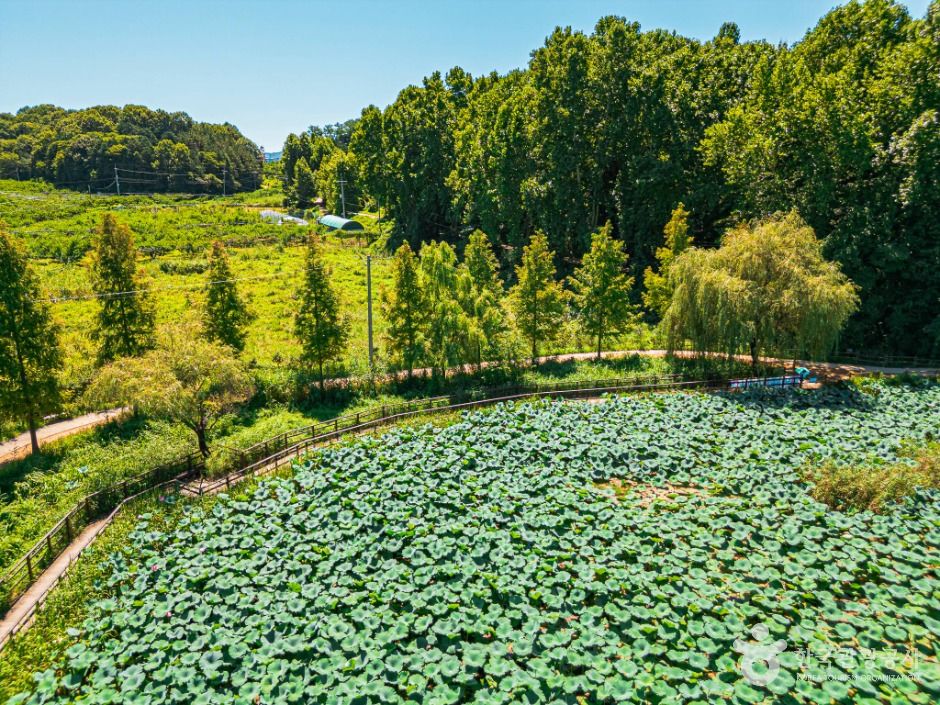
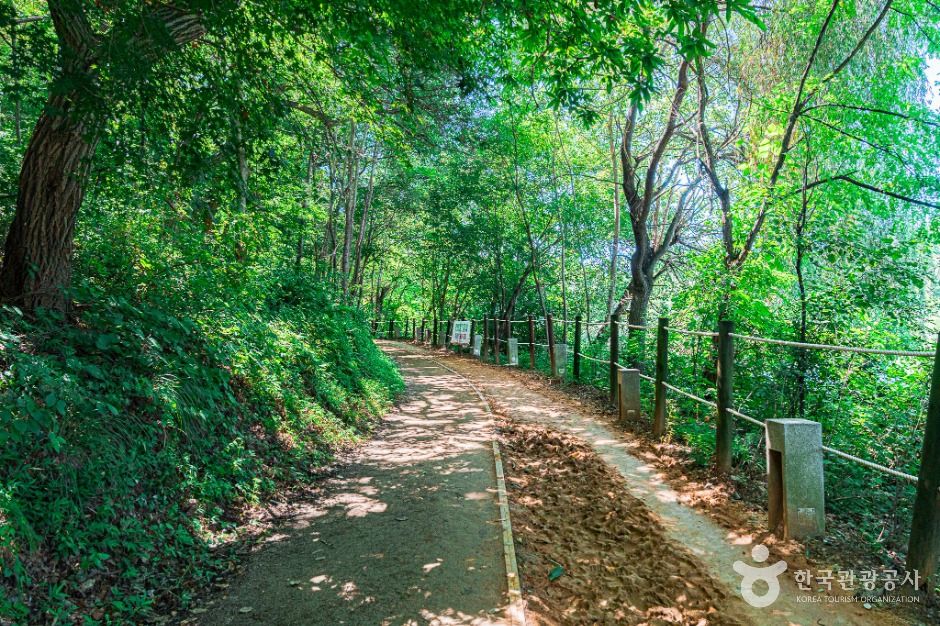
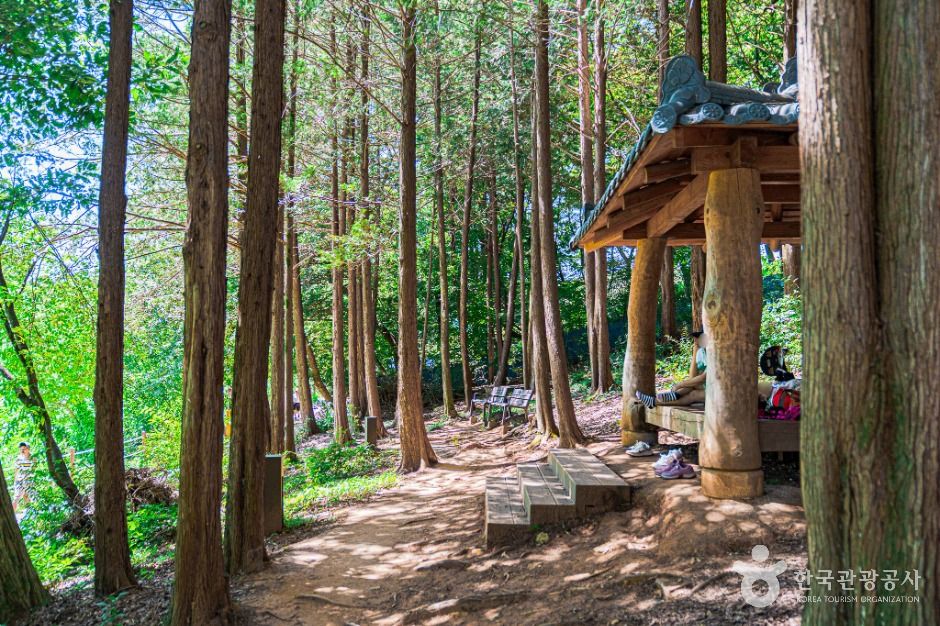
The area around Osongje is surrounded by a vast forest of alder trees that absorb carbon dioxide and produce oxygen. Thanks to this, the place is always filled with fresh and clear air, living up to its nickname ‘Oxygen Factory’. Just walking along the lush alder forest path can make you feel as if your body and mind are purified.
- Alder Colony A representative symbol of Osongje, where you can enjoy the clear air provided by the forest.
- Eco-friendly Role Performs the important function of purifying the city’s air through carbon dioxide absorption and oxygen production.
- Seasonal Changes Offers different beauty each time: pale green sprouts in spring, deep green foliage in summer, autumn leaves in fall, and serene snowy landscapes in winter.
Particularly in the upper reaches of Osongje, a colony of ‘Octopus plants’, designated as rare and endangered plants by the Korea Forest Service, forms a colony, giving it even more special ecological value. It provides visitors with a rare opportunity to observe plants that are not commonly seen.
Paradise of Insects, Osongje a Vivid Ecological Museum
Osongje is an ecological treasure trove where various living organisms, from terrestrial insects to aquatic creatures, live. Insects that inhabit only clean areas make this place their home. Pause for a moment and observe the movements of these small creatures.
Special Friends You Meet at Osongje
- Blue-bodied Dragonfly A dragonfly characterized by its bluish body, easily seen by the water’s edge.
- Yellow Dragonfly A beautiful dragonfly conspicuous for its yellow wings and body.
- Banded Dragonfly A rare dragonfly with unique wing patterns, which you might be lucky enough to spot.
- Grasshopper Discover cute grasshoppers hopping amidst the green grass.
- Water Scorpion A unique aquatic insect that searches for food underwater.
- Beetle You can observe shiny-bodied beetles moving through the bushes.
- Nepal Butterfly, Buddha Butterfly Butterflies with splendid and mysterious wings glide among the flowers.
- Water Strider An amazing insect that glides over the water as if sliding.
Quiet Movements of Aquatic Life
Osongje is rich not only in terrestrial but also in aquatic ecosystems. Various aquatic plants such as cattails, reeds, and pondweeds grow, and 8 species of fish from 4 orders and 5 families, including crucian carp, carp, minnows, and bullhead catfish, inhabit them. The quiet drama of life unfolding underwater is also an important charm of Osongje.
- Aquatic Plants Cattails, reeds, pondweeds, etc., add to the beauty of the wetland and contribute to water purification.
- Various Fish Species Freshwater fish such as crucian carp, carp, minnows, and bullhead catfish live peacefully here.
Invitation to Osongje: Directions & Nearby Attractions
Osongje, a treasure trove of nature in the city center, is located at 60 Osong 1-gil, Deokjin-gu, Jeonju-si. With orchards and rice paddies nearby, you can experience a peaceful atmosphere different from the city center. When using public transport, it is easily accessible by bus from Jeonju Station or the intercity bus terminal, and if driving, you must use nearby parking facilities.
Osongje Healing Walk, Four Seasons Course Suggestion
| Season | Recommended Activity | Feeling |
|---|---|---|
| Spring | Walk through the alder forest path with sprouting leaves, observe rare Octopus plants. | Vibrant beginning, freshness |
| Summer | Observe dragonflies in the green wetland, relax in the shade. | Cool relaxation, full of vitality |
| Autumn | Enjoy the golden reed fields, savor the tranquil wetland scenery. | Season of contemplation, peacefulness |
| Winter | The charm of the snow-covered wetland, migratory bird watching (possibility) | Quiet beauty, tranquility |
Osongje is surrounded by Geonjisan, so after exploring the wetland, enjoying a light hike along the Geonjisan walking trail or exploring the nearby Jeonju University campus is also a good option. Major tourist attractions in Jeonju, such as Jeonju Hanok Village, are also nearby, making it good to visit in conjunction.
Smart Visiting Tips to Enjoy Osongje More Deeply
To fully experience Osongje, which preserves its natural beauty, it is good to remember a few things. Respect its ecosystem, and let visitors themselves become a part of nature.
- Nature Conservation Please take all trash with you, refrain from unnecessary interference with flora and fauna, and protect the ecosystem. It is important not to feed wild animals.
- Preparations Comfortable shoes are a must! Bringing water, a hat, and insect repellent during summer will help ensure a pleasant visit.
- Observation Time Early morning or dusk is when creatures are most active. You can observe bird songs and insect movements more vividly.
- Photography Refrain from using flash, and capture the natural appearance while respecting it. Flash can cause stress to wild animals.
- Minimize Noise Walk slowly as if meditating in the quiet nature, and refrain from loud conversations to avoid disturbing other visitors and nature.
Jeonju Osongje is a jewel-like space that offers true rest and inspiration to modern people exhausted by city life. Please set everything aside for a moment, connect with nature, and experience the special beauty of Osongje with all five senses.
Frequently Asked Questions
Q1. Is there an admission fee for Jeonju Osongje?
Osongje is an ecological park open to citizens, and can be used free of charge without a separate admission fee. You can visit freely anytime and enjoy nature.
Q2. What kind of flora and fauna can mainly be seen at Osongje?
You can observe alder colonies, rare Octopus plants, various insects including Blue-bodied dragonflies and Yellow dragonflies, as well as 8 species of fish from 4 orders and 5 families, including crucian carp, carp, minnows, and bullhead catfish. The creatures that appear vary by season.
Q3. When is the best time to visit Osongje?
Osongje offers different charms throughout all four seasons. In spring, the sprouts are beautiful; in summer, the greenery and insects; in fall, the reeds and autumn leaves; and in winter, the serene snowy landscape. It’s good to visit anytime depending on personal preference.
Q4. Is it good to visit with Childchildren?
Yes, Osongje is an excellent place for children’s nature studies. It is highly recommended for family visitors as they can directly observe various flora and fauna and have an ecological educational experience.
Q5. Are there convenience facilities around Osongje?
Osongje is a space focused on natural ecological preservation, so there are not many commercial convenience facilities. Basic resting areas are provided, but it is advisable to prepare any necessary items in advance.