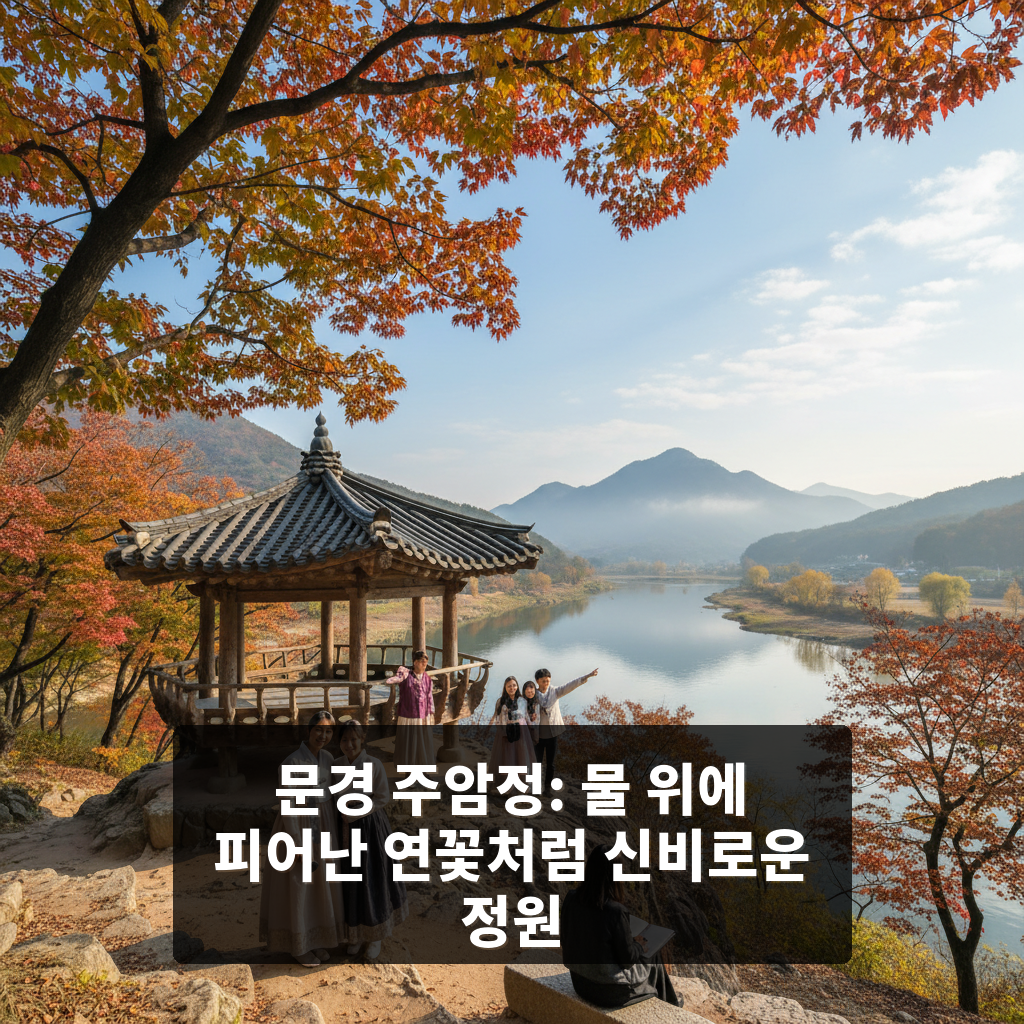
MunGyeong Juamjeong: A mystical garden like lotuses blooming on water


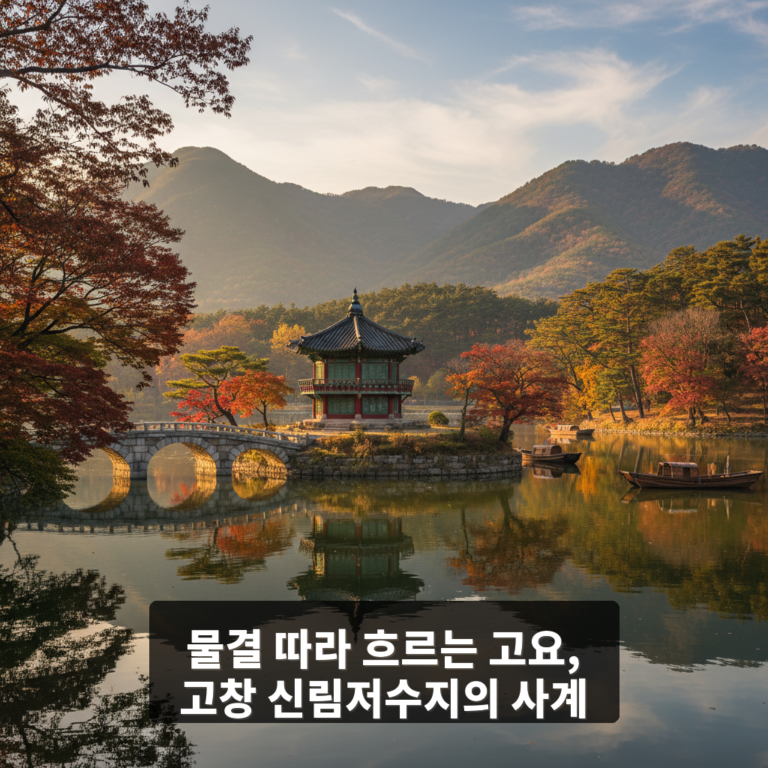
Have you ever imagined it? A pavilion that boasts a mysterious appearance, as if a boat is floating on a small pond. From afar, the picturesque scenery takes your breath away, and up close, you can feel the breath of history imbued in the tranquility. That is the first impression of Juamjeong, located in MunGyeong, Gyeongsangbuk-do.
Especially in summer, the pond is full of blooming lotus flowers, and orange trumpet vines bloom profusely around the pavilion, creating an enchanting spectacle. Shall we explore how the wisdom of Joseon scholars and the beauty of nature harmonized in this place, where time seems to stand still?
Aren’t you curious what stories Juamjeong holds and what moments it will gift us? We invite you into its ever-changing charm, which dons different attire with each season.
Wisdom emerging on water, the tranquil story of Juamjeong
Juamjeong, peacefully nestled in Seojung-ri, Sanbuk-myeon, MunGyeong-si, was built to commemorate Juam Chae Ik-ha, a Joseon Dynasty Confucian scholar. This place is special because the pavilion was built on a boat-shaped rock in a small pond. It is said that the name ‘Juamjeong (舟巖亭)’ was given to it, meaning ‘pavilion built on a boat rock.’
The origin of the pavilion imbued with spirit
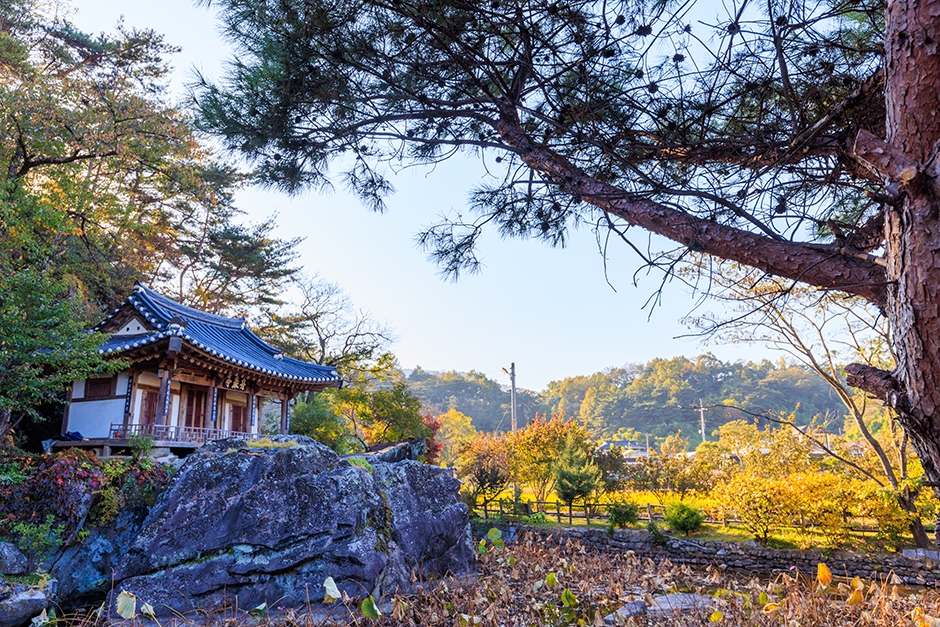
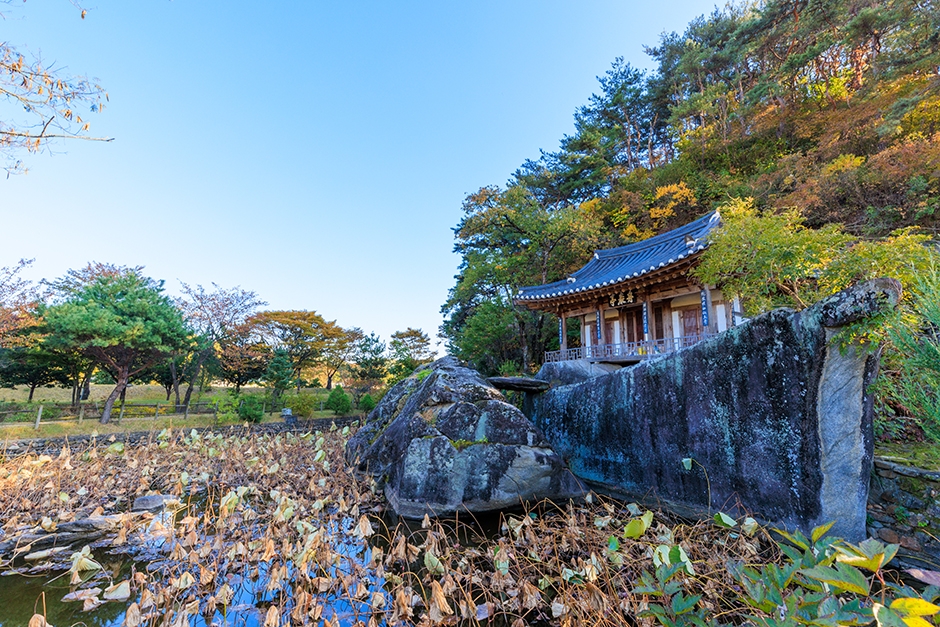
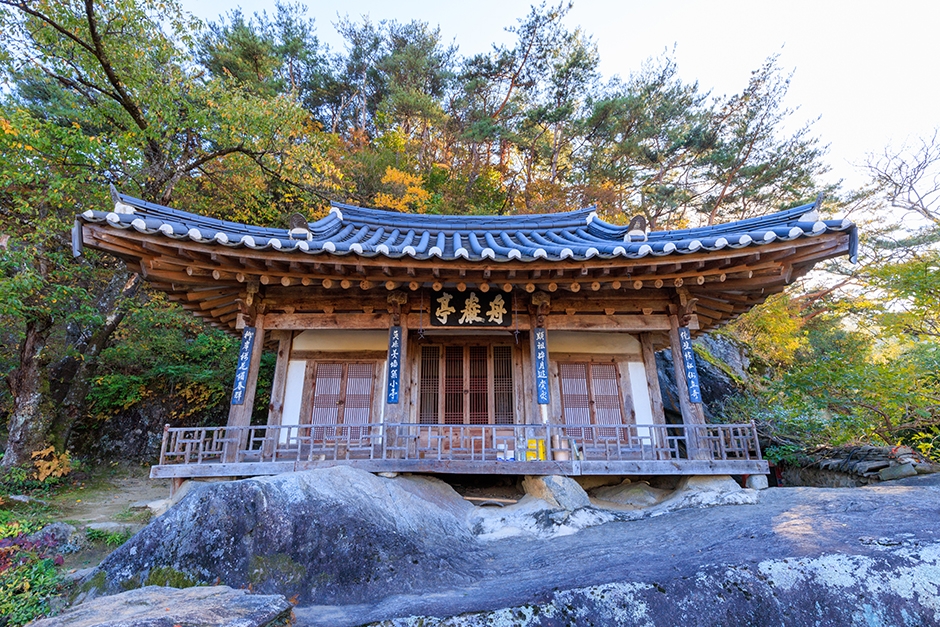
Beyond commemorating the scholarship and virtue of Master Chae Ik-ha, it fully embodies the spirit of scholars who enjoyed deep contemplation in nature. The unique shape of the rock in the pond further enhances the beauty of the pavilion, naturally evoking admiration from viewers. This place is not merely an architectural structure but a work of art where nature and humans interact.
- Purpose of establishment To commemorate Juam Chae Ik-ha, a Joseon Dynasty Confucian scholar
- Origin of name Derived from the ‘boat-shaped rock’ in a small pond
- Historical value The essence of ancient architectural beauty that respects the spirit of scholars and nature
A feast of lotuses and trumpet vines, Juamjeong’s summer scenery
Juamjeong is one of MunGyeong’s most renowned beautiful pavilions, especially revealing its true charm in summer. The pond is filled with blooming lotuses, and trumpet vines gracefully embrace the pavilion, displaying their magnificent beauty and captivating visitors.
Four seasons, the diverse impressions Juamjeong offers
Klook.com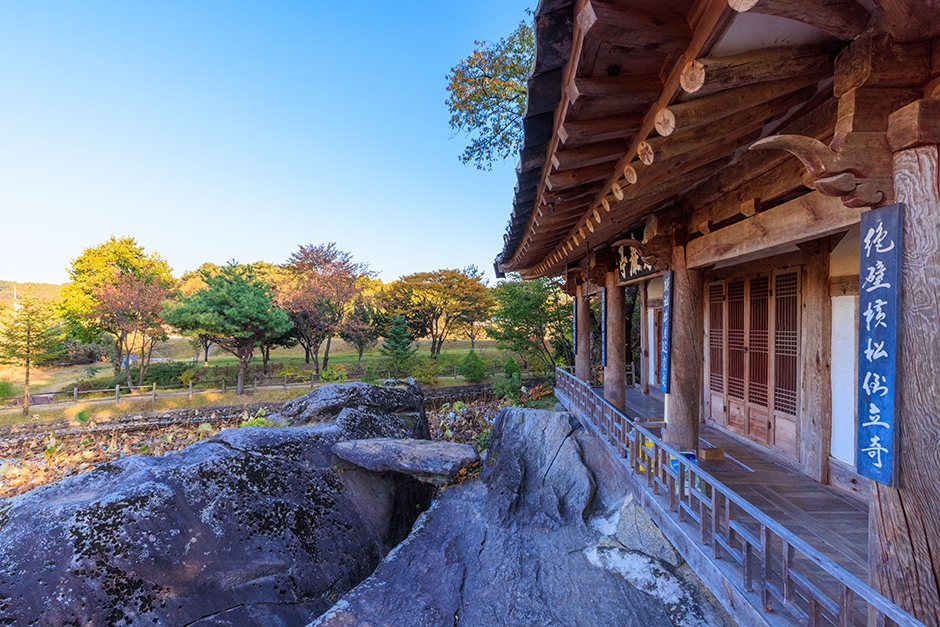
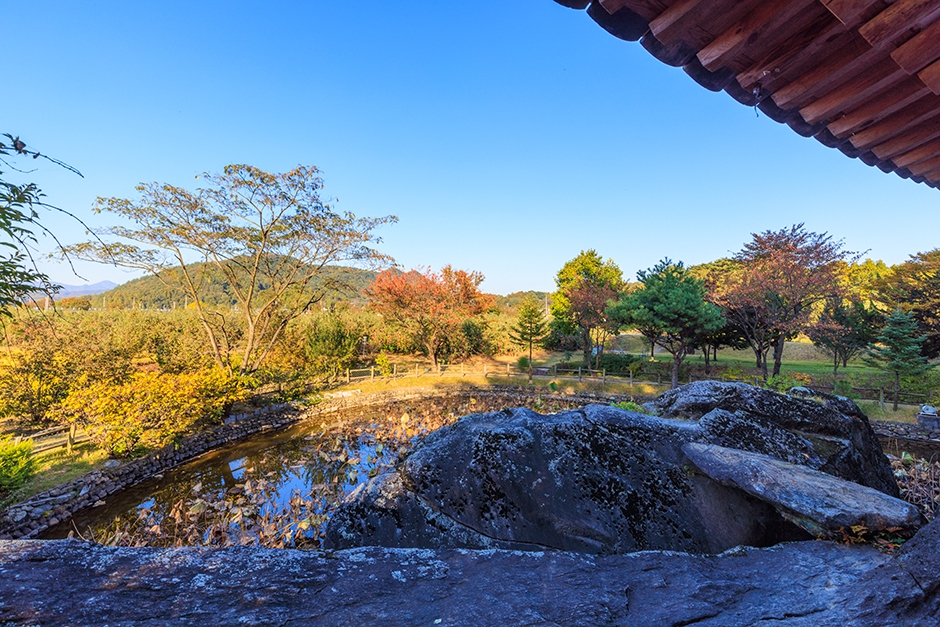
As splendid as its summer, Juamjeong welcomes travelers with different charms throughout all four seasons. In spring, fresh green foliage; in autumn, colorful autumn leaves; and in winter, tranquil snowscapes harmonize with the pavilion, creating a scene like an oriental painting. It holds a hidden beauty that you won’t regret visiting in any season.
| Season | Key Features of Juamjeong |
|---|---|
| Spring | Fresh green sprouts and new foliage embrace the pavilion, adding vitality. |
| Summer | A splendid harmony of lotuses blooming fully in the pond and trumpet vines coloring the pavilion. |
| Autumn | Colorful autumn leaves cast shadows over the pavilion and pond, creating a tranquil atmosphere. |
| Winter | A calm and mysterious snowscape created by the snow-covered pavilion and pond. |
Journey to Juamjeong, MunGyeong’s hidden gem
The path to Juamjeong feels like entering MunGyeong’s beautiful natural landscape. It is located in Seojung-ri, Sanbuk-myeon, MunGyeong-si, Gyeongsangbuk-do, and is conveniently accessible by car as it is not far from Jeomchon Hamchang IC.
Guide to arrival
Enter the address into your navigation system, and as you follow the road, the tranquil scenery of Juamjeong will unfold before your eyes. When using public transportation, you must take a bus operating within MunGyeong city, but as the service interval may be long, using a private car is recommended.
Transportation Tips for the Area
- Private Car Good accessibility, about a 15-minute drive from Jeomchon Hamchang IC. Parking is available for free.
- Public Transport MunGyeong city bus routes are available, but it is advisable to check the service intervals and plan your journey accordingly.
Where your footsteps lead to Juamjeong, experience the charm of MunGyeong together!
If visiting Juamjeong alone isn’t enough, there are many other attractions in MunGyeong worth exploring nearby. Plan a MunGyeong travel itinerary that encompasses both nature and history. It will add richness to your trip with a charm different from Juamjeong’s tranquility.
Recommended Course embodying the ambiance of MunGyeong
Essential MunGyeong Course to enjoy with Juamjeong
- MunGyeong Rail Bike Jinam Station You can have a unique experience riding on an old railway along the beautiful scenery of Jinamgyoban. Create unforgettable memories with family and loved ones. It’s not far from Juamjeong, making it a great place to visit together.
- Gomosanseong Fortress A historic mountain fortress built during the Silla Dynasty, climbing along its ramparts offers a panoramic view of MunGyeong city and the hidden beauty of the Yeonggang River. Especially at sunset, the scenery is breathtaking. It is a place where you can experience both history and nature simultaneously.
Besides these, MunGyeong is full of various sights and activities, such as MunGyeong Saejae Provincial Park and MunGyeong Ceramic Museum. How about creating your own MunGyeong travel itinerary centered around Juamjeong?
Juamjeong: Practical Advice for a Memorable Visit
While MunGyeong Juamjeong is great to visit anytime, knowing a few tips can help you create even more special memories. Especially, if you plan your visit considering the seasonal characteristics, you will have a satisfying experience.
Checklist for an Unforgettable Trip to Juamjeong
- Best time to visit Summer (mid-July to mid-August) when lotuses and trumpet vines are in full bloom is the most beautiful. Spring, autumn, and winter also have their unique ambiance, so visit according to your preference.
- Best photo spot Juamjeong viewed from the pond’s edge opposite the pavilion is the best photo zone. At sunrise or sunset, the light casting on the pavilion allows for even more stunning photos.
- Wear comfortable shoes It’s recommended to wear comfortable shoes as it’s great for strolling around the pavilion or walking along the pond.
- Embrace tranquility Juamjeong is not a bustling tourist spot but a place for contemplation and relaxation. Quietly listen to the sounds of nature and fully enjoy the serenity.
- Insect repellent preparations Mosquitoes and other insects may be present by the pond in summer, so it’s advisable to prepare insect repellent if needed.
Juamjeong is more than just a tourist destination; it’s a place where you can find true rest and inspiration in nature. We hope you fully experience MunGyeong’s beautiful scenery and the depth of its history here. You will surely fall deeply for the charm of this tranquil pavilion.
Frequently Asked Questions
Q1. What kind of place is MunGyeong Juamjeong, and why is it famous?
Juamjeong is a pavilion built to commemorate Chae Ik-ha, a Joseon Dynasty Confucian scholar. It boasts unique beauty, being constructed on a boat-shaped rock in a small pond. Especially in summer, the lotus flowers in the pond and the trumpet vines around the pavilion create a magnificent spectacle, making it one of MunGyeong’s representative natural attractions sought by many tourists.
Q2. When is the best time to visit Juamjeong?
While Juamjeong showcases different charms throughout all four seasons, summer from mid-July to mid-August, when lotuses and trumpet vines are in full bloom, is the best time to visit. The green leaves and colorful flowers blend to create a picturesque landscape.
Q3. What attractions are there around Juamjeong?
Around Juamjeong, you can have a unique experience riding on an old railway at MunGyeong Rail Bike Jinam Station, and at Gomosanseong Fortress, built during the Silla Dynasty, you can admire the beautiful panoramic views of MunGyeong. It’s recommended to combine these two places with Juamjeong to plan a travel itinerary.
Q4. Is there an admission fee for Juamjeong, or is it free?
Juamjeong is currently a natural attraction that can be visited for free without a separate admission fee. You are welcome to visit anytime to enjoy the beautiful scenery and tranquil atmosphere.
Q5. Where does the name Juamjeong originate from?
The name Juamjeong (舟巖亭) means ‘boat rock,’ using the characters ‘ju’ (舟) for boat and ‘am’ (巖) for rock. It is said that the pavilion was named this way because it was built on a boat-shaped rock floating on a small pond. True to its name, it is a unique and mysterious pavilion.
 Love Korea? Promote it & Earn.