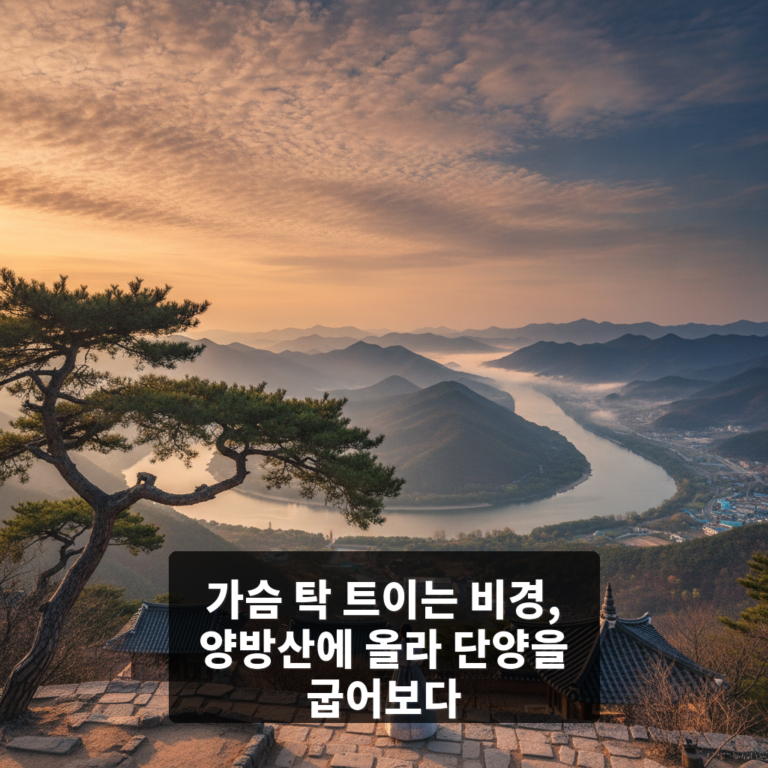
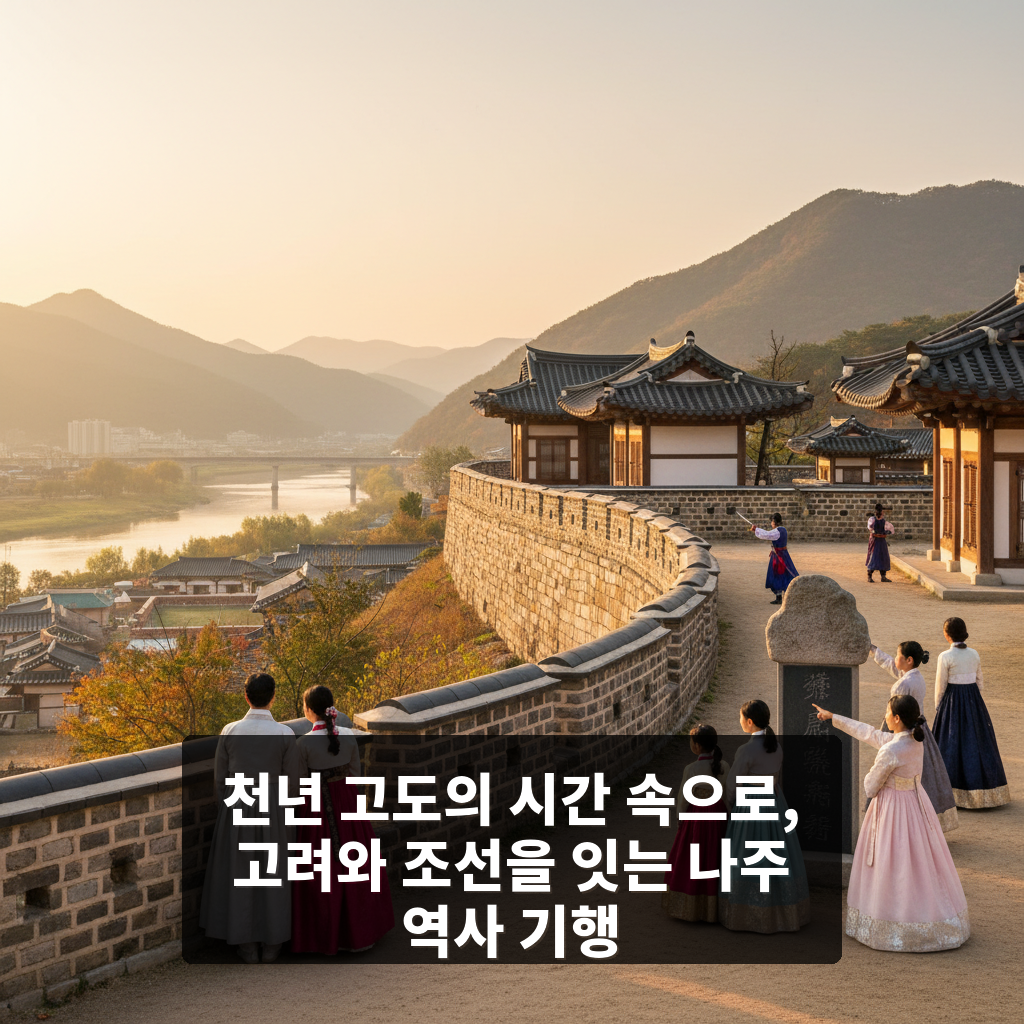
Naju historical tour connecting Goryeo and Joseon, into the time of the millennial ancient city


Have you ever suddenly read a thousand years of time from an old stone wall path or a quiet river? Naju, a city where past and present coexist, is a place that offers just such an experience. Through a Naju historical journey connecting Goryeo and Joseon, listen to the brilliant stories of this region that were deeply involved in every important turning point in the history of the Korean Peninsula.
From the spirit of Gyeon Hwon, who founded Later Baekje, to the romance of Wansacheon where Goryeo King Taejo Wang Geon later formed a bond with Queen Janghwa, and Naju, which was called the ‘Millennium Magistrate’s Town’ after King Seongjong of Goryeo and even gave its name to ‘Jeollado’. This place is more than just a tourist destination; it’s like a living history textbook.
Naju, the Breath of History encountered in the Millennium Magistrate’s Town
Naju, where stories bloom with every step, is a region that has preserved a thousand years of history intact. Gyeon Hwon founded Later Baekje centered in the Naju region, and Goryeo King Taejo Wang Geon formed a fateful bond with the future Queen Janghwa at Naju Wansacheon, laying an important foundation for the establishment of Goryeo.
Since becoming Naju-mok during King Seongjong of Goryeo, Naju has been called the Millennium Magistrate’s Town and has played a central role in Honam. As evidenced by the naming of ‘Jeollado’ by taking one character each from Jeonju and Naju, Naju embraces the traces of countless events and figures that shaped the major currents of Korean Peninsula history. Therefore, a Naju historical journey connecting Goryeo and Joseon is an even more meaningful journey.
Walking Through Time, Recommended Naju Historical Exploration Courses
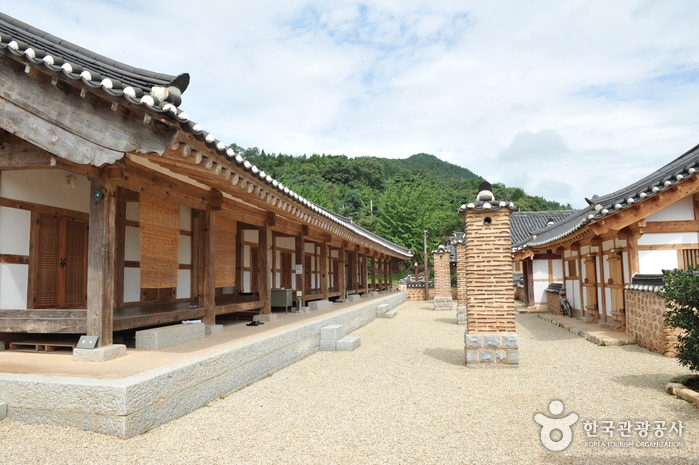
To deeply experience Naju’s history, it’s important to plan your itinerary well. We suggest recommended courses that allow you to efficiently explore the major historical sites and slowly reflect on their meaning.
| Time | Place | Key Attraction |
|---|---|---|
| Morning | Naju-mok Gwana and Geumseonggwan | Dignity of a Joseon Dynasty Magistrate |
| Lunch | Naju Hyanggyo Area | Serene Confucian Education Site |
| Afternoon | Naju Wansacheon and Naju Eupseong | Romance of Wang Geon and Queen Janghwa |
| Evening | Yeongsanpo Fermented Skate Street | Naju Delicacies and Yeongsan River Scenery |
At Naju-mok Gwana and Geumseonggwan, you can feel the dignity of a Joseon Dynasty magistrate, and at Naju Hyanggyo, you can experience the serene beauty of traditional Korean houses (hanok). In the afternoon, stroll through Wansacheon, where the fateful encounter between Goryeo King Taejo Wang Geon and Queen Janghwa took place, and follow the traces of Naju Eupseong to feel the history that protected Naju in the past. All these courses are at the heart of a Naju historical journey connecting Goryeo and Joseon.
Adding Flavor to History, Naju’s Cuisine and Relaxation
A Naju historical journey connecting Goryeo and Joseon is not just a feast for the eyes and ears. The joy of gourmet food cannot be left out. Naju boasts abundant food as rich as its long history, and modern spaces to relieve travel fatigue are also well-developed.
A Mouthful, Experiencing Naju’s Signature Flavors
Klook.com- Yeongsanpo Hongeo (Fermented Skate) The uniquely pungent taste of fermented skate is one of the highlights of a trip to Naju. Visit Hongeo Street to enjoy various Hongeo dishes.
- Naju Gomtang Naju Gomtang, with its clear and refreshing broth, is a representative local dish that can be enjoyed without burden. Fill your stomach heartily with a warm bowl.
- Naju Pear The sweet and refreshing Naju pear is famous nationwide. If you visit during the autumn harvest season, it will be a great opportunity to taste fresh pears.
Finding Serene Leisure by the Yeongsan River
In addition to historical sites, beautiful promenades and charming cafes along the Yeongsan River offer another pleasure to a Naju trip. Stroll along the quiet riverside for a break, or enjoy a cup of tea in a stylish cafe.
Practical Tips for a Naju Historical Journey
Here are some practical tips for a fulfilling Naju historical journey. Check them in advance to plan an even more enjoyable trip.
- Accessibility Naju Station is a KTX stop, providing good accessibility from major cities like Seoul. You can conveniently reach major historical sites by using city buses or taxis.
- Transportation If you want more freedom of movement and to explore outer attractions, consider renting a car. However, a core course tour is sufficiently possible with public transportation alone.
- Best Time to Visit Spring (April-May) and Autumn (September-October) have pleasant weather, making them ideal for outdoor activities. Especially in autumn, which is the Naju pear harvest season, you can enjoy an even richer trip.
- Utilizing Information It’s a good idea to visit the Naju Tourist Information Center to get the latest information, maps, free guidebooks, and more. Getting recommendations from locals is also a good method.
Frequently Asked Questions
Q1. How many days are typically recommended for a trip to Naju?
To enjoy Naju’s main historical sites and food, a minimum 1-night, 2-day itinerary is recommended. If you want to explore leisurely or include nearby attractions, 2 nights and 3 days is also good.
Q2. What food must I try in Naju?
Naju Gomtang, with its clear and deep flavor, and Yeongsanpo Hongeo (Fermented Skate) are representative local dishes of Naju. If it’s in season, be sure to try the sweet Naju Pear.
Q3. Are Naju’s historical sites free of charge?
Most major historical sites, such as Naju-mok Gwana and Geumseonggwan, are open to the public free of charge. Some specific exhibition halls or experience programs may be paid, so please check in advance.
Q4. Is it possible to travel to Naju by public transportation?
Yes, it is possible. Naju Station is a KTX stop, and you can conveniently access major tourist attractions by using city buses and taxis. Renting a car allows for even more flexible travel.
Q5. Are there any recommended seasons for visiting Naju?
Spring (April-May) and Autumn (September-October) have pleasant weather, making them most suitable for outdoor activities and exploring historical sites. Especially in autumn, which is the Naju pear harvest season, you can enjoy an even richer trip.
 Love Korea? Promote it & Earn.