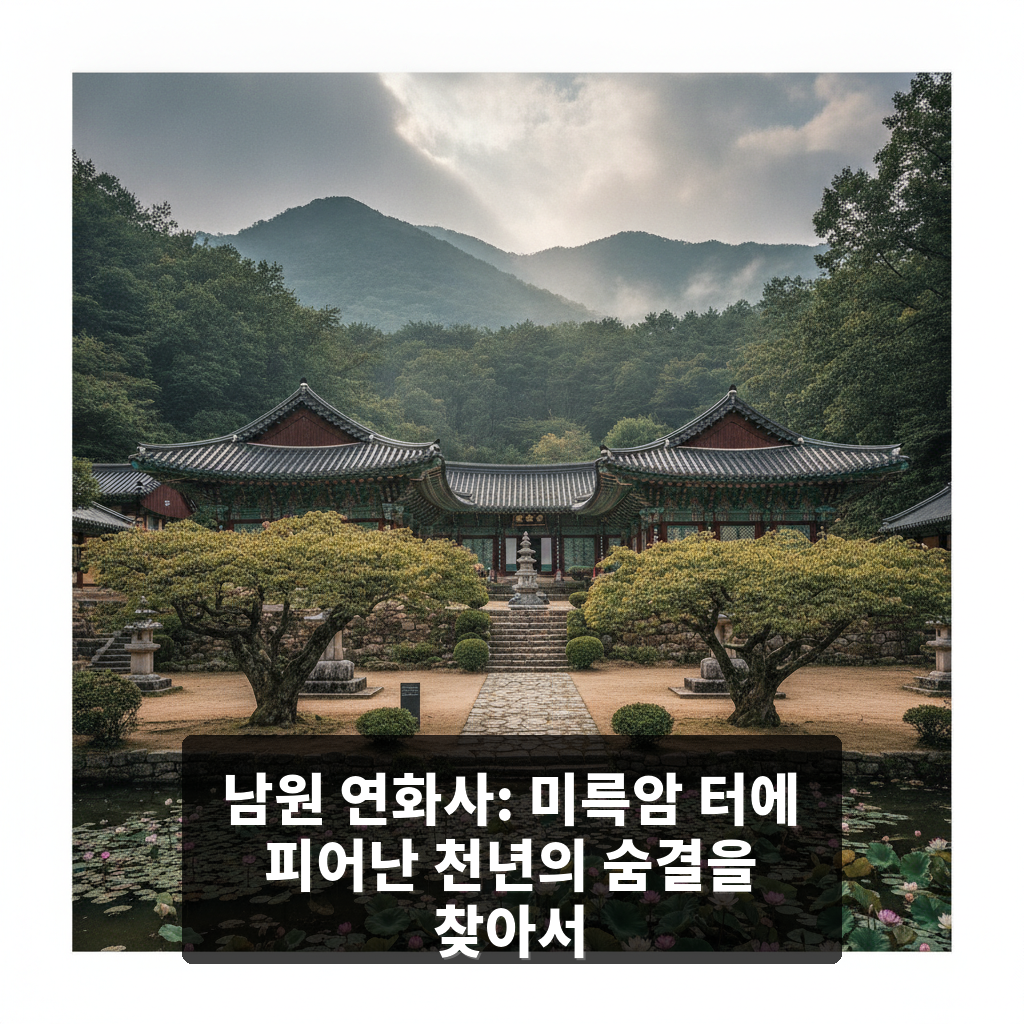
Namwon Yeonhwasa: In search of the millennium’s breath that bloomed at the Mireukam site


Like a lotus flower blooming in forgotten time, Yeonhwasa (Namwon), located deep in Ibaek-myeon, Namwon, holds a history as beautiful and mysterious as its name. What stories has this place hidden over a thousand years? Only the legend that Doseon Guksa founded it in the late Silla period is passed down, but this tranquil temple, which remained as a ruined site for a long time and then reappeared in the world, is enough to stimulate your imagination.
From the secrets held by the excavated stone Buddha and three-story stone pagoda, to its rebirth as a tranquil temple today from its beginning as a small hut, the history of Yeonhwasa (Namwon) is like a drama. This small temple, belonging to the Taego Order of Korean Buddhism, is more than just a building; it is also a living history museum, built up by layers of people’s hopes and efforts. Shall we now embark on a journey into its hidden stories?
The true value of Yeonhwasa (Namwon) that we might not have known is not simply in its age. This is because it fully embodies the message of hope and perseverance, transforming with the flow of time, sometimes disappearing and repeatedly blooming again.
Walking through layers of time: Records of Yeonhwasa’s lost beginning and resurrection
Yeonhwasa (Namwon) is said to have been founded by Monk Doseon (道詵) in the late Silla period, but unfortunately, no documents or artifacts proving this have been passed down to date. It is merely remembered as a place where only the temple site remained for a long time, under the name ‘Mireukam’. However, this tranquil site was never forgotten. For the pieces of history, deeply slumbering beneath the earth, were awaiting their time.
The flame of destiny reblooming from ruins
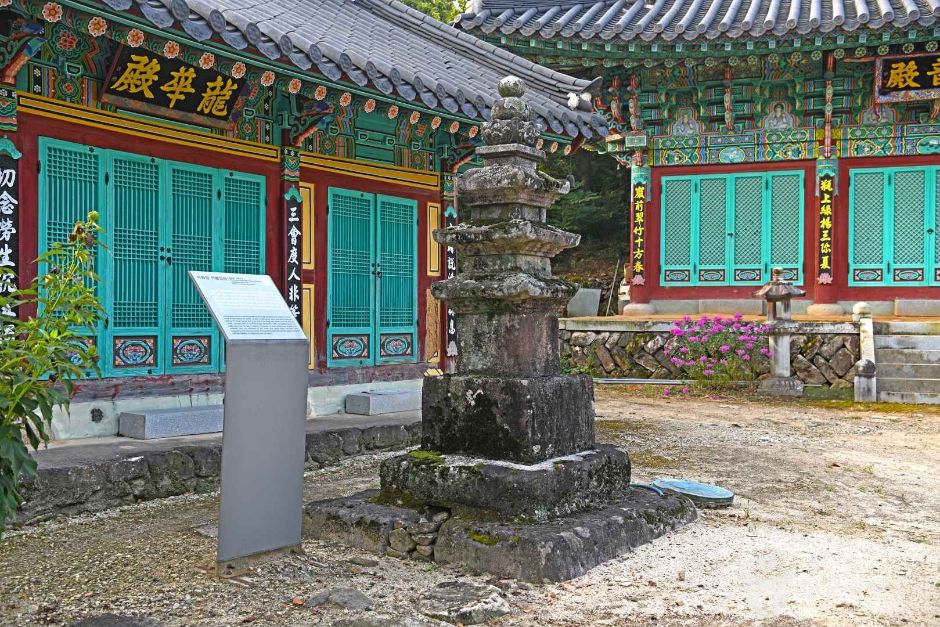
In 1927, as villagers excavated a stone Buddha and a three-story stone pagoda from the Mireukam site, the hidden story of this land began anew. Subsequently, through the efforts and aspirations of many people, it underwent a dramatic process of rebirth as the current Yeonhwasa (Namwon). We have chronologically summarized that process.
- 1942 Lee Hwa-sil and Jo Hae-un built a small hut on the excavated site and began to pray.
- 1946 This hut was named ‘Mireukjeon,’ beginning to take the form of a temple.
- 1967 Bhikkhuni Nam Sun-im was appointed as abbot and changed the temple’s name to ‘Hyogisa (孝基寺)’, named after the village.
- 1972 Monk Lee Do-ryun was appointed as abbot and began full-scale reconstruction work.
- 1977 It received its current name ‘Yeonhwasa,’ continuing the temple’s history filled with long-held aspirations.
Tranquil temple grounds, and the sacred stories hidden within
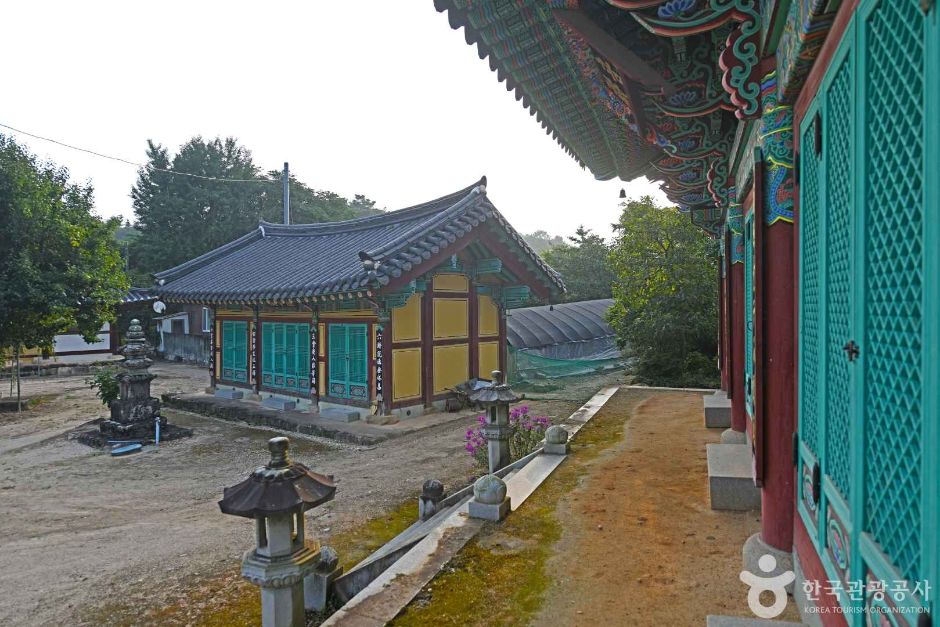
Although Yeonhwasa (Namwon) is not large in scale, the Buddhist faith and artistic value it contains are profound and subtle. The main buildings that remain today, such as Yonghwajeon, Gwaneumjeon, and Yosachae, silently bear witness to the temple’s history through their respective architectural styles and enshrined Buddhist statues.
Yonghwajeon: The smile of a stone Buddha embracing time
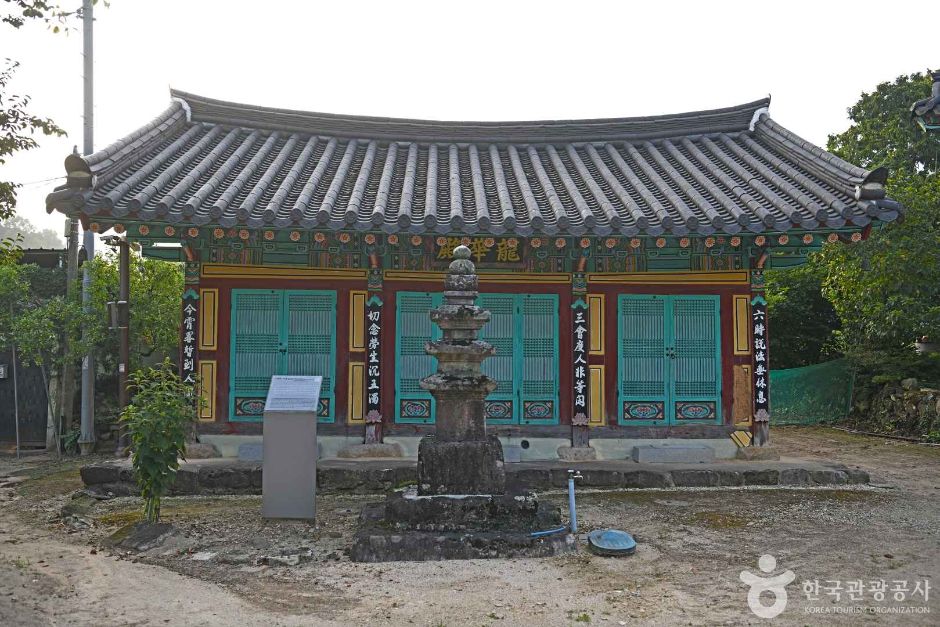
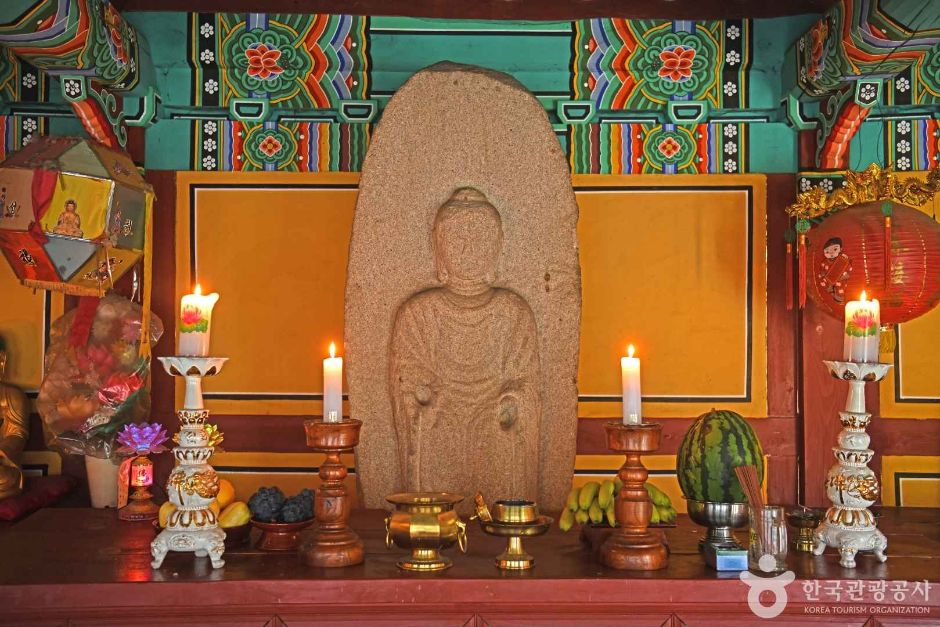
The Mireukjeon, first built in 1946, is the current ‘Yonghwajeon’. It is a gable-roofed building with three bays in the front and one bay on the side, boasting a simple yet elegant beauty. Inside, two stone Buddha statues, presumed to have been discovered during excavation, are enshrined along with the Amitabha Triad. An indescribable peacefulness emanates from the smile of the stone Buddha, which has endured through the ages.
Gwaneumjeon: The compassionate wish of the Thousand-Armed Gwaneum
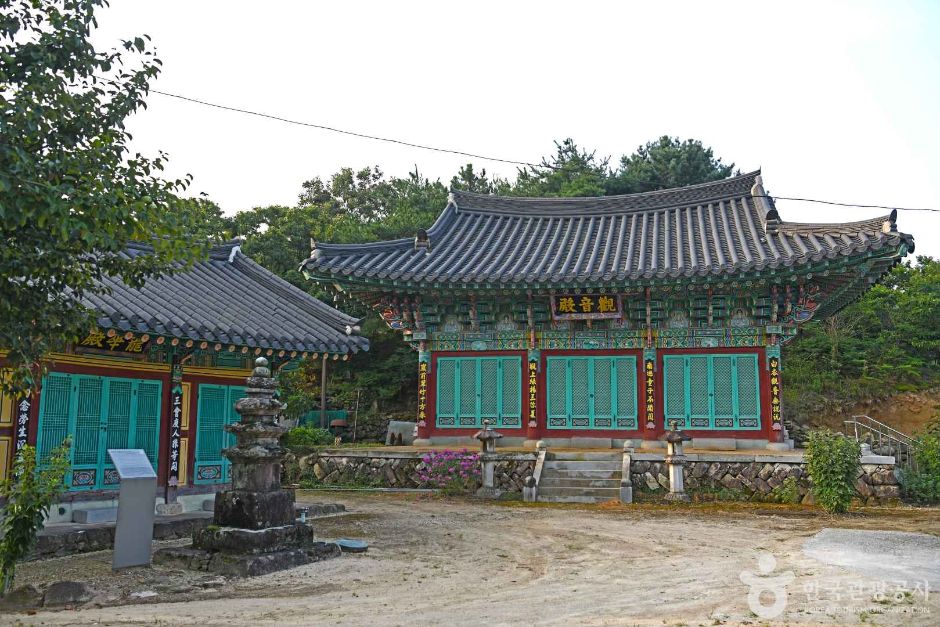
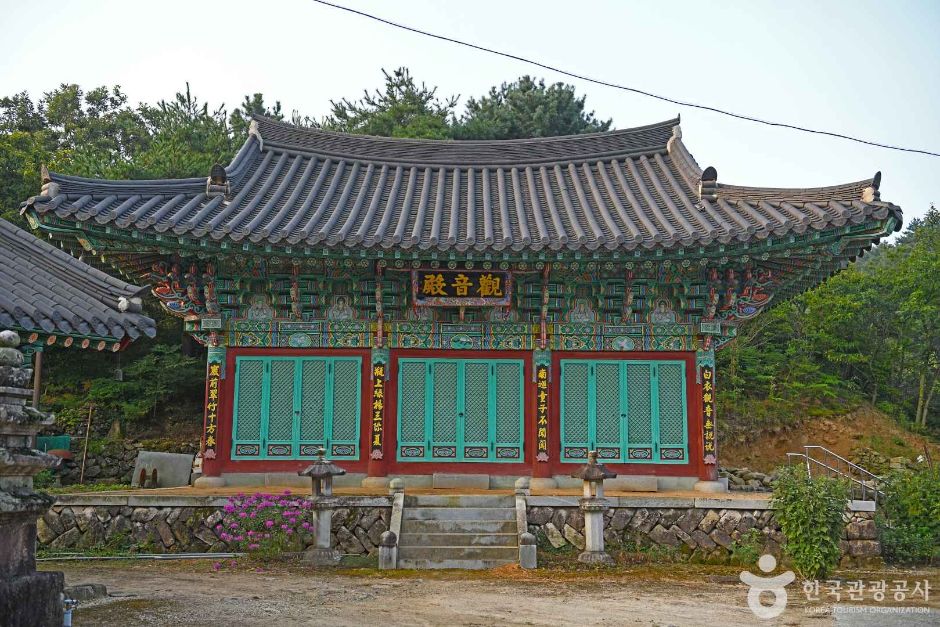
Gwaneumjeon, built in 1997, is a hip-and-gable-roofed building with three bays in the front and two bays on the side, appearing grander and more splendid than Yonghwajeon. Inside, the statue of the Thousand-Armed Gwaneum, who soothes the suffering of all sentient beings with a thousand hands, and the statue of Jijang Bosal, who saves those in distress, are enshrined. Behind the Buddhist statues, various recently created Buddhist paintings (tanghwa) are hung, making it a valuable space to glimpse the flow of Buddhist art.
Exploring Yeonhwasa’s Main Halls
- Yonghwajeon Established as Mireukjeon in 1946, a gable-roofed building with 3 bays in the front and 1 bay on the side. Enshrines 2 stone Buddha statues and the Amitabha Triad.
- Gwaneumjeon Built in 1997, a hip-and-gable-roofed building with 3 bays in the front and 2 bays on the side. Enshrines the Thousand-Armed Gwaneum statue, Jijang Bosal statue, and Buddhist paintings (tanghwa).
- Yosachae The monks’ living quarters, a place to glimpse the daily life of the temple.
A deeper journey into Yeonhwasa: How to get there and surrounding scenery
Invitation to tranquility: How to get to Yeonhwasa (Namwon)
Yeonhwasa, located in Ibaek-myeon, Namwon-si, Jeollabuk-do, is the perfect place to escape the hustle and bustle of the city and spend some tranquil time. Enter the address into your navigation system and enjoy the beautiful scenery of Namwon as you go. When using public transportation, you might need to take a bus from Namwon city center towards Ibaek-myeon and then walk a bit or take a taxi.
The scent of the region you can enjoy nearby
After visiting Yeonhwasa, we recommend exploring other beautiful attractions in Namwon. Namwon, the hometown of Chunhyangjeon, is a city where history and culture breathe.
- Gwanghalluwon A representative pavilion garden in Korea, where you can find beautiful scenery and traces of Chunhyangjeon.
- Chunhyang Theme Park A good place for family visitors to experience the story of Chunhyangjeon through various exhibitions and activities.
- Maninui-chong A historic site commemorating the souls of ten thousand people who bravely died during the Jeongyujaeran War, with deep historical significance.
Visitor etiquette not to forget
- Attire Please wear neat and comfortable clothing to respect the solemn atmosphere.
- Photography Photography may be restricted inside the main hall, so please follow instructions and be careful not to disturb other worshippers.
- Silence Temples are places of prayer and meditation, so please observe quietly and speak in low voices.
- Trash Please take your trash with you or dispose of it in designated areas to protect the natural environment.
Lotus blooming in the heart: Departing from Yeonhwasa, Namwon
From the legends of the Silla period to modern reconstruction efforts, Yeonhwasa (Namwon) has steadfastly maintained its place through the vicissitudes of history. As you walk through this place, you will be able to feel the wisdom and tranquility of ages in the smile of the stone Buddha and the compassionate gaze of the Gwaneum statue. If you wish to escape from your busy daily life, pause for a moment, and listen to your inner voice, we recommend a visit to Yeonhwasa, Namwon. You might discover a message of hope, blooming like a lotus flower, as you journey back through lost time.
Frequently Asked Questions
Q1. To which Buddhist denomination does Yeonhwasa (Namwon) belong, and what is its founding history?
Yeonhwasa is a temple belonging to the Taego Order of Korean Buddhism. Although there is a record that Monk Doseon founded it in the late Silla period, no documents or artifacts have been passed down, and reconstruction efforts began in the 1940s on the Mireukam site where residents excavated a stone Buddha and pagoda in 1927, leading to its renaming as the current Yeonhwasa in 1977.
Q2. What are Yeonhwasa’s main buildings and their characteristics?
The main buildings include Yonghwajeon, Gwaneumjeon, and Yosachae. Yonghwajeon was built as Mireukjeon in 1946 and enshrines stone Buddha statues and the Amitabha Triad. Gwaneumjeon was built in 1997 and contains the Thousand-Armed Gwaneum statue, Jijang Bosal statue, and various Buddhist paintings (tanghwa).
Q3. What nearby tourist attractions are worth visiting along with Yeonhwasa?
After visiting Yeonhwasa, you can experience Namwon’s history and culture by visiting Gwanghalluwon, the background of Chunhyangjeon, and Chunhyang Theme Park. Additionally, Maninui-chong, a historical site commemorating the spirits of the righteous armies during the Jeongyujaeran War, is also a good place to visit.
Q4. Are there any specific etiquettes to observe when visiting Yeonhwasa?
Since temples are places of prayer and meditation, it is recommended to visit in neat attire, refrain from photography inside the main hall, and observe quietly. Please be careful not to disturb other worshippers, and make sure to take your personal trash with you.
Q5. I’m curious about the process of Yeonhwasa being restored after being a ruined temple site.
In 1927, the excavation of a stone Buddha and a three-story stone pagoda from what had long remained the Mireukam site served as a catalyst. In 1942, a hut was built, and in 1946, it was named Mireukjeon. Subsequently, it was renamed Hyogisa in 1967 and Yeonhwasa in 1977, and was rebuilt into its current form through the efforts of various monks.