
On a night when buckwheat flowers bloom, I walk through Lee Hyo-seok’s birthplace in forgotten time.


Do the stories of Heo Saeng-won and Seong Seobang, who walked through buckwheat fields blooming under the moonlight in the dark with a gentle breeze, faintly come to mind? The root of that lyrical emotion, the place imbued with the scent of the writer Yi Hyo-seok, is right here in Pyeongchang. Why not take a time trip to find Lee Hyo-seok Birthplace, the background where a masterpiece that will remain in the history of Korean modern and contemporary literature was born?
This is not just an old house. It is a meaningful place where a writer’s life and literary inspiration began, and where the breath of an era thought to be lost has been breathed back into life. What stories will we truly encounter here?
Following his footsteps, infused with the scent of buckwheat flowers
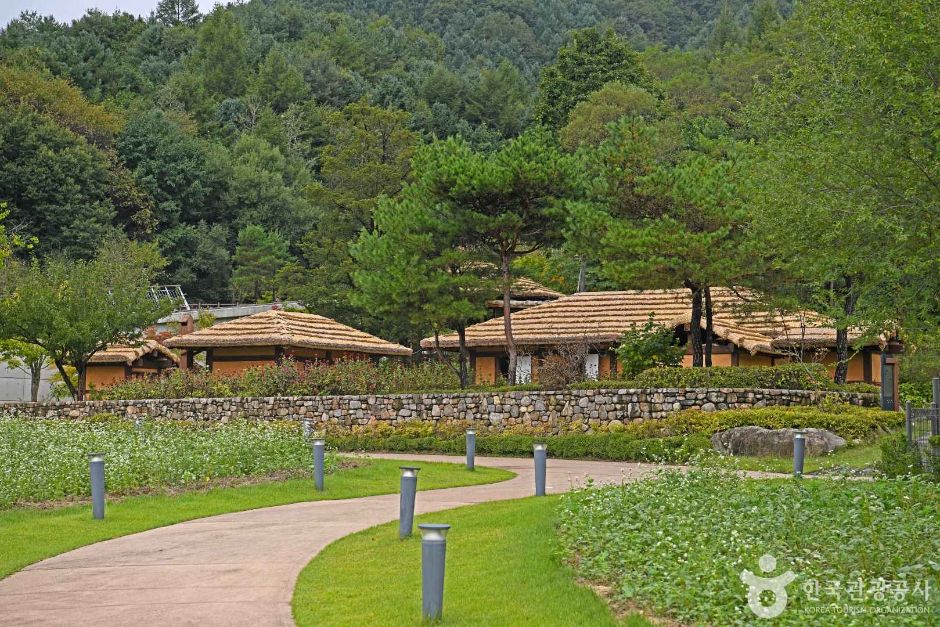
Lee Hyo-seok is a prominent novelist in Korean modern and contemporary history, who used the pen name ‘Gasan’ and published in 1936, one of the masterpieces of Korean short fiction. His works depicted human joys and sorrows against the backdrop of Pyeongchang’s nature, like a scroll of ink wash painting. Lee Hyo-seok Birthplace is the very home where this master was born and raised, and a part of Pyeongchang that became the setting for his works.
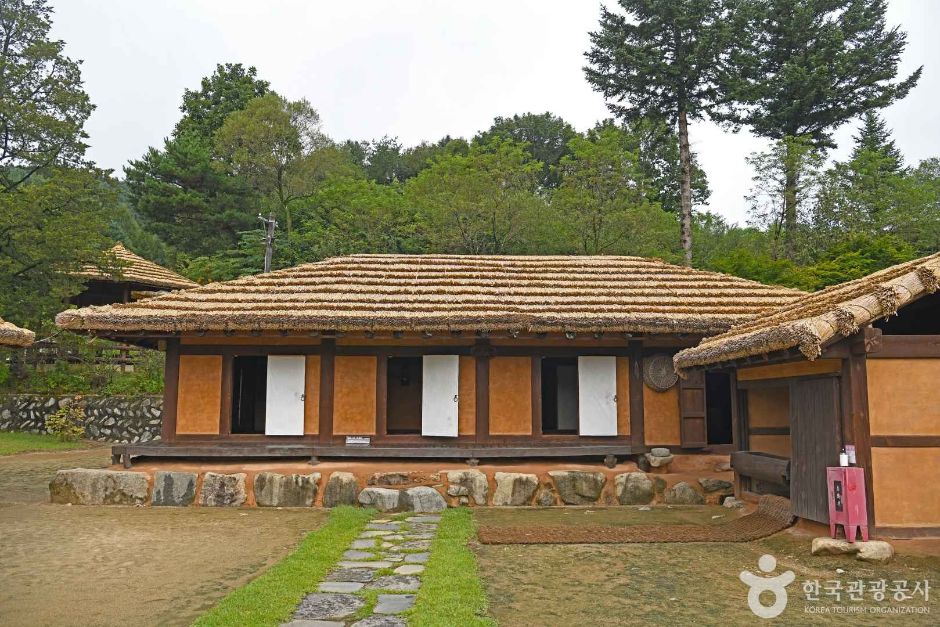
Unfortunately, the original birthplace lost its appearance over time, but in 2007, it was meticulously restored as a thatched-roof house about 600m below the original birthplace site within Lee Hyo-seok Village, based on careful historical research by local elders. Although it is not its original form, it is a space meticulously recreated to allow visitors to vividly experience the daily lives of ordinary people of that era.
Why was the birthplace restored?


- Preservation of Literary Value This is an effort to pass on the precious heritage of Korean modern and contemporary literature to future generations.
- Historical Authentication of the Era It is a living educational site where one can glimpse the daily lives of ordinary farmhouses in the early 20th century.
- Succession of the Author’s Spirit It serves as an important starting point for understanding the life and literary world of writer Lee Hyo-seok.
A thatched house beyond time, the stories within
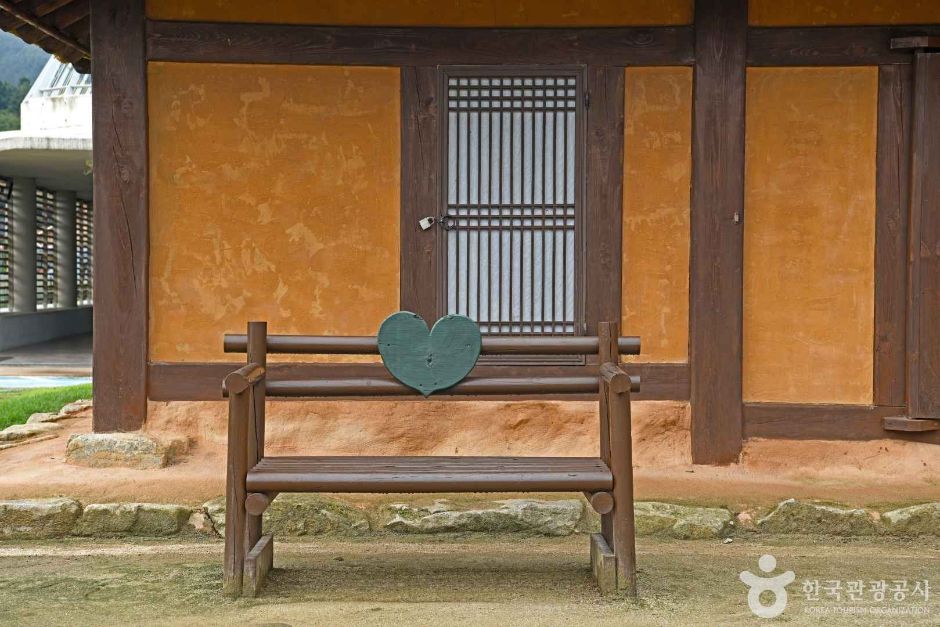
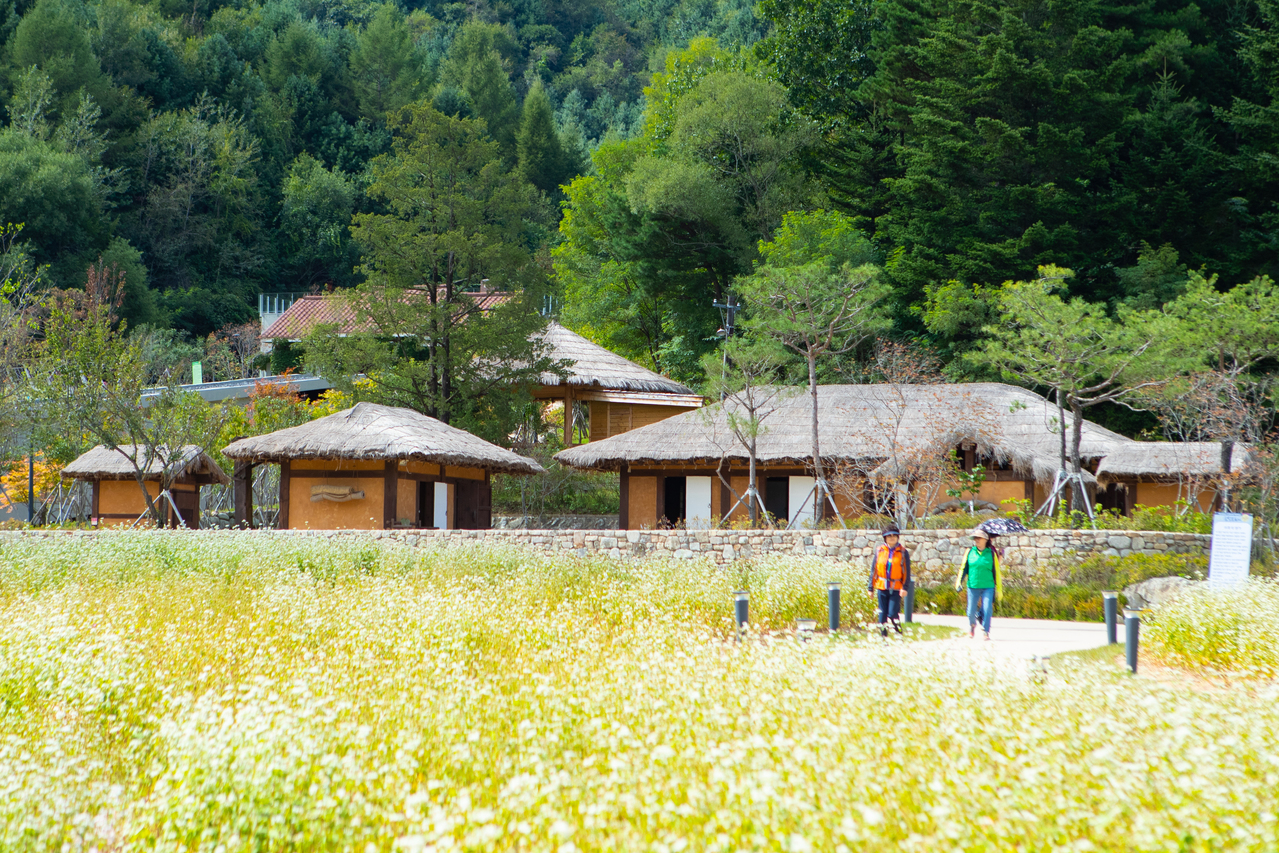
The restored Lee Hyo-seok Birthplace creates a tranquil and peaceful atmosphere with its earthen walls and thatched roof. Sitting on the wooden floor and quietly gazing at the surrounding scenery, one might feel as if they have stepped into a scene from a novel. This place is more than just Lee Hyo-seok’s house; it is a space that fully embodies the fading sentiments of old Korea.
Lyrical scenery encountered at the birthplace


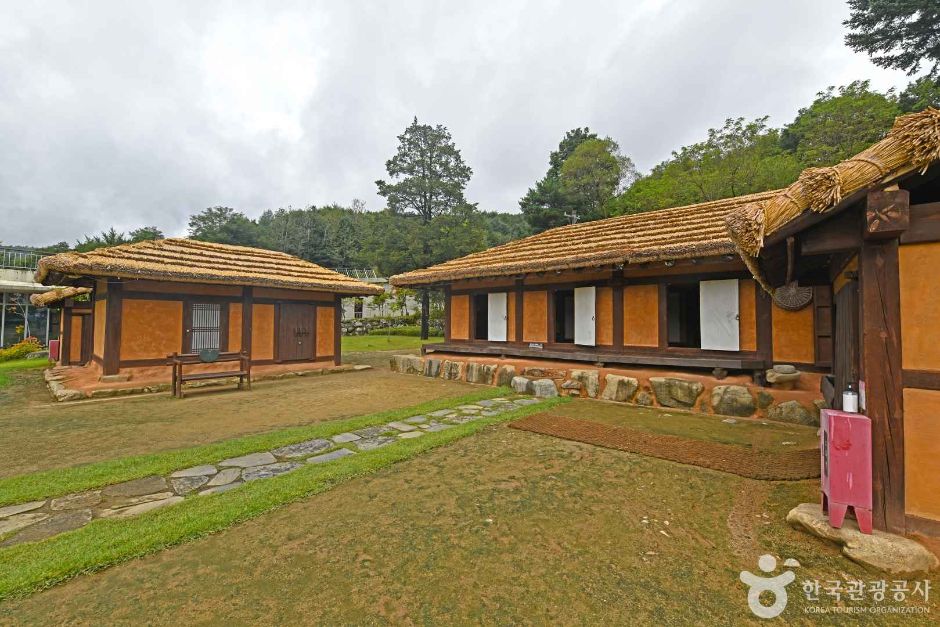
Lee Hyo-seok Birthplace, points not to miss
- Small Yard and Vegetable Garden Here, you can feel the simple yet charming atmosphere of the past, and observe various plants growing with the seasons.
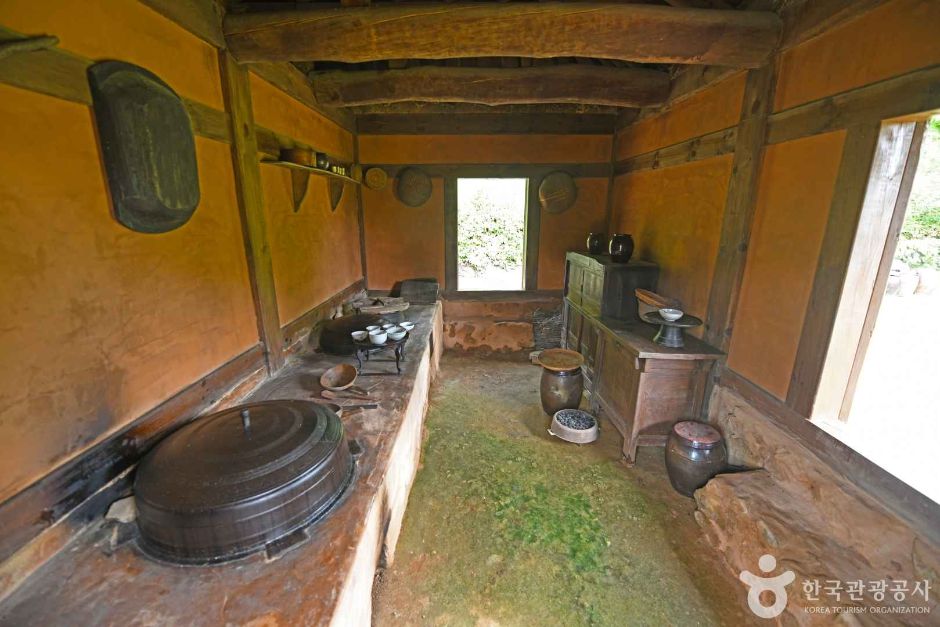
- Recreated Household Items Various household tools, such as kitchenware and farming implements, are on display, offering a glimpse into the lives of ordinary people of that time.
- Scenery Beyond the Window The surrounding nature viewed through the window offers visitors peaceful and quiet relaxation.
- Stay Quietly Like Heo Saeng-won in the novel, forget worldly affairs for a moment and rest amidst the tranquil atmosphere of the thatched house.
- Unfold Literary Imagination Recalling the passages of , imagine the emotions and inspirations the author must have felt here.
- Take Commemorative Photos Capture special memories with the antique thatched house and surrounding nature as your backdrop.
Journey to Lee Hyo-seok Birthplace & Nearby Attractions
Located in Bongpyeong-myeon, Pyeongchang-gun, Lee Hyo-seok Birthplace is a place where you can experience literary ambiance along with outstanding natural scenery. When using public transportation, you can use local transport from the bus terminal, or if driving, you can easily access it by searching with navigation. As you drive along the winding mountain roads, a peaceful rural landscape will soon unfold.
Places to Enjoy Around the Birthplace
Pyeongchang, where literature and nature harmonize
- Lee Hyo-seok Literary Museum Visiting this along with the birthplace is an essential course to gain a deeper understanding of the author’s life and literary world.
- Bongpyeong Buckwheat Flower Festival Site In autumn, white buckwheat flowers bloom profusely, creating a spectacular sight, allowing you to visually experience the emotion of the novel.
- Heungjeong Valley You can enjoy the refreshing coolness of nature and relax in the valley where clear water and lush forests harmoniously combine.
Lee Hyo-seok Birthplace, When is the best time to visit?
Lee Hyo-seok Birthplace offers different charms throughout the four seasons, but you can feel the atmosphere of the novel most strongly when visiting in autumn. However, you can find its unique beauty in other seasons too, so refer to the table below to plan your visit.
| Category | Recommended Season | Features |
|---|---|---|
| Spring/Summer | April~August | You can enjoy both the tranquility of the birthplace and the coolness of the surrounding valleys, along with lush nature. |
| Autumn | September~October | Visiting in conjunction with the When the Buckwheat Flowers Bloom Festival allows you to add literary emotion amidst the spectacular scenery of white buckwheat fields. |
| Winter | November~March | You can experience the unique charm of a snow-covered thatched house, and it’s a great place for deep contemplation in tranquility. |
Frequently Asked Questions
Q1. Is Lee Hyo-seok Birthplace the actual house where writer Lee Hyo-seok lived?
The current Lee Hyo-seok Birthplace is a thatched house restored in 2007 based on historical research, adjacent to the birthplace site where the author was born and raised. The original birthplace was lost, but it has been recreated to allow a glimpse into the lifestyle of that era.
Q2. Is it related to the actual background of ?
Yes, that’s correct. Lee Hyo-seok’s representative work was written with Pyeongchang Bongpyeong as its background, and Lee Hyo-seok Village, where Lee Hyo-seok Birthplace is located, is one of the main settings in the novel. You can directly experience the lyrical atmosphere of the work when you visit.
Q3. Is there an admission fee to visit Lee Hyo-seok Birthplace?
Lee Hyo-seok Birthplace can be visited for free without a separate admission fee. However, the nearby Lee Hyo-seok Literary Museum may charge a fee, so it’s advisable to check before visiting.
Q4. Are there other facilities related to writer Lee Hyo-seok besides the birthplace?
Yes, there is the Lee Hyo-seok Literary Museum located close to the birthplace. It extensively displays Lee Hyo-seok’s life, literary world, and relics, so visiting it along with the birthplace will allow for a richer literary journey.
Q5. When is the best season to visit Lee Hyo-seok Birthplace?
The most recommended season is autumn. This is because between September and October, the Bongpyeong Buckwheat Flower Festival is held, covering the area around the birthplace with white buckwheat flowers, allowing you to visually experience the emotion of .