

Opening the Door of Time: Ganghwa Osang-ri Dolmen Group, Encountering a Lost Era


Where do the traces of time we have forgotten remain? Sometimes, there are witnesses of history who quietly reveal their existence above ground, sometimes below, testifying to the lives of Prehistoric Era. Today, we depart to the **Ganghwa Osang-ri Dolmen Site** to piece together the lost puzzles of the past.
While there are many dolmens designated as World Heritage Sites on Ganghwa Island, the Ganghwa Osang-ri Dolmen Site among them holds a unique charm and story. This place is not merely a stone tomb, but a precious space where one can glimpse the lives, technology, and attitudes towards death of ancient people.
Through this journey, we hope you have a special time unraveling the secrets kept by the Ganghwa Osang-ri Dolmen Site one by one, and feeling the breath of the people who lived in that era.
Prehistoric Records Carved on the Land: The Meaning of the Osang-ri Dolmen Site
The Ganghwa Osang-ri Dolmen Site is where 12 dolmens have been identified to date, and a 2000 excavation revealed that all of them are Northern-style dolmens. These dolmens are important historical data that, along with the outstanding technical skills of the ancient people who moved and erected massive stones, offer a glimpse into the social class structure and burial culture of the time.
What do the Osang-ri Dolmens look like?
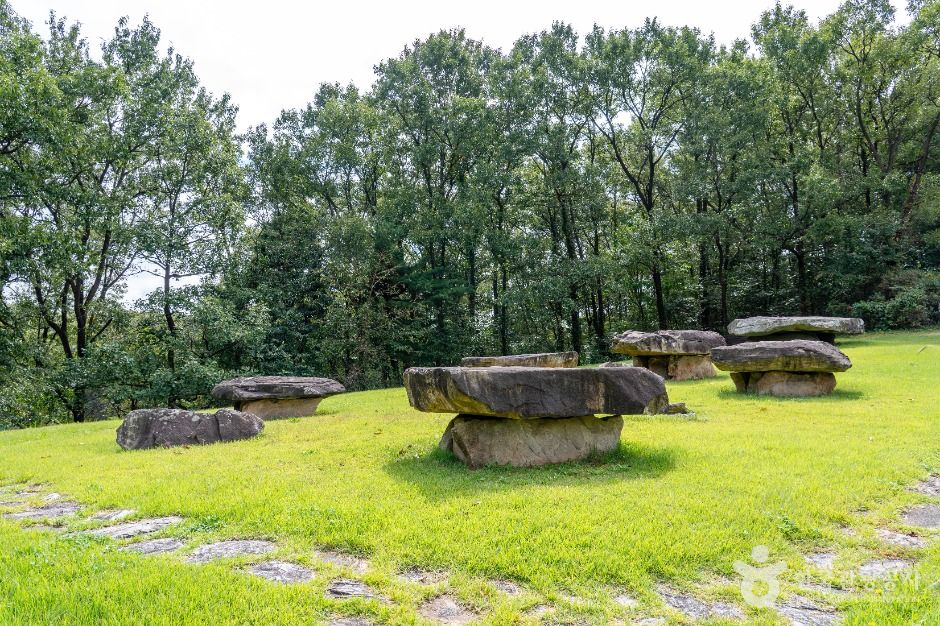
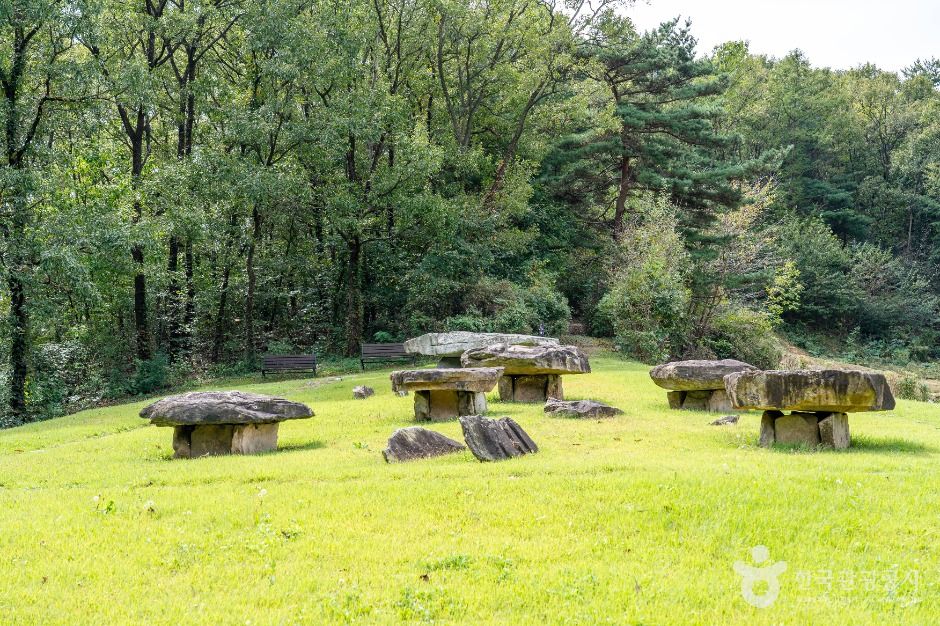
- Morphological Characteristics The capstones of the Osang-ri dolmens show traces of deliberate shaping and all have a flat, slab-like form. The dolmen with the largest capstone is ‘Naega Dolmen’, designated as a monument, and other dolmens also boast various sizes.
- Robust Construction Method The stone chamber (石室) has a coffin-like shape, and wedge stones were used when erecting supporting stones or blocking stones to make it sturdy and prevent collapse. This is evidence of how precisely ancient people constructed the dolmens.
- Secret of the Floor While most of the stone chamber floors used natural bare ground, some dolmens have slab stones or broken stones (‘halseok’) laid, suggesting that delicate finishing work was done even then.
These characteristics indicate that the **Ganghwa Osang-ri Dolmen Site** is not merely a stone tomb, but a complex cultural heritage encompassing the architectural technology, artistry, and spiritual world of the prehistoric era.
The Path to Find the Breath of Prehistory: How to Get to Osang-ri Dolmen Site
The path to the Ganghwa Osang-ri Dolmen Site is a journey where you can enjoy the beauty of nature while walking towards history. Its accessibility is relatively good, so you can visit without burden.
Ganghwa Osang-ri Dolmen Site Location and Accessibility
Klook.com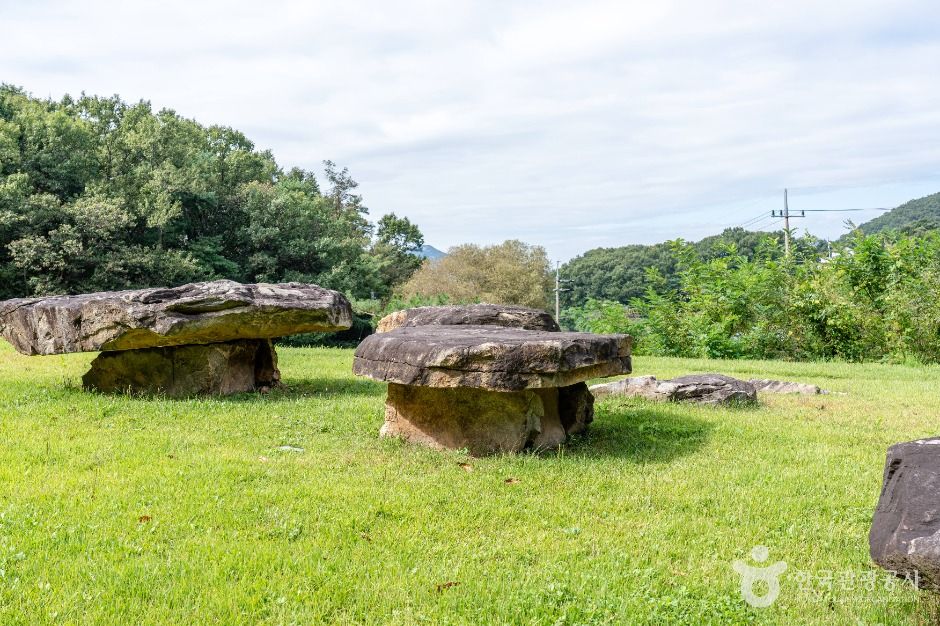
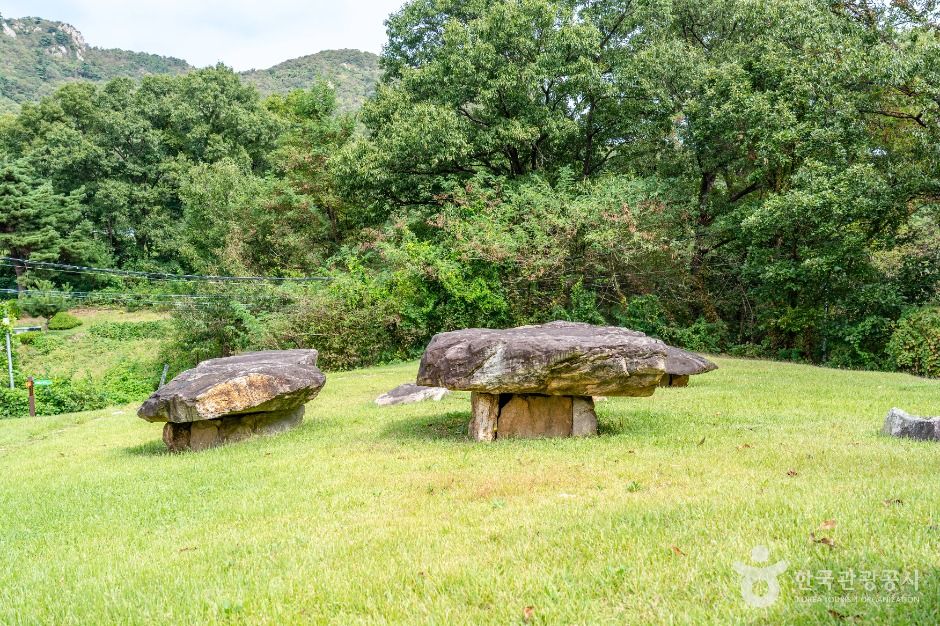
You can visit using public transport or your own car within Ganghwa Island. If you visit in conjunction with other nearby dolmen sites or tourist attractions, you can enjoy an even richer historical tour.
Public Transport Tips
- Using the Bus After taking a local bus departing from Ganghwa-eup towards Osang-ri, you can access the dolmen site on foot. For the exact route, please refer to the Ganghwa County Office website or the local information center.
- Ganghwa Terminal After taking a bus to Ganghwa from Seoul and the Seoul metropolitan area and arriving at Ganghwa Terminal, transferring to a local bus again is the usual method.
Osang-ri Dolmen Site, Tips for a More Profound Visit
As the **Ganghwa Osang-ri Dolmen Site** is an outdoor historic site, you can have a more pleasant and meaningful time if you visit with a few preparations and a certain mindset.
Visit Checklist Not to Forget
- Comfortable Shoes The area around the dolmen site may be unpaved roads or dirt paths, so it is recommended to wear comfortable walking shoes.
- Seasonal Preparations In summer, bring a hat, sunglasses, and water; in winter, bring warm clothing and gloves to prepare for weather changes.
- Research Information in Advance If you research basic information or historical background about dolmens beforehand, it will greatly help you understand the historic site on-site.
- Take Your Trash Back As it is a precious historic site, please demonstrate civic consciousness by taking your trash back with you.
This is not a paid admission facility, so you can visit freely without time constraints. However, to protect the historic site, you must follow the designated viewing paths and be careful not to damage it.
Beyond Ganghwa Osang-ri Dolmen Site, Into the History of Ganghwa
After visiting the Ganghwa Osang-ri Dolmen Site, you can explore other historical sites scattered throughout Ganghwa Island, giving you a comprehensive view of Ganghwa’s long history from prehistoric times to the modern era.
Recommended Nearby Tourist Attractions
- Ganghwa Dolmen Park As the central site of the Ganghwa Dolmen historic site designated as a World Cultural Heritage, you can view various forms of dolmens and prehistoric-related exhibition halls together.
- Ganghwa History Museum It systematically exhibits the overall history of Ganghwa Island from prehistoric to modern times, which can further deepen your understanding of dolmens.
- Ganghwa Peace Observatory As a place where you can see North Korea most closely, it is a meaningful place where you can reflect on the reality of the divided Korean Peninsula and the preciousness of peace.
The **Ganghwa Osang-ri Dolmen Site** is not just a historic site, but a passage connecting the past and the present. We hope this becomes a special journey where you imagine the lives of ancient people and feel the depth of history.
Frequently Asked Questions
Q1. What characteristics does the Ganghwa Osang-ri Dolmen Site have?
All are Northern-style dolmens, confirmed by a 2000 excavation. The capstones are partially shaped and exhibit a flat, slab-like form. In particular, the capstone of Naega Dolmen is the largest. The stone chambers are coffin-shaped and were robustly constructed using wedge stones.
Q2. What are the differences between the Osang-ri Dolmen Site and other dolmen historic sites on Ganghwa Island?
While various forms of dolmens are distributed on Ganghwa Island, the Osang-ri Dolmen Site is notable for all 12 dolmens being Northern-style. Compared to other historic sites, unique characteristics can be found in their construction methods and capstone shapes.
Q3. What should I be aware of when visiting the Ganghwa Osang-ri Dolmen Site?
As it is an outdoor historic site, it is recommended to wear comfortable shoes and prepare appropriate seasonal attire. To prevent damage to the historic site, it is important to follow the designated viewing paths and take your trash back with you.
Q4. Is there an admission fee for the Osang-ri Dolmen Site?
No, the Ganghwa Osang-ri Dolmen Site is a historic site that can be freely visited without a separate admission fee. Anyone can explore the traces of the prehistoric era without time constraints.
Q5. Are there interpretation programs or information facilities around the dolmen?
The Osang-ri Dolmen Site itself may not have permanent interpretation programs or separate information facilities. Before visiting, it is recommended to inquire with the Ganghwa County Office or the Ganghwa Dolmen Historic Site Management Office to confirm the availability of interpretation programs.
 Love Korea? Promote it & Earn.