
Palgong Cultural Center, the breath of Palgongsan encountered in that place where time stopped


Some spaces are not just buildings, but living histories where the ancient memories of the land and the aspirations of its people are stacked layer upon layer. Doesn’t your heart harbor curiosity about a place where deep stories, passed down along the Kumho River’s waters and a Palgongsan foothills, breathe? **Palgongmunhwawon** is precisely such a place. A special space that revives the breath of a forgotten past and freshly cultivates it into present culture.
Beyond simple exhibitions, this place re-examines the thousands of years of history held by Palgongsan and the Kumho River, acting as a guardian that preserves the traditional culture of the Daegu Dong-gu area. If you want to live in the present by tracing the footsteps of the past and gain artistic inspiration for the future, join the journey to **Palgongmunhwawon**. The stories awaiting you there will surely be beyond your imagination.
A Space That Awakens Forgotten History, What Kind of Place is Palgongmunhwawon?
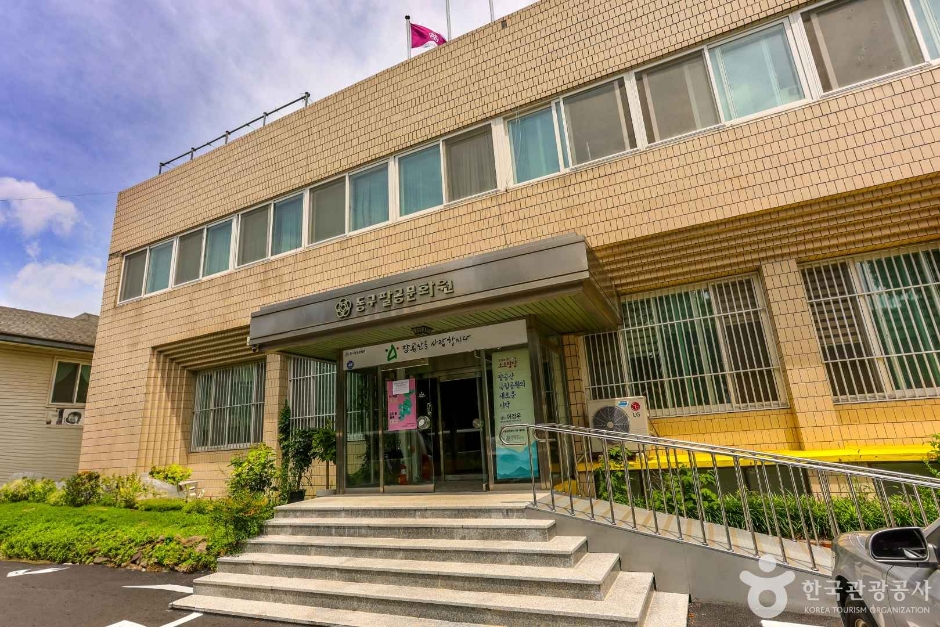
**Palgongmunhwawon** was established to preserve and inherit the rich historical and cultural assets nestled in the Palgongsan and Kumho River basin. It focuses on reviving and promoting the traditional culture of the Daegu Dong-gu area, and beyond simple heritage preservation, it engages in various cultural activities with local residents. This place not only re-opens the faded pages of the past but also serves as a creative venue that breathes new cultural vitality into us who live in the present.
Major Restoration Projects Traversing Time
- Cheonjedan Restoration and Cheonjebong Festival Reviving traditional rituals that reflect the sacred meaning of Palgongsan.
- Palgongsan Sansinje Revival It is a ritual imbued with a deep spirit that prays for harmony between nature and humans.
- Gongsan Toseong Restoration Restoring the traces of a historical defensive facility that has continued since the ancient Gaya period.
- Buinsa Daejanggyeonggak Restoration and Tripitaka Re-publication Project Restoring the former appearance of Buinsa, where the spirit of Goryeo Chojo Daejanggyeong resides, and re-evaluating the value of the Tripitaka.
These restoration projects go beyond mere architectural reconstruction, embodying **Palgongmunhwawon’s** deep intention to convey the wisdom and spirit of our ancestors to the present day. Here, we can experience the vibrant flow where past and present coexist and move towards the future.
A Fountain of Culture for All, a Venue for Sharing and Creation
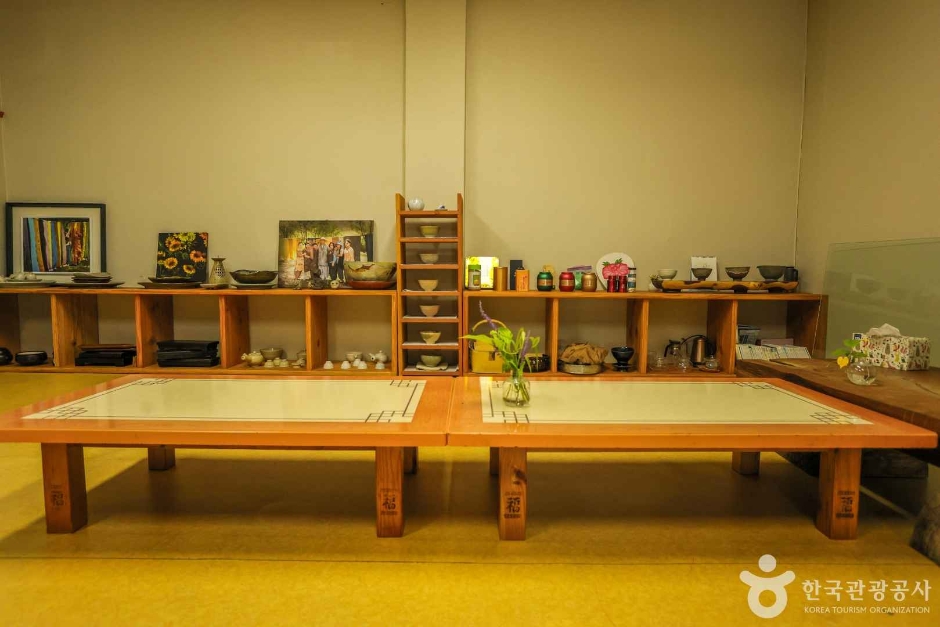
Beyond typical cultural activities at the local level, **Palgongmunhwawon** actively develops diverse projects such as talent donation, creative activity support, and cultural sharing activities. It operates joy-filled programs that citizens can directly participate in and enjoy, helping everyone to appreciate culture and arts and become active participants in daily life culture. This can be called a living, breathing cultural community, not merely a museum.
Palgongmunhwawon, Where Can You Find It?
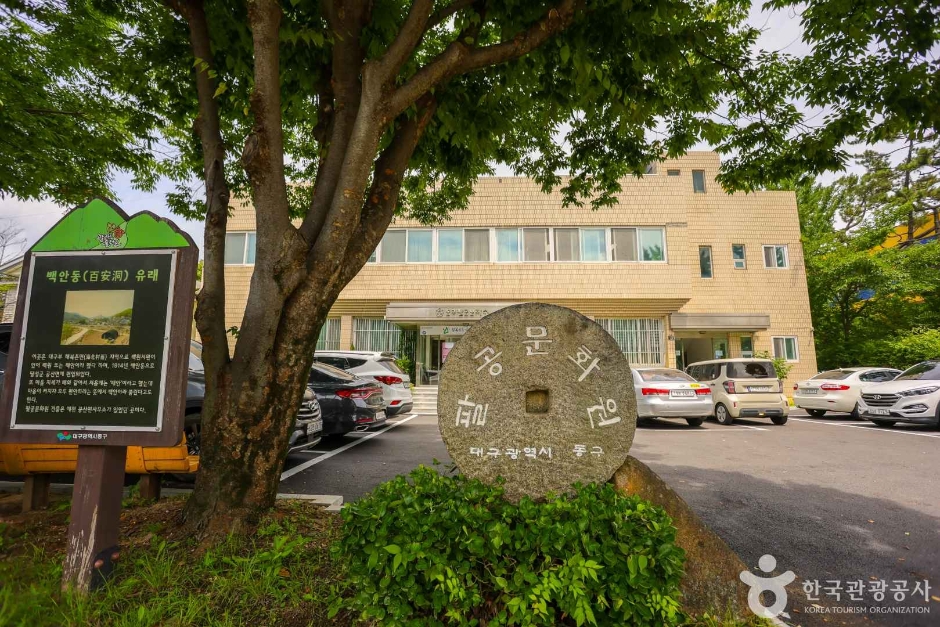
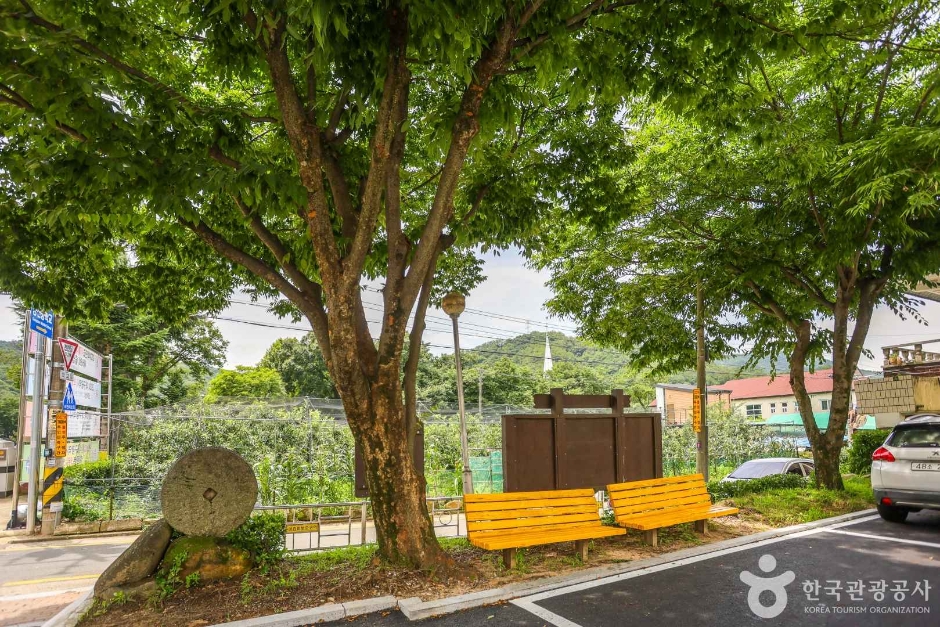
**Palgongmunhwawon**, filled with the scent of history and culture, is located in the heart of the Daegu Dong-gu area. Its excellent accessibility means that both public transport users and visitors using private cars can easily find it. Situated amidst a landscape where the beautiful Palgongsan foothills and the Kumho River harmonize, a visit alone offers healing within the city.
Location and Transportation Information
Palgongmunhwawon, located in the Dong-gu area of Daegu Metropolitan City, allows visitors using private cars to utilize nearby parking facilities, and can be conveniently accessed by public transportation via city bus routes. For detailed route information, it is recommended to check through the Daegu City Public Transportation Information System. Its excellent accessibility makes it ideal for a casual visit to enjoy cultural life.
Hidden Treasures Around Palgongmunhwawon to Enjoy Together
If you have planned a visit to **Palgongmunhwawon**, how about exploring the beautiful nearby attractions together to create an even richer cultural trip? In the Palgongsan foothills and along the Kumho River, there are meaningful and beautiful places hidden everywhere, just as much as the Cultural Center itself.
Recommended Courses Connected with Palgongmunhwawon
- Palgongsan Provincial Park Palgongsan, the guardian mountain of Daegu and boasting beautiful scenery, offers various attractions such as cable cars, hiking trails, and Gatbawi. It’s a great place to relax in nature after visiting the Cultural Center.
- Donghwasa Temple Donghwasa Temple, an ancient temple located in the Palgongsan foothills, creates a serene atmosphere with its Unification Buddha (Tongil Yaksayeoraedaebul) and beautiful temple buildings. You can experience the essence of Korean Buddhist culture.
- Esiapolis It is a multi-cultural complex rich in shopping and dining options. It’s also a good course to conclude the inspiration gained from the Cultural Center with shopping and delicious food.
- Kumho River Ayggyo Rail Bridge It is a place transformed into a recreational space for citizens by remodeling a disused railway bridge. It is an optimal place for a stroll while enjoying the river breeze.
As such, around **Palgongmunhwawon**, there are various attractions where history, nature, and modern pleasures coexist, allowing you to plan a fulfilling cultural outing for the entire day. Choose a course that suits your taste, tailored to the unique character of each place.
Tips for Visiting Palgongmunhwawon for a Deeper Experience
No matter the place, knowing a little more about it can lead to a deeper impression. Even when visiting **Palgongmunhwawon**, if you know a few tips, you can create a special, long-lasting experience rather than just a fleeting visit.
Checklist Not to Miss
- Check Programs Before Visiting Palgongmunhwawon always operates a variety of exhibitions, educational, and performance programs. You can have a more fulfilling time by checking the schedule of ongoing programs on the website before your visit.
- Utilize Docent/Interpretation Programs Check if there are docent or interpretation programs available to help you gain a deeper understanding of the cultural center’s exhibitions or artifacts, and actively participate. You can hear hidden stories through expert explanations.
- Comfortable Attire and Shoes If you plan to explore the surroundings in addition to viewing the cultural center’s interior, comfortable attire and shoes are essential. Enjoy the scent of culture with relaxed steps.
- Observe Photography Etiquette While it’s good to capture precious moments, please observe etiquette by refraining from using flash to avoid disturbing other visitors and taking photos only in designated areas to protect exhibits.
- Subscribe to the Cultural Center Newsletter By subscribing to the regularly published cultural center newsletter or SNS channels, you can receive the latest event information and interesting news before anyone else.
Palgongmunhwawon, Discovering Your Own Story There
**Palgongmunhwawon** is not merely a place that preserves the old; it is a melting pot of culture that continuously provides new values and inspiration to us who live in the present. Here, you will be able to learn about the long history of Palgongsan and the Kumho River, gain a deep understanding of local culture, and moreover, have precious time to reflect on yourself.
If you wish to pause in your busy daily life and experience the deep resonance that culture offers, do not hesitate to knock on the doors of **Palgongmunhwawon**. There, your story will begin. In this special place where the old and the new meet to emit a harmonious light, we hope you create your own beautiful memories.
Frequently Asked Questions
Q1. What are the main activities of Palgongmunhwawon?
Palgongmunhwawon preserves the historical culture of the Palgongsan and Kumho River basin and strives for the inheritance and development of traditional culture in the Daegu Dong-gu area. In addition to core projects such as the Cheonjedan restoration, Palgongsan Sansinje, and Gongsan Toseong restoration, it actively develops various local cultural life projects including talent donation, creative activity support, and cultural sharing.
Q2. Are there special programs for visitors?
Yes, Palgongmunhwawon operates various cultural programs for citizens to participate in. Joyful, pleasant, and happiness-filled programs, including exhibitions, education, experiences, and performances, are planned regularly or seasonally, so we recommend checking the website before your visit.
Q3. Where are some good places to visit near Palgongmunhwawon?
Around Palgongmunhwawon, there are various attractions such as Palgongsan Provincial Park, the ancient Donghwasa Temple, Esiapolis where you can enjoy shopping and dining, and the Ayggyo Rail Bridge along the Kumho River. You can plan a comprehensive travel course encompassing nature, history, and modern enjoyment along with your visit to the Cultural Center.
Q4. Are there any precautions to take when visiting Palgongmunhwawon?
It is advisable to check the operating hours and information on ongoing programs on the website before visiting the Cultural Center. When viewing inside, please observe etiquette for exhibit protection and other visitors (quiet viewing, no flash photography, etc.). Wearing comfortable attire and shoes for exploring the surroundings is also a good tip.
Q5. Is Palgongmunhwawon free to enter?
While general exhibition viewing may be free, special planned exhibitions, specific educational programs, or performances may incur a fee. It is best to check the exact fee information on Palgongmunhwawon’s official website before your visit.