
The deep ardent wish of the Baekje royal family, exploring the mystery of Gongju Jeongjisan Historic Site


What if you were to discover a Trace of an ancient ritual on a land where layers of time have accumulated? In Gongju, there is a place presumed to be a secret and majestic ritual space of the Baekje royal family. This is the Gongju Jeongjisan Historic Site, a sacred land imbued with the deep aspirations of the royal family who sought to sustain the kingdom during the Ungjin Baekje period, a time of crisis.
This site, initially regarded as a mere monument when first discovered, revealed its true value through thorough excavation by the Gongju National Museum. As it was revealed to be an important royal ritual facility, it was promoted to a National Historic Site in 2006, thus marking an important page in Baekje history.
As you walk here, you can almost feel the fervent prayers of the Baekje people for the royal family’s peace and prosperity flowing like air. Shall we journey together into this vivid historical site, where not just a simple ground, but the very breath of Baekje from fifteen hundred years ago remains intact?
Where the King’s Prayers Reached, Architectural Mystery of Jeongjisan Historic Site
The Gongju Jeongjisan Historic Site is located within a mere 500m of the Gongju Songsan-ri Tombs. This is unlikely to be a mere coincidence. The fact that the tombs of the Baekje royal family and their most important ritual facilities were situated as if facing each other allows us to glimpse Baekje’s strong will for strengthening royal authority and national stability at that time.
Royal Sanctuary Carved Out of a Rugged Ridge
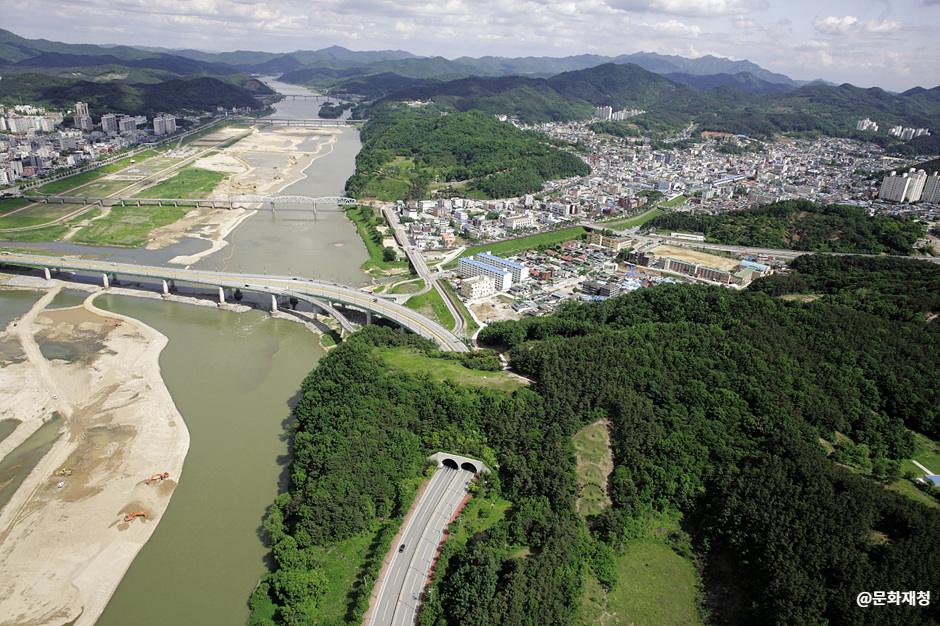
The construction method of this historic site shows the marvel of Baekje civil engineering technology of that time. They say that after demolishing all existing houses, they carved out a rugged ridge to create a wide and flat grand site. One can feel the effort to create a perfect space, even going against nature, as if it were an altar dedicated to a god.
- Elaborate Defense Facilities To the southeast, where Gongsanseong Fortress can be seen, approximately three to five layers of wooden fences surrounded it, and a wide and deep ditch, over 5m wide and 2m deep, was dug on the ridge connecting to the Songsan-ri Tombs, aiming for complete isolation from the outside.
- Only One Entrance Only a narrow entrance of approximately 1m was left, strictly controlling access and further enhancing the dignity of the space as a sacred area.
- Internal Building Arrangement It is presumed that several buildings were constructed inside the ditch to perform rituals or prepare for related ceremonies.
This scale and sophistication clearly demonstrate that it was not merely a private space, but a place where important national-level rituals were performed. Just imagining what fervent prayers the Baekje royal family might have offered here makes one’s heart swell.
Traces Forged by Time, Baekje’s Heart Read Through Artifacts
Many precious artifacts that offer a glimpse into the dignity of the Baekje royal family were unearthed from the Jeongjisan Historic Site. In particular, the janggo-shaped vessel stand with elaborate decorations showcased the essence of Baekje craftsmanship at that time and received great attention from scholars.
Gukjaseja, The Story Behind That Name
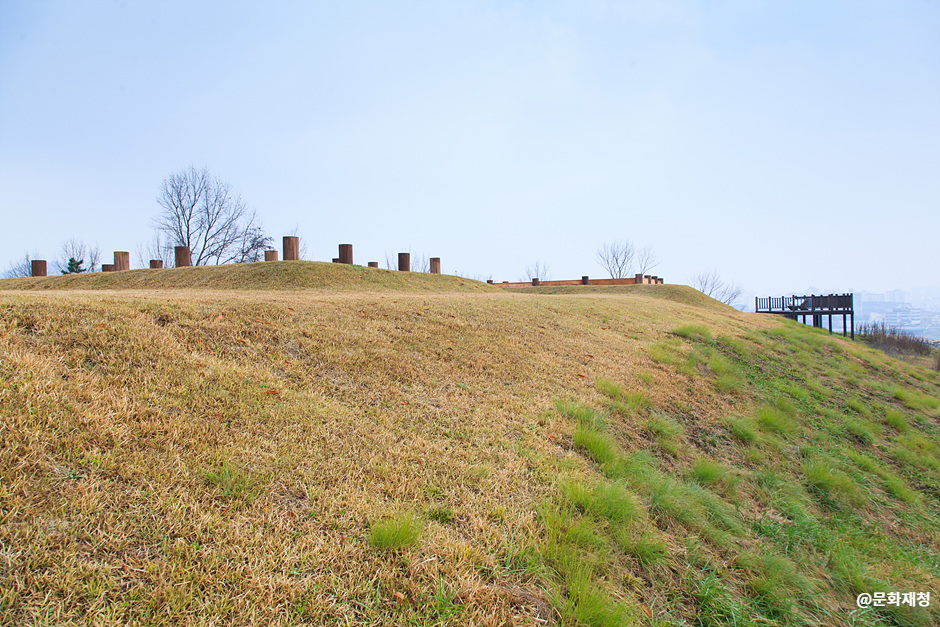
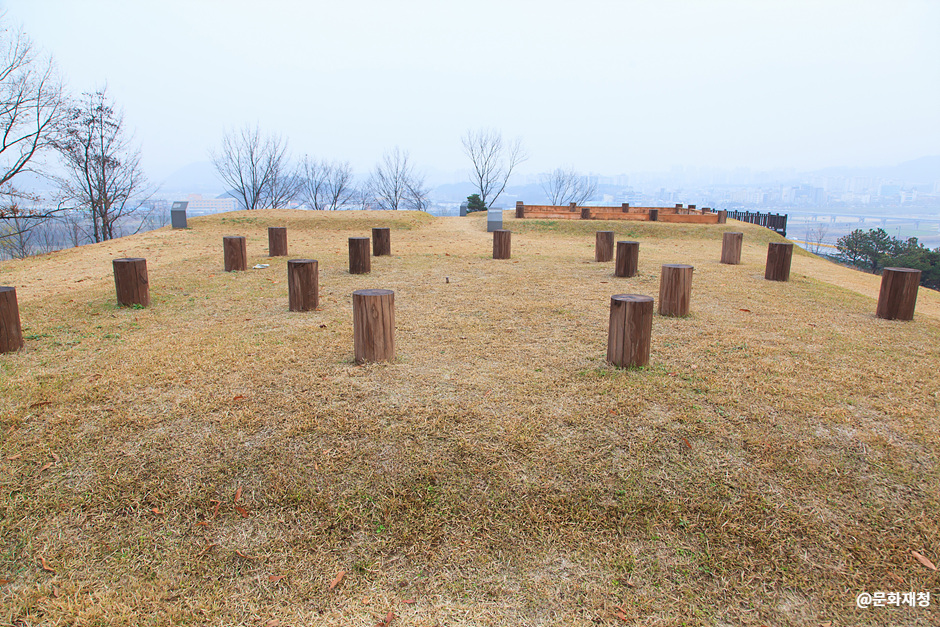
Some of the artifacts discovered here are presumed to be related to ‘Gukjaseja’. Gukjaseja is a figure in history whose very existence is faint, recorded in the 『Samguk Sagi』 as the son of King Dongseong of Baekje. The mention of his name in this sacred ritual space suggests the possibility that the Jeongjisan Historic Site held a deeper meaning beyond simple royal rituals.
Major Excavated Artifacts
- Janggo-shaped Vessel Stand Produced with elaborate patterns and precise techniques, it allows us to infer the dignity of royal rituals.
- Various Earthenware Various forms of earthenware, presumed to have been used in rituals, were excavated, becoming important clues for research into the lifestyle and religious significance of the time.
These artifacts are not merely fragments shaped from clay. They are evidence of time, intactly containing the ardent hopes fervently wished for and offered by the Baekje royal family for the nation’s peace and prosperity, and the outstanding craftsmanship of the artisans of that time.
The Path to Feeling Baekje’s Breath, Gongju Jeongjisan Historic Site Visitor’s Guide
If you are planning a journey to walk along the footsteps of history, the Gongju Jeongjisan Historic Site is a place you cannot miss. Currently, it is developed as a well-maintained historic site where you can stroll and feel the breath of Baekje. Admission is free, and you can visit freely without any specific operating hour restrictions.
Directions: To the Heart of Baekje
Located in Gongju city center, it offers good accessibility. When using public transportation, it is convenient to take a city bus or a taxi from Gongju Intercity Bus Terminal. If driving, you can utilize nearby parking facilities. As it is adjacent to the Songsan-ri Tombs, we recommend a course that includes visiting both.
You can find your way even more easily by referring to the map below.
Baekje History Tour, Tips for Deeper Enjoyment
- Connect Your Course Visit the nearby Gongju Songsan-ri Tombs, the Royal Tomb of King Muryeong of Baekje, and Gongsanseong Fortress together to see the historical flow of Ungjin Baekje at a glance. All are organically connected traces of Baekje.
- Pre-Study If you learn about the historical background of the Baekje period and the Ungjin capital transfer period in advance before your visit, the meaning of the historic site will become even more vivid.
- Seasonal Scenery In spring, green sprouts emerge, and in autumn, the foliage turns colorful, making the scenery around the historic site beautiful. Visiting during seasons suitable for walking is recommended.
- Gongju National Museum The artifacts excavated from the historic site are displayed at the Gongju National Museum. If you visit the museum after exploring the historic site, you can gain a deeper understanding of the artifacts.
Beyond Fifteen Hundred Years of Time, Baekje’s Dream Encountered at Jeongjisan Historic Site
The Gongju Jeongjisan Historic Site is not just a simple historic site. It is a living history, imbued with the spirit of the Baekje people who, even amidst hardship and adversity, wished for the firm will of the royal family and the well-being of their people. Stroll here and experience a special time that connects the past and the present. Witnessing the rise and fall of a nation, you will be able to feel a deep sense of pride in our people’s great heritage.
We hope you complete your own historical journey at the Gongju Jeongjisan Historic Site, where the breath of Baekje remains intact.
Frequently Asked Questions
Q1. What kind of place is the Gongju Jeongjisan Historic Site?
The Gongju Jeongjisan Historic Site is presumed to be a royal ritual facility established during the Ungjin Baekje capital relocation period (late 5th to mid-6th century). It is a sacred space where important rituals were performed, praying for the nation’s peace and prosperity, and was designated as a National Historic Site in 2006.
Q2. What are the major artifacts found at the Jeongjisan Historic Site?
From the Jeongjisan Historic Site, various earthenware, including a janggo-shaped vessel stand with elaborate decorations, were unearthed. In particular, the janggo-shaped vessel stand, presumed to be an artifact related to ‘Gukjaseja’, received attention from the academic community.
Q3. Is there an admission fee to visit the Jeongjisan Historic Site?
No, the Gongju Jeongjisan Historic Site is open to the public free of charge. Operating hours are not separately fixed, so you can visit freely and explore the historic site. For a pleasant visit, please use the surrounding environment cleanly when you visit.
Q4. Are there any other places worth visiting near the Jeongjisan Historic Site?
Yes, the Jeongjisan Historic Site is very close to the Gongju Songsan-ri Tombs (Royal Tomb of King Muryeong), and Gongsanseong Fortress is also within driving distance. The Gongju National Museum is also adjacent, so we recommend visiting them together to create a Baekje history tour course.
Q5. What is the meaning of ‘Jeongjisan’ in Jeongjisan Historic Site?
Jeongjisan (停止山) means ‘the mountain stops’, and it is highly likely that the place name originated from surrounding geographical features rather than being directly connected to the nature of the historic site. This historic site shows a unique architectural style where a flat grand site was created by carving out a ridge.