
The fervent shouts of April, resound again at the 4.19 Democracy Revolution History Museum.


Some spaces go beyond merely exhibiting old artifacts, piercing through the veil of time to convey the vivid breath of that day. Gwangju’s 4·19 Democratic Revolution History Museum, which faithfully contains a page of history, is precisely such a place.
The moment we step inside, we become not just mere spectators, but witnesses of that era, feeling the fervent desire for democracy with our whole being. The 4·19 Democratic Revolution History Museum approaches us more powerfully than any textbook, posing questions.
The vivid traces of that day blossom in the history museum
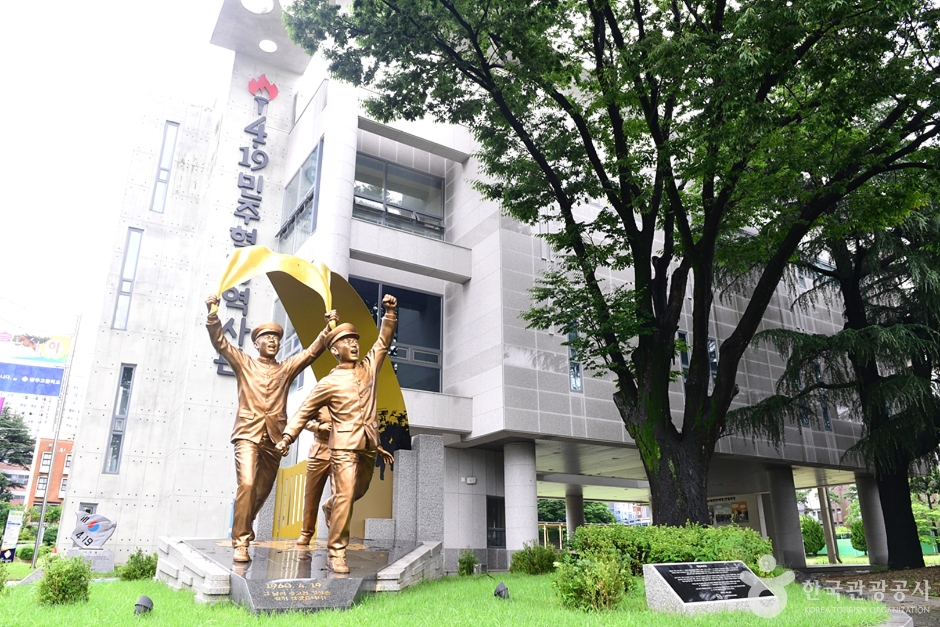
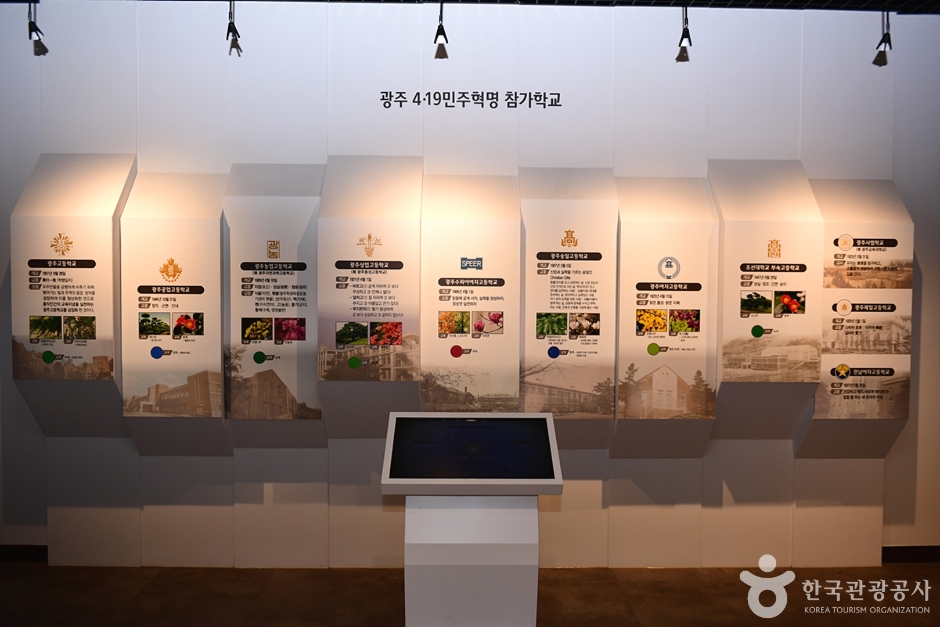
Located within Gwangju High School, the 4·19 Democratic Revolution History Museum is a special space established to inherit the spirit of the 4·19 Revolution. It opened on March 20, 2019, and recreates the fierce moments of that time with vivid photographs, detailing the progression of the revolution in chronological order. It is an immersive exhibition that goes beyond mere information, making visitors feel as if they are breathing the air of that era themselves.
Where time that stood still flows again
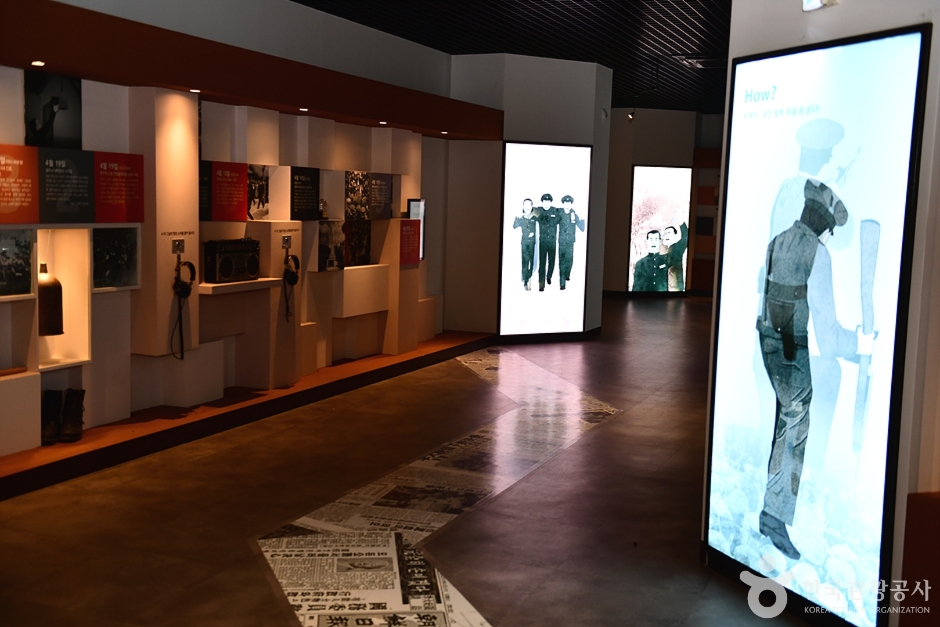
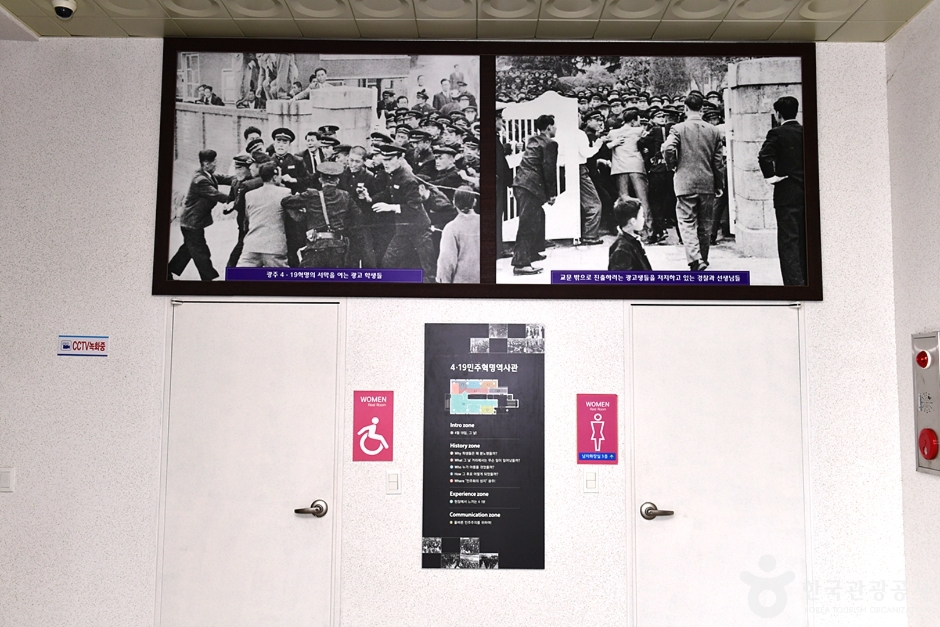
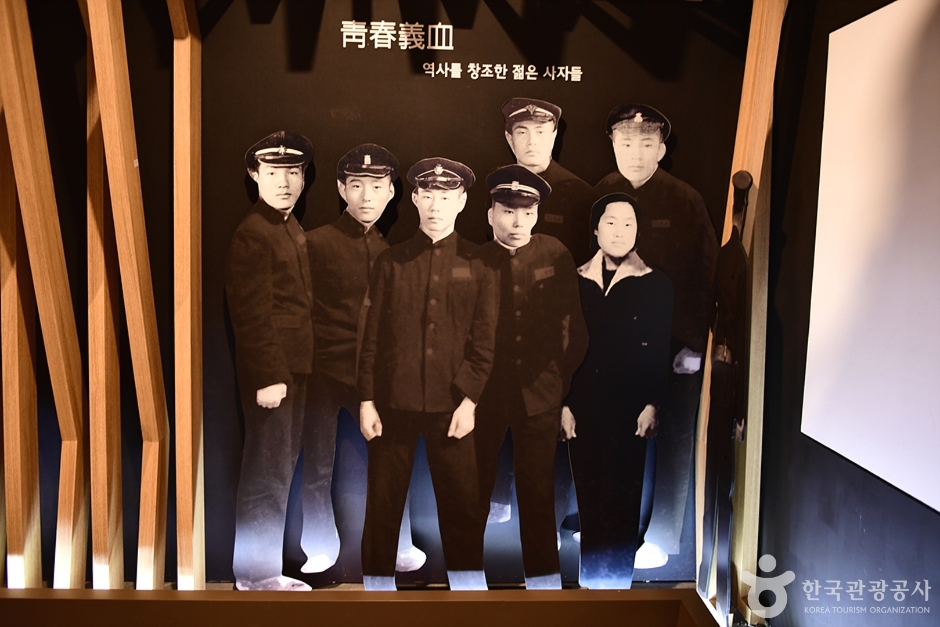
- Visual Testimonies Numerous historical photographs faithfully capture the courage of the students and the aspirations of the citizens at that time. One can read their earnestness from the expressions of the figures in the black-and-white photos.
- Detailed Progression The well-organized circulation path and explanations, from the outbreak of the revolution to its development and impact, help visitors easily understand the flow of history.
A Democracy Experience Awakening the Five Senses: A Field of Active History
The 4·19 Democratic Revolution History Museum‘s greatest appeal lies in its various experiential rooms where visitors can directly participate and feel. It provides a living history education venue rather than a rigid exhibition, offering deep emotion and enlightenment to visitors of all ages. Beyond merely seeing, through experiences remembered by the body, one can internalize the meaning of the 4·19 Revolution.
Join their shouts
Klook.com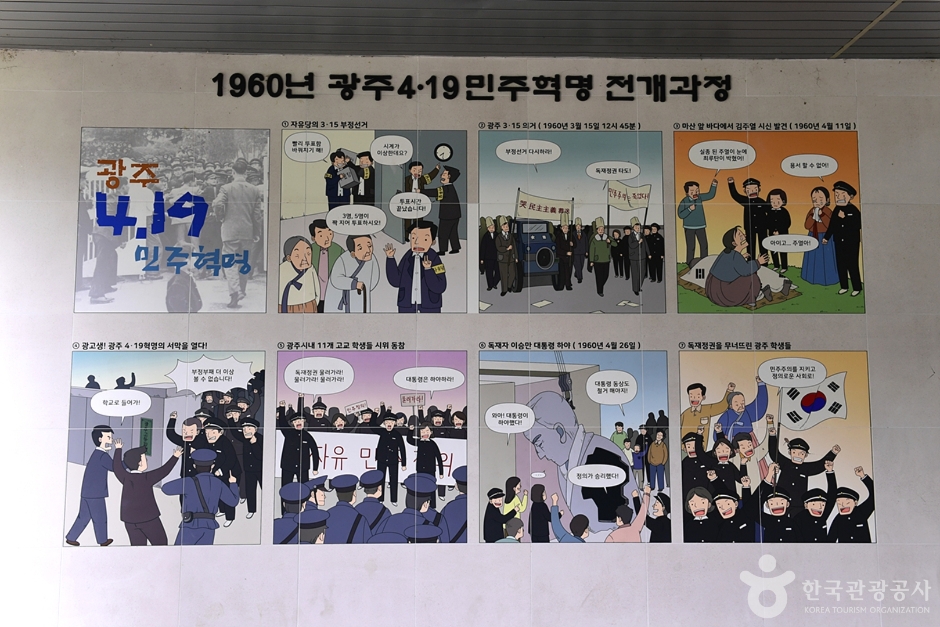
Moments with the protagonists of the revolution
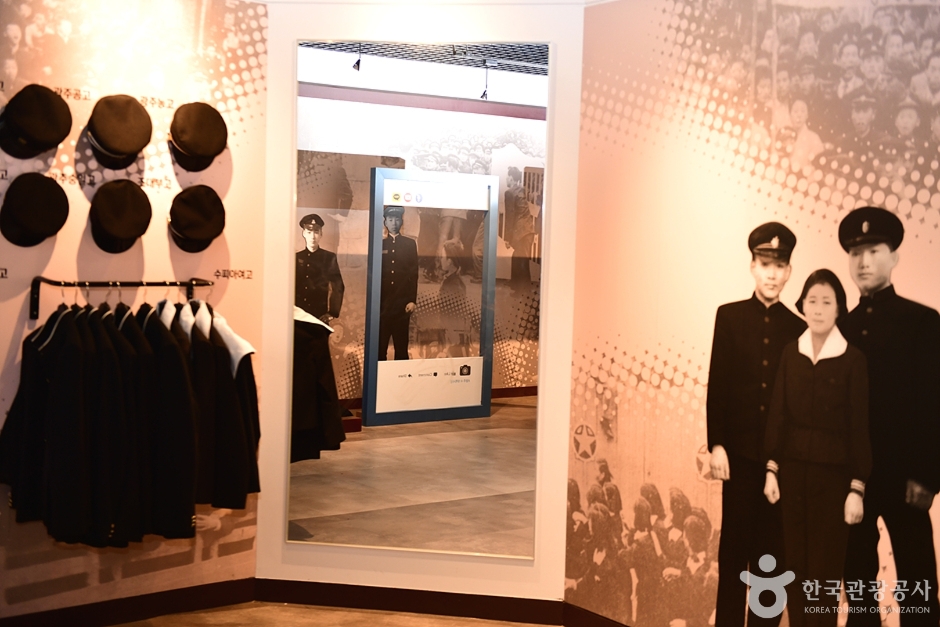
- Photo Zone with Revolution Participants Take commemorative photos with the standees of the revolution participants, and experience an indirect connection with historical figures. It will be a special moment to reflect on their spirit.
- Vivid Shouting Experience Corner Directly hear the shouts of the 4·19 Revolution, and a space where you can even shout revolutionary slogans faithfully conveys the fervent atmosphere of that day. It will provide a heartwarming experience.
Fun Ways to Learn History
- 4·19 Historical Figures Quiz Corner By taking quizzes to learn about key historical figures, you can gain a deeper understanding of the footsteps of those who dedicated themselves to democracy. It’s an opportunity to learn in an engaging way, stimulating intellectual curiosity.
- Patriotic Student Oath Experience Inheriting the spirit of the students who were the protagonists of the 4·19 Revolution, this corner allows you to directly experience the patriotic student oath. It will be a meaningful time to solidify one’s responsibility as a democratic citizen in a solemn atmosphere.
The Way to the History Museum and Meaningful Traces Nearby
4·19 Democratic Revolution History Museum, where is it located?
The 4·19 Democratic Revolution History Museum is located at Gwangju Metropolitan City 19 Songam-ro 4.19-gil, Nam-gu, within Gwangju High School. Although it is within the school, it is established as an independent space solely for the history museum, so there is no inconvenience in visiting. When using public transportation, it is convenient to alight at the Songam-dong Gwangju city bus stop or a nearby stop and walk.
Recommended Gwangju Exploration Courses After Visiting the History Museum
- Yangnim-dong Penguin Village It is a unique village where modern architecture and charming artworks blend together. After visiting the history museum, take a leisurely stroll and discover another charm of Gwangju.
- National Asia Culture Center (ACC) As a complex cultural space, it hosts various exhibitions, performances, and events. You can enjoy culture and art in its modern and sensual spaces.
- 5·18 Democracy Square & National 5·18 Democratic Cemetery These are important places symbolizing Gwangju’s democratic history along with the 4·19 Revolution. We recommend visiting them together to reflect on the values of democracy.
Tips for a Meaningful Visit
Don’t forget! Checklist Before Your Visit
- Check Opening Hours Most history museums may be closed on certain days or have varying operating hours, so it is highly recommended to check their official website or announcements before your visit.
- Consider Using Public Transportation Parking spaces around Gwangju High School may be limited. Considering the use of public transportation will make your visit more convenient and relaxed.
- Wear Comfortable Attire If you plan to explore not only the history museum but also connected nearby courses, there may be a lot of walking. Visit with comfortable shoes and attire to enhance your focus on the exhibition.
- Prepare with a Reverent Heart Beyond simply acquiring knowledge, if you visit prepared to honor the spirit of those who sacrificed for democracy with a reverent heart, you will be able to feel an even deeper resonance.
Frequently Asked Questions
Q1. Where is the 4·19 Democratic Revolution History Museum located?
The 4·19 Democratic Revolution History Museum is located at 19 Songam-ro 4.19-gil, Nam-gu, Gwangju Metropolitan City, within Gwangju High School. It is established in a separate space within the school, making it easy to visit.
Q2. What special experiences can be had at the history museum?
A photo zone with revolution participants, a shouting experience room where you can hear the shouts of that time and yell slogans, a 4·19 historical figures quiz corner, and a patriotic student oath experience are among the various participatory programs available.
Q3. When did the 4·19 Democratic Revolution History Museum open?
This history museum opened on March 20, 2019, and serves to inherit the spirit of the 4·19 Revolution and reflect on its meaning.
Q4. Can Gwangju High School students also use the history museum?
Yes, as it is located within the school, it is designed for students to use as educational material or participate in experiential activities, and is also open to the general public.
Q5. Are there any nearby places worth visiting when I go to the history museum?
Yes, we recommend visiting nearby places such as Yangnim-dong Penguin Village, where you can feel the charm of modern alleys, or the National Asia Culture Center (ACC), a complex cultural and artistic space. Additionally, 5·18 Democracy Square and the National 5·18 Democratic Cemetery are meaningful places where you can explore Gwangju’s democratic history.
 Love Korea? Promote it & Earn.