
The hidden story of Yangseonghyanggyo, as if time stood still, amidst 500 years of tranquility.


When we encounter ancient architecture that has quietly stood its ground through a long history, we often feel a deep story beyond just a building. Once filled with the fervor of learning, and now a quiet space for rituals, Yangseong Confucian School, located in Anseong Yangseong-myeon, is precisely such a place.
This small Confucian school is a historic place where the footsteps of Joseon Dynasty scholars and the aesthetics of its architecture remain intact. First built in 1533, and having endured numerous historical upheavals to reach today, Yangseonghyanggyo perfectly preserves the tranquil beauty forged by time.
What kind of historical background and intriguing architectural secrets are hidden here? Let’s now listen to the long story of Yangseonghyanggyo.
A Foundation of Wisdom Layered with History: The Legacy of Yangseonghyanggyo
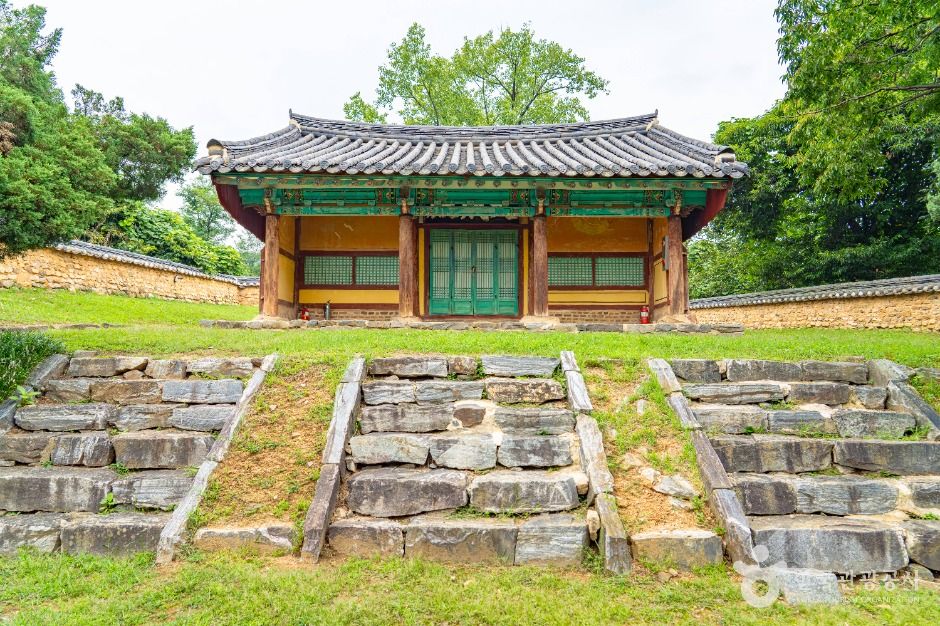
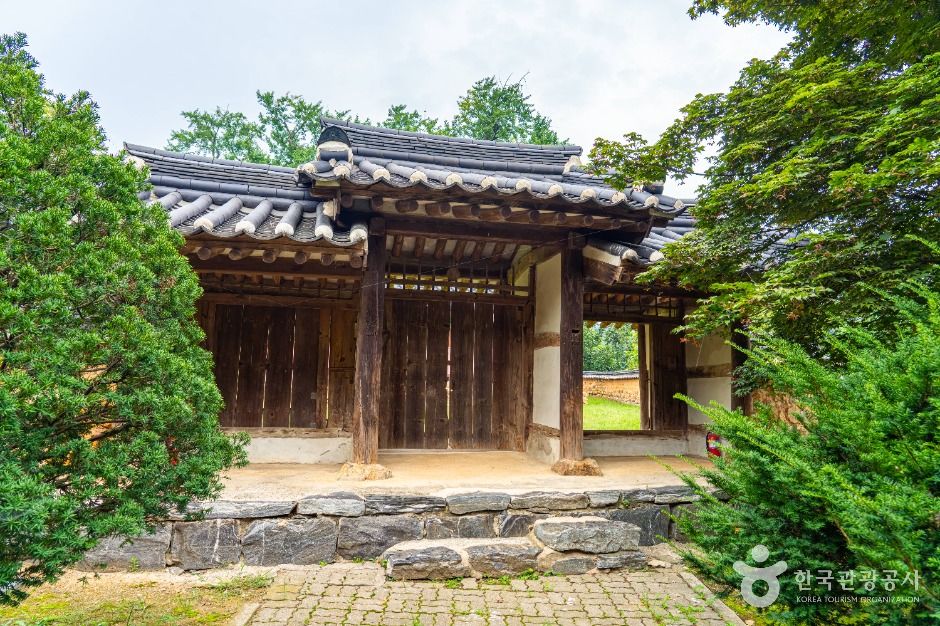
Yangseonghyanggyo is a historic educational institution that was first established in 1533 during the mid-Joseon Dynasty and was responsible for the education of local Confucian scholars. It was rebuilt in 1774 and has taken its current form after several repairs. During the Joseon Dynasty, it played an important role in educating students, receiving support from the state in the form of land, enslaved people, and books. Scholars would have studied Confucian classics and cultivated their character here while preparing for the state examinations.
From Education to Rituals: Changes in the Function of the Confucian School
In the past, Yangseonghyanggyo was a cradle for talent cultivation, but as times changed, its function also evolved. Now, unfortunately, its educational function has disappeared, and only the ritual function of offering ancestral rites to sages remains. This is a common phenomenon seen in many Confucian schools nationwide, and it is a facet that shows the historical significance of Confucian schools along with the changes in their role in modern society.
Main Components of a Confucian School
A Space Imbued with the Spirit of Ancient Scholars: Exploring Architectural Beauty
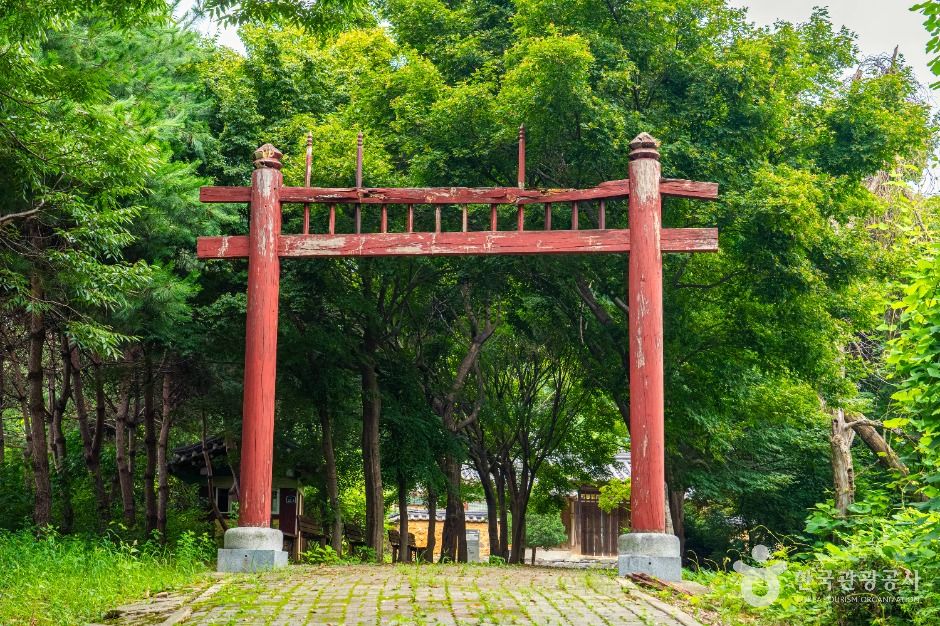
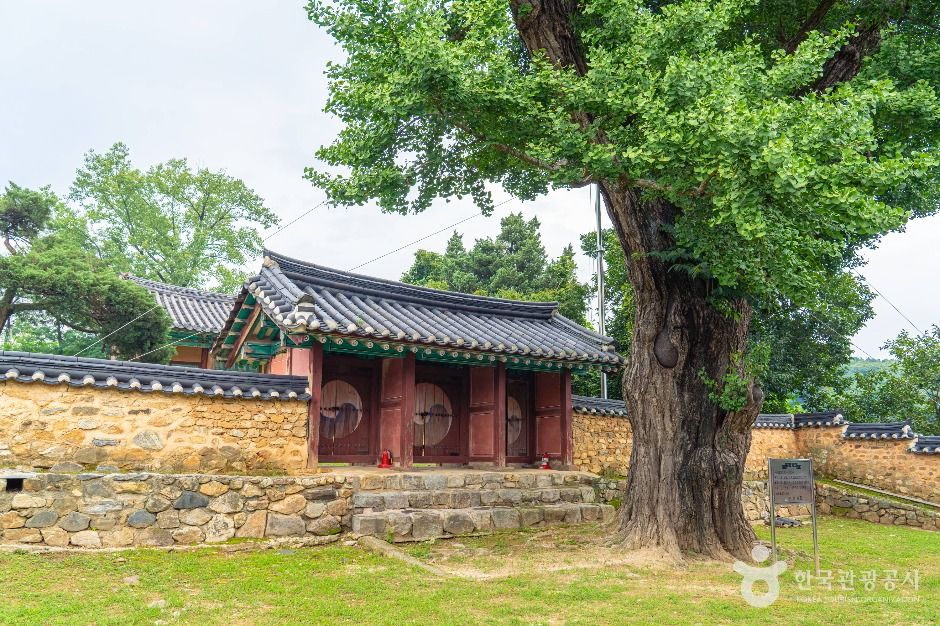
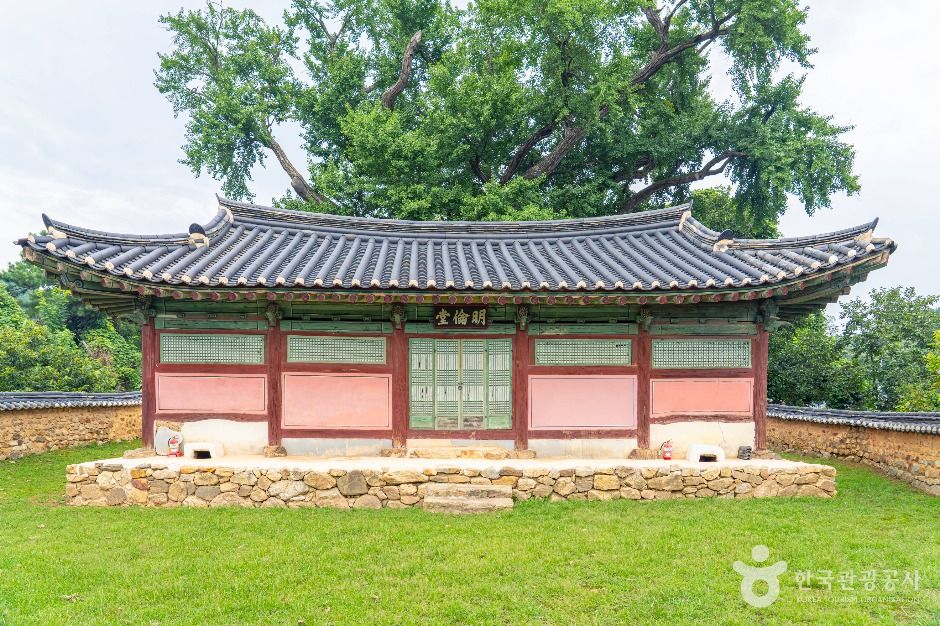
Klook.comYangseonghyanggyo follows the typical layout of a Confucian school, centered around Daeseongjeon and Myeongnyundang. In the front is Myeongnyundang, a space for learning, and in the back is Daeseongjeon, a ritual space dedicated to Confucius and other sages. Additionally, Naesamun and Oesamun, which divide the interior and exterior of the Confucian school, add to its traditional charm.
Daeseongjeon and Myeongnyundang: The Aesthetics of Their Differences
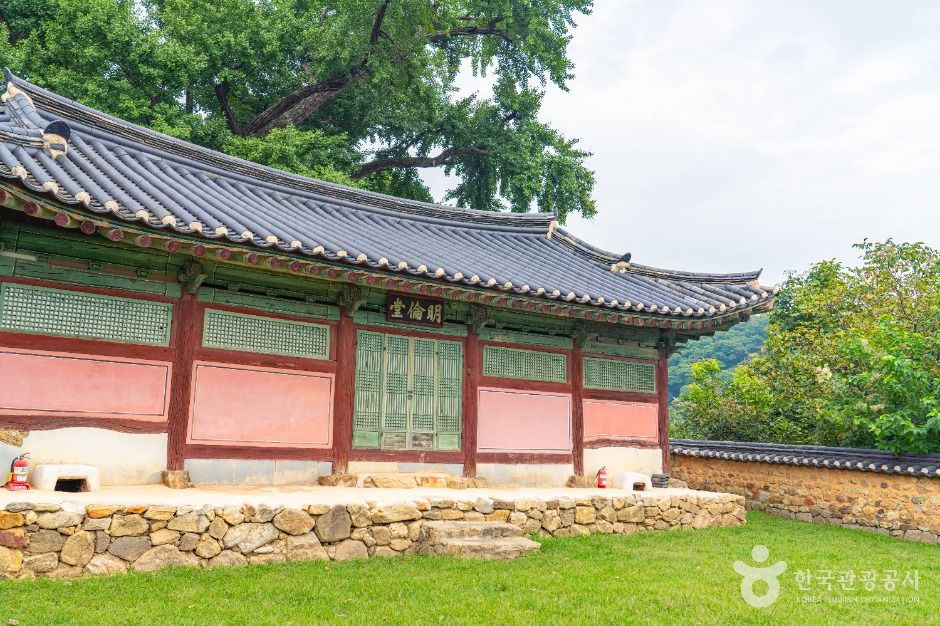
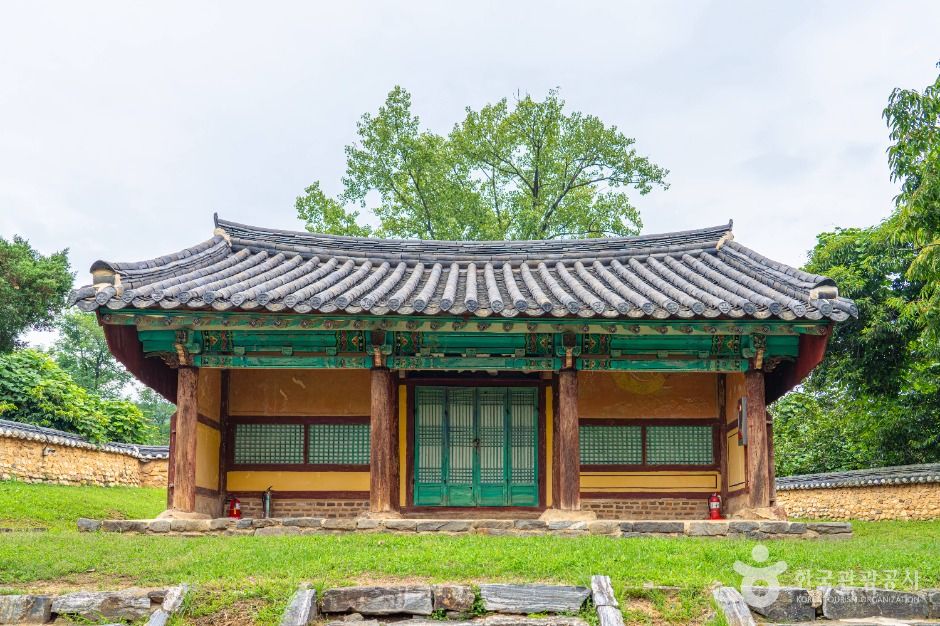
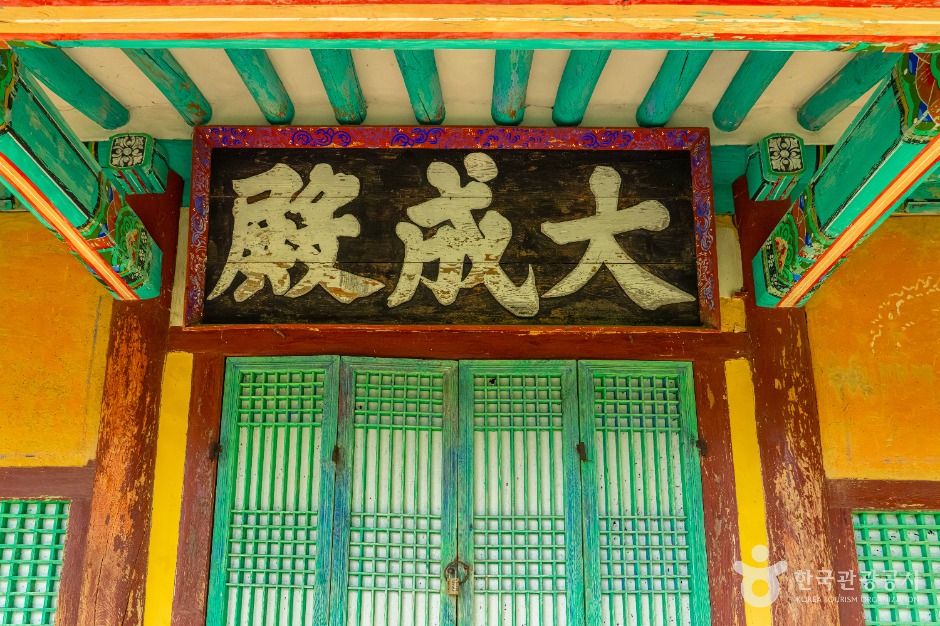
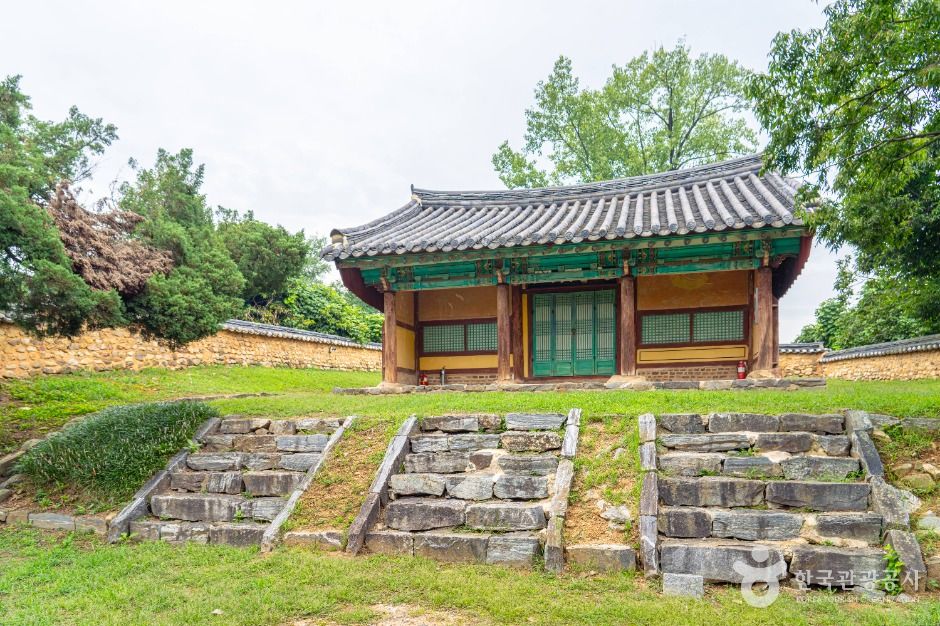
| Category | Size | Roof Type | Purpose |
|---|---|---|---|
| Daeseongjeon | 3 bays in front, 3 bays on sides | Gable roof (人-shaped) | Ritual space for sages |
| Myeongnyundang | 5 bays in front, 2 bays on sides | Hip-and-gable roof (八-shaped) | Education and lecture space |
Myeongnyundang, in particular, created a sense of openness for the learning space by having a wide wooden floor for the central 3 bays, while the two bays on the left and right were designed with ondol to provide a warm resting space. This spatial configuration is a characteristic that well illustrates the style of a small-scale Confucian school in the late Joseon Dynasty, allowing one to appreciate its simple yet practical beauty.
Walking Through Tranquil Times: Yangseonghyanggyo Visit Tips
How to Get There?
Yangseonghyanggyo, located in a quiet rural village, can be somewhat difficult to access by public transportation. It is most convenient to use a personal car, and you can easily arrive by entering the address into your navigation system. It is advisable to check operating hours before visiting.
Checklist for a More Meaningful Trip
- Respect the Serenity Since the Confucian school is a place still used for ancestral rites, it is important to observe with a quiet and reverent attitude.
- Learn the Historical Background Learning a little about the history of Yangseonghyanggyo and Confucian culture before your visit can lead to a deeper impression.
- Appreciate Hanok Beauty Carefully examine the architectural features, such as the roof type and number of bays of Myeongnyundang and Daeseongjeon, to discover the intricacy of ancient architecture.
- Connect with Nearby Attractions Anseong has many historical and cultural relics, such as Chiljangsa Temple and Mirinae Holy Site, so plan a richer trip by exploring them together.
The Message Yangseonghyanggyo Gives to Us Living Today
Yangseonghyanggyo, distinguished by its restrained beauty rather than splendor, reminds us of the precious values we often forget amidst rapid change. Why not take a moment to pause here, where the wisdom and life attitudes of our ancestors are deeply embedded, to feel the breath of the past and reflect on our present selves?
You don’t necessarily have to do a lot. Simply standing in a tranquil Hanok courtyard and listening to the sound of the wind and birds will be a sufficiently meaningful experience. Plan your journey into history with Anseong’s beautiful nature at Yangseonghyanggyo, right now!
Frequently Asked Questions
Q1. When was Yangseonghyanggyo built?
Yangseonghyanggyo was first built in 1533 during the Joseon Dynasty, later rebuilt in 1774, and has taken its current form after several repairs.
Q2. What is the current function of Yangseonghyanggyo?
During the Joseon Dynasty, it served as a Confucian educational institution, but currently, its educational function has ceased, and only the function of holding ancestral rites for Confucius and other sages remains.
Q3. What is the difference between Daeseongjeon and Myeongnyundang?
Daeseongjeon is a ritual space for enshrining sages, with 3 bays in front and 3 bays on the sides, and a gable roof, while Myeongnyundang is an educational space with 5 bays in front and 2 bays on the sides, and a hip-and-gable roof.
Q4. Are there any places worth visiting near Yangseonghyanggyo?
Yes, in the Anseong area, there are many temples and holy sites with various historical meanings, such as Chiljangsa and Mirinae Holy Site, so you can visit them together for a richer historical trip.
Q5. Are there any precautions when visiting Yangseonghyanggyo?
Since a Confucian school is a sacred ritual space, it is important to observe with a quiet and calm demeanor. Additionally, it is advisable to refrain from entering areas other than those designated, to protect the internal facilities.
 Love Korea? Promote it & Earn.