The story of Mulgye Seowon, a cradle of wisdom that has transcended time


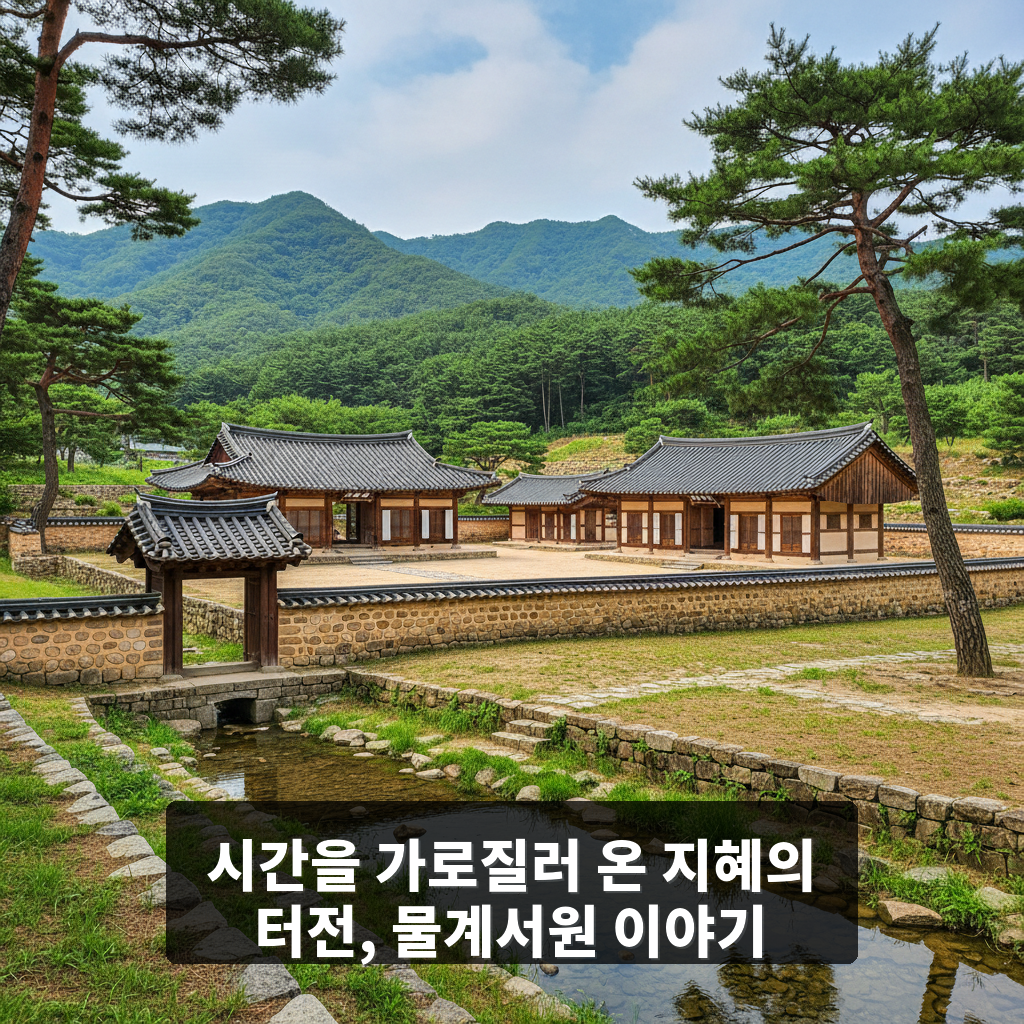
Have you ever stood in the tranquil courtyard of a Seowon, feeling the spirit of scholars from centuries past carried on the wind? In a quiet village in Hapcheon, Gyeongnam, stands **Mulgyeseowon**, an academy that holds timeless values. This is more than just a building; it’s a special place imbued with the history and spirit of individuals that have been passed down and not forgotten over a long period.
The moment you step foot here, you will momentarily forget the hustle and bustle of modern life and listen to the wise voices of the past. What kind of spirit of scholars resides here, and why did so many people try to rebuild **Mulgyeseowon** even amidst the tragedy of the abolition of Seowon?
Now, let’s unravel those curiosities together, and I will tell you the story of **Mulgyeseowon**, deeply hidden in history. Shall we follow the footsteps of our ancestors who led the thought and education of an era?
Mulgyeseowon, Embracing Centuries of History: Its Beginning and Revival
**Mulgyeseowon** was founded in 1712, the 38th year of King Sukjong’s reign, bringing together the deep intentions of local Confucian scholars. At that time, ancestral tablets were enshrined here to commemorate the scholarship and virtue of eight individuals: Seong Songguk, Seong Sammun, Seong Damsu, Seong Suchim, Seong Un, Seong Jewon, Seong Hon, and Seong Yunhae. These were practical scholars and intellectuals who represented their respective eras and greatly influenced later generations.
The Spirit of Enshrinement Continued Through Time
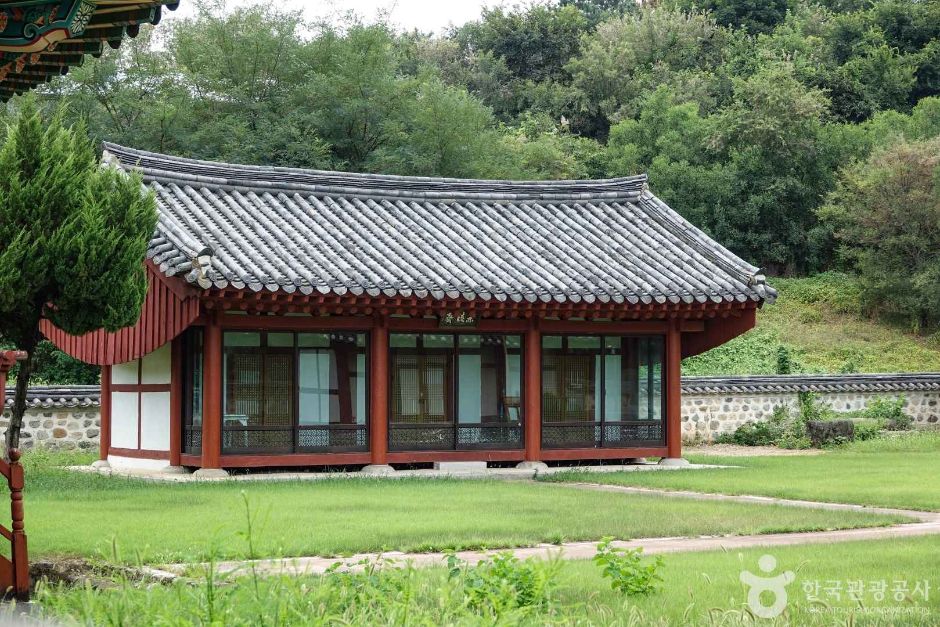
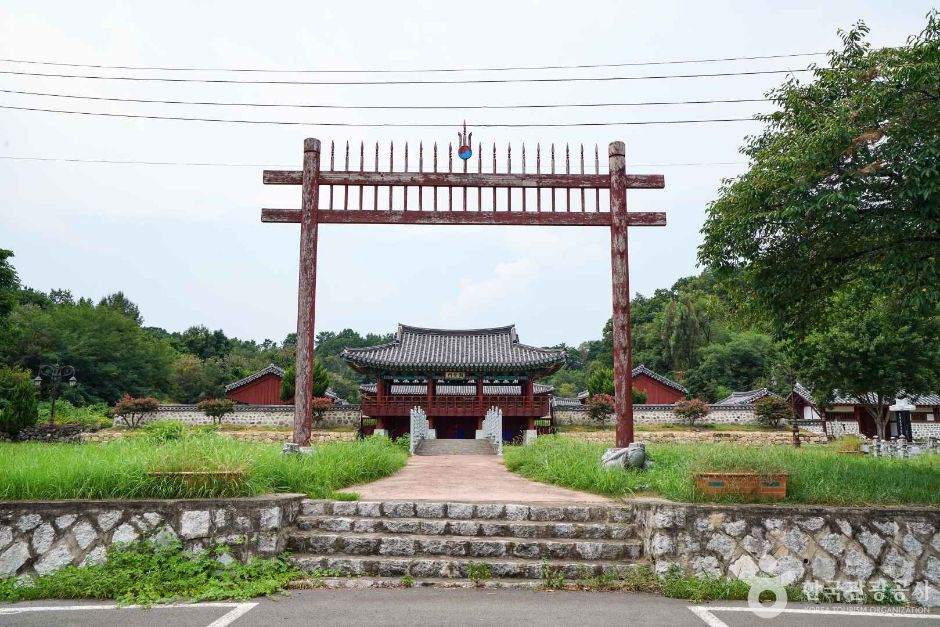
Even after its foundation, the Seowon embraced new figures as time passed. Seong Yeohwan, Seong Hui, Seong Sugyeong, Seong Munjun, Seong Ram, and Seong Yeosin were additionally enshrined, and in 1814, the 14th year of King Sunjo’s reign, Seong Ani was honored, and in 1857, the 8th year of King Cheoljong’s reign, Seong Jundeuk was enshrined, thereby expanding the spiritual horizon of the Seowon. In this way, **Mulgyeseowon** has honored sages, served as a pillar of local education, and acted as an important focal point of traditional society.
Daewongun’s Order to Abolish Seowon and the Reconstruction of Mulgyeseowon
However, in 1868, the 5th year of King Gojong’s reign, during the tumultuous period of Daewongun’s order to abolish Seowon, **Mulgyeseowon**, along with countless other Seowon nationwide, suffered the misfortune of being dismantled. Yet, even amidst the disruption of history, its spirit was not extinguished. In 1989, through the efforts of dedicated individuals, the Seowon was restored, and in 1997, it took on its present form with the additional enshrinement of Seong Seokrin, Mun-gyeong-gong, the Chief State Councilor, and Seong Eonchung, a licentiate.
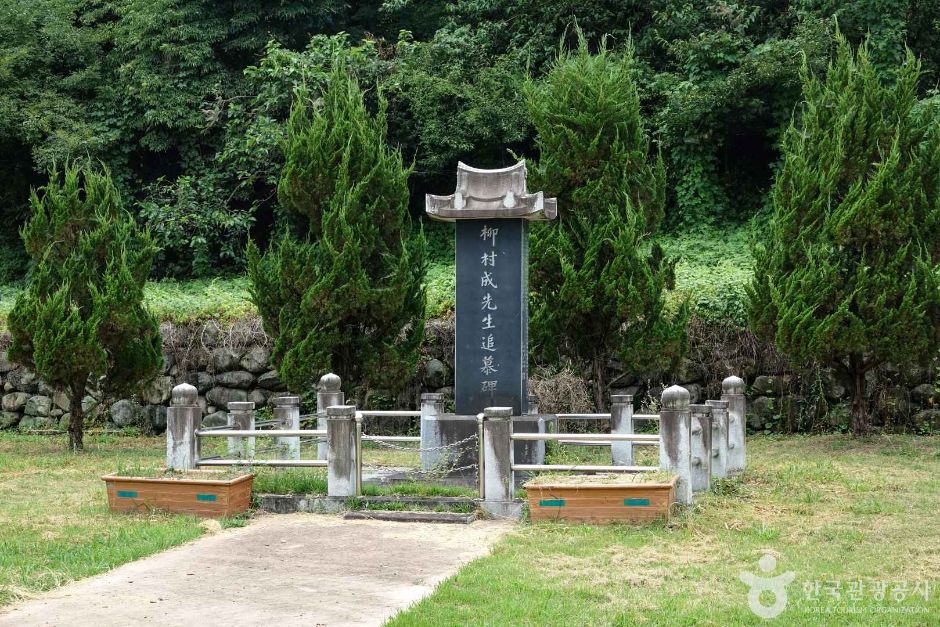
- Mulgyeseowon Wonjeongbi (Monument Stone of Origin): This is a cultural heritage material of Gyeongsangnam-do, engraved with the origin of the Seowon and the biographies of no less than 19 enshrined figures. If you visit the Seowon, we recommend taking a moment to reflect on their lives in front of this stele.
History Hidden in a Tranquil Landscape: Mulgyeseowon Exploration Guide
Klook.com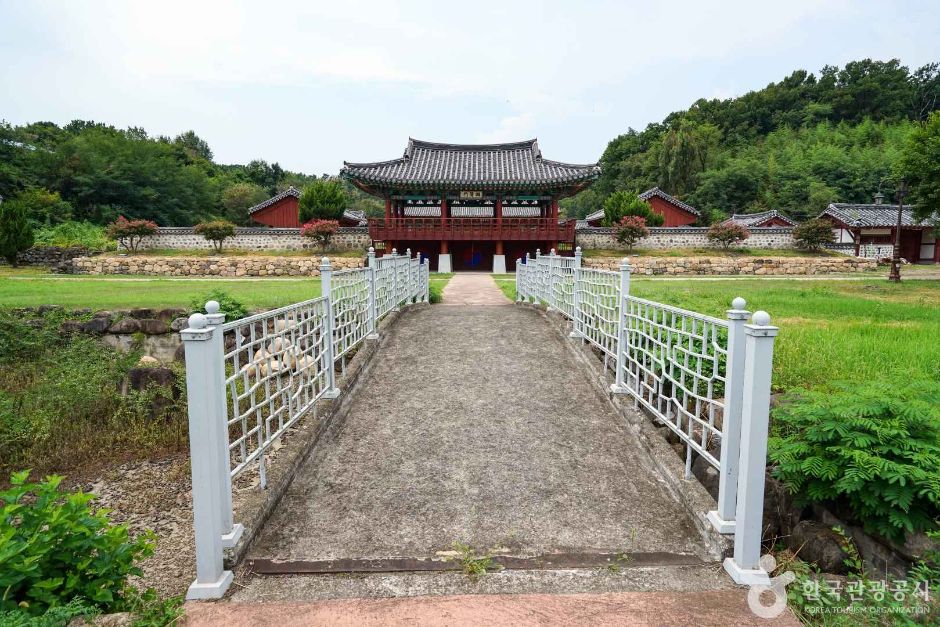
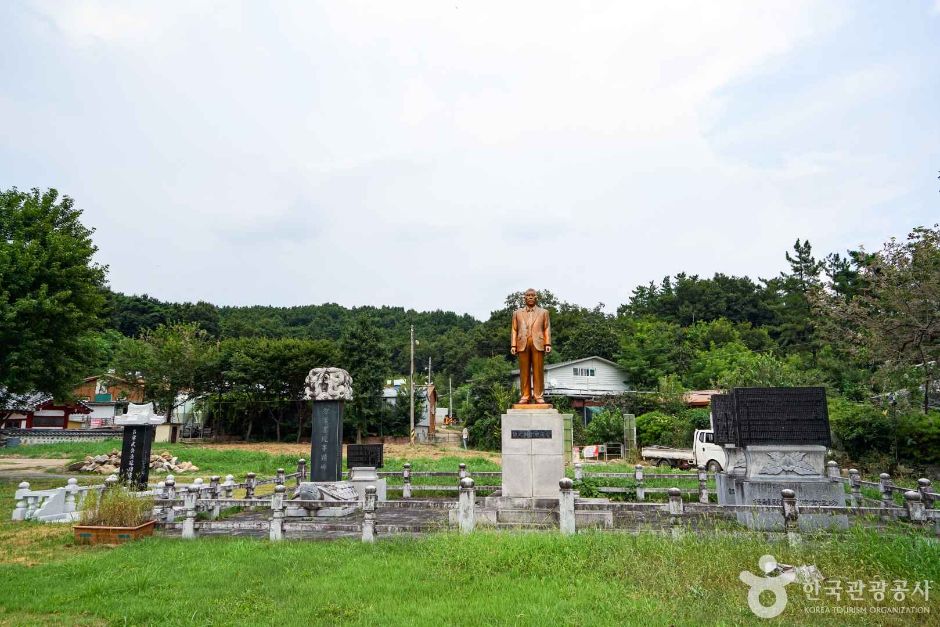
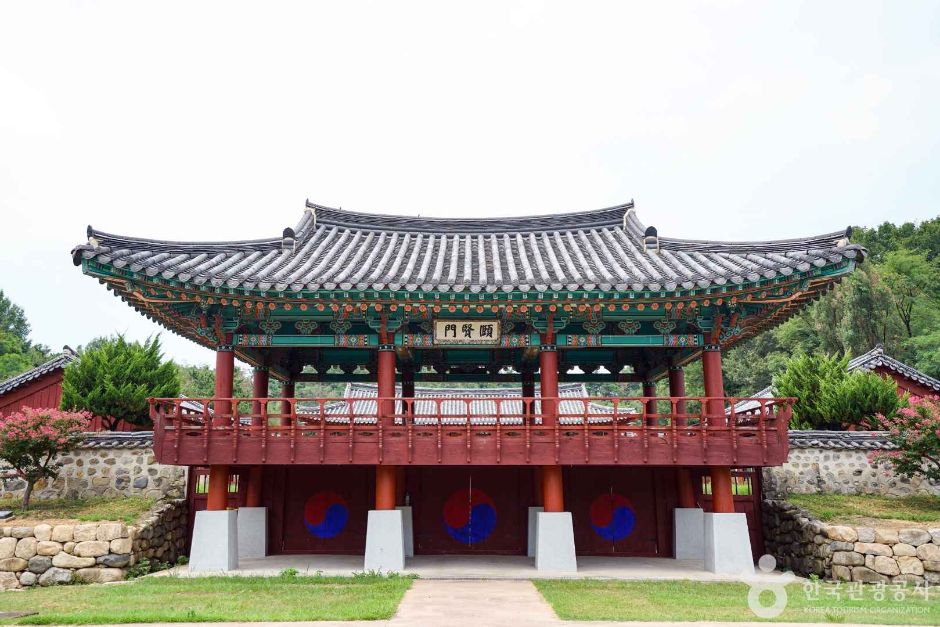
Nestled amidst the beautiful nature of Hapcheon, **Mulgyeseowon** is an excellent place to escape the busy daily routine and immerse yourself in contemplation. Why not take a stroll through the serene landscape of the Seowon, feel the breath of our ancestors, and explore other nearby attractions as well?
Mulgyeseowon, Where is it Located?
Located at 341 Mulgyeseowon-gil, Yulgok-myeon, Hapcheon-gun, Gyeongsangnam-do, **Mulgyeseowon** is conveniently accessible by car. The drive along the quiet country roads also adds to its charm. When using public transportation, you can consider taking a local bus from Hapcheon Intercity Bus Terminal or using a taxi.
Other History and Nature to Discover Nearby
- Haeinsa: An indispensable World Heritage site when thinking of Hapcheon. Experience the essence of Buddhist culture at Haeinsa, home to the Tripitaka Koreana.
- Hapcheonho: A place boasting beautiful scenery, harmonized with the surrounding natural landscape. It’s great for drives or light walks.
- Film Theme Park: A famous filming location for dramas and movies set against the backdrop of modern and contemporary history. It’s worth a visit if you’re looking for a unique experience.
How to Enjoy Mulgyeseowon Even More Deeply
- Feel the tranquility: Take some time for meditation amidst the serene atmosphere created by the harmony of the Seowon’s architectural beauty and its surrounding nature.
- Read the story of the Wonjeongbi: Honor the spirit of the enshrined figures in front of the stele engraved with the history of the Seowon and their achievements.
- Feel the change of seasons: In spring, a fresh green energy, and in autumn, fall foliage dresses the Seowon landscape in vibrant colors. Any season is a good time to visit.
- Capture the moment with photos: The picturesque scenery, where the elegant Seowon and nature harmonize, provides a perfect backdrop for beautiful souvenir photos.
Mulgyeseowon, The Message it Conveys to Us Today
**Mulgyeseowon** is not merely an ancient historical site. It is a space where the efforts of scholars who strived to uphold upright scholarship and spirit even in chaotic times are concentrated, and it is also a place imbued with our ancestors’ will to pass on their values to future generations.
The history of **Mulgyeseowon**, which has seen numerous figures enshrined and has undergone repeated abolitions and restorations to continue to this day, reminds us of the importance of preserving precious values, along with its tenacious vitality. In our busy modern society, why not pause for a moment and borrow some wisdom from the past? We hope you gain your own enlightenment here.
Frequently Asked Questions
Q1. When was Mulgyeseowon founded?
Mulgyeseowon was founded in 1712, the 38th year of King Sukjong’s reign during the Joseon Dynasty, gathering the intentions of local Confucian scholars. It’s a place that boasts a long history.
Q2. Which figures are enshrined at Mulgyeseowon?
Initially, eight individuals, including Seong Songguk and Seong Sammun, were enshrined, and subsequently, several other scholars were additionally enshrined, honoring the scholarship and virtue of a total of 19 figures. You can find detailed biographies on the Seowon’s Wonjeongbi (Monument Stone of Origin).
Q3. Was Mulgyeseowon also destroyed by Daewongun’s order to abolish Seowon?
Yes, it was dismantled in 1868, the 5th year of King Gojong’s reign, due to Daewongun’s order to abolish Seowon. However, it was restored in 1989, and in 1997, additional figures like Chief State Councilor Seong Seokrin were enshrined, bringing it to its current state.
Q4. Are there any places worth visiting nearby Mulgyeseowon?
Absolutely. Nearby, you’ll find the World Heritage site Haeinsa Temple, the beautiful Hapcheonho Lake, and the Hapcheon Film Theme Park, famous as a filming location for modern and contemporary movies. It’s highly recommended to visit them together.
Q5. Is there an admission fee for Mulgyeseowon?
Mulgyeseowon itself can often be explored for free without any special admission fee. However, other nearby facilities or theme parks may have fees, so it’s advisable to check in advance.
 Love Korea? Promote it & Earn.