
The tragedy and revival of Gwisansuwon that even Heungseon Daewongun’s blade could not avoid


What stories might be hidden within the deep history of this quiet seowon, as if time has stood still? Today, we knock on the doors of Guisanseowon, located in a tranquil village in Yeongcheon. More than just a building, this place is living history itself, imbued with the steadfast academic spirit and fervent loyalty of Joseon Dynasty scholars.
How did this place, once on the verge of disappearing amidst the great storm of Heungseon Daewongun’s Seowon Abolition Order, come to see the light again? Let’s trace the footsteps of Guisanseowon, which has quietly revealed itself to us, overcoming the waves of history.
Guisanseowon, Listening to the Heartbeat of History
According to records from 1786, the 10th year of King Jeongjo’s reign, Guisanseosa (龜山書社) was founded through the deep consensus of local literati to commemorate Master Seoyu(Seo Yu), who was highly regarded for his scholarship and virtue. Beyond a simple shrine, it became the spiritual center of the local community and a cradle for nurturing talented individuals.
Cradle of Scholar’s Spirit: Its Beginning and Prosperity?
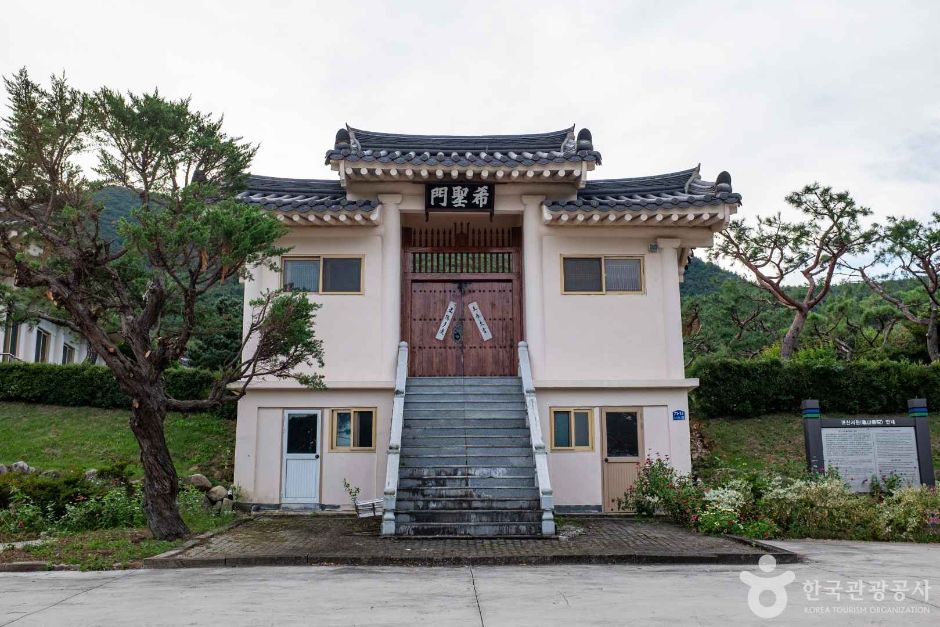
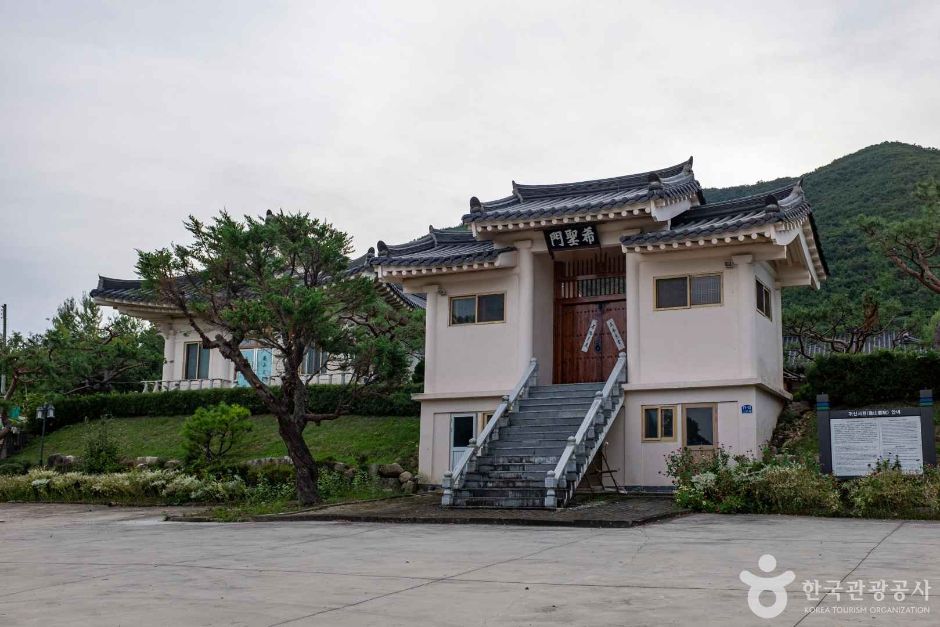
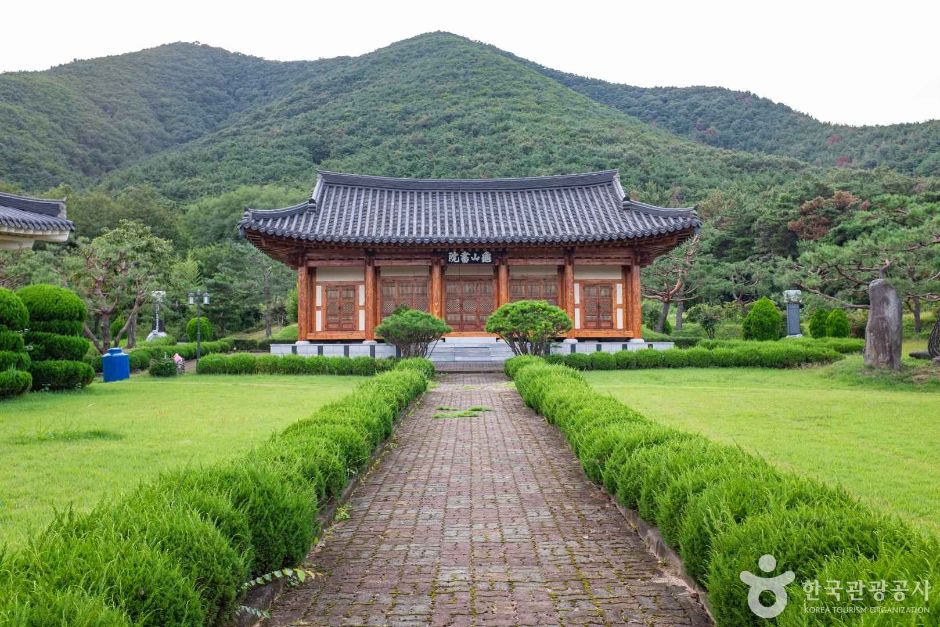
Guisanseosa further solidified its status over time. In 1839, the 5th year of King Heonjong’s reign, it was finally elevated to a saek seowon, recognized by the royal family, after receiving the bestowed name ‘Gusan’. This was a significant event, as the state officially recognized the educational and cultural value of the seowon. Later, in 1848, Master Seo Il-won (徐一元) was additionally enshrined, transforming it into a space commemorating the spirit of even more venerable scholars.
Revival Amidst Crisis: The Seowon Abolition Order and a Resurgent Flower
However, the flow of history is not always smooth. Amidst the great turbulence of Heungseon Daewongun’s Seowon Abolition Order, Guisanseowon tragically faced dismantlement in 1868, the 5th year of King Gojong’s reign. Like many seowons, this place was also on the verge of disappearing amid the political turmoil of the late Joseon Dynasty. However, the steadfast will of the local literati to honor the venerable scholars remained unbroken. After a long period, in 1983, through their efforts, Guisanseowon regained its original form and once again saw the light of day. Currently, it continues its legacy by holding traditional hyangsa (ancestral rites) on the sangjeong (上丁) days of February and August each year.
- Foundation 1786 (10th year of King Jeongjo’s reign), Guisanseosa established to commemorate the scholarship and virtue of Master Seo Yu
- Elevation 1839 (5th year of King Heonjong’s reign), elevated to a saek seowon after receiving the bestowed name ‘Gusan’
- Enshrinement 1848, Master Seo Il-won additionally enshrined
- Dismantlement 1868 (5th year of King Gojong’s reign), dismantled due to Heungseon Daewongun’s Seowon Abolition Order
- Restoration 1983, restored through the efforts of local literati, bringing it to its present state
Amidst a Tranquil Landscape, How to Get to Guisanseowon
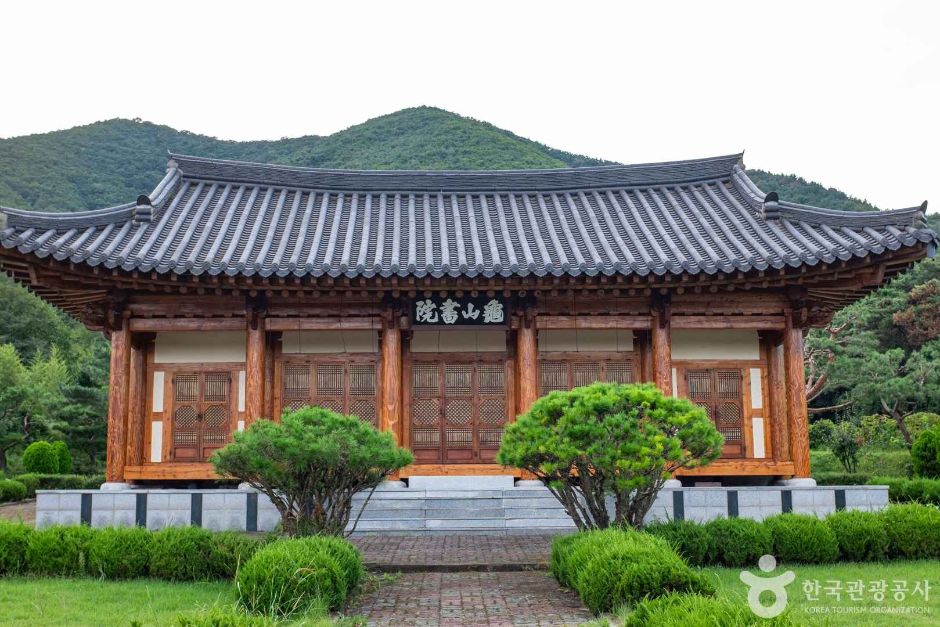
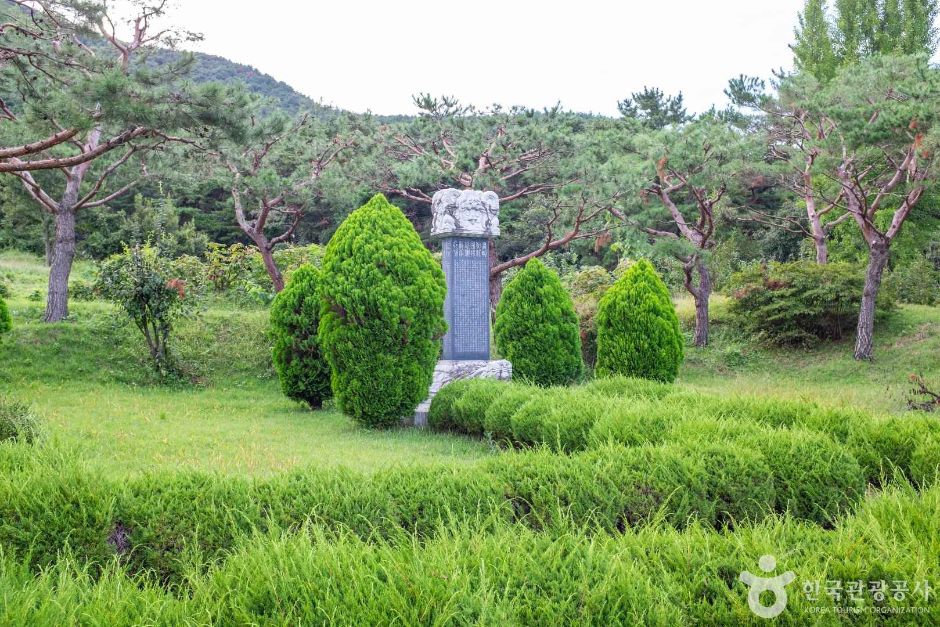
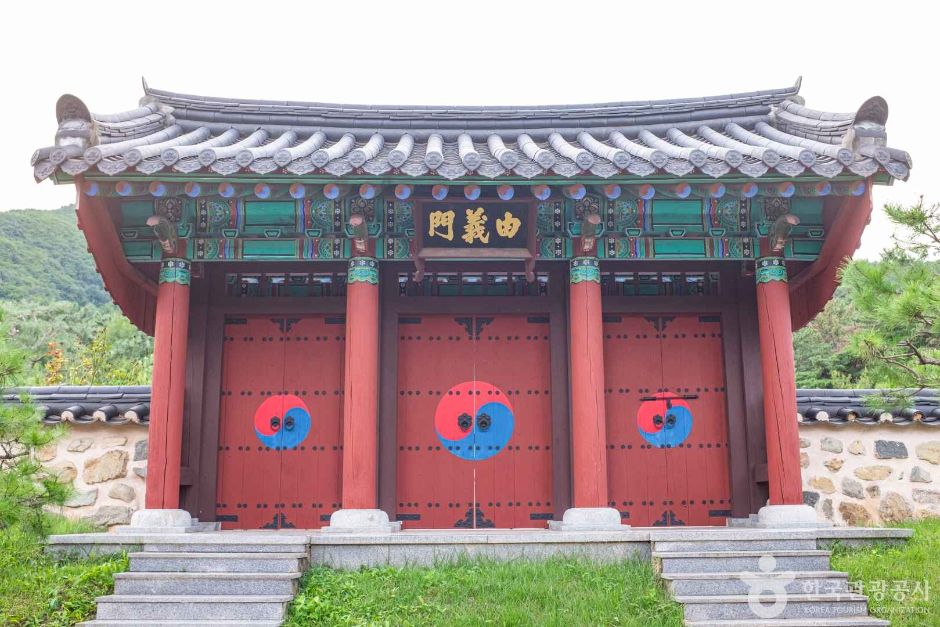
Hidden in a tranquil village in Yeongcheon, Guisanseowon is the perfect place for those who wish to escape the bustling city and enjoy serenity. Upon arrival via winding roads, travelers are greeted by a peaceful atmosphere where even time seems to slow down.
Location Information and Transportation at a Glance
Guisanseowon is located at 60-15 Gwiho1-gil, Bukmyeon, Yeongcheon-si, Gyeongsangbuk-do. Using a private car is the most convenient option, offering a scenic drive through the surrounding natural landscape. If using public transportation, take a city bus heading towards Bukmyeon from Yeongcheon city center, then you may need to walk a bit or take a taxi.
Check the exact location of Guisanseowon on the map below. (Map image insertion location)
- By Car Search for ‘Guisanseowon’ on your navigation system and follow the directions. Free parking is available.
- By Public Transport From Yeongcheon Intercity Bus Terminal, take a city bus to Bukmyeon, then alight at a stop near the seowon and walk or take a taxi.
Enjoying the Charm of Yeongcheon with Guisanseowon
After spending tranquil time at the seowon, explore other nearby attractions to experience the diverse charms of Yeongcheon. Yeongcheon, where history, nature, and culture harmoniously blend, offers more sights than you might expect.
Unmissable Pleasures Around the Tranquil Seowon
- Eunhaesa Temple A representative thousand-year-old temple in Yeongcheon, this tranquil temple is nestled amidst beautiful nature. It also operates templestay programs, allowing visitors to stay overnight and experience its serenity.
- Yeongcheon Dam Boasting a magnificent landscape against the backdrop of a vast lake. Especially at sunset, the twilight creates a spectacular view, attracting many photographers.
- Yeongcheon Municipal Museum A place where you can see the history and culture of Yeongcheon at a glance. You can also gain deeper insights related to Guisanseowon, making it a good option for historical exploration.
- Choi Museon Science Museum A place commemorating the achievements of General Choi Museon, a pioneer in gunpowder development during the late Goryeo Dynasty, where you can enjoy interesting science experiences. It’s a great place to visit with children.
Guisanseowon: Ways to Experience it More Deeply
When visiting a seowon, it’s essential to go beyond mere viewing and strive to understand the meaning imbued in the space. With a few tips, you can experience Guisanseowon more richly.
Visiting a Seowon: Keep These in Mind!
- Check Information in Advance Learning about the enshrined figures and their achievements before your visit will greatly help you understand the seowon.
- Quiet Observation As seowons were places for education and ancestral rites, it is important to observe them with a quiet and respectful demeanor.
- Photography Etiquette To avoid disturbing the tranquil atmosphere of the seowon, refrain from using flash or taking noisy photos.
- Check for Hyangsa Participation If you are interested in participating in the hyangsa (ancestral rites) held every February and August, you can check the exact dates in advance for a special experience.
An Echo Beyond Time, The Message of Guisanseowon
Yeongcheon’s Guisanseowon is more than just a trace of an old seowon; it is a vivid record that fully embodies the upright spirit of scholars and the twists and turns of history. Here, we can pause, reflect on the past, and re-examine our attitudes in living today. How about a trip to Guisanseowon in Yeongcheon to awaken the ‘scholar’s spirit’ within us that we may have temporarily forgotten in our busy daily lives?
Frequently Asked Questions
Q1. What are the major historical events of Guisanseowon?
Guisanseowon was founded in 1786 (10th year of King Jeongjo’s reign) to commemorate the scholarship and virtue of Master Seo Yu. It was elevated to a saek seowon in 1839 (5th year of King Heonjong’s reign), but tragically faced dismantlement in 1868 (5th year of King Gojong’s reign) due to Heungseon Daewongun’s Seowon Abolition Order. It was later restored in 1983 through the efforts of local literati and continues to exist today.
Q2. Who are the figures enshrined at Guisanseowon?
Guisanseowon enshrined the memorial tablet of Master Seo Yu (徐愈), who was highly regarded for his scholarship and virtue at the time of its foundation. Later, in 1848, Master Seo Il-won (徐一元) was additionally enshrined, commemorating the spirit of both venerable scholars.
Q3. What happened to Guisanseowon after the Seowon Abolition Order?
Guisanseowon, which was dismantled in 1868 due to Heungseon Daewongun’s Seowon Abolition Order, was left neglected for a long time. However, in 1983, local literati led a restoration project, and it has now regained its original appearance, establishing itself as an important cultural heritage that continues the legacy of honoring venerable scholars and its educational significance.
Q4. Are there any points to note when visiting Guisanseowon?
Seowons are sacred spaces where venerable scholars were honored and academics were discussed. When visiting, please maintain a quiet and respectful demeanor and be careful not to damage the facilities within the seowon. Additionally, it is advisable to observe photography etiquette so as not to disturb other visitors.
Q5. What are some places worth visiting around Guisanseowon?
Around Guisanseowon, you can find Eunhaesa Temple, a representative ancient temple of Yeongcheon; Yeongcheon Dam, boasting beautiful scenery; Yeongcheon Municipal Museum, where you can learn about Yeongcheon’s history and culture; and Choi Museon Science Museum, which commemorates the achievements of General Choi Museon. All these places are great to visit together.