The tragedy of Jeongyujaeran, remembering the fortitude of that day: Yeonggwang Pallyeopujeonggak


Amidst the deeply layered pages of history, heartbreaking stories breathe. In particular, the sublime spirit of women that blossomed amidst the flames of the Jungyujaeran (Second Japanese Invasion) that shook the Korean Peninsula in the late 16th century still resonates deeply with us today. What did their unwavering fidelity, which they tried to uphold until their last moments, truly look like?
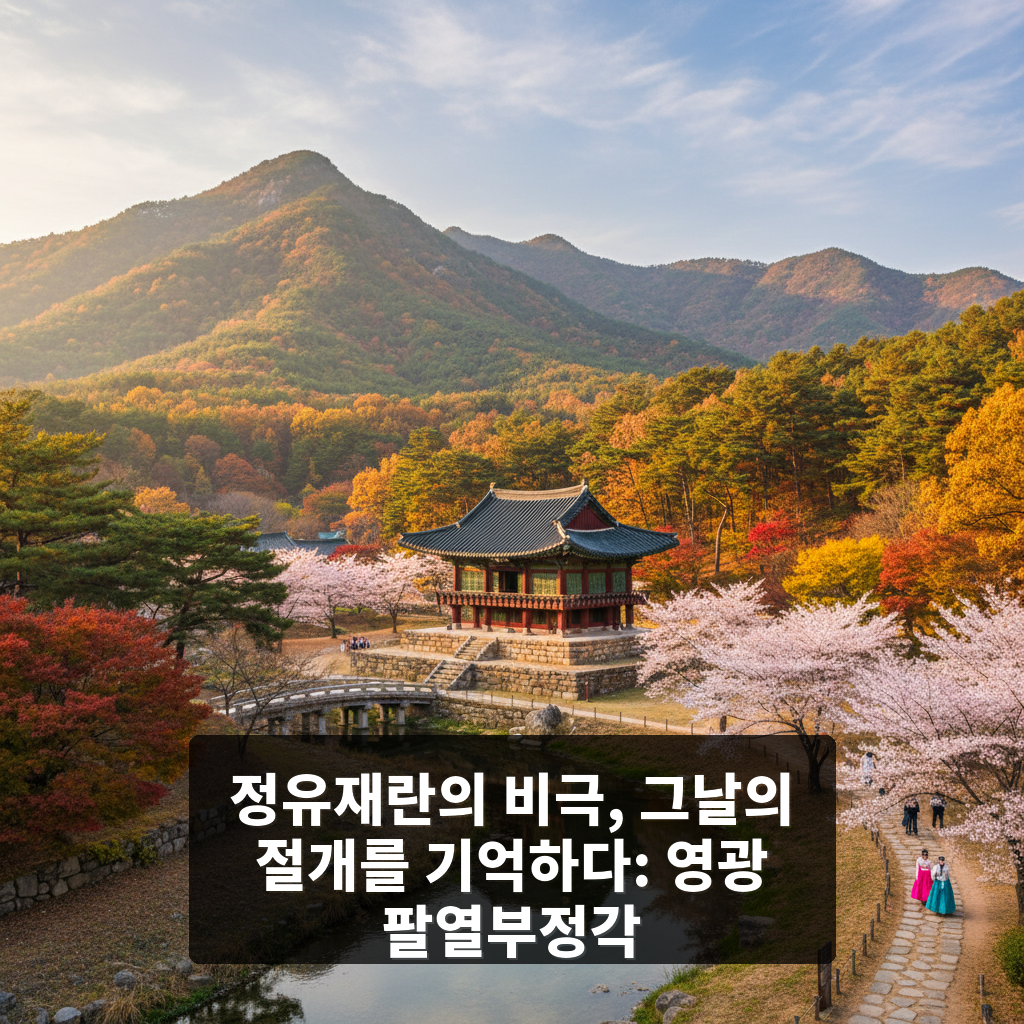
Today, we embark on a journey to find the **Pallyeobujeonggak**, which embodies the pain, courage, and stories of the Eight Virtuous Women enshrined by the sea off Chilsan, Yeonggwang. This place is not merely a structure, but living history itself, speaking of human dignity that shines even in tragedy.
The Final Choice of the Eight Virtuous Women Amidst the Whirlwind of History
In 1597, the flames of the Jungyujaeran swept across the entire Korean Peninsula. Hearing the tragic news of their husbands falling to the fierce bullets of the Japanese army, the eight wife agonizingly contemplated their dire reality. Leaving behind their husbands who died in battle in Samseo, Yeonggwang (now Jangseong), they embarked on a refugee journey to the sea off Chilsan, fleeing the pursuit of the Japanese pirates. But at a moment of despair where there was nowhere left to flee, they made their final, most sublime decision.
Desperate Resistance for Fidelity
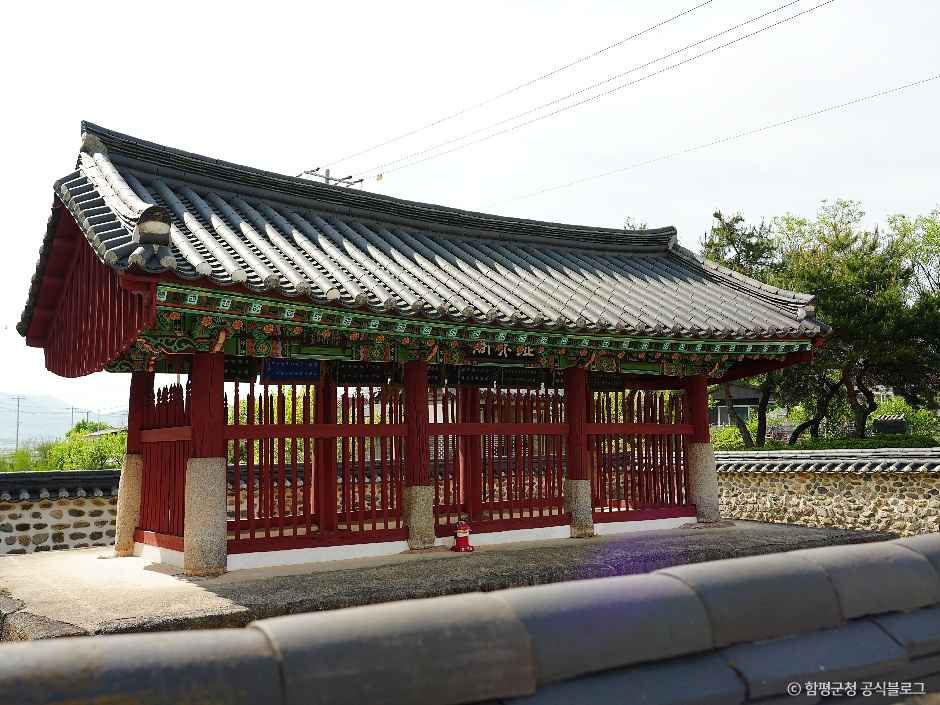
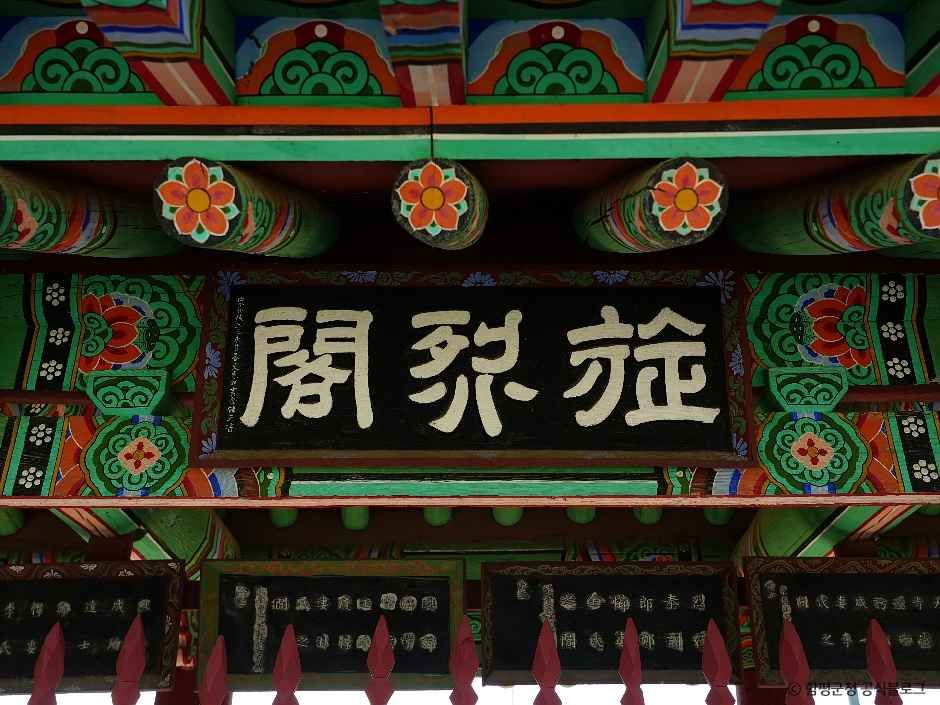
Surrounded by Japanese pirates at Mukbangpo, the Eight Virtuous Women, with the single thought that they could not possibly be defiled by the enemy’s hands, threw themselves into the sea and took their own lives. Their tragic choice to protect their chastity brought deep sorrow as well as intense reverence to the people of that time. To commemorate their spirits, the **Pallyeobujeonggak** was erected at its current location in 1681, the 7th year of King Sukjong of Joseon. At Mukbangpo, the site of their martyrdom, a monument stands silently, remembering their sublime spirit.
The Pallyeobu (Eight Virtuous Women): Remembering Their Names
- Wife Yi of Jeong Hamil
- Wife Park of Jeong Gyeongdeuk
- Wife Yi of Jeong Huideuk
- Daughter Jeong of Jeong Hamil
- Wife O of Jeong Ungil
- Wife Yi of Jeong Juil
- Wife Kim of Jeong Jeol
- Wife Yi of Jeong Hoin
Majesty Within Serenity: The Architectural Beauty of Pallyeobujeonggak
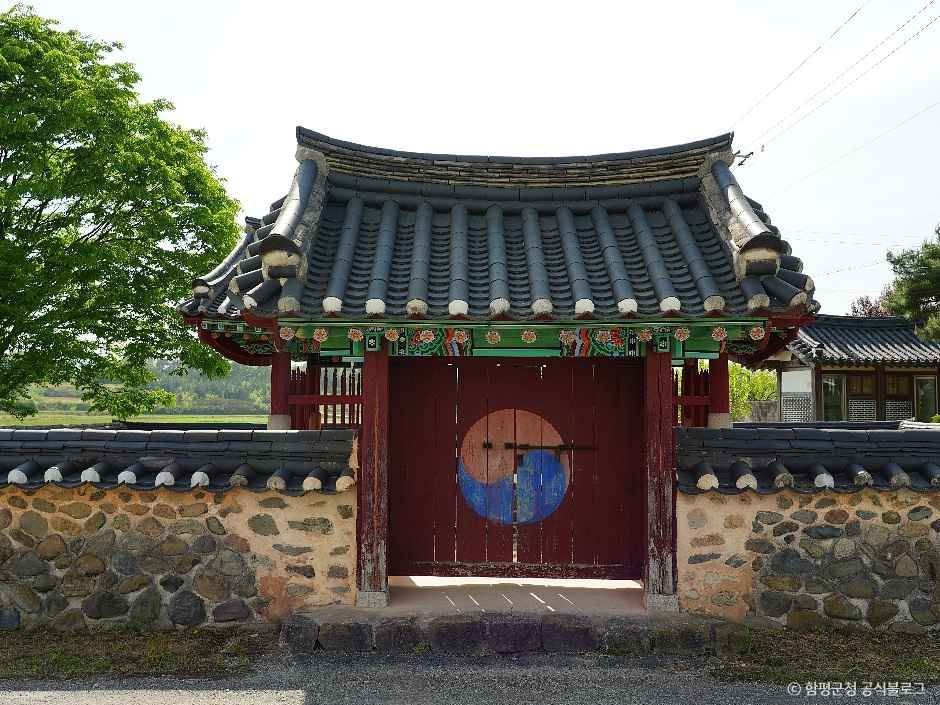
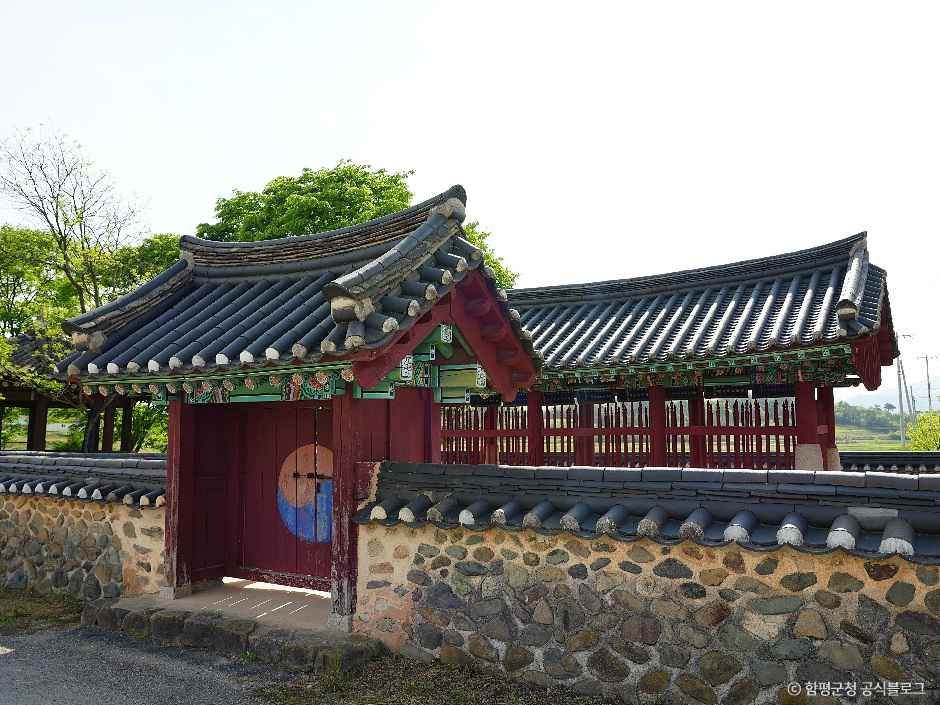
The **Pallyeobujeonggak** is not merely a monument, but a beautiful structure embodying their spirit. Designated as Jeollanam-do Monument on May 22, 1975, its historical value was recognized, and to this day, the Jinju Jeong clan continues to manage it, carrying on their noble spirit.
A Pavilion Embodying the Aesthetics of its Era
This pavilion is a single-story ‘matbaejip’ (gable roof house) with three bays in the front and one bay on the side, following the ‘ikgonggye’ (bracket system) architectural style. Its four sides are surrounded by red ‘hongsal’ (spiked fence) without walls, blurring the boundary between inside and out, yet clearly indicating it as a sacred space. The light and wind seeping through the ‘hongsal’ give the feeling that the spirits of the virtuous women freely float, evoking a sense of calm solemnity in visitors.
| Architectural Features | Details |
|---|---|
| Structure | 3 bays front, 1 bay side, single-story matbaejip |
| Style | Ikgonggye (Bracket System) Architecture |
| Exterior | Four sides surrounded by hongsal without walls |
| Designation Date | May 22, 1975 (Jeollanam-do Monument) |
Pallyeobujeonggak: How to Visit?
Into the Green Embrace of Yeonggwang
The **Pallyeobujeonggak**, which holds the pain of history, is located in Bongnam-ri, Yeomsan-myeon, Yeonggwang-gun, Jeollanam-do. Public transportation access may be somewhat challenging, but visiting by private car is more convenient. Nestled serenely amidst the quiet village scenery, the pavilion offers visitors a time for deep contemplation.
Before Visiting: A Checklist for Your Mindset
- Understand the Historical Background: Knowing the story of the Jungyujaeran and the virtuous women in advance will double the emotional impact.
- Maintain a Respectful Demeanor: As this is a space commemorating the noble virtuous women, it is important to maintain a solemn and quiet atmosphere.
- Appreciate the Surrounding Natural Scenery: The beautiful scenery of Mukbangpo and the sea off Chilsan makes the tragedy of that day feel even more dramatic.
- Be Mindful When Taking Photos: To preserve cultural heritage, please refrain from excessive flash use or actions that pose a risk of damage.
Hidden Gems of Yeonggwang: A Historical Journey with Pallyeobujeonggak
After your visit to **Pallyeobujeonggak**, we recommend continuing your journey with other historical sites that Yeonggwang holds. Yeonggwang has long been a land of loyalty and a region rich in cultural heritage. Plan a profound journey that traverses Yeonggwang’s past and present for a day.
Yeonggwang Historical Sites Worth Visiting Together
- Bulgapsa: A historic temple founded during the Baekje period, where you can experience a serene atmosphere along with beautiful cluster amaryllis flowers.
- Baeksu Coastal Road: A scenic drive combining the beautiful sunset over the West Sea and unique rock formations, perfect for soothing a weary mind.
- Yeonggwang Chilsan Tower: A place where you can overlook the sea off Chilsan at a glance, offering another perspective to view the virtuous women’s site of martyrdom.
- Yeonggwang Library: This place, the first arrival site of Baekje Buddhism and home to an important figure in modern Korean history, is where you can reflect on the values of history and culture.
Frequently Asked Questions
Q1. What kind of place is Pallyeobujeonggak?
It is a pavilion built to commemorate the sublime spirit of the Eight Virtuous Women who, fleeing the Japanese invasion during the Jungyujaeran, threw themselves into the sea to protect their chastity. It was constructed in 1681, the 7th year of King Sukjong of Joseon, and designated as Jeollanam-do Monument in 1975.
Q2. What is the story of the Pallyeobu (Eight Virtuous Women)?
It is the tragic story of eight wives who, hearing the sad news of their husbands falling in battle in Samseo, Yeonggwang, fled the pursuit of Japanese pirates to Mukbangpo, located off the coast of Chilsan, but ultimately committed suicide by throwing themselves into the sea to protect their chastity. Their courage and sacrifice became a great example for later generations.
Q3. What should I keep in mind when visiting Pallyeobujeonggak?
As this is a space commemorating the noble sacrifice of historical figures, it is important to maintain a respectful and quiet demeanor. To prevent damage to cultural heritage, please follow the designated viewing paths and help maintain cleanliness.
Q4. Is there an admission fee?
Visiting and viewing Pallyeobujeonggak is free of charge, with no separate admission fee. However, you can participate in cultural heritage preservation through personal donations.
Q5. Are there other places worth visiting nearby?
Yes, around Pallyeobujeonggak, there are many beautiful natural landscapes and historical sites in Yeonggwang, such as Bulgapsa, Baeksu Coastal Road, and Yeonggwang Chilsan Tower. If you explore them together, you can enjoy an even richer historical journey.