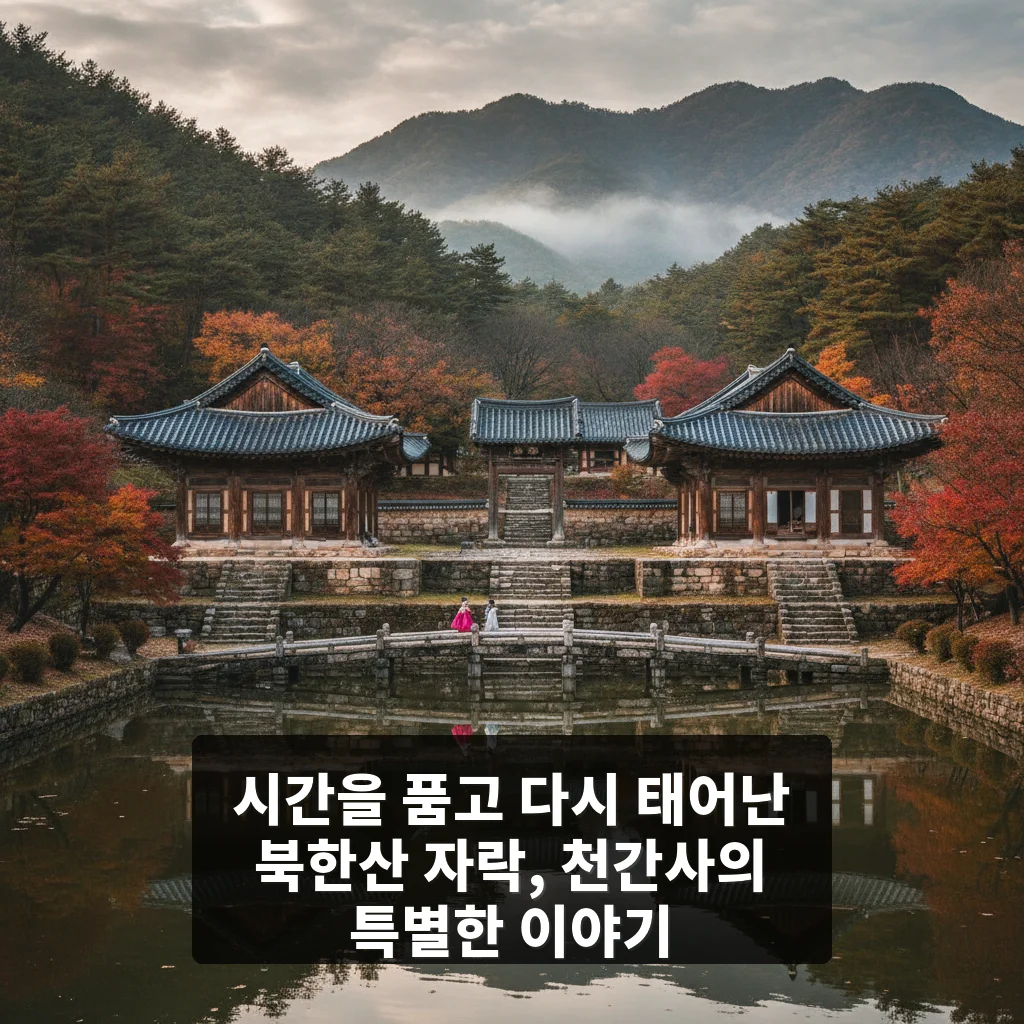
Reborn with the embrace of time on the slopes of Bukhansan, the special story of Cheongansa.


Did you know that even in the heart of the bustling city of Seoul, there are spaces that gain deeper meaning as time flows? Cheongansa, which first opened its doors in 1960 and was given new life through redevelopment in 2009, is more than just a temple; it is a living history museum and a peaceful sanctuary amidst nature.
What kind of appearance will this place, born from the harmony of old and new, present to us? Experience the clear energy of Bukhansan, enjoy the beauty of modern hanok architecture, and the spirit of a thousand-year-old temple all at once. The journey to Cheongansa begins now.
Reflecting the Past and Building the Future: The Reborn Face of Cheongansa
Cheongansa was founded in 1960 and has stood for a long time, but in 2009, it faced a massive change through redevelopment. However, this was not a loss but an opportunity for a new leap forward. Rebuilt to continue the tradition while adding modern beauty, Cheongansa is truly a work of art in itself.
Award-winning Elegance of Hanok: Regarding its Architectural Beauty
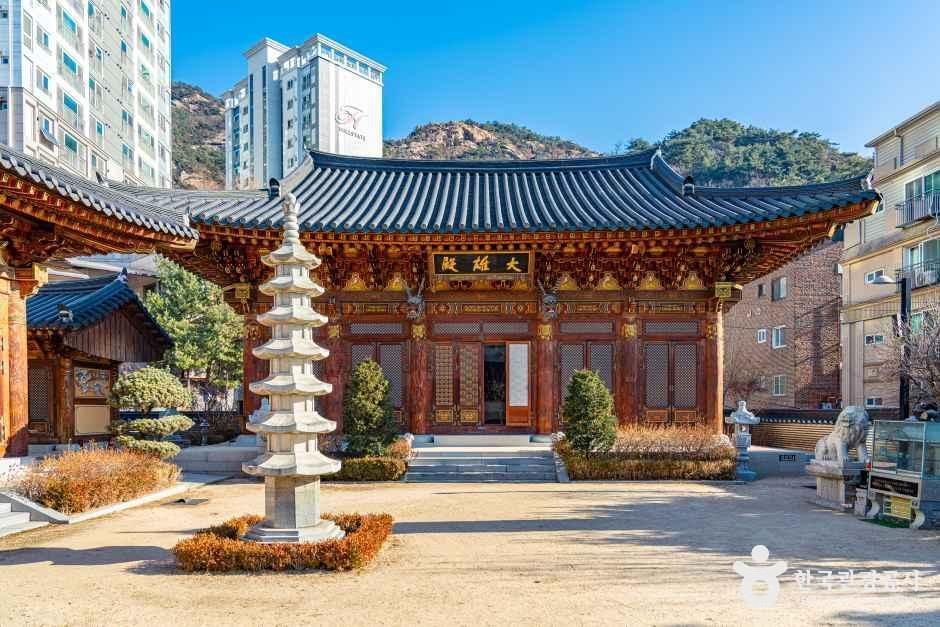
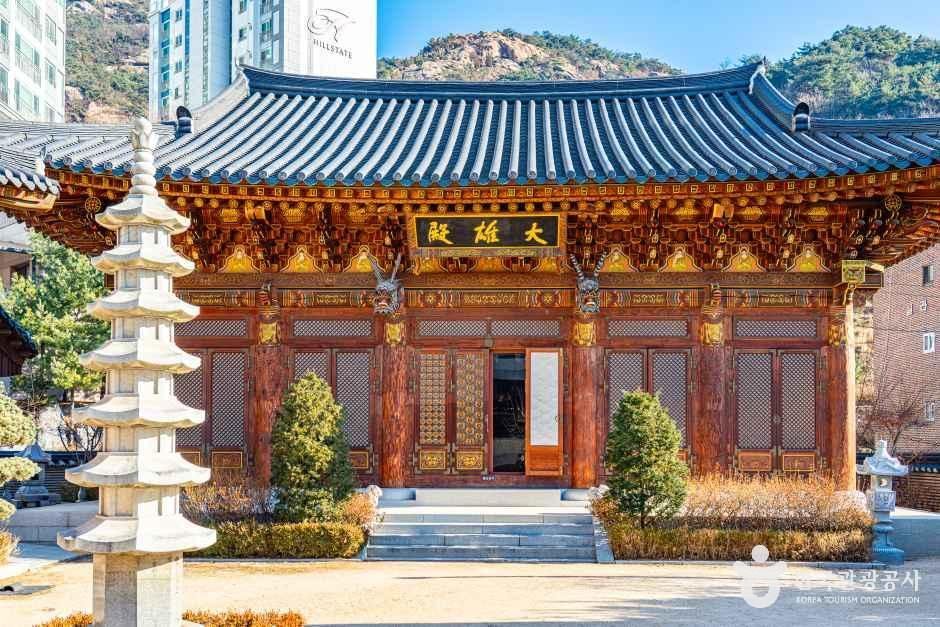
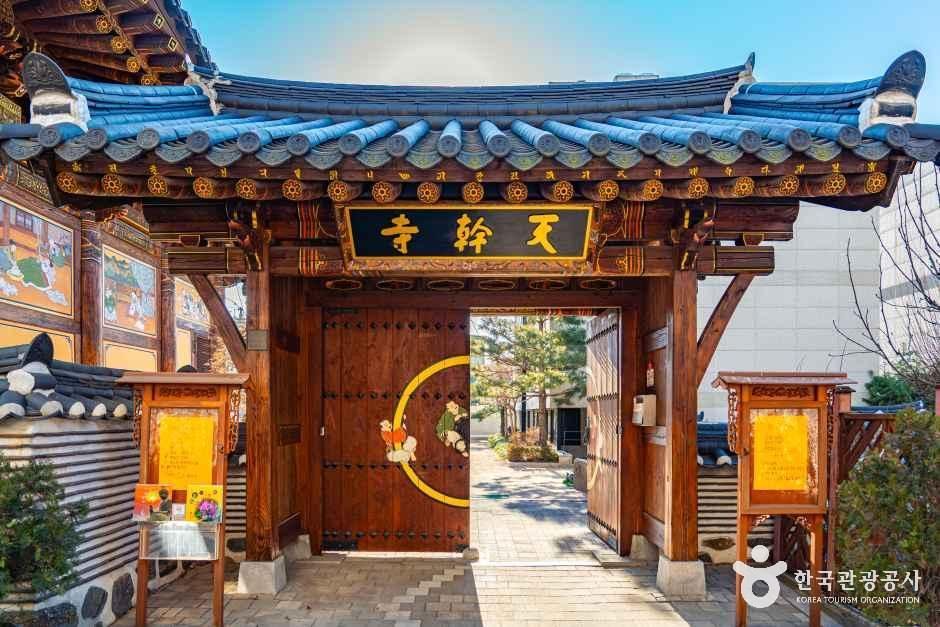
The newly constructed Cheongansa officially received recognition for its architectural value by winning the ‘2011 Korea Hanok Award of the Year’ from the Ministry of Land, Transport and Maritime Affairs. This is evaluated as an example that not only preserves old charm but also showcases the potential of hanok to naturally blend into modern life. The elegant yet magnificent temple halls offer visitors a deep impression and comfort.
Whispers of Steles and Pagodas with Hidden Stories
- Buddha’s Sarira Pagoda: A place enshrining the sacred sarira of Shakyamuni Buddha, it evokes reverence and peace beyond its religious meaning.
- Founder Monk’s Stupa: This stupa commemorates the spirit and vows of the monk who first founded Cheongansa. It is an important heritage symbolizing the temple’s long history.
- Memorial Stele for Mrs. Yuk Young-soo: This stele holds both the painful memories of modern and contemporary history and a comforting spirit. You can stroll along the footsteps of a historical figure and fall into deep contemplation.
Embraced by Bukhansan, One Step at a Time with Nature and History
Klook.com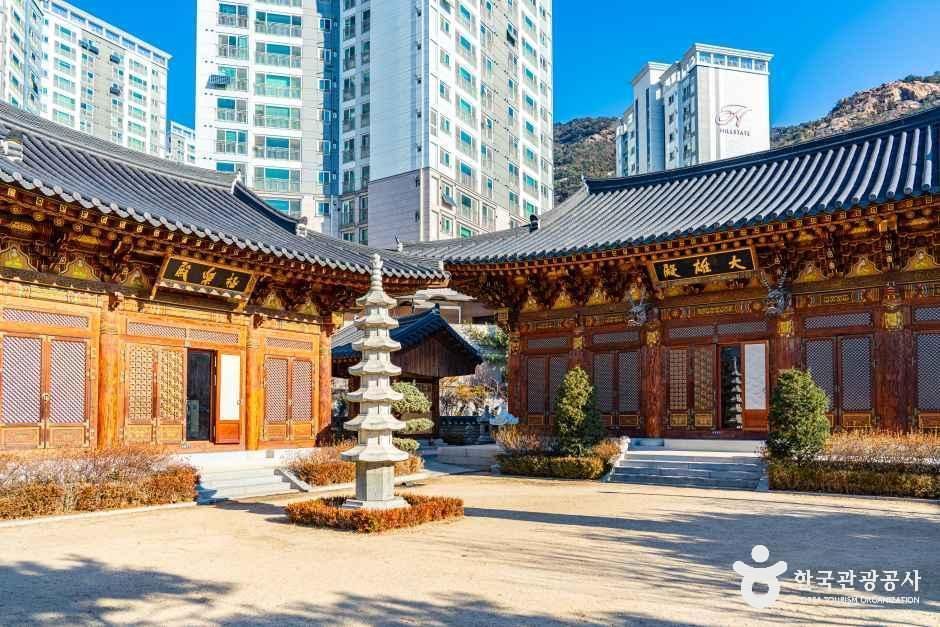
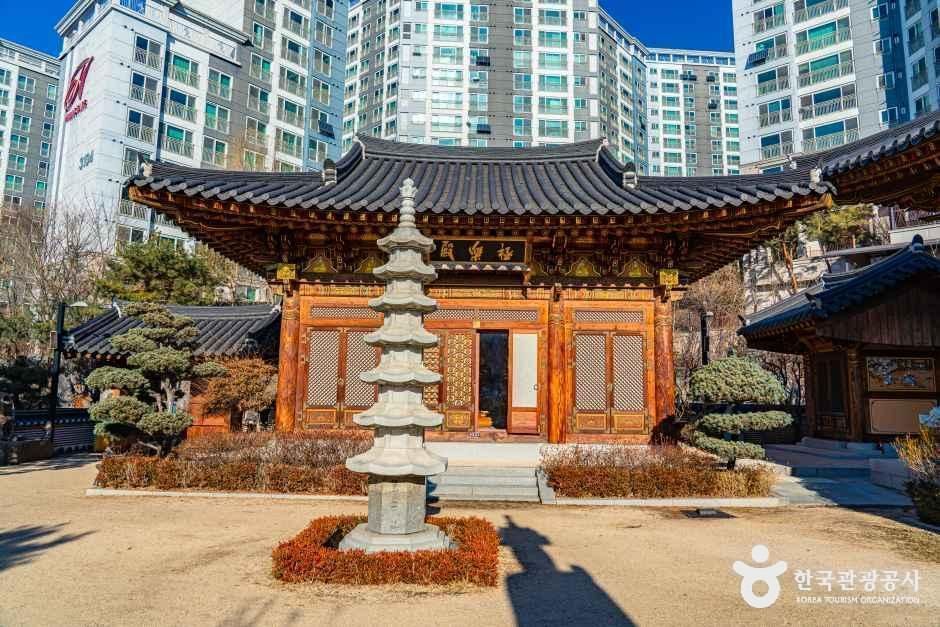
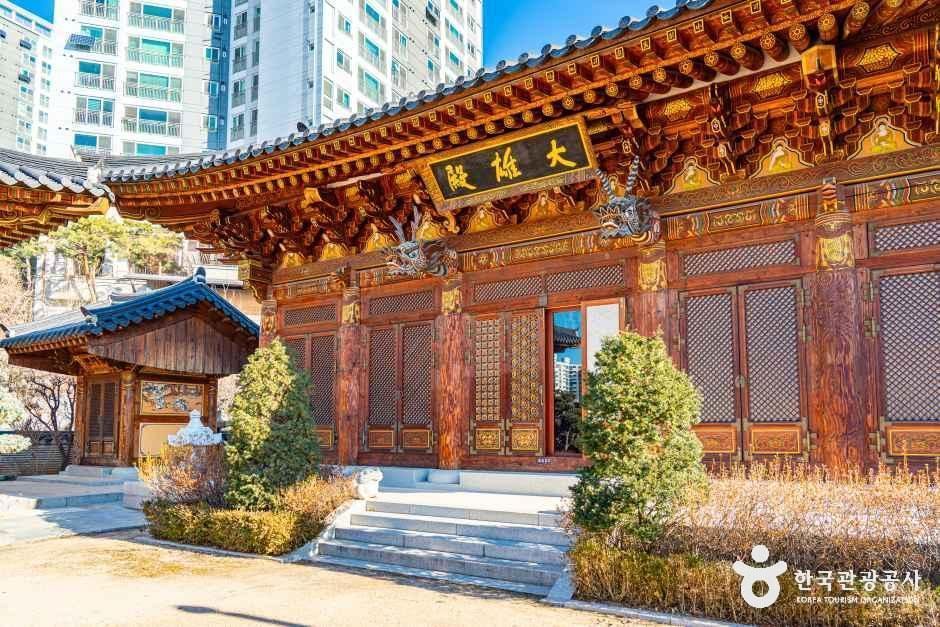
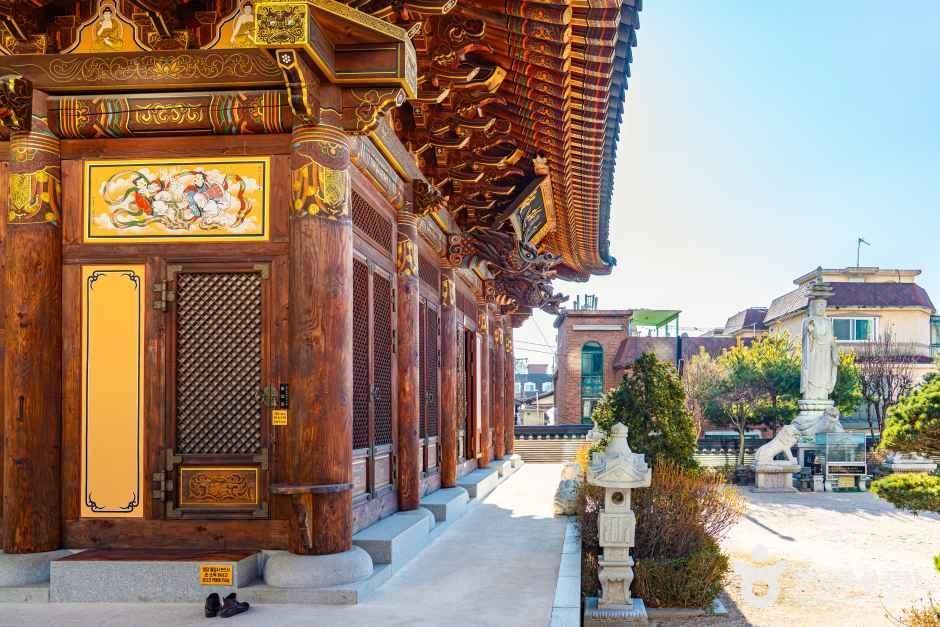
Cheongansa is located right next to Bukhansan and Walking Trail, allowing you to breathe in the clear and refreshing air even in the heart of the city. As you stroll through the temple, your complicated mind will calm down, and you will be captivated by the refreshing vitality of nature.
Spiritual Cultivation with Hiking
Well-maintained Bukhansan Dulle-gil trails extend around the temple, allowing you to enjoy light hiking and spend time in meditation and contemplation in nature. While walking and admiring the spectacular scenery, you will experience healing for your body and mind. The beautiful scenery of Bukhansan, changing with each season, makes Cheongansa even more special.
Cheongansa, How to Get There?
Located at the foot of Bukhansan, Cheongansa is relatively easy to access by public transportation. The path slowly climbing up, befriending nature, also becomes a beautiful journey. Refer to the map below to plan your visit.
Smart Ways to Enjoy Cheongansa More Fully
Checklist to Confirm Before Your Visit
- Visiting Hours: Temples usually open from early morning until sunset, but it’s better to check for special events or worship times in advance.
- Dress Code: As a temple is a sacred space, we recommend modest and comfortable attire rather than overly short or revealing clothes. Comfortable shoes are essential if you plan to hike the Dulle-gil trail.
- Photography: Photography is allowed in most areas, but please be careful not to disturb those inside the main hall or those who are praying. Please refrain from using flash.
Must-Visit Attractions Near Cheongansa
| Attraction | Features |
|---|---|
| Bukhansan Dulle-gil | Located right next to Cheongansa, it’s a great course for walking and enjoying beautiful nature. There are sections of various difficulties, offering a wide range of choices. |
| Jeongneung | This is where the tomb of Queen Sindeok, King Taejo Yi Seong-gye’s second queen during the Joseon Dynasty, is located. It is a tranquil royal tomb where you can feel the breath of history. It’s a good historical exploration course to visit along with Cheongansa. |
| Gilsangsa Temple, Seongbuk-dong | It is a beautiful bhikkhuni temple, imbued with the spirit of ‘Non-possession’ by Monk Beopjeong. It’s a peaceful temple not far from Cheongansa, good for visiting together. |
Frequently Asked Questions
Q1. Is Cheongansa paid or free?
Cheongansa is generally open to the public for free, allowing anyone to visit freely. However, if there are special events or experience programs, separate participation fees may apply, so it is best to inquire in advance.
Q2. Is accommodation available at Cheongansa?
It is generally known that Cheongansa does not operate temple stays. If you wish to stay overnight, we recommend looking for nearby accommodation facilities or considering temple stay programs at nearby temples.
Q3. Is it good to visit with children?
Yes, Cheongansa is a great place to visit with children. They can experience nature in a spacious and pleasant environment and appreciate the beauty of traditional architecture. However, please guide them to maintain a quiet and respectful atmosphere within the temple.
Q4. Are there places to eat around Cheongansa?
Near Cheongansa, there are restaurants and cafes for visitors exploring the Bukhansan Dulle-gil trail. Many places offer various Korean food menus, such as Hanjeongsik and Boribap, so you can choose a place that suits your taste and enjoy a delicious meal.
Q5. When is the best season to visit Cheongansa?
Cheongansa offers different charms throughout all four seasons. In spring, flowers are in full bloom; in summer, lush forests provide coolness; in autumn, autumn foliage creates a spectacular view; and in winter, snowscapes add a serene atmosphere. You can choose your visiting season according to your personal preference.
 Love Korea? Promote it & Earn.