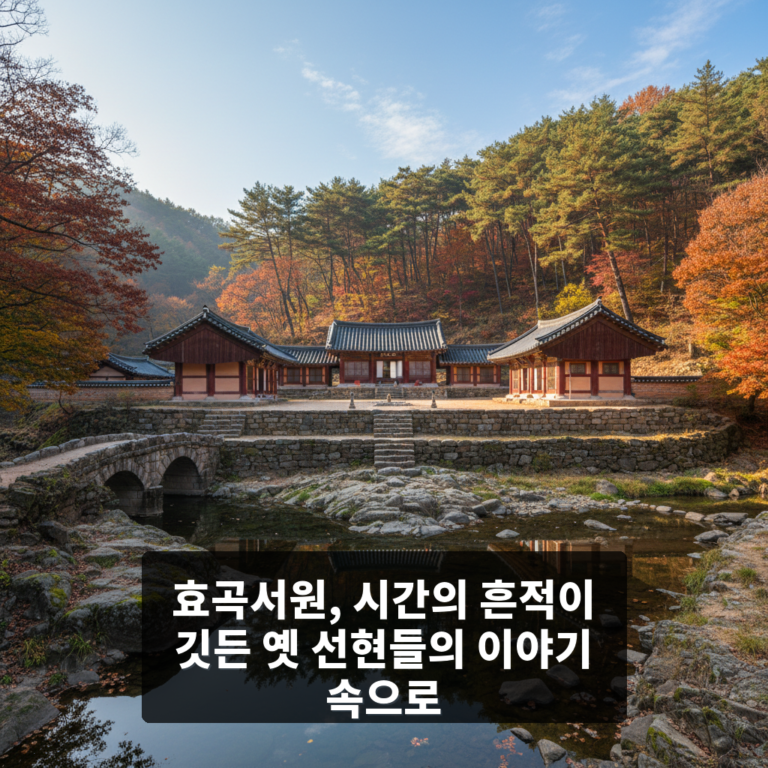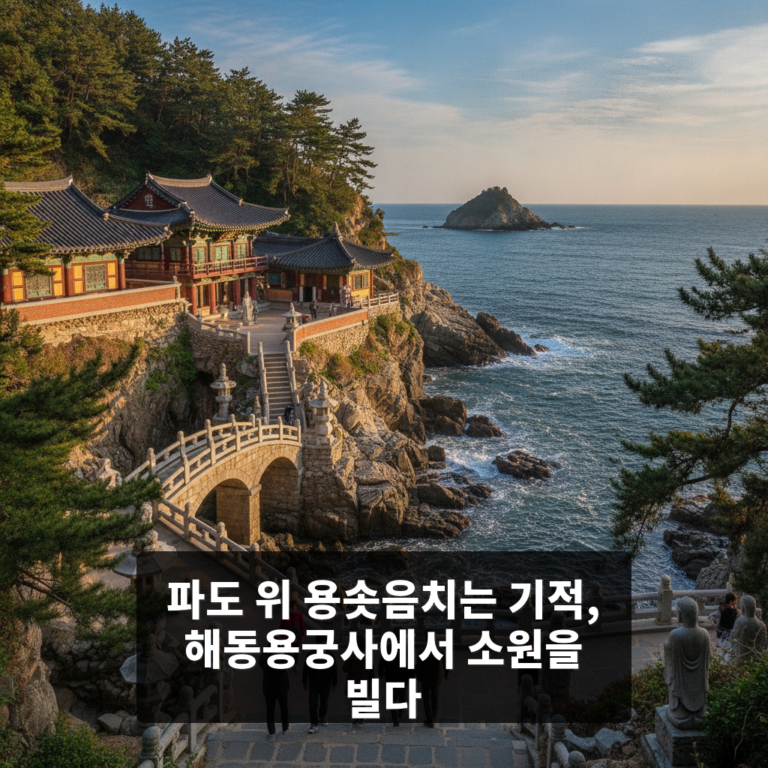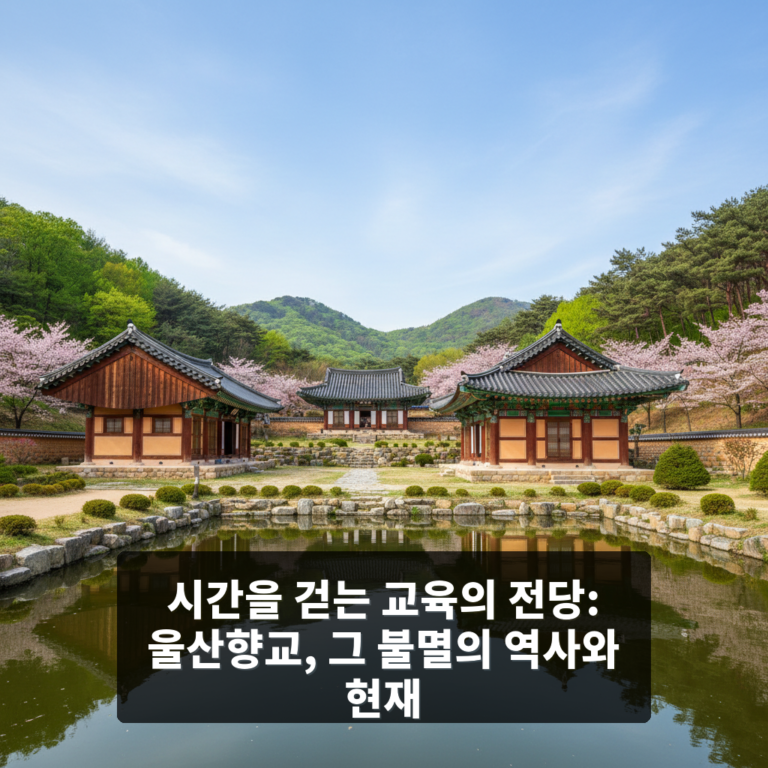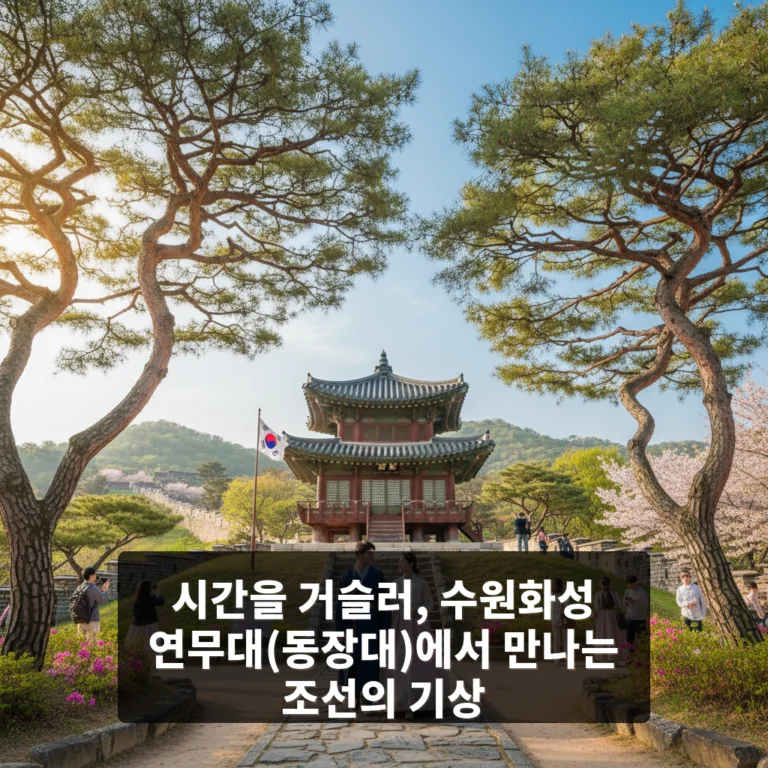

A serene resting place where time seems to stand still, the hidden story of Gokseong Hamheojeong


When you want to leave the hustle and bustle of daily life behind to find forgotten tranquility, where should you go? A place where you can face history amidst nature and immerse yourself in serene contemplation, that is Gokseong Hamheojeong in Jeollanam-do. This is not just a pavilion, but a special place where the Breath of scholars from centuries ago harmonizes with the grandeur of nature.
Sitting in the pavilion, listening to old tales carried by the wind, and gazing at the sky reflected on the Seomjingang River’s waters, you will have a mysterious experience, as if traveling through time. As Gokseong Hamheojeong was a place of cultivation and rest for scholars who studied in that era, you can find traces of their noble spirit and refined tastes everywhere.
A Space Containing Traces of Time, History and Architectural Beauty of Hamheojeong
Gokseong Hamheojeong was a pavilion built in the 38th year of King Jungjong’s reign (1543) during the Joseon Dynasty, by scholar Shim Gwang-hyeong for enjoying refined recreation with local Confucian scholars. It was initially called ‘Hoyeonjeong’, and his great-grandson Shim Min-gak rebuilt the old pavilion by moving it to a lower location from its original site, and his 5th generation descendant Shim Se-ik repaired it, giving it its current appearance. The current building was repaired in 1980, and it continues to shine, without losing its value through the long passage of time.
Architectural Style Imbued with the Wisdom of Scholars
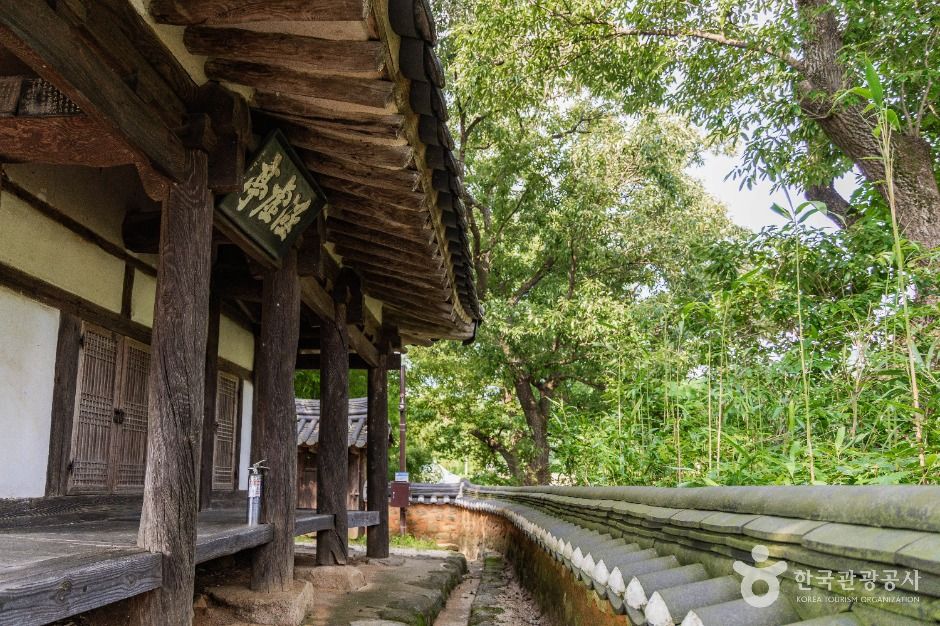
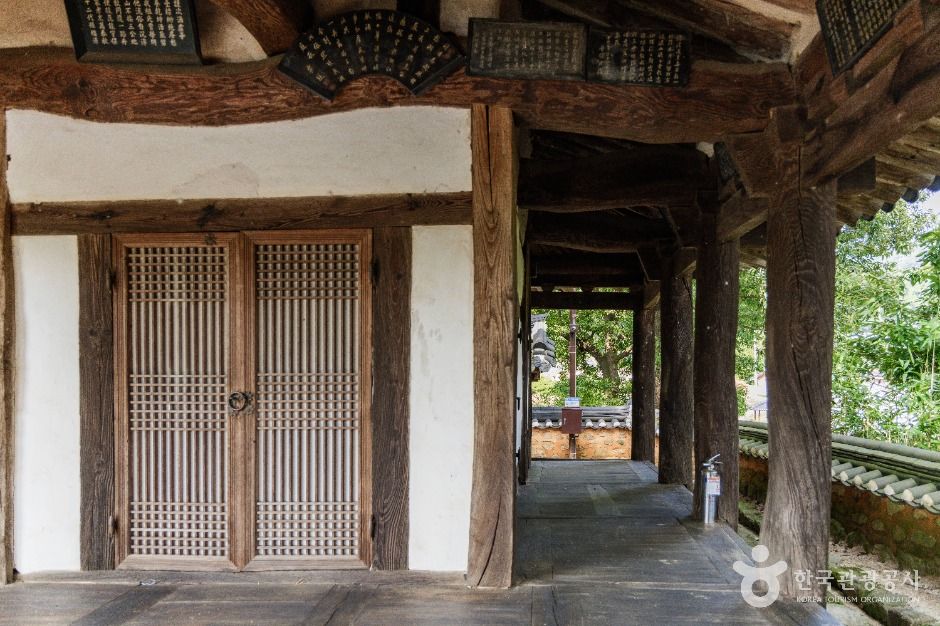
- Scale Boasts a compact yet well-balanced structure with 4 bays on the front and 2 bays on the side.
- Roof It features a hip-and-gable roof (paljak-jibung) where the side slopes resemble the Chinese character ‘eight’ (八), adding a neat yet antique charm.
- Interior Layout One bay of the wooden floor is open on three sides, providing a sense of openness, while two and a half bays were configured as rooms, used for scholars’ studies and relaxation. The remaining half bay on the right has a raised floor with a narrow veranda (jokmaru), showcasing ingenious space utilization.
This architectural style allows us to glimpse the spirit of scholars who valued harmony with nature and pursued practical yet aesthetic values. The intricately carved wooden pillars and the serene roofline are, in themselves, like a painting.
Breathtaking Scenery Gifted by Nature, Hamheojeong’s Surroundings
The location of Gokseong Hamheojeong is considered an excellent auspicious site in terms of feng shui. Below the pavilion, the clear blue Seomjingang River flows gently, and the surroundings are enveloped by lush forests like a folding screen, truly giving the feeling of being embraced by nature. In the distance, the majestic silhouette of Mudeungsan Mountain can be seen, offering a wide-open, spectacular view.
Nature Experience Satisfying the Five Senses
Klook.com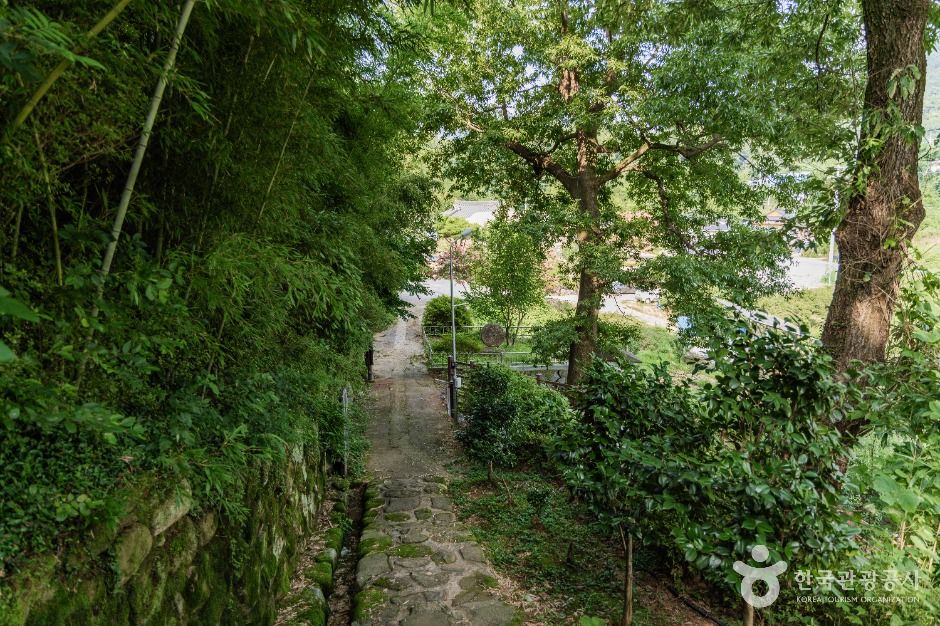
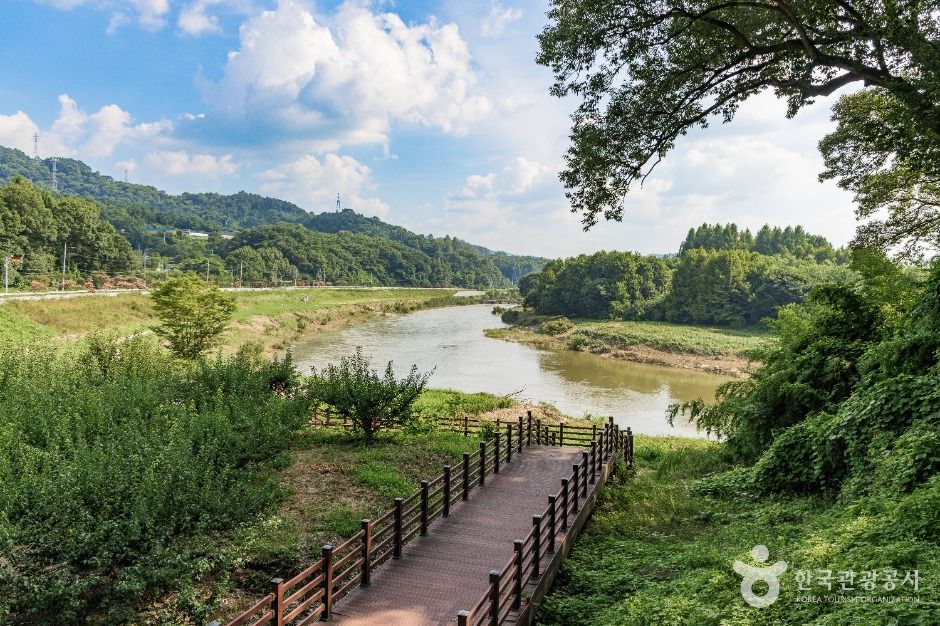
- Sight The harmony of the changing colors of the forest through the four seasons, the ripples of the Seomjingang River, and the distant mountains purifies the mind just by looking.
- Hearing The sound of the wind, birdsong, and flowing water blend together to present nature’s symphony.
- Smell The forest is filled with the scent of soil and grass, offering natural healing with every deep breath.
- Touch The cool breeze felt while sitting on the pavilion’s wooden floor makes you forget the heat and feel at one with nature.
This beautiful scenery fully explains why scholars cultivated their studies, recited poetry, and contemplated themselves amidst nature. Gokseong Hamheojeong was an ideal space where nature and humans interacted.
Following the Scent of History, Hidden Gems Nearby
For visitors who might find Hamheojeong alone insufficient, there are other historical attractions nearby worth exploring. In particular, about 100m from Hamheojeong, lies another important cultural heritage built by Shim Gwang-hyeong: Gunjichonjeongsa (Important Folk Cultural Heritage). Visiting both places allows for a deeper understanding of Gokseong’s history and culture.
Historical Sites Not to Miss
Gunjichonjeongsa
- Remains of Shim Gwang-hyeong It is another pavilion built by Master Shim Gwang-hyeong, who also built Hamheojeong, allowing a glimpse into the lifestyle and architectural beauty of scholars at that time.
- Important Folk Cultural Heritage It is a place of high historical and cultural value, designated as a National Important Folk Cultural Heritage. Visiting it alongside Gokseong Hamheojeong offers the enjoyment of comparing and appreciating the academic trends and architectural styles of that era.
The short walking path connecting the two pavilions leads through a tranquil forest, allowing you to feel the freshness of nature and the depth of history simultaneously as you walk. It will be a historical journey experienced not just by seeing, but by walking firsthand.
A Serene Journey, Advice for Visiting Gokseong Hamheojeong
Gokseong Hamheojeong is not a bustling tourist destination, but a space for contemplation and relaxation. Knowing a few tips before your visit will help you have a more satisfying time.
Hamheojeong Enjoyment Checklist
- Choosing the Season Each of the four seasons offers a different charm: green sprouts and flowers in spring, lush foliage in summer, autumn leaves in fall, and snowy landscapes in winter. The autumn foliage, in particular, creates a breathtaking spectacle.
- Ample Time Rather than rushing, it’s better to sit on the pavilion’s wooden floor, admire the Seomjingang River and the surrounding scenery, and enjoy the tranquility. It’s also perfect for bringing a book and enjoying some reading.
- Comfortable Attire If you plan to explore the surrounding forest paths and Gunjichonjeongsa, it’s advisable to wear comfortable shoes and clothing.
- Take Your Trash With You To preserve the beautiful natural environment, it is essential to exercise civic consciousness by taking all personal trash with you.
At Gokseong Hamheojeong, where history and nature breathe, forget everything for a while and enjoy a time of complete rest and contemplation. You will have a precious experience where your body and mind are healed.
Frequently Asked Questions
Q1. What history does Gokseong Hamheojeong have?
It is a pavilion built in the 38th year of King Jungjong’s reign (1543) during the Joseon Dynasty by Shim Gwang-hyeong for enjoying refined recreation with Confucian scholars, and was initially called ‘Hoyeonjeong’. It was later repaired by his great-grandson and 5th-generation descendant, and the current building was repaired in 1980.
Q2. What are the architectural features of Hamheojeong?
It is a hip-and-gable roof building with 4 bays on the front and 2 bays on the side. One bay of the wooden floor is open on three sides, two and a half bays are rooms, and the remaining half bay is a narrow veranda (jokmaru). It offers a glimpse into the practical yet beautiful architectural aesthetics of scholars at that time.
Q3. What attractions are around Hamheojeong?
Below the pavilion, the Seomjingang River flows, and it boasts a spectacular view of lush forests and distant Mudeungsan Mountain. About 100m away, there is Gunjichonjeongsa, an Important Folk Cultural Heritage built by Shim Gwang-hyeong, where visitors can explore and feel its historical value.
Q4. Is there a recommended season to visit Hamheojeong?
While it offers different beauty throughout all four seasons, especially in autumn, the surrounding forest’s fall foliage creates a breathtaking spectacle, allowing you to enjoy an even more picturesque view. It’s ideal for leisurely enjoying nature.
Q5. Who is Hamheojeong recommended for as a travel destination?
It is especially recommended for those who wish to enjoy quiet contemplation and rest, those who want to feel the harmony of history and nature, and those seeking serene tranquility away from the bustling city. It is a special place where you can experience the wisdom and refined tastes of scholars.
 Love Korea? Promote it & Earn.