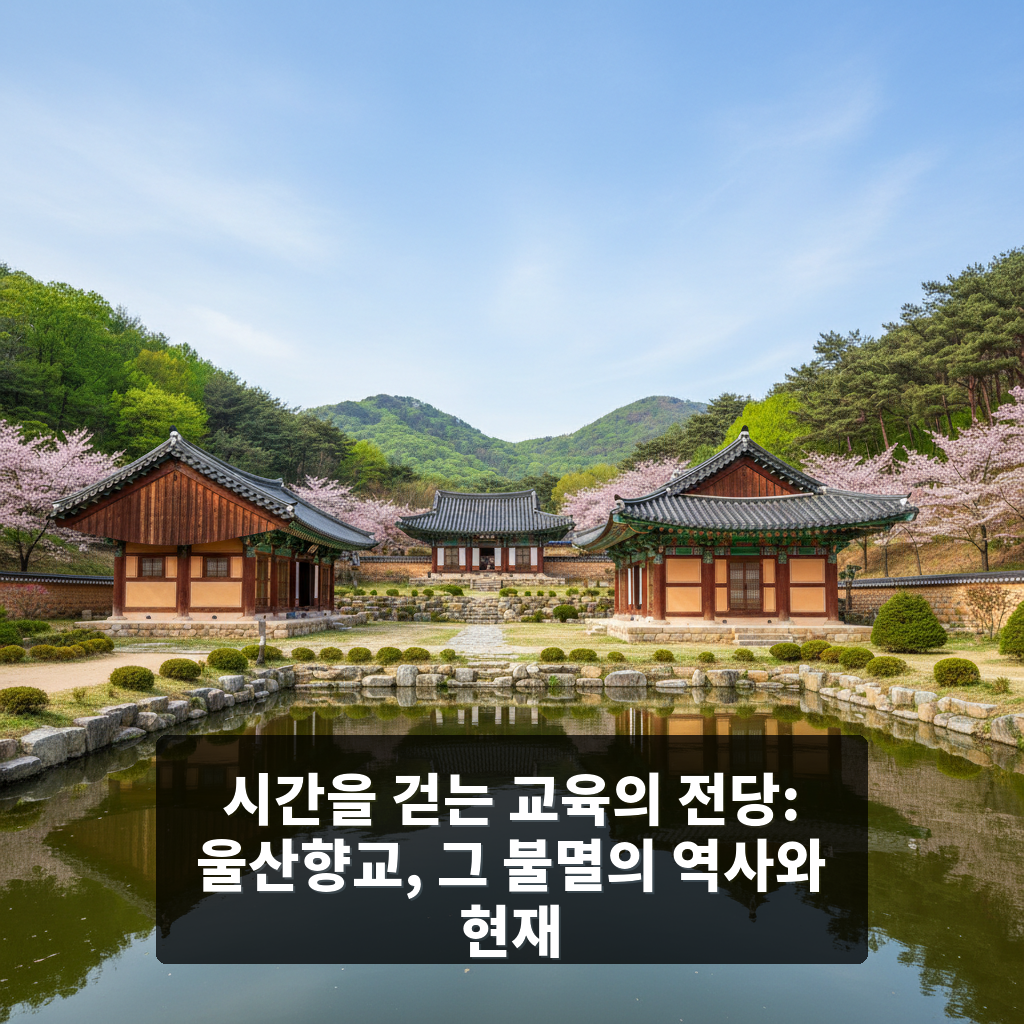
A Hall of Education Traversing Time: Ulsan Hyanggyo, its immortal history and present


Did you know that the spirit of Joseon Dynasty Confucian education still breathes in the heart of Ulsan city? Imjin WarUlsan Hyanggyo, steadfastly maintaining its place amidst ruins and nurturing countless scholars, is not just an old building. It is a special place where you can go back in time to encounter the wisdom and traditions of Joseon.
Emerging in the 15th century amidst uncertain records, Ulsan Hyanggyo has accumulated a long history through repeated wars and reconstructions. Although it was sometimes swept away by the turmoil of its times and relocated, it never once lost its educational value and cultural significance. From now on, shall we explore the past and present of Ulsan Hyanggyo, which has been maintained with an indomitable spirit?
Beyond Records: Tracing the Roots of Ulsan Hyanggyo
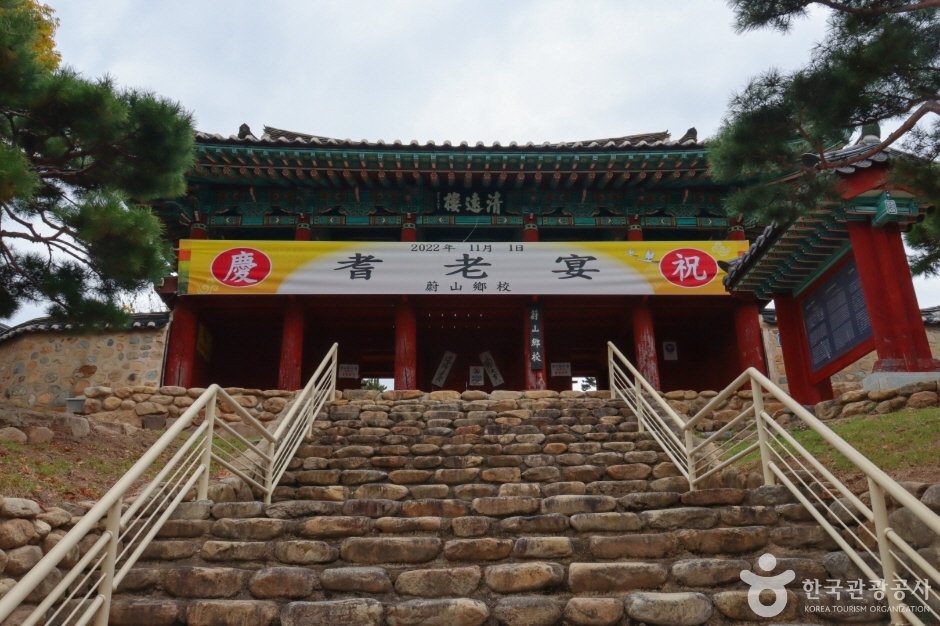
The exact founding date and early history of Ulsan Hyanggyo are unknown due to the loss of records during the Imjin War. However, it is presumed to have been first established around the 15th century, when the system of having one Hyanggyo per administrative district was completed. This suggests that Ulsan Hyanggyo has been a part of Ulsan’s long history.
Indomitable Spirit Amidst Adversity
Initially located north of Sinhakseong, in what is now Gogyo Village, Bangudong, Ulsan Hyanggyo suffered the tragedy of being destroyed during the Imjin War. It was rebuilt there after the war, but in the 3rd year of King Hyojong (1652), it was relocated to its current site, where it remains today. Since the 1800s, it has undergone more than 20 renovation processes, yet the basic framework of its building layout has been maintained without change, offering a glimpse into the wisdom of our ancestors.
The Essence of Joseon Confucian Architecture
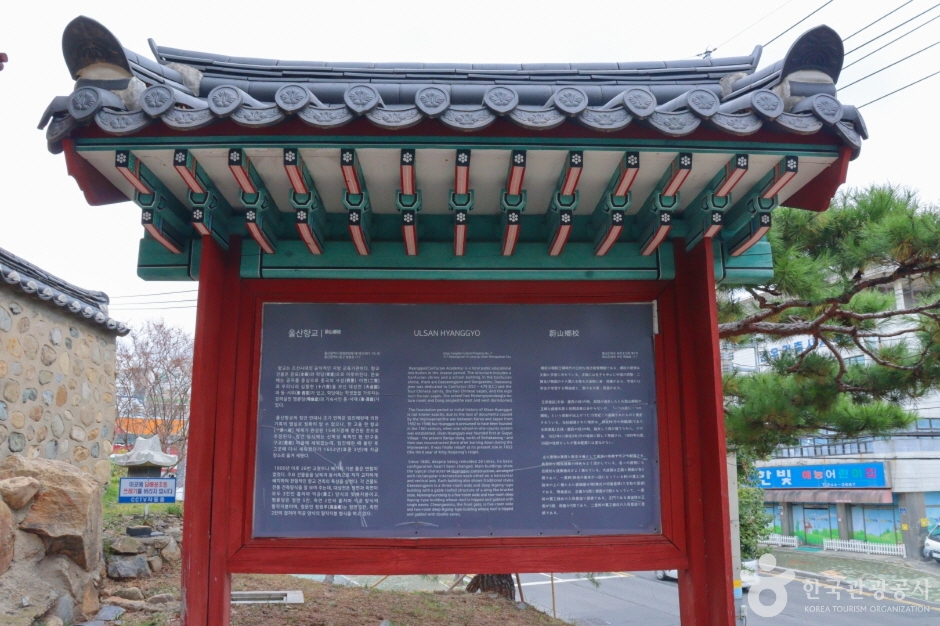
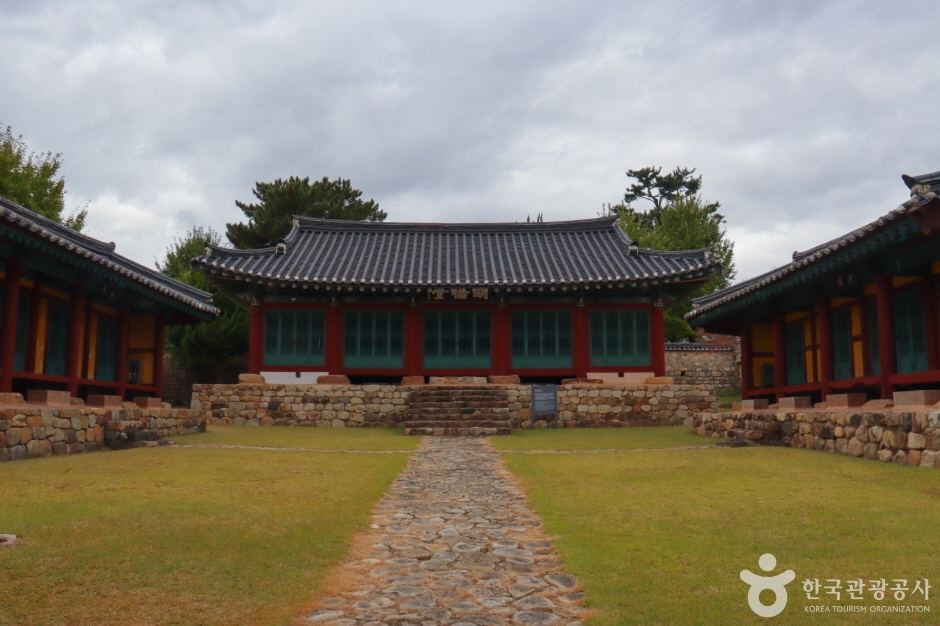

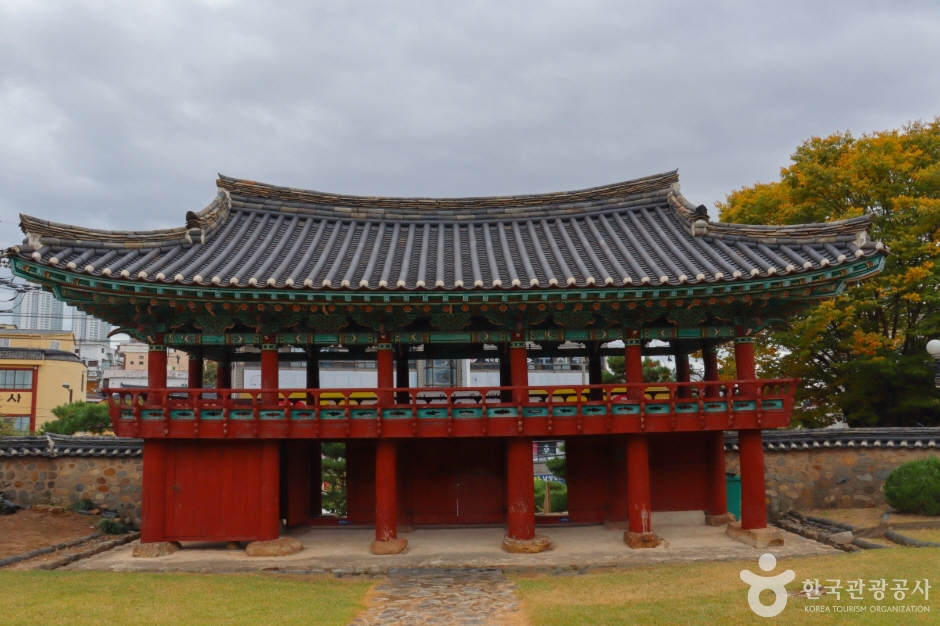
Ulsan Hyanggyo showcases a typical Hyanggyo architectural style, composed of Daeseongjeon, Myeongnyundang, Seojae, and Cheongwonru. The main buildings are arranged to intersect perpendicularly along the north-south and east-west axes, preserving the characteristics of strict yet harmonious Confucian architecture. Strolling among the tranquil buildings, you might feel as if you’ve traveled back in time to the Joseon Dynasty.
Ulsan Hyanggyo Building Composition
- Daeseongjeon A space for enshrining the ancestral tablets of Confucian sages and holding memorial rites.
- Myeongnyundang A place of education where Confucian scholars gathered to study.
- Seojae A place where Confucian scholars resided and devoted themselves to study.
- Cheongwonru A pavilion, a place for rest and viewing the surrounding landscape.
Hyanggyo Today: The Coexistence of Learning and Tradition
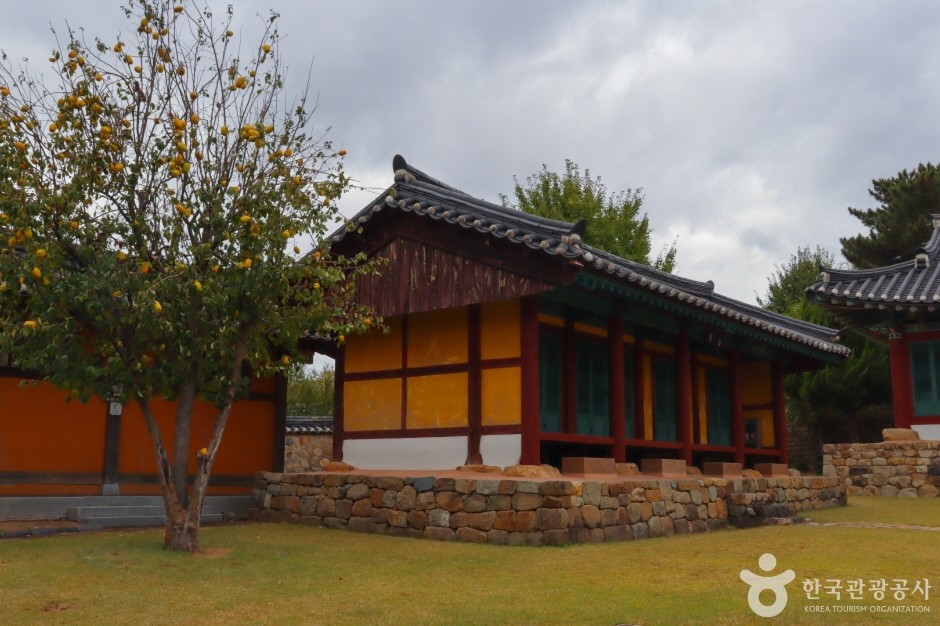


Hyanggyo, a former educational institution, continues its spirit today by hosting various cultural activities. Ulsan Hyanggyo is not merely a historical site; it is utilized as a living historical education venue and a valuable space where citizens can experience traditional culture.
A Year-Round Feast of Tradition
Ulsan Hyanggyo steadily holds meaningful traditional rites and events every year. Seokjeondaeje, a grand ceremony dedicated to Confucian sages, is solemnly held twice a year, along with various other traditional events such as Giyeon, a feast for elders, coming-of-age ceremonies for youth, and Hansi Baekiljang, a classical Chinese poetry contest, offering a glimpse into the lives of our ancestors.
Cultural Experiences for Everyone: From Hyanggyo Stay to Traditional Weddings
- Traditional Weddings Applications are accepted year-round for those who wish to have a special wedding ceremony at the tranquil Hyanggyo.
- Hanja Class Learn Hanja, which contains the wisdom of our ancestors, and deepen your understanding of Eastern philosophy.
- Traditional Etiquette Class This is a valuable educational venue where you can learn the wisdom of living righteously and traditional etiquette.
- Hyanggyo Cultural Stay It also offers a special opportunity to deeply experience traditional culture by spending a night at the tranquil Hyanggyo.
In addition, various educational programs and events are held year-round at the Yurimhoe Gwan (Confucian Scholars’ Hall), open to everyone interested in traditional culture.
How to Get to Ulsan Hyanggyo Amidst Tranquil Scenery
The journey to visit Ulsan Hyanggyo while experiencing the ambiance of Ulsan city center, is a meaningful journey in itself. Nestled quietly among high-rise buildings and modern shops, the Hyanggyo has the charm of making you pause and reflect on history. The address is 13 Hyanggyo 1-gil, Jung-gu, Ulsan, and it can be conveniently accessed by public transportation or private car.
A Heartfelt Journey
Located adjacent to bustling areas of Jung-gu, Ulsan, such as Jungang Market and Youth Street, it is ideal for visiting in conjunction with nearby tourist attractions. The moment you step into the Hyanggyo, the commotion of the outside world fades, and tranquility takes over, allowing you to fully encounter history. Refer to the map to plan your visit.
Tips for Visitors: Enjoying Ulsan Hyanggyo to the Fullest
How to Experience Ulsan Hyanggyo More Deeply
- Maintain Silence As the Hyanggyo was a sacred educational space, it is important to maintain silence with a reverent mind during your visit.
- Request a Cultural Commentary If possible, delve deeper into the history and meaning of the Hyanggyo through the explanation of a cultural commentator.
- Explore the Surroundings There are many other attractions around the Hyanggyo where you can experience Ulsan’s history and culture, so it is recommended to explore them together.
- Participate in Traditional Experiences Directly participate in experiential programs offered at the Hyanggyo, such as Hanja classes or traditional etiquette education. You can have a living experience beyond simple sightseeing.
Nearby Attractions to Explore Together
- Ulsan Dongheon A Joseon Dynasty government office building in Ulsan, offering a glimpse into the history of the eupseong (walled town).
- Culture Street Ulsan’s representative street, where various artworks, cafes, and shops come together.
- Ulsan Jungang Market A vibrant traditional market where you can enjoy local specialties and delicious food.
Frequently Asked Questions
Q1. When was Ulsan Hyanggyo built?
The exact founding date is unknown due to the loss of records during the Imjin War, but it is presumed to have been founded around the 15th century, when the system of one Hyanggyo per district was established.
Q2. What events can be experienced at Ulsan Hyanggyo?
You can participate in traditional rites such as Seokjeondaeje, Giroyeon, coming-of-age ceremonies, and Hansi Baekiljang, as well as educational and experiential programs like Hanja classes, traditional etiquette classes, and Hyanggyo Cultural Stays.
Q3. Are traditional weddings possible?
Yes, Ulsan Hyanggyo accepts applications year-round for those wishing to hold a traditional wedding. You can have a wedding in a tranquil and special atmosphere.
Q4. Are there any precautions when visiting Ulsan Hyanggyo?
As the Hyanggyo was a sacred educational space, visitors should maintain silence and be careful not to damage buildings or facilities.
Q5. How long does it take to tour the Hyanggyo?
You can typically look around the main buildings in about 30 minutes to 1 hour. More time may be required if you are with a guide or participating in an experiential program.