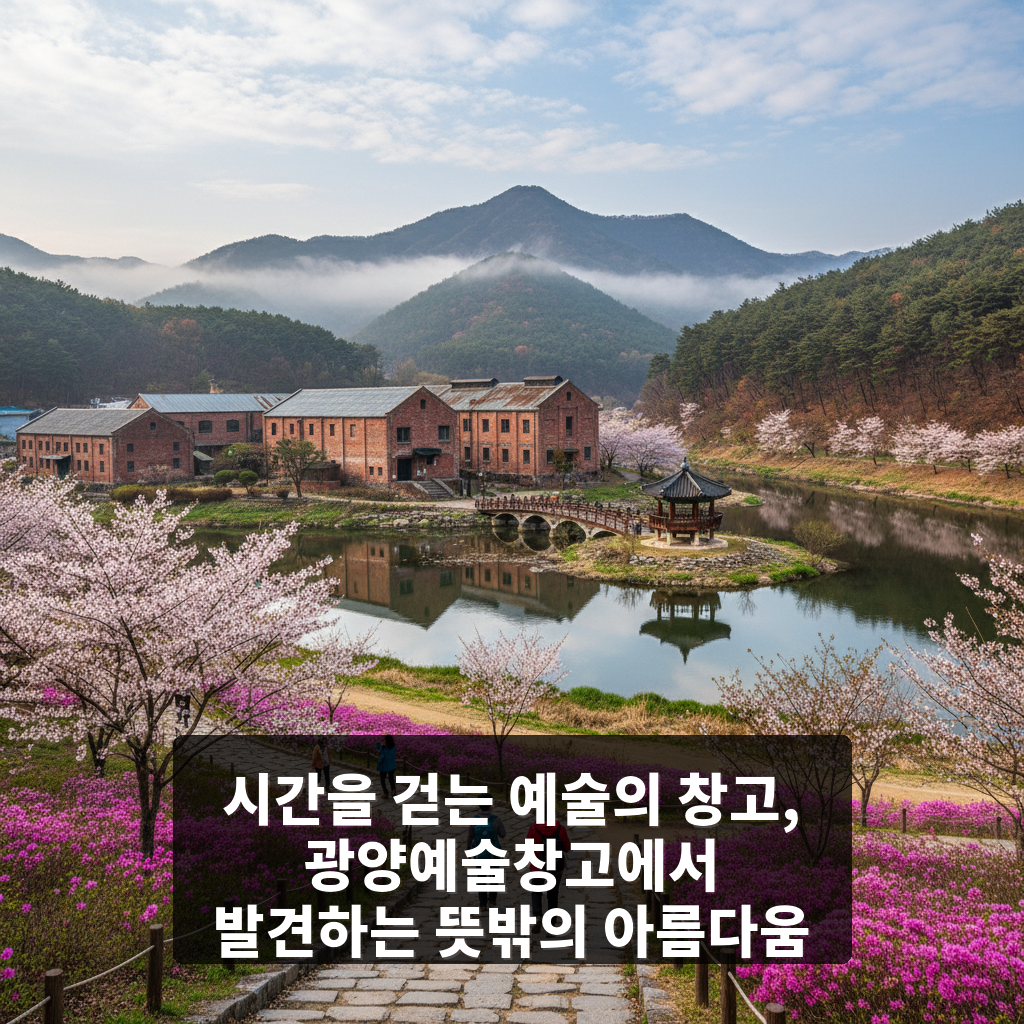
An art warehouse walking through time, unexpected beauty discovered at Gwangyang Art Warehouse


What would an old warehouse, forgotten in darkness, look like if it were reborn with brilliant light and the breath of art? A place where unimaginable stories blossom between old concrete bricks, that is Gwangyang Art Storage. We invite you into the secret transformation of how the warehouse next to the old Gwangyang Station, once filled with the roar of trains and the bustle of logistics, became the heart of art.
Beyond a simple exhibition space, this is a multi-cultural complex where traces of time and contemporary art sensually intersect. Gwangyang Art Storage, which breathes new life into a discarded space and offers fresh inspiration to both locals and visitors, is a wonderful example of how art can permeate daily life.
Now, shall we embark on a cultural journey that will stimulate your five senses, as we unravel the diverse charms held within this special space, one by one?
A Space Beyond Time, The Fascinating Birth Story of Gwangyang Art Storage
Gwangyang Art Storage was a building used as a logistics warehouse, connected to the old Gwangyang Station in the 1970s. Over time, Gwangyang Station relocated, and the abandoned warehouse, having served its purpose, stood lonely for a long while. However, in 2015, a grand plan was set to revitalize this space into a multi-cultural complex, in conjunction with the establishment of the Jeollanam-do Provincial Art Museum.
After remodeling in 2019, Gwangyang Art Storage finally opened its doors on March 22, 2021, along with the Jeollanam-do Provincial Art Museum. While preserving the old warehouse’s framework, it now houses modern media art and various artistic endeavors, creating a unique atmosphere where past and present coexist. This place is evaluated as a meaningful space that goes beyond simply renovating a building, by breathing artistic soul into a piece of History.
What Charms Captivate Visitors?
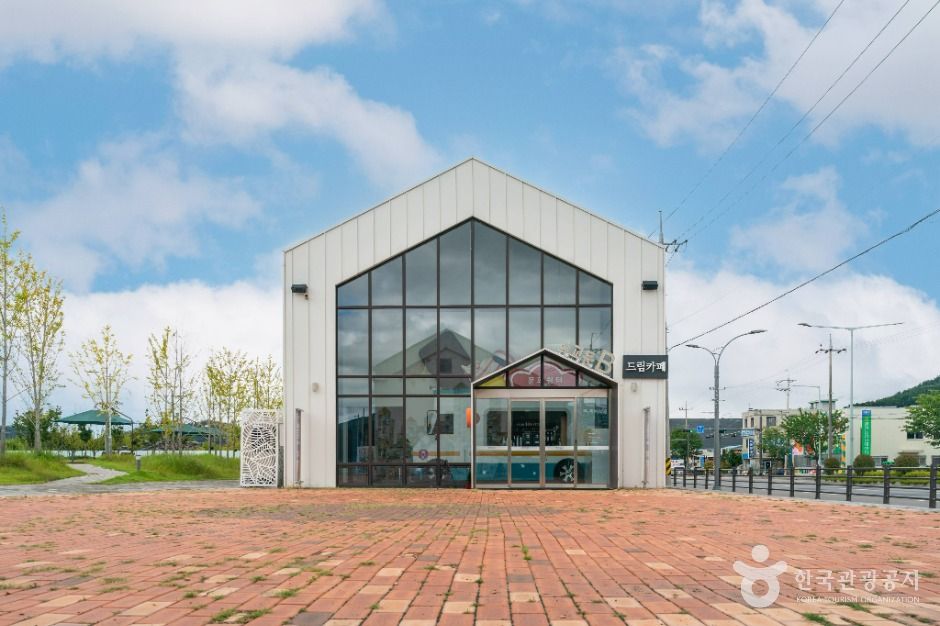
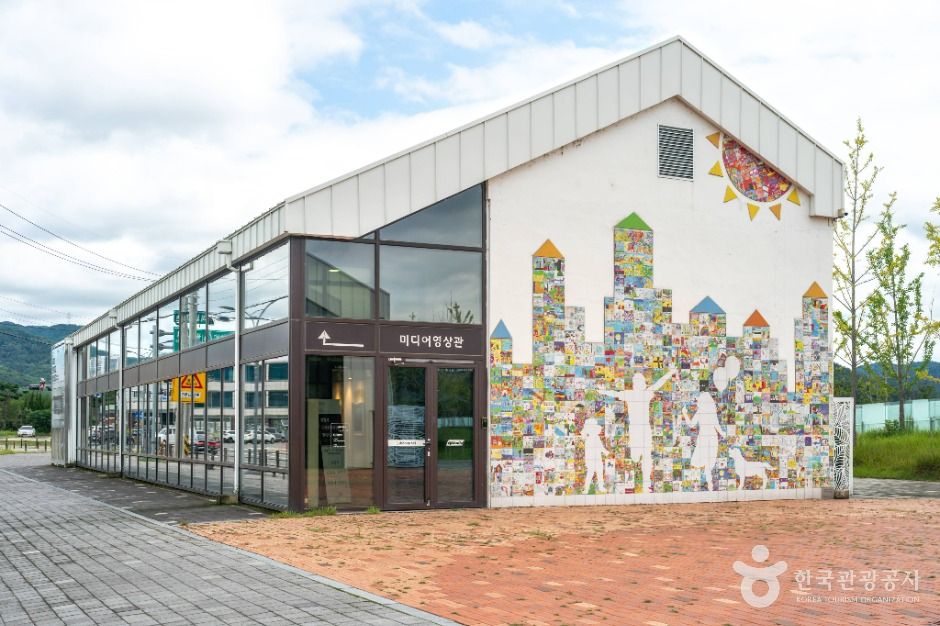
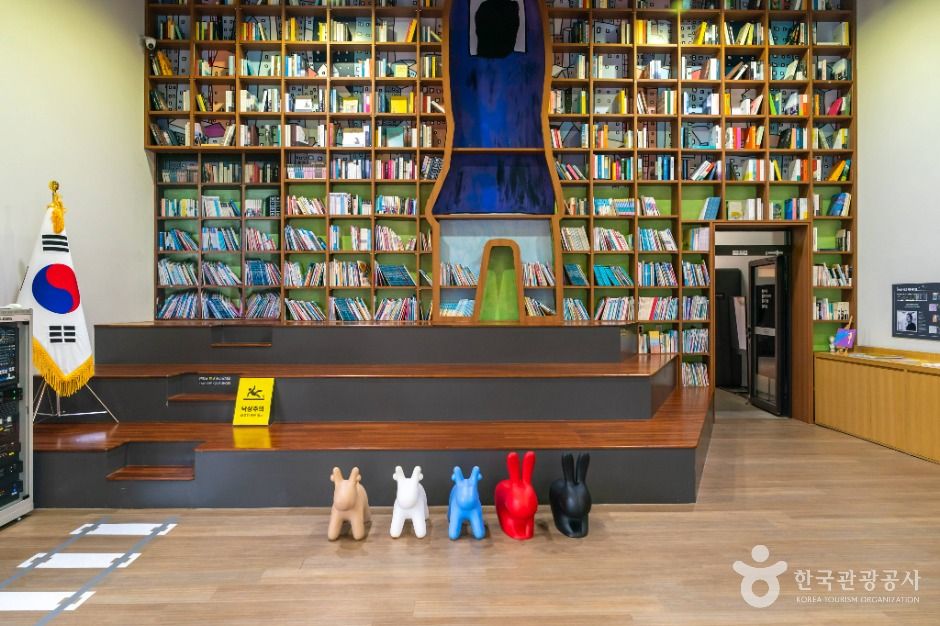
- Harmony of Past and Present The sturdy structure of the old warehouse combined with state-of-the-art media art delivers visual inspiration.
- Multi-cultural Experience It offers diverse experiences, from exhibition viewing to relaxing at the cafe and participating in cultural education programs.
- A Space for Everyone From an attic for children to art education for adults, it has elements that will satisfy visitors of all ages.
Gwangyang’s Story Drawn with Light: Immersive Experience in Media Building A
The core artistic experience of Gwangyang Art Storage undoubtedly begins in Media Building A. This area, composed of a media projection room and exhibition halls, draws visitors into an overwhelming world of art. The moment you open the door and step inside, you will fall into the illusion that the boundaries of the familiar space are crumbling.
Media Projection Room: The Emotion Unfolded by a Giant Screen
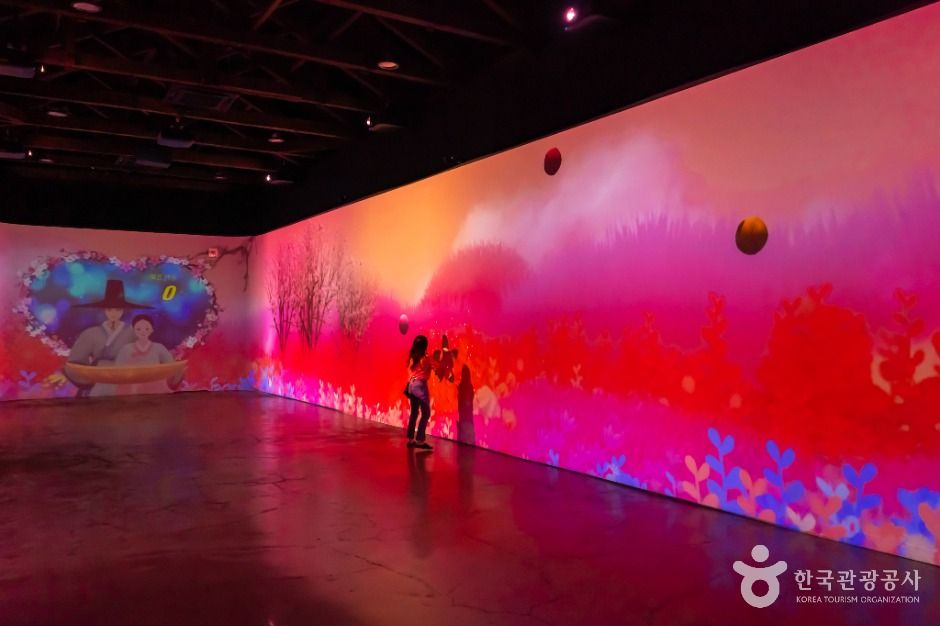
The colossal media projection room, reaching 4m in height and 56m in width, is a grand work of art in itself. The video, screened with the theme of ‘Gwangyang’s Present and Future,’ expresses Gwangyang’s beautiful nature and dynamic urban landscape through fantastic media art. The feast of light and sound unfolding on the massive screen provides an immersive sensation, as if walking into Gwangyang itself, offering a special experience that awakens all five senses.
Exhibition Hall: Following the Gaze of Lee Gyeong-mo
In the exhibition hall, another space in Media Building A, photographs and cameras by the late Lee Gyeong-mo are on display. Artist Lee Gyeong-mo is a master of the Korean photography scene, and his works offer a glimpse into the zeitgeist of the time and the appearance of Gwangyang. The traces of the past, alive and breathing in the black-and-white photos, create a subtle contrast with the future depicted by the media video, delivering a profound resonance.
A Space for Rest and Communication within Art: Complete Utilization Guide for Sogyo-dong Building B
After viewing Media Building A, filled with artistic inspiration, if you wish to take a break and enjoy the lingering impression, move your steps to Sogyo-dong Building B. Sogyo-dong Building B, named after the acronym for ‘Communication, Exchange, Companionship’ (소통, 교류, 동행), perfectly serves as a cultural resting place where visitors can comfortably communicate, exchange, and accompany each other.
Enjoy Leisure at the Cultural Rest Area Cafe
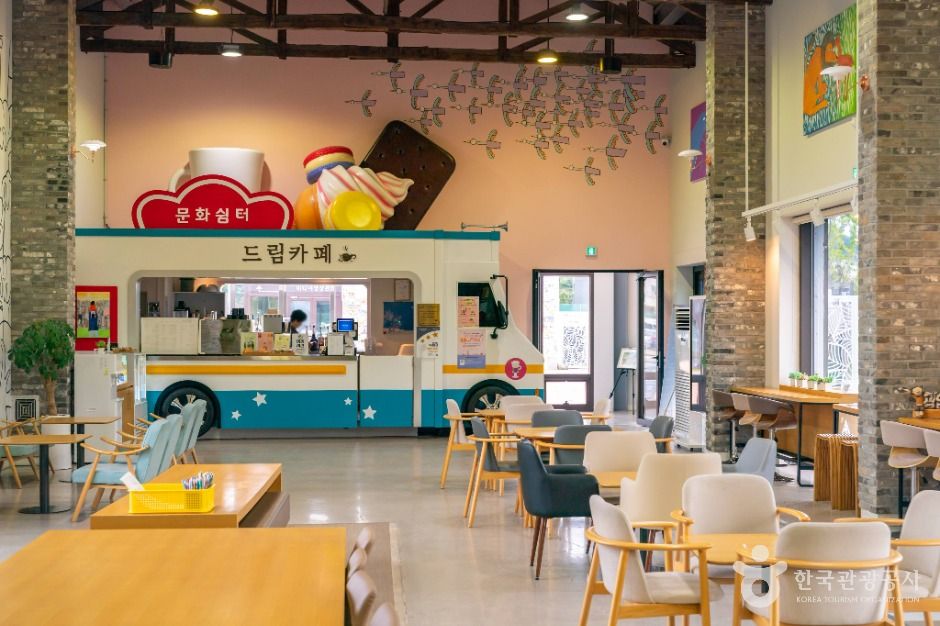
- With Fragrant Coffee It’s a great space to appreciate art or immerse yourself in contemplation with a warm drink.
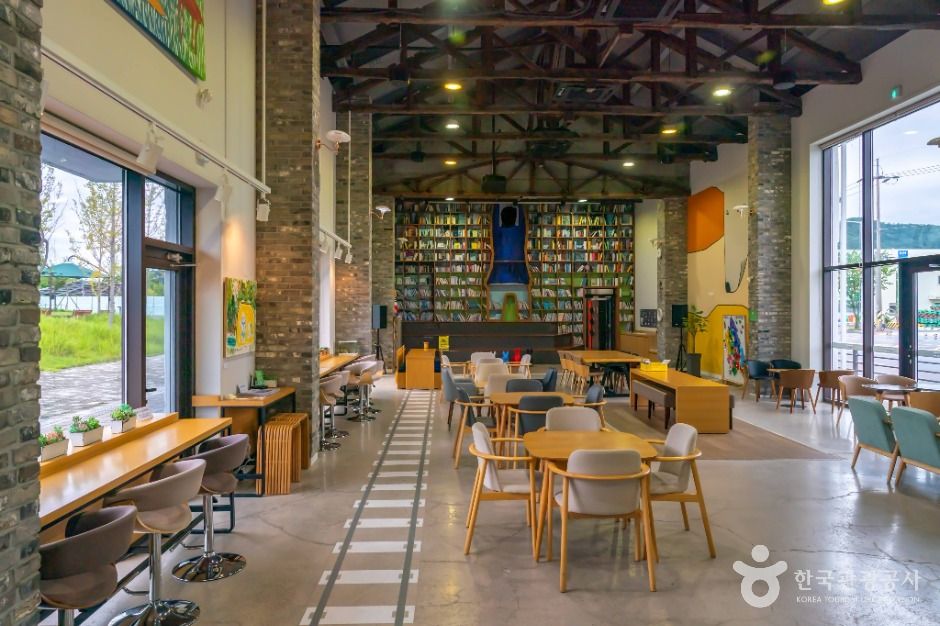
- Fairy Tales by Artist Jeon Yi-su The paintings by fairy tale artist Jeon Yi-su, recreated as murals and more, give imagination to children and a childlike wonder to adults. Discovering the warm messages embedded in each painting is also a delightful experience.
Multi-purpose Room and Children’s Attic: A Cultural Space for Everyone
Various cultural education programs are actively conducted in the multi-purpose room of Sogyo-dong Building B. It provides opportunities to directly experience and learn art through various activities such as workshops and lectures. Additionally, the children’s attic is a safe and enjoyable space designed for children to freely read books, play, and become familiar with art. It is particularly popular among family visitors.
Things to Enjoy at Sogyo-dong Building B
- Step 1: Cultural Rest Area Cafe Take a break with a warm cup of tea and organize your artistic inspirations.
- Step 2: Appreciating Artist Jeon Yi-su’s Murals It’s also a good idea to take photos with the warm paintings covering the walls as a backdrop.
- Step 3: Children’s Attic Read fairy tales or enjoy free play activities with children.
- Step 4: Participate in Cultural Education Programs (When available) If there’s a program you’re interested in, experience it firsthand to gain a deeper understanding of art.
Gwangyang Art Storage, How to Get There? Location and Nearby Attractions
Gwangyang Art Storage is located at Maechcheon-ro 921, Gwangyang-eup, Gwangyang-si, Jeollanam-do. This area, preserving the atmosphere of the old Gwangyang Station, is geographically accessible, attracting many visitors.
Transportation Guide
- Public Transportation Located near Gwangyang Station, it is convenient to use public transportation such as city buses. Please check route information before your visit.
- By Car Nearby parking spaces are available, allowing for a comfortable visit by private car.
Nearby Attractions Worth Visiting Together
When visiting Gwangyang Art Storage, explore other nearby attractions to plan an even richer trip. In particular, the Jeollanam-do Provincial Art Museum, located right next door, is a must-visit. It’s an excellent itinerary for continuing your artistic inspiration.
| Attraction | Features | Distance from Gwangyang Art Storage |
|---|---|---|
| Jeollanam-do Provincial Art Museum | Exhibition of various contemporary art pieces, special exhibitions | Within 5 minutes walk (adjacent) |
| Gwangyang History and Culture Hall | A place where you can see Gwangyang’s history and culture at a glance | Approx. 10 minutes by car |
| Gwangyang Maehwa Village (seasonal) | Famous for spring plum blossom festival, beautiful natural scenery | Approx. 30 minutes by car |
Make Sure to Check Before Your Visit! Tips for a Fruitful Gwangyang Art Storage Tour
Here are some tips to help you enjoy Gwangyang Art Storage even more satisfactorily. Check them beforehand to fully enjoy a regret-free art trip.
Checklist for an Enjoyable Visit
- Check Operating Hours It is recommended to check the exact operating hours and closing days through the official website or information page before your visit.
- Check Program Information Also, check in advance for cultural education programs or special exhibition information being held in the multi-purpose room. If you wish to participate in a program, advance reservation may be required.
- Wear Comfortable Attire For a leisurely viewing experience, comfortable shoes and clothing are recommended. Pretty attire for photos would also be nice!
- Observe Photo Etiquette When photographing media art or exhibition works, please refrain from using flash and maintain good manners by photographing quietly so as not to disturb other visitors.
- Plan Your Cafe Visit If you plan to use the cultural rest area cafe in Sogyo-dong Building B when you need a break during your visit, it will be more efficient to plan your route in advance.
Gwangyang Art Storage, transformed into a space where culture and art breathe new life into a forgotten place. We hope you discover your own unique inspiration here and create beautiful memories. The message of art echoing within the quietness of the abandoned warehouse will surely leave a deep impression on your heart.
Frequently Asked Questions
Q1. What are the main spaces composing Gwangyang Art Storage?
Gwangyang Art Storage is largely composed of Media Building A and Sogyo-dong Building B. Media Building A features an overwhelmingly large media projection room and the Lee Gyeong-mo artist exhibition hall, while Sogyo-dong Building B houses a cultural rest area (cafe), a multi-purpose room, and a children’s attic, among others.
Q2. What content can be seen in the media projection room?
The media projection room in Media Building A screens large-scale media art with the theme of ‘Gwangyang’s Present and Future’. The video unfolding on a screen measuring 4m in height and 56m in width fantastically portrays Gwangyang’s diverse aspects, providing an immersive experience.
Q3. What does ‘Sogyo-dong’ in Sogyo-dong Building B mean?
The ‘Sogyo-dong’ in Sogyo-dong Building B is an abbreviation for ‘Communication, Exchange, Companionship’ (소통, 교류, 동행). It carries the meaning of aiming for visitors to relax comfortably, communicate, interact through art, and journey together.
Q4. Is it good for visiting with children?
Yes, Gwangyang Art Storage is excellent for visiting with children. Sogyo-dong Building B has a children’s attic where kids can freely play and read books, and the mural paintings by fairy tale artist Jeon Yi-su are also elements that stimulate children’s imagination. Among the cultural education programs, there might be programs for children, so please check in advance.
Q5. Is Gwangyang Art Storage operated with an admission fee?
Gwangyang Art Storage generally has a mix of permanent exhibition spaces that are free to enter, and special exhibitions or cultural education programs that may have an admission fee. Please check the latest information before your visit to refer to your viewing plan.