
As if time has stopped, hidden stories within the old walls of Geochang Hwangsan Village


There is a place where centuries whisper beyond stone walls with every step you take. If you wish to escape the hustle and bustle of the city and enjoy tranquil leisure, the Old Stone Walls of Geochang Hwangsan Village will be the answer. This place is more than just an old village; it is history itself, where the culture of the literati and the dignity of aristocratic families from the Joseon Dynasty still breathe.
Indeed, how many stone wall paths, layered with countless stories, have we carelessly passed by? Geochang Hwangsan Village began to prosper as a settlement of the Geochang Sin clan in the mid-18th century, when Hwanggo Shin Su-i settled there, and its roots trace back to the early 16th century. Countless notable figures emerged after King Yeongjo, adding to the village’s prestige.
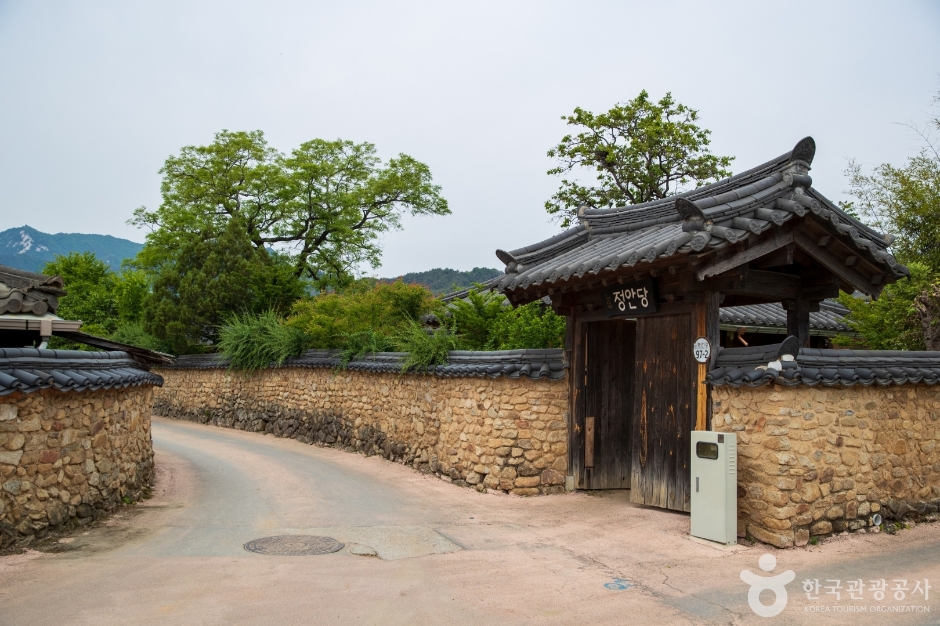
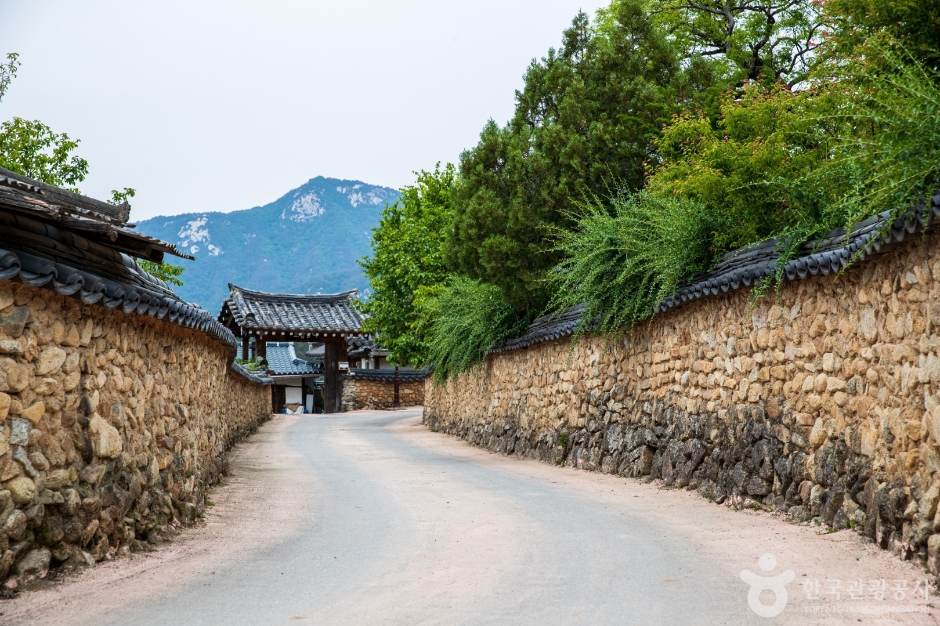
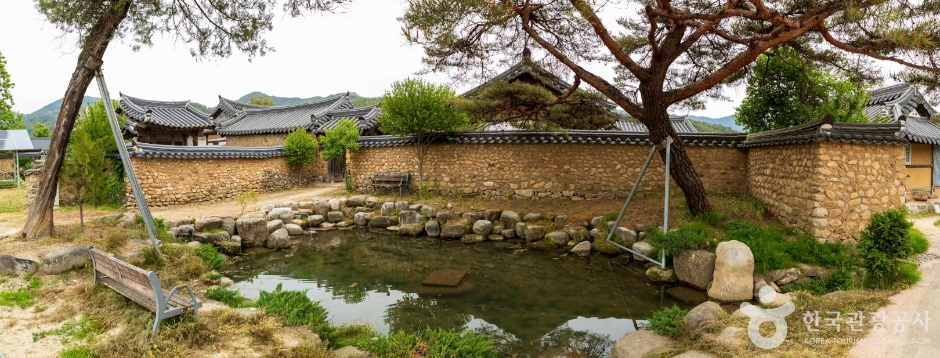
The walls here are not ordinary bricks or cement. The rough yet elaborately stacked stones and earth Harmony are themselves a work of art and a precious heritage that shows the architectural style and daily life of an era. Walking along the Old Stone Walls of Geochang Hwangsan Village, you will have a special experience as if you’ve become a time traveler.
The Song of Time Told by Stone Walls: The Tranquil Scenery of Hwangsan Village
When you encounter the giant old tree standing at the entrance of the village, the time travel of the Old Stone Walls of Geochang Hwangsan Village has already begun. Boasting an age of 600 years, a width of over 5m, and a height of over 15m, this tree is more than just an old tree; it is a living witness silently testifying to the village’s history. Villagers call this tree the ‘Anjeongjwa Tree’, and regard it as a guardian deity that has watched over the village’s peace and well-being for centuries.
600-Year-Old Ancient Tree, Guardian Deity of the Village
- Age: Estimated to be about 600 years old, it has been with the village for a long time.
- Size: With an imposing size of over 5m in width and over 15m in height, it is designated as a county-protected tree.
- Name: Called the ‘Anjeongjwa Tree’, it is a symbol wishing for the peace and prosperity of the village.
Passing this ancient tree and entering the village, the quaint Old Stone Walls of Geochang Hwangsan Village stretch out. The village, situated on generally flat terrain, is divided into ‘Keunttam’ and ‘Dongchon’ around the Hoeumcheon Stream flowing to the east, maintaining its unique layout. The feel of earth and stone with each step offers a deep sense of stability that cannot be felt in the city.
Deep-Rooted Traces of a Centuries-Old Clan Village
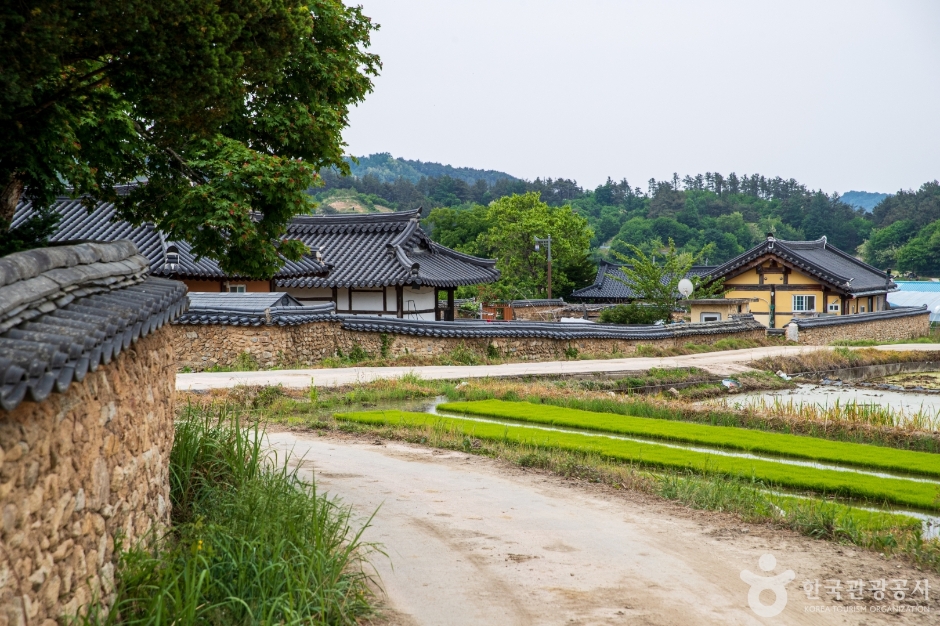
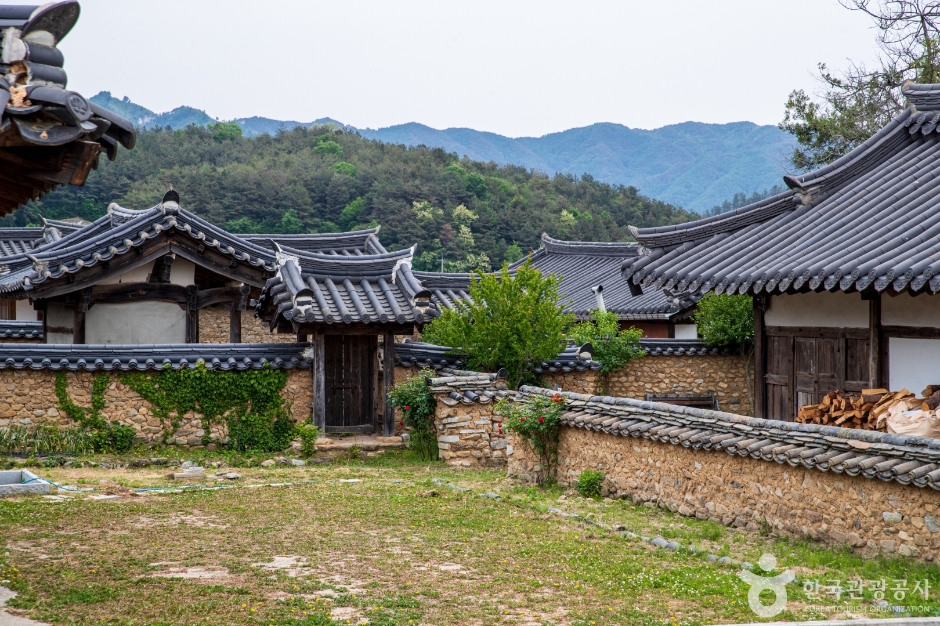
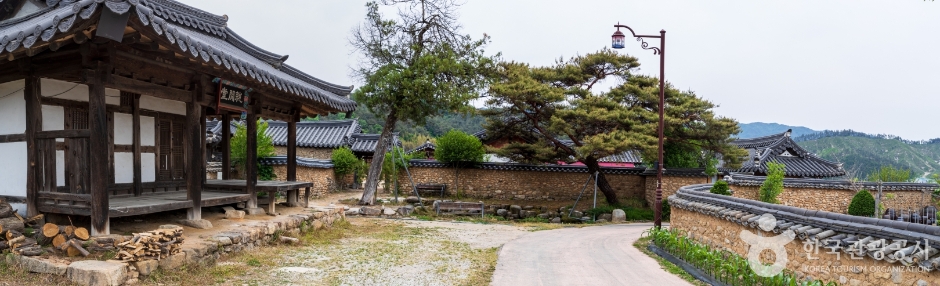
Hwangsan Village, as a clan village of the Geochang Sin family, holds extremely high historical value. The houses built in the late 19th to early 20th centuries fully display the architectural style of local aristocratic families during the Late Joseon and Japanese Colonial periods, allowing a glimpse into the excellent architectural techniques and living culture of that era in terms of scale and form. Especially, designated cultural heritage sites like the Sinssigoga of Geochang Hwangsan Village, which is designated as Provincial Folk Data, further illuminate the village’s value as a traditional settlement.
Architectural Aesthetics of a Prosperous Clan Village
Approximately 50 houses within the village are almost all tile-roofed houses equipped with an Anchae and a Sarangchae. This sight of an entire village clustered with tile-roofed houses suggests that Hwangsan Village was not merely an agricultural village at the time, but a ‘Prosperous Clan Village’ that enjoyed economic prosperity and cultural prestige. Its scale and system were astonishing, to the extent that it operated tenant farming villages separately.
Key Architectural Features of Hwangsan Village
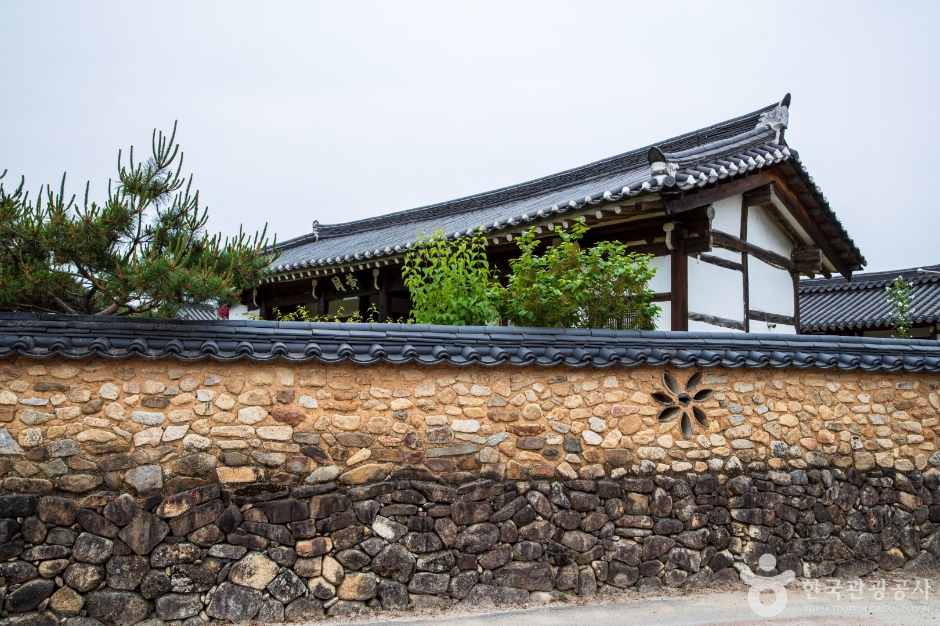
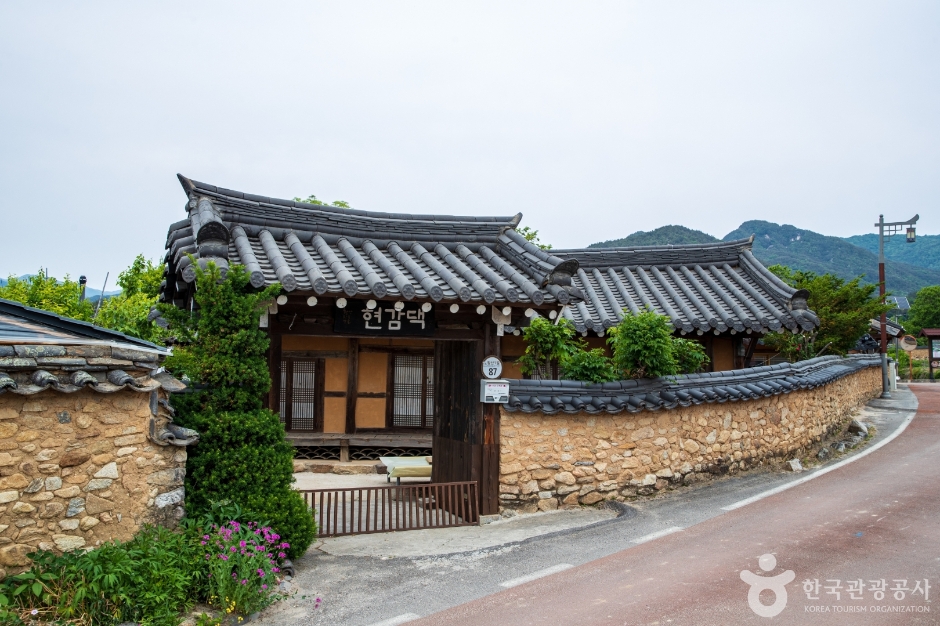
- Construction Period: Primarily built in the late 19th to early 20th centuries, they well represent the appearance of local aristocratic families in the early modern period.
- Composition: Most are equipped with an Anchae and a Sarangchae, and some consist of various annex buildings such as Haengnangchae and Gobangchae.
- Materials: Natural materials such as earth, stone, and wood are used, reflecting local characteristics.
- Designated Cultural Heritage: Geochang Hwangsan Village Sinssigoga and others are designated as Provincial Folk Data, recognized for their historical value.
| Category | Features |
|---|---|
| Anchae | A space where the mistress of the house resides and which serves as the center of daily life. Its internal structure is complex and cozy. |
| Sarangchae | A space where the master of the house received external guests or pursued studies. Positioned in a place easily visible from outside. |
| Old Stone Walls | Walls primarily built of stone and earth, forming the boundary between roads and houses, and creating the unique atmosphere of the village. |
Tranquil Alleys, How to Walk the Old Stone Walls of Geochang Hwangsan Village
To truly enjoy Hwangsan Village, it is important not to rush. Put down your smartphone for a moment, walk slowly along the stone wall paths, and listen to the sound of the wind and birds. You will feel the breath of history amidst the tranquility. The Old Stone Walls of Geochang Hwangsan Village are a grand museum in themselves, and each stone, stacked one by one, holds its own story.
Hidden Treasures within the Village, Don’t Miss Them!
- Anjeongjwa Tree: Feel the grandeur of the 600-year-old ancient tree at the village entrance and listen to its legends.
- Sinssigoga: Visit the designated cultural heritage site, Sinssigoga, to observe the lifestyle and architectural style of aristocratic families at the time. (View from outside, or visit during opening hours)
- Hoeumcheon Stream: Take a stroll around the Hoeumcheon Stream flowing east of the village and enjoy the charm of the village harmonizing with nature.
- Stone Wall Path Snaps: Take a once-in-a-lifetime photo against the backdrop of the tranquil Old Stone Walls of Geochang Hwangsan Village. The scenery at sunset or in the morning mist is particularly beautiful.
- Village Landscape Painting: Take in the unique scenery of the entire village, composed of tile-roofed houses, at a glance. The peaceful atmosphere will calm your mind.
Approximately 1 hour 30 minutes to 2 hours is sufficient to explore the entire village. The best times to visit are spring and autumn. In seasons when green leaves sprout or autumn leaves turn color, the quaintness of the stone walls stands out even more, and it is pleasant for walking. In summer, the fresh greenery, and in winter, the quiet white snowscape offer different charms.
How to Get to Hwangsan Village and Nearby Attractions
The Old Stone Walls of Geochang Hwangsan Village are located at 109-5, Hwangsan 1-gil, Wicheon-myeon, Geochang-gun, Gyeongsangnam-do. It is more convenient to use a private car than public transportation, and parking is available at the village entrance. You can easily find it by searching for the address on your navigation system.
Short Trips Outside the Village
- Suseungdae: Located not far from Hwangsan Village, Suseungdae is a scenic spot boasting outstanding natural beauty, excellent for summer water play or valley trekking.
- Wolseong Valley: A valley where clear water and lush forests blend, it is a hidden gem perfect for healing.
- Gajo Hot Spring: A good hot spring to relieve travel fatigue, where you can relax by soaking in warm water.
Geochang Hwangsan Village, where history and nature harmoniously blend, is a special place that offers a momentary pause in your busy daily life. We hope you will walk along the Old Stone Walls of Geochang Hwangsan Village and fully experience the beauty of disappearing traditions and the stories contained within them.
Frequently Asked Questions
Q1. What is the Old Stone Walls of Geochang Hwangsan Village famous for?
Geochang Hwangsan Village is a clan village of the Geochang Sin family, which prospered from the 16th century, preserving old stone walls and tile-roofed houses that well display the architectural style of aristocratic families from the Joseon Dynasty. Its 600-year-old ancient tree is also famous.
Q2. What are the characteristics of the village houses?
The houses primarily exhibit the architectural style of local aristocratic families from the Late Joseon and Japanese Colonial periods, built in the late 19th to early 20th centuries. Most are tile-roofed houses equipped with an Anchae and a Sarangchae, showcasing the features of a prosperous clan village.
Q3. Is there an admission fee for Geochang Hwangsan Village?
The entire village is open to the public, so there is no separate admission fee. However, internal viewing of some old houses may be restricted. Please visit with a mind to participate in cultural heritage preservation.
Q4. What is the best season to visit Hwangsan Village?
In spring, green sprouts, and in autumn, fall foliage enhance the tranquil atmosphere of the stone wall paths, making it even more beautiful to enjoy. It is also pleasant for walking, so visits in spring and autumn are recommended.
Q5. Are there any other places worth visiting near the village?
Yes, near Hwangsan Village, there are beautiful valleys like Suseungdae and Wolseong Valley, as well as Gajo Hot Spring where you can relieve travel fatigue, all of which are good to visit together.