Art that bloomed from a stopped train, into the charm of Bibijeong Art Train


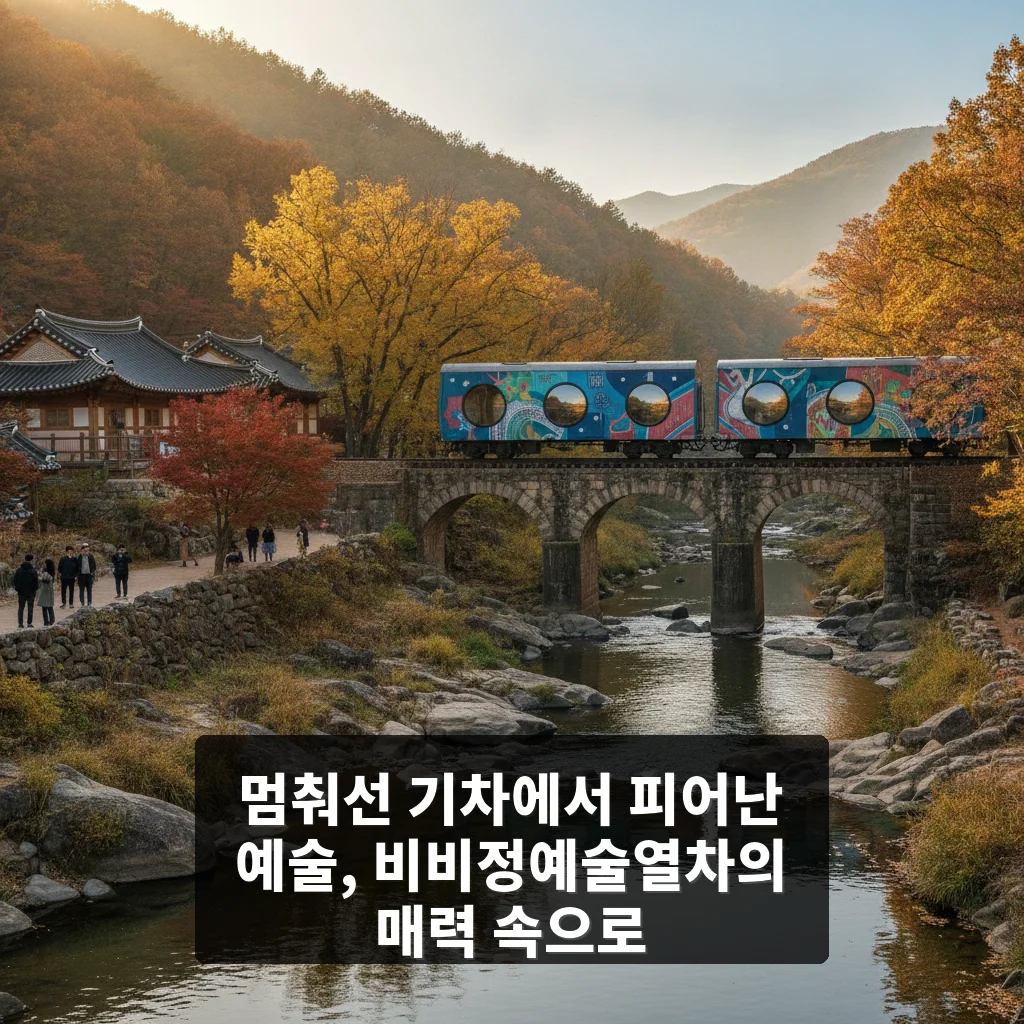
What if there was a special place where traces of time and artistic inspiration harmonized, at the spot where the choo-choo train stopped? On the Mangyeonggang (River) disused railway bridge, which held the painful history of agricultural products from the Honam region in the past, Exploitation, now flows a brilliant culture and stories in a space, and that is none other than the Bibijeong Art Train.
This is not just a disused train. It is an art complex cultural space that gained new life through the efforts of Wanju-gun, built in 1928 on a historic bridge that was the second longest after the Hangang (River) Railway Bridge. The tranquility of the old railway bridge and modern art experiences are harmoniously combined, offering unforgettable memories to visitors.
On the Railway Bridge of Memory, the Flower of Art Blooms
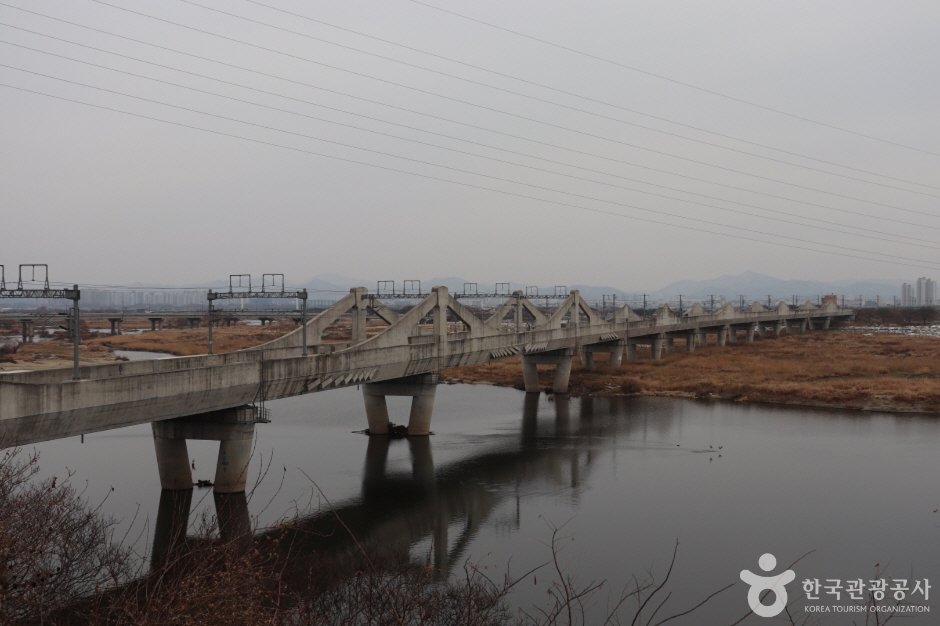
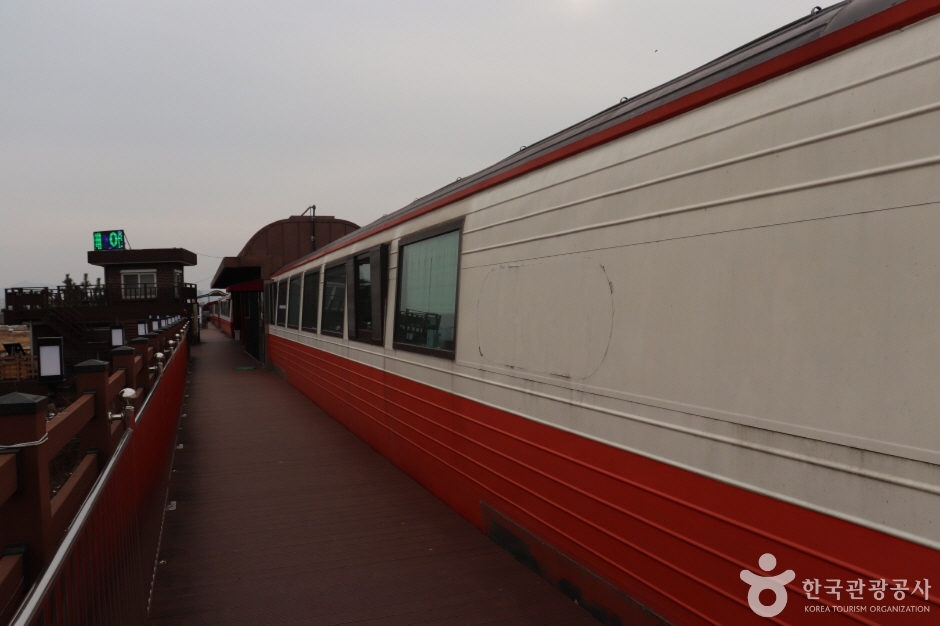
The old Mangyeonggang (River) disused railway bridge, crossing the Mangyeonggang (River), was built to transport agricultural products from the Honam region to Japan during the Japanese colonial period. This railway bridge, holding a painful history, is registered as a modern cultural heritage site. Wanju-gun acquired and renovated four Saemaeul-ho disused train cars at this historic site, attempting a special transformation.
As a result, today’s Bibijeong Art Train has been reborn as a living cultural complex space beyond a simple exhibition space. It is a place where the wisdom of Wanju-gun shines, preserving the value of the old while creating new value. Various experiences that can be enjoyed inside and outside the train await visitors.
By Train Car, A Special Themed Journey
| Train Car | Main Facilities & Theme | Available Activities |
|---|---|---|
| Car 1 | Restaurant | Enjoy meals and brunch, admire Mangyeonggang (River) view |
| Between Car 1 and Car 2 | Music Performance Venue | Busking, small concerts, event viewing |
| Car 2 | Local Specialty Shop | Purchase Wanju local specialties, souvenir shopping |
| Car 3 | Convenience Store & Gallery | Purchase snacks and drinks, view art exhibitions |
| Car 4 | Cafe | Coffee and drinks, relaxation, view of Mangyeonggang (River) scenery |
Each train car has a unique theme, making it feel like a short journey by train. Enjoy the scenery of Mangyeonggang (River) with delicious food, appreciate sweet music performances, and even do local specialty shopping and art appreciation all in one place.
Bibijeong Art Train: How to Get There and Enjoy It?
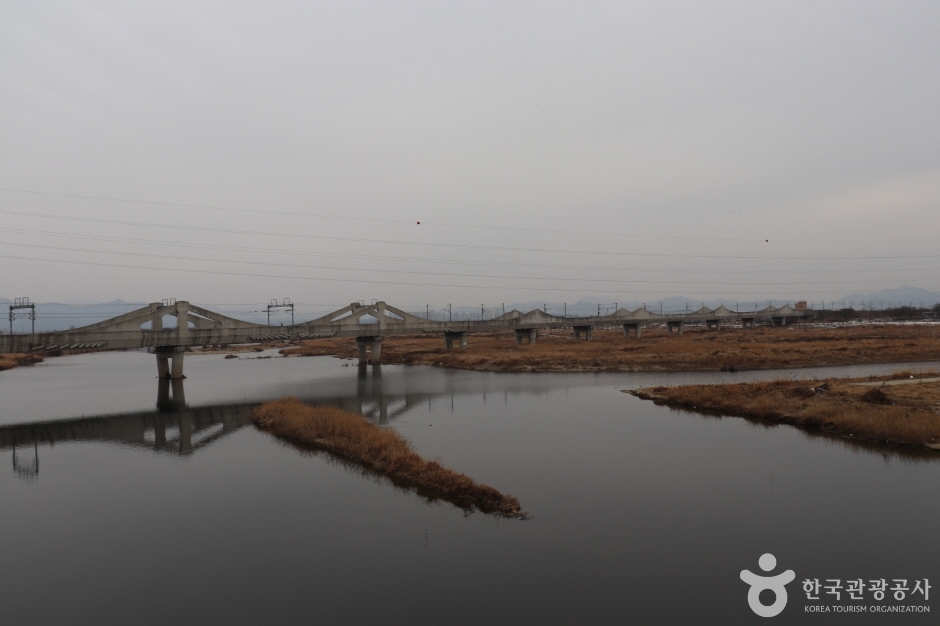
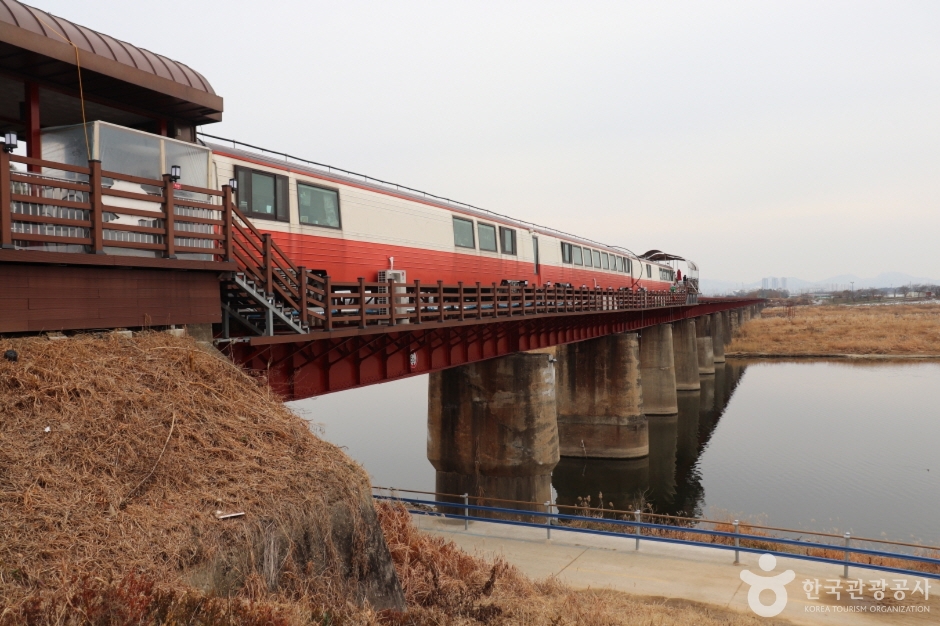
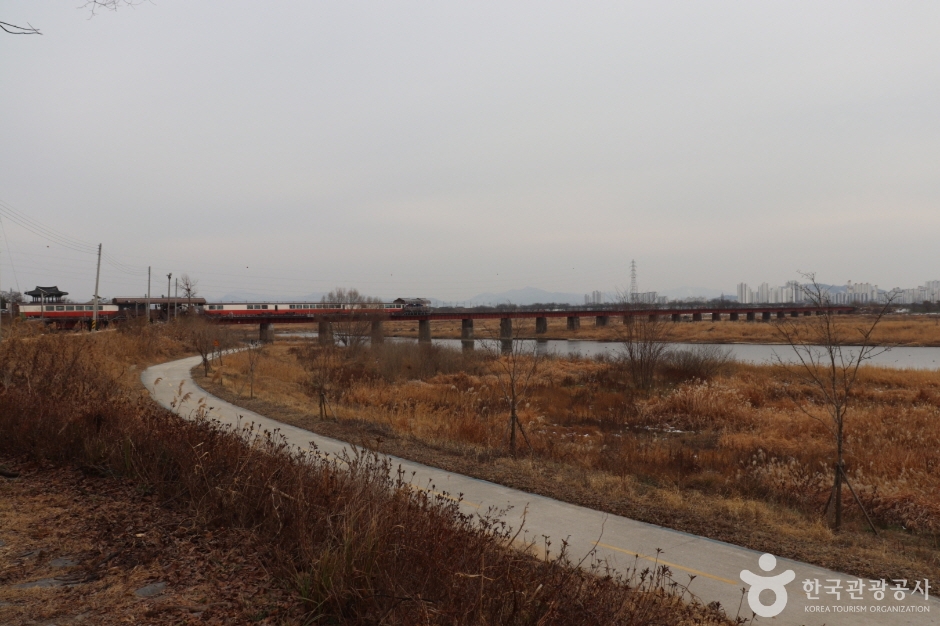
The Path to the Romantic Bibijeong
Bibijeong Art Train is located at 174-12 Bibijeong-gil, Iseo-myeon, Wanju-gun, Jeollabuk-do. When using public transportation, you can access it by checking major bus routes within Wanju-gun, and when using a private car, you can conveniently arrive by entering the address into your navigation system. Ample parking space is provided, so you don’t have to worry about parking.
Tips for enjoying Bibijeong Art Train 200%
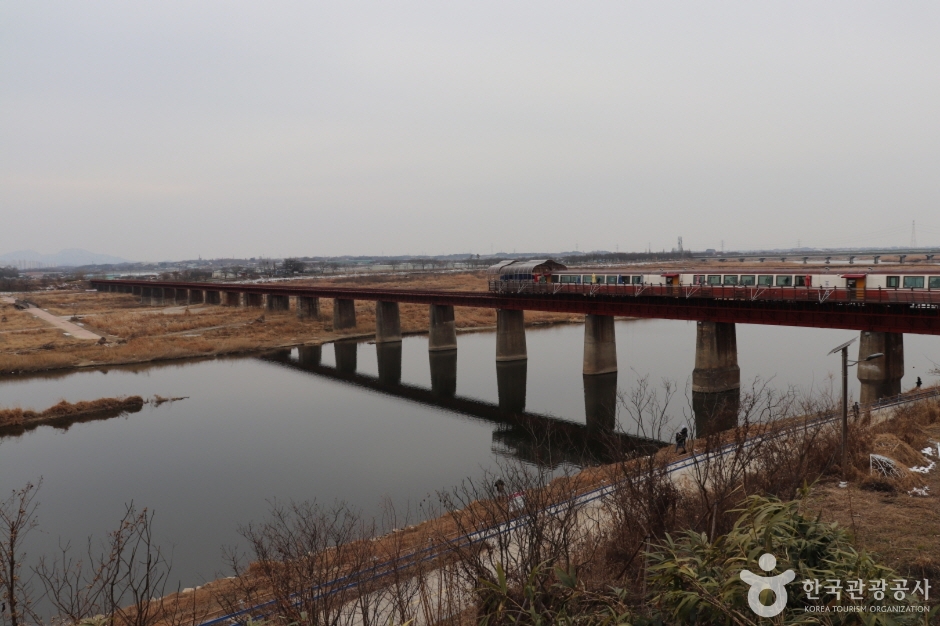
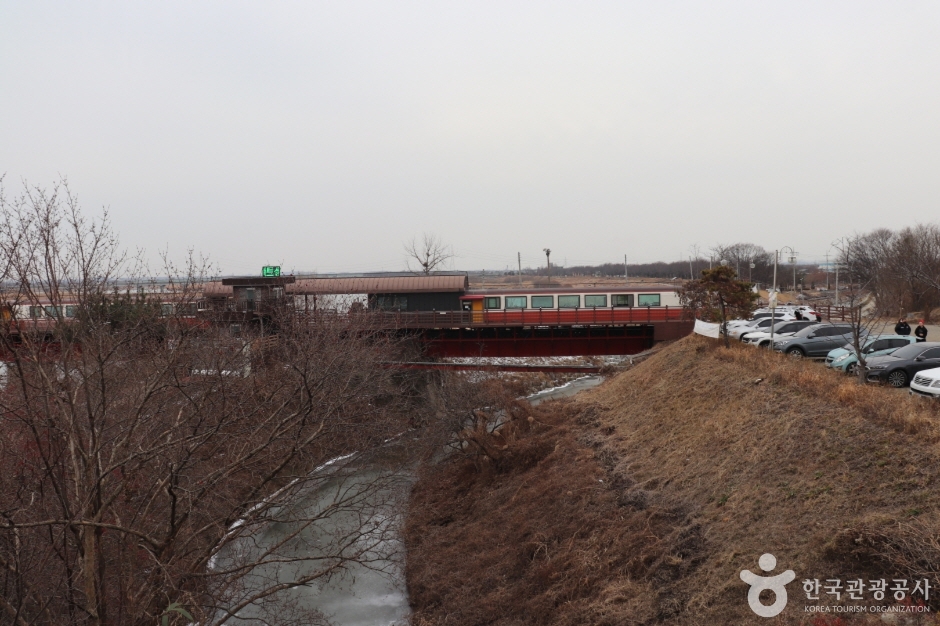
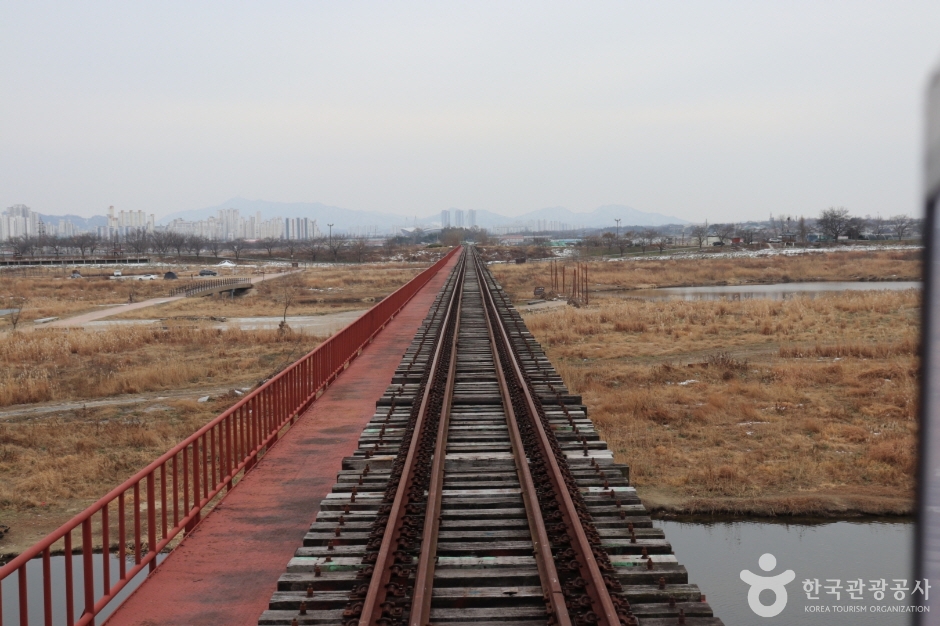

- Adjust your visit time If you visit during off-peak hours when using the restaurant or cafe, you can enjoy it more leisurely. Especially, don’t miss the sunset scenery of Mangyeonggang (River).
- Connect with nearby tourist attractions Near Bibijeong Art Train, there are various attractions such as Bibijeong Village and Bibijeong Observatory. Try combining them to plan your Wanju travel course.
- Check art programs Music performances are held irregularly in the space between Car 1 and Car 2. It’s recommended to check the performance schedule in advance via the Wanju-gun Culture and Tourism website before your visit.
- Family visitors If you visit with children, the unique experience inside the train can spark their interest. Taking a short break at the gallery or local specialty shop is also a good idea.
Recommended activities for visitors
- Scenery appreciation and photo taking The beautiful scenery of Mangyeonggang (River) unfolding outside the train window is a painting in itself. It’s also a great spot for taking memorable photos.
- Local gourmet experience Add to the pleasure of gastronomy by enjoying a meal featuring Wanju local specialties at the Car 1 restaurant.
- Culture and art experience You can view gallery exhibitions, or if you’re lucky, enjoy live music performances on-site.
Costs vary by facility, and facilities such as restaurants, cafes, and local specialty shops operate on a paid basis. Viewing the gallery or walking on the disused railway bridge are free activities. There are no specific age restrictions, but some items for using facilities inside the train may require adult accompaniment.
Reflecting on the Historical Significance of the Disused Railway Bridge
Below the Bibijeong Art Train is the old Mangyeonggang (River) disused railway bridge, built in 1928. Although it is a place with a painful history, used as a tool of exploitation during the Japanese colonial period, it is now clothed in culture and art, creating new value. If you visit knowing this historical background, the scenery here will resonate even more deeply.
On the railway bridge that has quietly stood for a long time, a train that has gained new life. This is a special place where the past, present, and future coexist. Visitors can experience both the weight of history and the lightness and joy that art brings. Just walking on the disused railway bridge, feeling the cool breeze of Mangyeonggang (River), will be a truly meaningful time.
Frequently Asked Questions
Q1. What kind of place is Bibijeong Art Train?
Bibijeong Art Train is a complex cultural space built on the Mangyeonggang (River) disused railway bridge. It consists of a restaurant, cafe, local specialty shop, and gallery, created by remodeling four Saemaeul-ho disused train cars, harmonizing historical significance and artistic sensibility.
Q2. Is there an admission fee?
Entry into the train space itself is free, and walking on the disused railway bridge is also freely permitted. However, when using facilities such as restaurants, cafes, and local specialty shops inside the train, paid payment is required for each facility.
Q3. Is it good for visiting with children?
Yes, it’s a good place to visit with children. You can have a fun time enjoying meals in the unique train space, exploring the gallery, and admiring the wide-open Mangyeonggang (River) scenery. There are no specific age restrictions.
Q4. Are there other tourist attractions nearby?
Near Bibijeong Art Train, there are Bibijeong Village and Bibijeong Observatory where you can enjoy the beautiful natural scenery of Mangyeonggang (River). In addition, you can plan a travel course by connecting with various tourist attractions within Wanju-gun.
Q5. When can I see music performances?
Music performances are held irregularly in the space between Car 1 and Car 2, and the event schedule is subject to change. It is recommended to check the performance schedule in advance via the Wanju-gun Culture and Tourism related website before your visit.