Communication with the populace, glimpse Joseon’s wisdom at Asan Yeominnu


In the midst of the busy modern life, don’t you sometimes want to leave in search of the wise traces of Past? Located in the heart of Asan, Yeominnu is a special place that can quench such thirst. Beyond a mere building, it’s like a bundle of stories imbued with the breath of the Joseon Dynasty and a warm heart for the people.
What message will this serene gate tower, encountered in the heart of Asan’s city center, convey to us? It’s time to embark on a journey to discover its profound meaning and beauty.
A Gate of Communication Across Eras, Listening to the Story of Yeominnu
Yeominnu is a gate tower that was built at the entrance of the Asan County government office during the Joseon Dynasty, and its very name embodies the spirit of Yeomindongnak (與民同樂), meaning ‘sharing joy with the people’. It is a place where the wishes of our ancestors, who dreamed of a peaceful era where the king and the people rejoiced together, are clearly etched. The gate tower served as an important space that not only displayed the dignity of the government office but also acted as a channel for communication with the people.
The Aesthetics of Joseon Engraved in Architecture
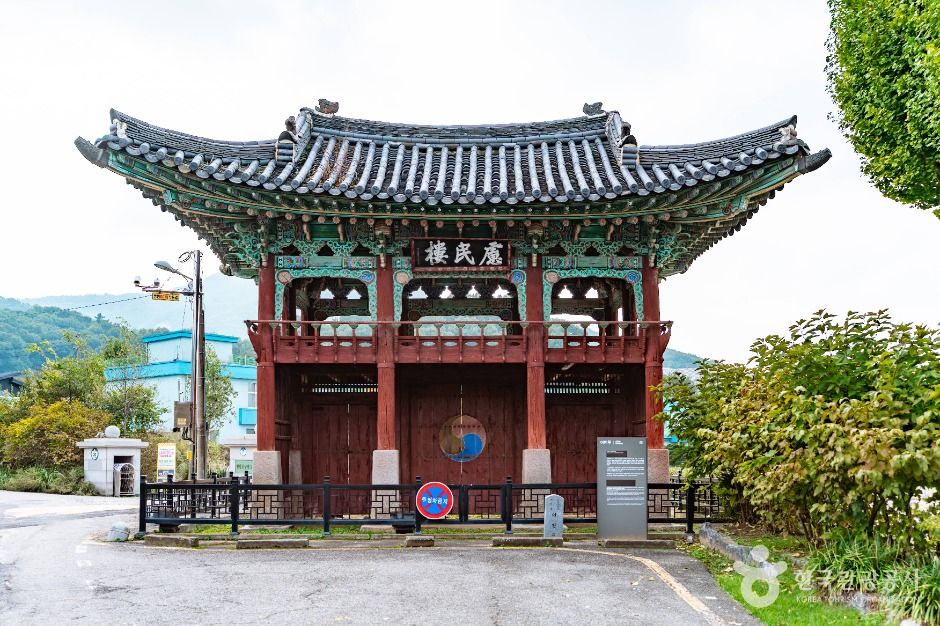
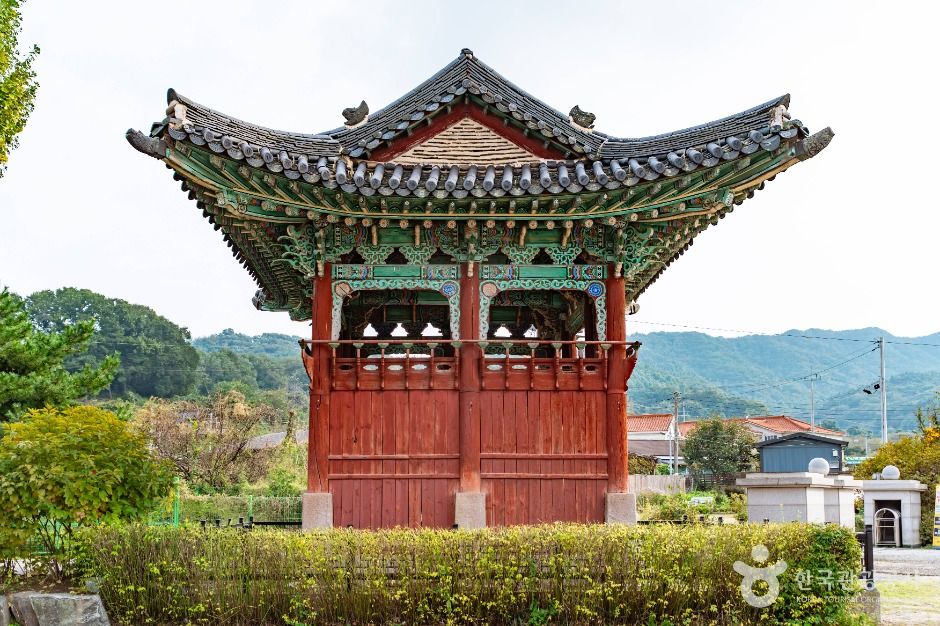
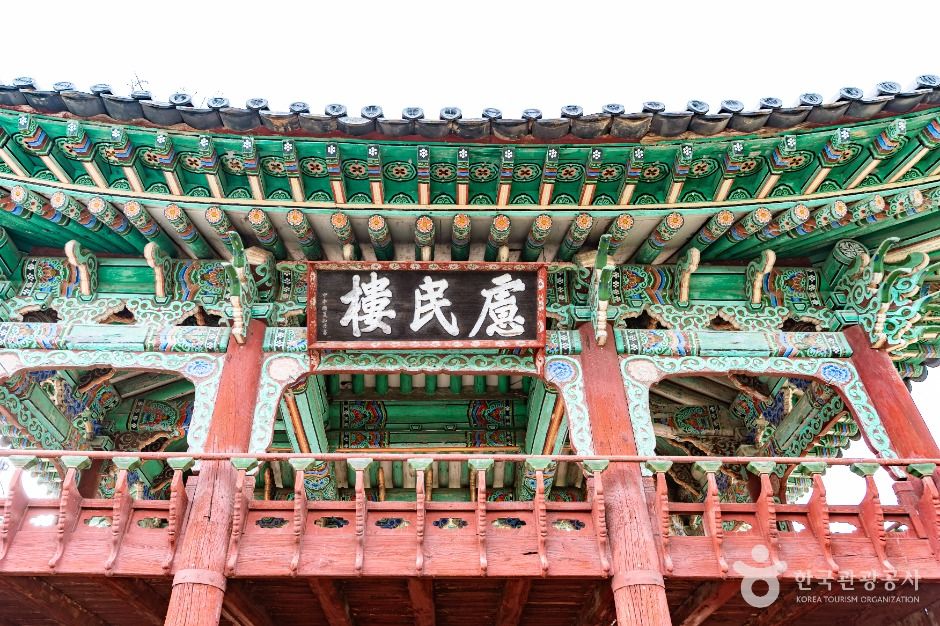
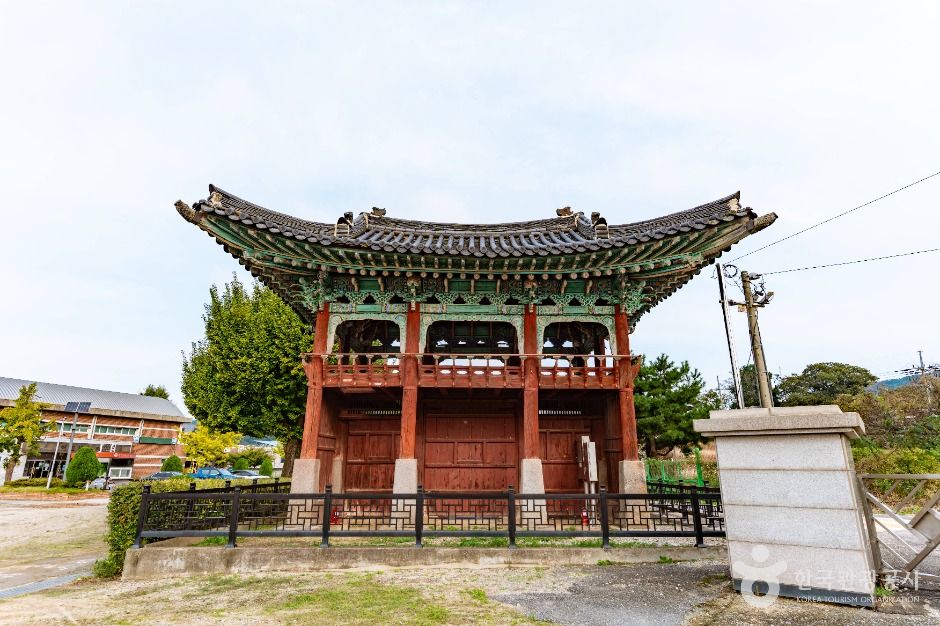
Here, square foundation stones were arranged on a low, eastward-facing stylobate, and round pillars were erected upon them to install a raised floor (numaru). The lower floor, with three bays at the front, was used as a passage by installing doors, and red slats (hongsal) embedded above the doors on both sides create an impressive appearance. The two side bays were closed off with panel walls, adding to its sturdiness. The roof structure, built with intricate and robust methods including main beams (daedeulbo), ridge beams (jongnyang), and wave-patterned brackets (payeondaegong), showcases the essence of Joseon Dynasty architectural technology.
- Basic Structure Installation of raised floor (numaru) with square foundation stones and round pillars on a low, eastward-facing stylobate
- Lower Floor Composition 3-bay front passage, red slats (hongsal) above the doors of the side bays, finished with 2-bay panel walls on the sides
- Bracket System Style 2-winged brackets without outer cantilevers, flower-shaped support brackets (hwaban) placed under the eaves (3 for the central gate, 2 for others)
- Roof Framing Main beams (daedeulbo) placed on front and back pillars, supporting ridge beams (jongnyang) with small blocks (soro), floating crossbeams (changbang), and capital blocks (judu)
- Bracket Type Wave-patterned brackets (payeondaegong), reinforced with three simply decorated carved panels placed on top
- Interior Features Lantern ceiling (yeondeung-cheonjang) and ornate dancheong (traditional colorful painting), with the ‘Yeominnu’ plaque hanging at the front
Yeominnu, How to Get There? Time Travel in Asan City Center
Located in the heart of Asan city, Yeominnu is easily accessible by public transportation, making it an excellent first step for a historical journey. It still awaits us, preserving its ancient dignity amidst the bustling cityscape.
Convenient Access Guide to Yeominnu
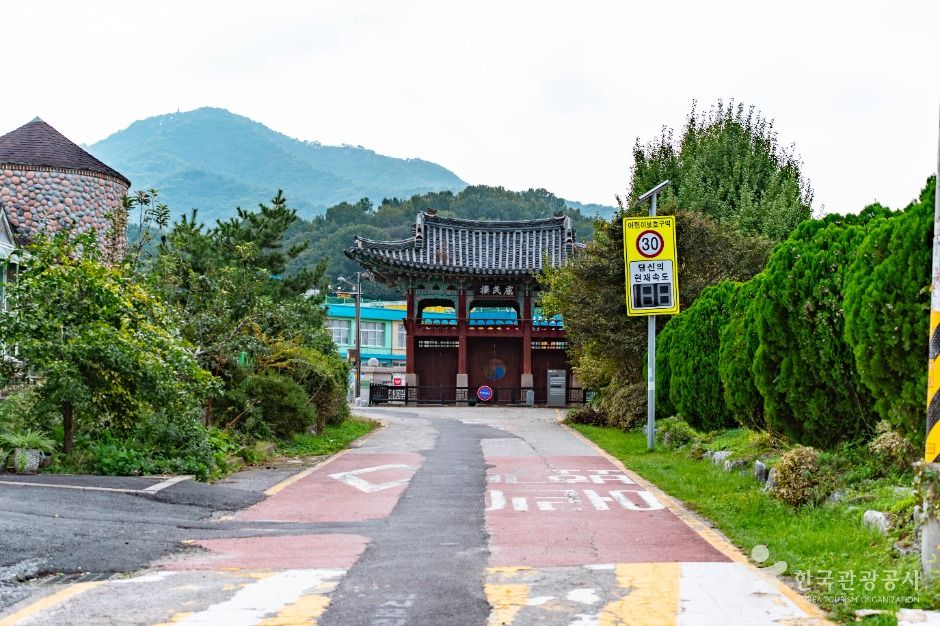
- By Public Transportation Take KTX or SRT, get off at Cheonan-Asan Station, transfer to Subway Line 1, and get off at Onyangoncheon Station. It takes about 10 minutes on foot from Onyangoncheon Station, and various Asan city buses also operate.
- By Car You can easily find it by searching for ‘177-1 Oncheon-dong, Asan-si, Chungcheongnam-do’ (old address) or ‘1492 Chungmu-ro, Asan-si’ (new address) on your navigation system. You can use nearby public parking lots or commercial parking lots. (Parking may be subject to a fee.)
More detailed location information can be found on the map provided below.
Around Yeominnu, Asan’s Gems Not to Be Missed
After visiting Yeominnu, why not immerse yourself in Asan’s charm by exploring other historical sites and tourist attractions nearby? With a short itinerary full of diverse sights, it’s sufficient for a one-day trip.
Asan’s Attractions to Explore with Yeominnu
- Asan Hyanggyo Located not far from Yeominnu, it is a serene space where you can glimpse the appearance of a Joseon Dynasty Confucian educational institution. You can enjoy time for contemplation amidst its classic architectural beauty.
- Onyang Oncheon Market & Onyang Haenggung Enjoy the lively market scene at Onyang Oncheon Market, boasting 500 years of history, and stroll through the site of Onyang Haenggung, where kings once rested, feeling as if you’ve become a historical figure.
- Hyeonchungsa It is a shrine enshrining the spirit tablet of Admiral Yi Sun-sin, an important historical site where you can honor the admiral’s spirit and reflect on its historical significance. You can spend meaningful time amidst its beautiful scenery.
Yeominnu Visit Tips: Suggestions for a Richer Experience
While Yeominnu is beautiful enough on its own, if you visit with a few tips, you can have a more profound and enjoyable time. Indulge in the feeling of traveling back in time.
Yeominnu Pre-Visit Checklist
- Check Operating Hours While usually open year-round, access may be restricted due to specific events or maintenance work, so it’s advisable to inquire with the Asan City Hall Culture & Tourism Division or check their website before visiting.
- Utilize Cultural Interpretation Programs By utilizing the cultural interpretation programs offered by Asan City, you can hear the fascinating history and architectural features of Yeominnu more vividly. These programs may be paid or free, and advance booking might be required.
- Explore Photo Spots Yeominnu, with its classic roofline, dancheong (traditional colorful painting), and the cityscape visible beyond, is excellent for taking wonderful photos. Especially when captured with the sunset at dusk, you can photograph even more beautiful scenes.
- Prepare for Nearby Exploration Yeominnu is in the center of Asan and is well-connected to surrounding commercial areas. It’s advisable to prepare comfortable shoes for walking and attire suitable for potential heat or cold.
Yeominnu, Asan’s Treasure Connecting Past and Present
Firmly standing in Asan’s city center, Yeominnu is not just an old building. It is a place where the hearts of our ancestors, who loved and sought to communicate with the people, and the architectural art embodying the best technology of its time, come alive. Stroll through this place and experience moments where past wisdom and present scenery harmoniously blend. The stories held by Yeominnu will surely leave a deep and lasting resonance in your heart.
Frequently Asked Questions
Q1. What kind of building is Yeominnu?
Yeominnu is a gate tower that served as the main entrance to the Asan County government office during the Joseon Dynasty. It embodies the spirit of ‘Yeomindongnak,’ meaning ‘sharing joy with the people,’ and is a representative architectural structure of historical significance in Asan.
Q2. What are the architectural features of Yeominnu?
It was built on a low, eastward-facing stylobate, with three front bays used as a passage. Its features include a 2-winged bracket system without outer cantilevers and a wave-patterned bracket (payeondaegong) type of support, while the interior ceiling is ornately painted with dancheong in a lantern ceiling (yeondeung-cheonjang) style.
Q3. What is the meaning of the Yeominnu plaque?
The Yeominnu plaque originated from ‘Yeomin’ (與民), meaning ‘to share joy with the people’. This reflects the governing philosophy of local officials during the Joseon Dynasty to communicate with the people and look after their livelihoods.
Q4. Are there any other places to visit around Yeominnu?
Yes, Asan Hyanggyo, Onyang Oncheon Market, and the Onyang Haenggung site are nearby and good to explore together. A little further away, you can also visit Hyeonchungsa, dedicated to Admiral Yi Sun-sin.
Q5. What should I keep in mind when visiting Yeominnu?
While it is always open, it’s advisable to check the operating hours through the Asan City Hall Culture & Tourism Division before your visit. Additionally, by utilizing the cultural interpretation programs provided by Asan City, you can hear richer historical stories.