The tranquil story of Yeongju Jinwolsa, the thousand-year breath embraced in the bosom of Hakgasan


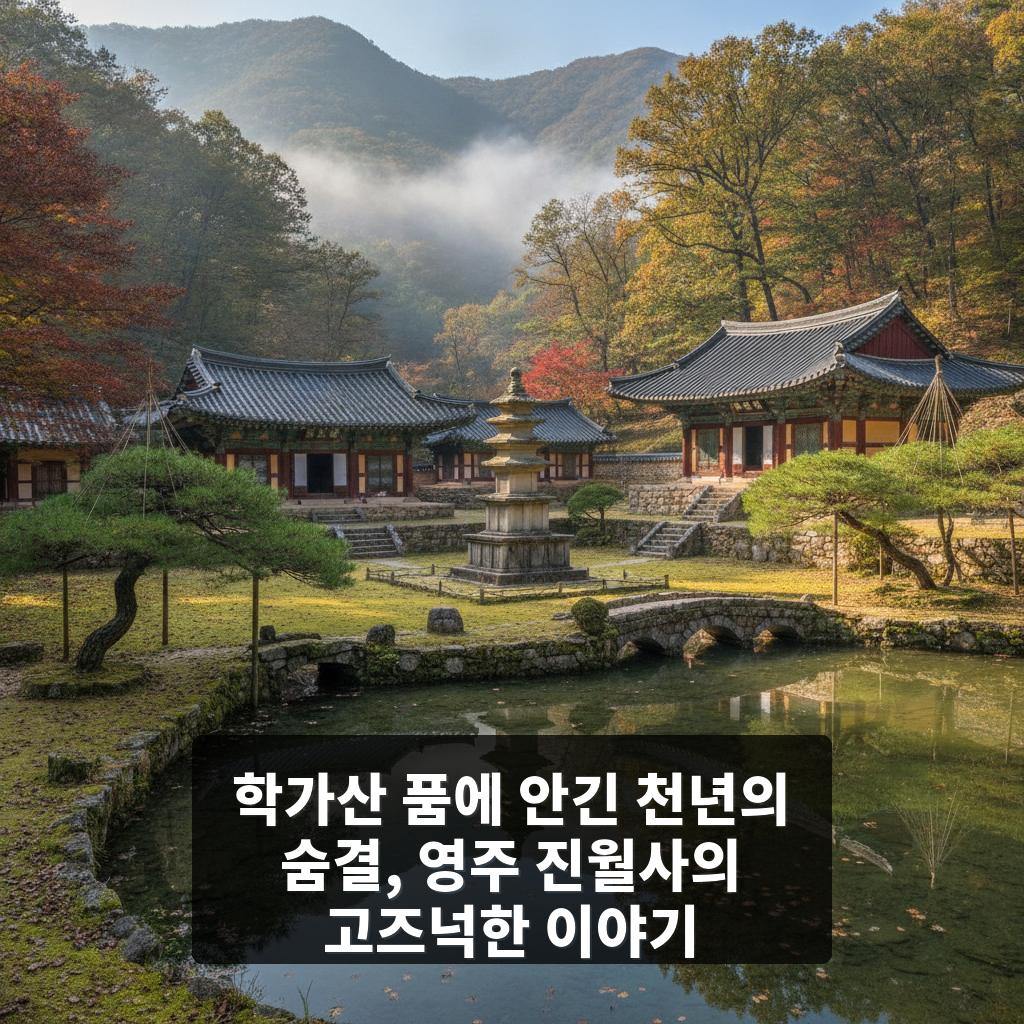
On a day when you want to forget the flow of time in a tranquil mountain temple, have you ever dreamed of an ancient temple hidden deep within Hakgasan, holding a thousand years of history? Jinwolsa (Yeongju), located on the border of Yeongju and Andong, is the hidden gem that will turn that dream into reality.
This place, said to have been founded by Uisang Daesa during the Silla King Munmu era, is situated in the highest area of Yeongju and boasts a magnificent landscape facing the Sobaeksan mountain range to the northwest and the Naeseongcheon stream winding below. Its name Jinwol (陳月) also embodies the interesting geographical background of this area, inviting us to a picturesque space created by nature and history, beyond a simple temple.
Moonlit Name, Footsteps of an Ancient Thousand-Year-Old Temple
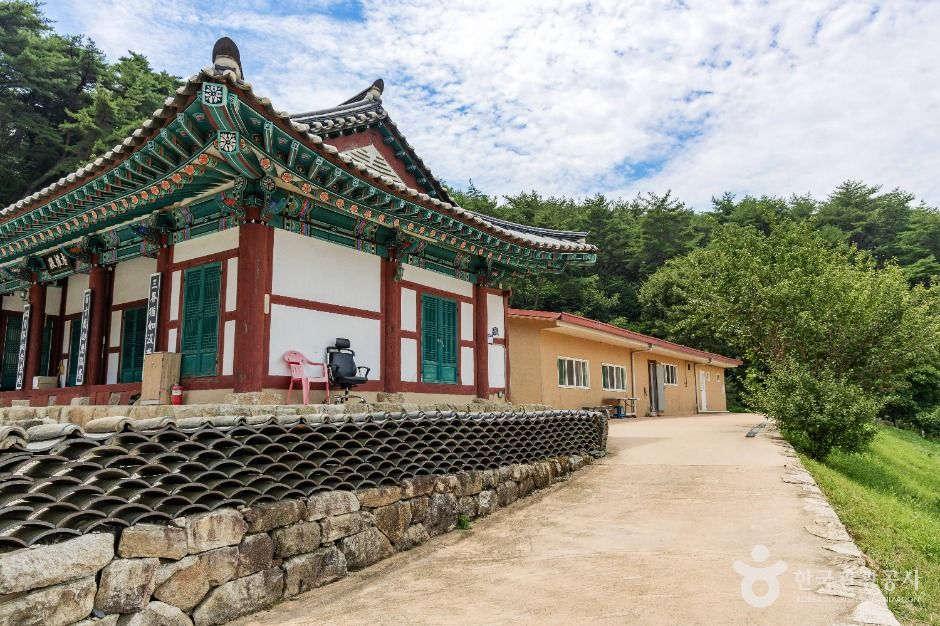
The history of Jinwolsa (Yeongju) dates back to the Silla King Munmu era (reign 661~681) and is said to have been founded by Uisang Daesa. This place, a branch temple of Gounsa, the head temple of the 16th district of the Jogye Order of Korean Buddhism, has silently guarded the foothills of Hakgasan for over a thousand years. Although traces of old buildings are hard to find, Muryangbojeon, Hyangnojeon, Simwonru, and charming monks’ quarters create a serene atmosphere.
The Landscape Hidden in the Name, The Origin of Jinwol (陳月)
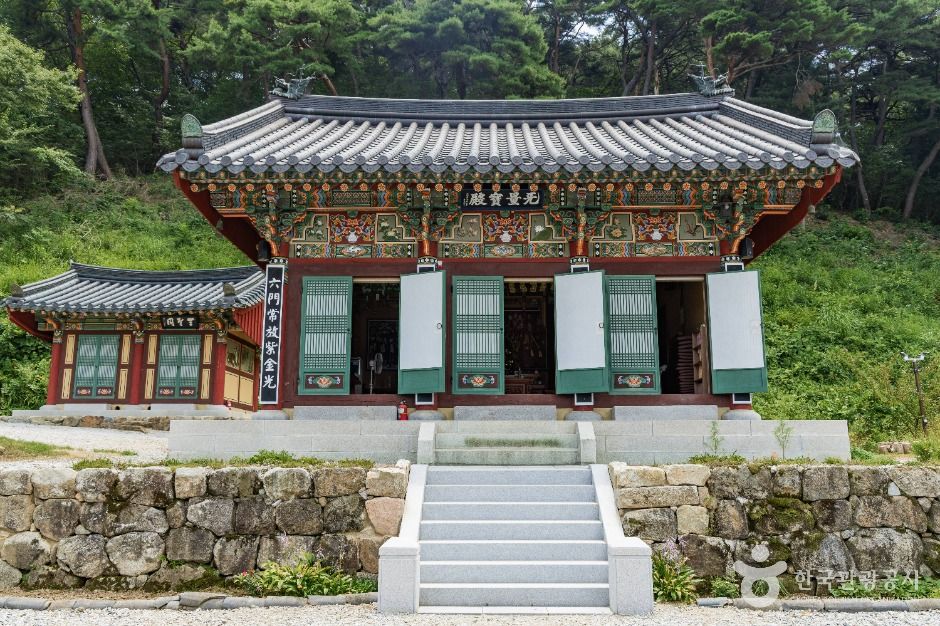
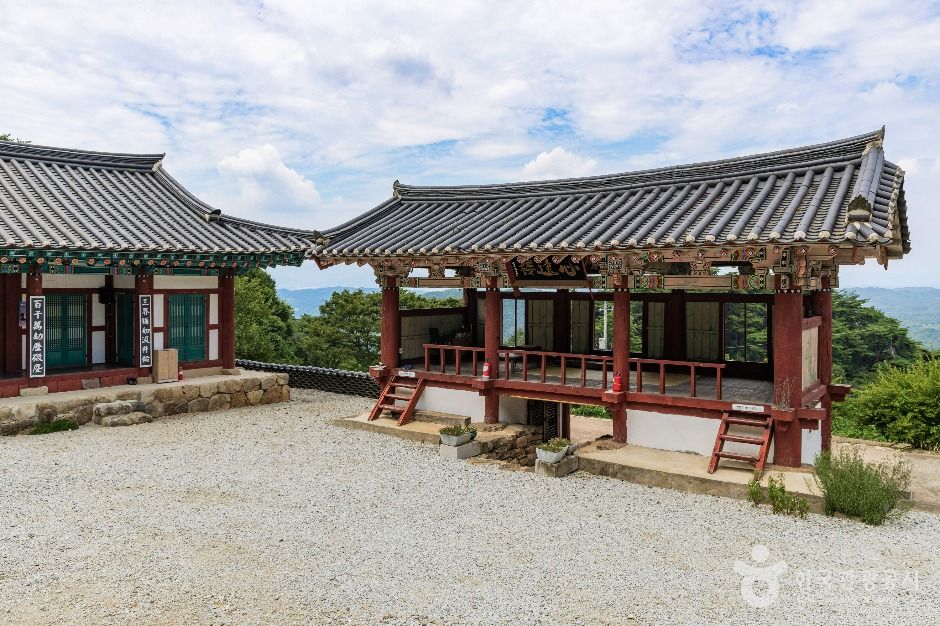
The temple name ‘Jinwol (陳月)’ has a deep connection with the unique place names of this area. Although the temple currently belongs to Yeongju City, it is said that Andong Woljeon-dong (月田) is its original village. This village, with its high-altitude basin topography, has a hill shaped like Banwol, and fields formed terraces around that hill, which is why it was called ‘Dalbat’ (Moon Field). It is from this ‘Dalbat’ that the temple name became Jinwolsa. The tranquil and mysterious atmosphere, as if moonlight lingers, begins with its name.
Panorama of Nature Unfolding in the Embrace of Sobaek
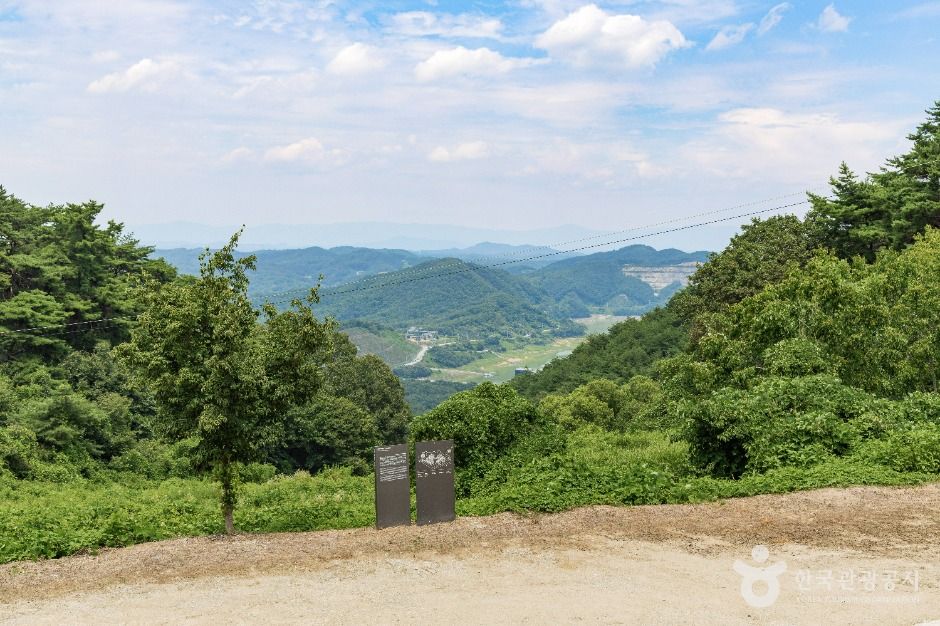
Jinwolsa, located at the foothills of Hakgasan, in the highest part of Yeongju, is itself the best observatory offered by nature. If you turn your gaze to the northwest, the magnificent Sobaeksan mountain range unfolds like a panorama, and below the temple, you can admire the spectacular view of the clear Naeseongcheon stream gently winding its way.
The Scenery and Tranquility Encountered at Jinwolsa
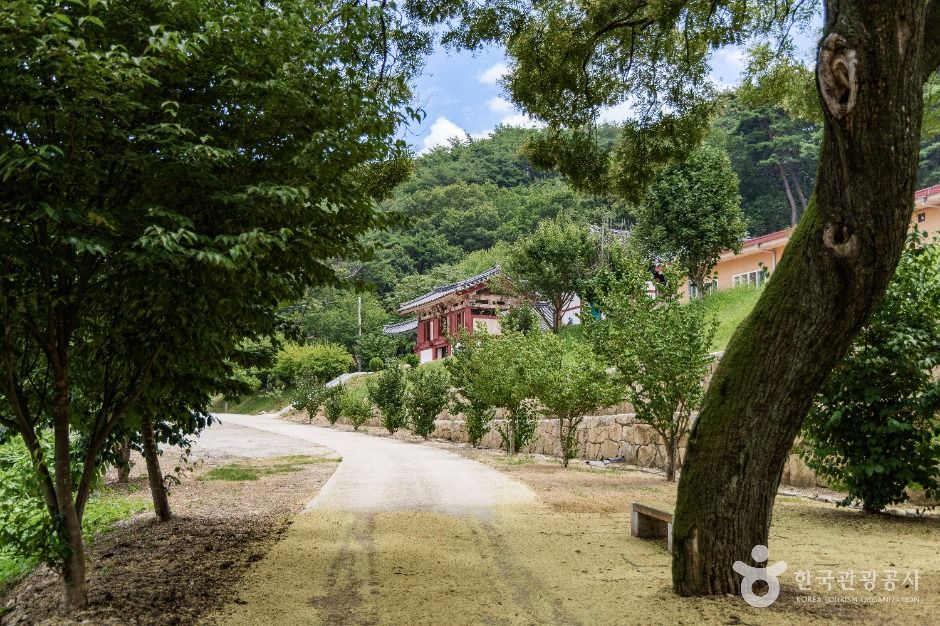
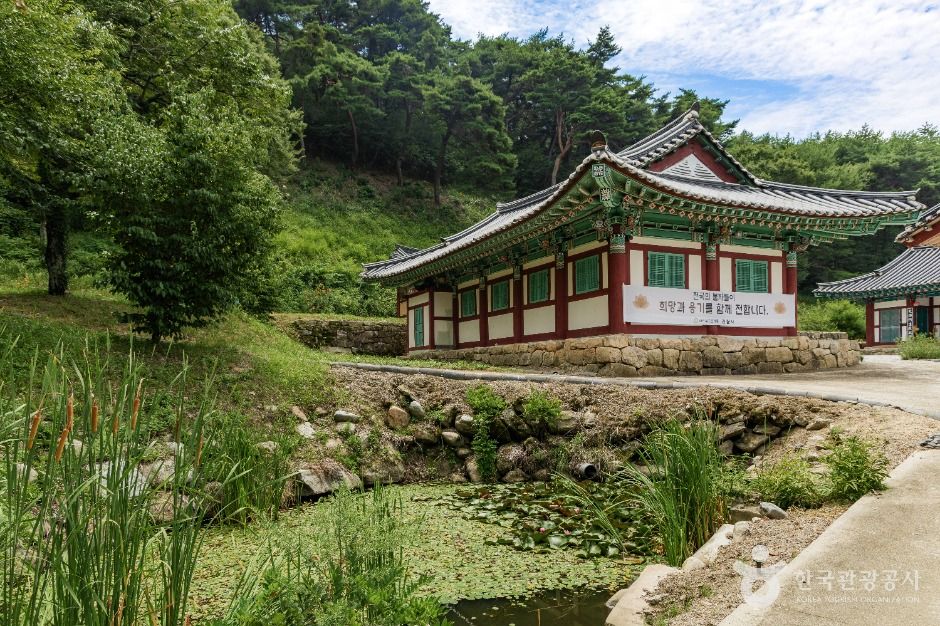
- Splendid View From the temple grounds, you can take in the beautiful ridges of Sobaeksan and the waters of Naeseongcheon at a glance.
- Peaceful Retreat In the tranquility where there are no disturbances other than the sound of birds and wind, you can find true rest.
- Cycle of Nature The scenery of Hakgasan, changing colorfully with each of the four seasons, harmonizes with Jinwolsa to create a spectacular view.
Steps Toward Jinwolsa, and Small Tips
The path to the tranquil Jinwolsa, embracing a thousand years of history, is a journey into nature itself.
Getting to Jinwolsa (Yeongju)
Jinwolsa (Yeongju) is located at the foothills of Hakgasan in Yonghyeol-ri, Pyeongeun-myeon, Yeongju City, and is situated on the border between Yeongju City and Andong City, making it easily accessible from both sides. We recommend using a private car, and please drive carefully as the road to the mountain temple can be a bit winding.
Tips for Visiting a Serene Mountain Temple
- Comfortable Attire Prepare comfortable shoes and clothing so you can easily explore the mountain paths and temple grounds.
- Maintain Silence As a temple is a place of practice, it is courteous to maintain quietness and refrain from loud noises during your visit.
- Protect Nature To maintain a clean environment, please take your trash with you and treat the surrounding nature with care.
- Careful Photography It is best to take photos quietly and carefully so as not to disturb other worshippers.
- Opening Hours Generally, visits are possible until sunset, and it is advisable to avoid late-hour visits.
Another Story Found at the Foothills of Hakgasan
While visiting Jinwolsa, exploring the beautiful surrounding nature and historical sites together will also make for good memories. Enjoy a forest bath at Hakgasan Recreational Forest or spend some leisurely time admiring the superb scenery around Yeongju Lake. Places where you can understand the local culture and nature, such as the Yeongju Dam Water Cultural Center, are also nearby.
Frequently Asked Questions
Q1. Is there an admission fee for Jinwolsa?
No, Jinwolsa (Yeongju) generally does not charge visitors a separate admission fee. You can freely enjoy the serene atmosphere of the mountain temple.
Q2. Are parking facilities available?
Yes, parking spaces for visitors are available near the entrance of Jinwolsa. However, please note that it might be a bit crowded on weekends or during specific periods.
Q3. Are there any places worth visiting near Jinwolsa?
Jinwolsa is located at the foothills of Hakgasan, so there are nature-related attractions nearby such as Hakgasan Recreational Forest or the National Forest Healing Center. You can also plan your trip in conjunction with Yeongju city center or Andong Hahoe Folk Village, etc.
Q4. Can I experience a temple stay at Jinwolsa?
Currently, there is no confirmed information that Jinwolsa operates an official temple stay program. It is most accurate to inquire directly with the temple before your visit.
Q5. Are there any religious obligations when visiting Jinwolsa?
Jinwolsa is an open space where anyone, regardless of religion, can freely visit and experience history and nature. There are no religious obligations, and it is recommended to maintain a quiet and respectful demeanor within the temple grounds.