
Jeonju Joangsa Embracing Time: Jinmukdaesa’s Spirit and a Message of Hope


Have you ever dreamed of a special place that steadfastly holds its ground amidst the twists and turns of history, embracing the footsteps of forgotten heroes? Today, we are going on a time-travel journey to Joangsa Temple, a treasure of Jeonbuk, the birthplace of the great Buddhist master Jinmukdaesa, and a beacon of hope for the people during turbulent times.
Beyond being a mere temple, this is a place where the noble spirit of a great monk and the hidden stories of modern Korean Buddhism live and breathe. Beneath the serene scenery, let’s open the doors of Joangsa Temple, where countless stories are condensed.
The Homeland Where Jinmukdaesa’s Spirit Resides: The Deep Meaning of Joangsa Temple
The name Joangsa Temple itself fully embodies the identity of this place. It was named after the character ‘Jo (祖)’ from Jinmukjosa and ‘Ang (仰)’ from admiration, carrying the deep meaning of ‘admiring Jinmukjosa’. This is the sacred land where Jinmukdaesa, a great star of the Buddhist community in the Jeonbuk region, was born, and it is the only temple built to honor him.
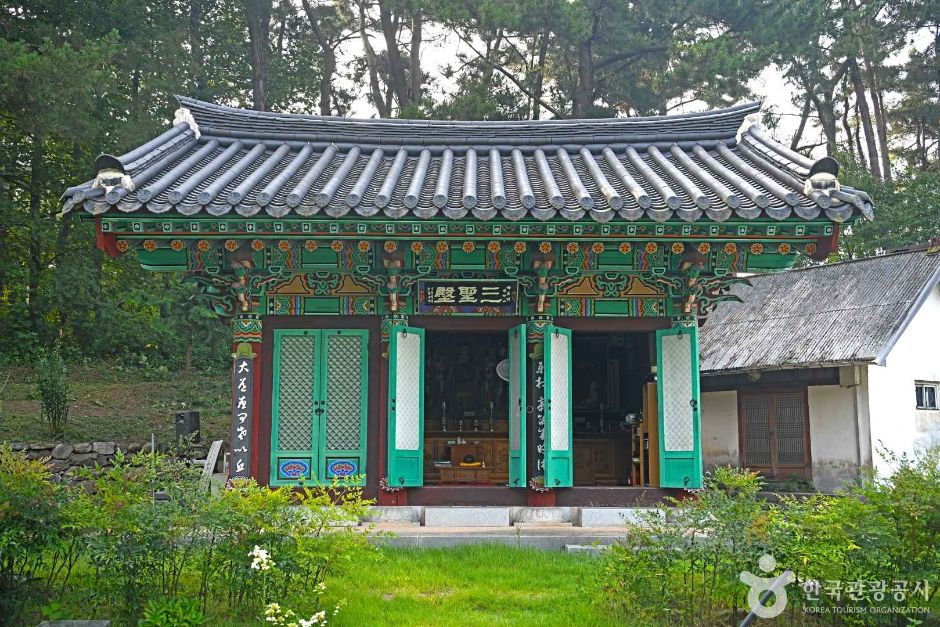
Upon entering the temple grounds, the Jinmukjosajeon shrine welcomes visitors. Here, not only the spirit tablet of Jinmukdaesa but also the portraits of his mother and sister who gave birth to him are enshrined together, allowing a glimpse into a noble spirit that transcends filial piety and family love. Beyond a simple religious space, it is a place that allows one to reflect on the greatness of an individual and the life stories surrounding him.
Joangsa Temple, What is the Meaning Behind Its Name?
- ‘Jo (祖)’: A character honoring the great beginning of Jinmukdaesa (Jinmukjosa)
- ‘Ang (仰)’: A deep heart of admiring and revering Jinmukdaesa
Special Spaces at Joangsa Temple
- Jinmukjosajeon Shrine: A place where the spirit tablet of Jinmukdaesa and the portraits of his mother and sister are enshrined together. It makes one reflect on the meaning of family.
- Seven-Story Stone Pagoda: The stone pagoda nestled in the serene temple grounds silently testifies to the passage of time.
- Bell Pavilion: A place that adds to the peaceful atmosphere of the temple and signals the start of Buddhist rituals.
Turbulent Times, Sowing Hope: Daehwagyo and Joangsa Temple
Klook.com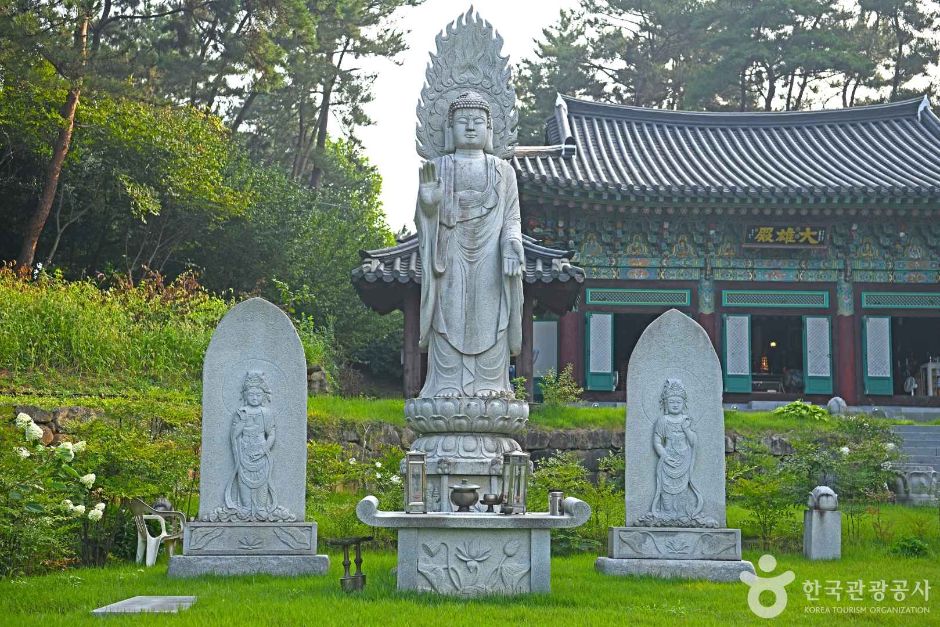
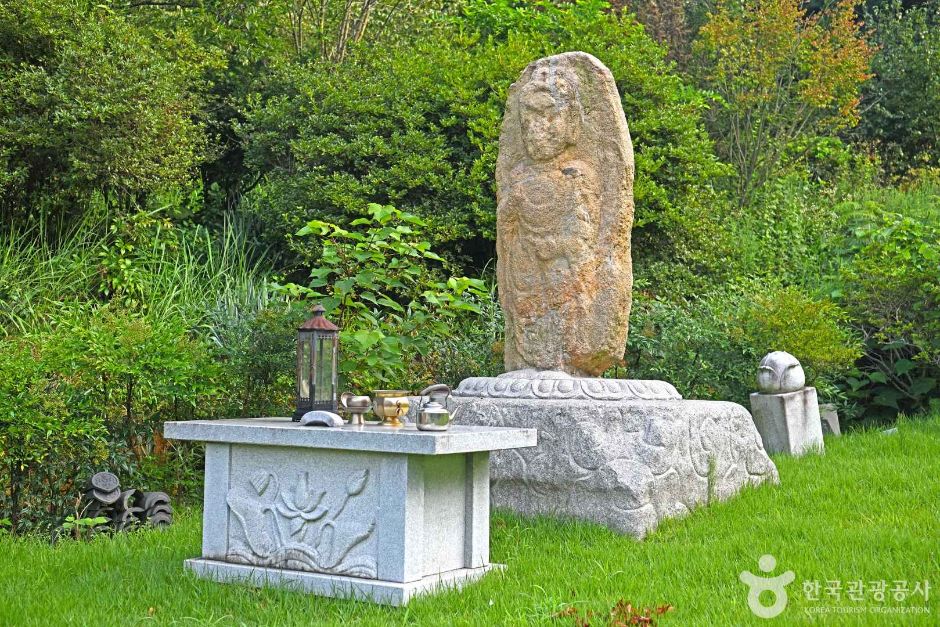
Joangsa Temple is more than just a temple dedicated to Jinmukdaesa; it marks an important chapter in the history of modern Korean Buddhism. Founded in 1915, it served as the headquarters and mission center of ‘Daehwagyo’ during the Japanese colonial period. At that time, it was a key hub for spreading the Maitreya Buddha faith, offering hope for the future to the suffering populace.
During the grim period, the role of Joangsa Temple, which provided comfort and a guiding light to the people, still resonates deeply today. This is also vivid evidence of how active the modern Korean Buddhist community was.
Following the Footsteps of Joangsa Temple: Major Cultural Assets
- Pogyomun Gate: An important document offering a glimpse into the activities of Daehwagyo at the time, it served as a channel for delivering hope to the populace.
- Buddhist Paintings: The Buddhist paintings created during that era fully encapsulate the faith and artistic characteristics of the period.
- Buddhist Pagoda: Enduring the currents of time and remaining a witness to history, the Buddhist pagoda tells the long history of Joangsa Temple.
A Walk Through Time: Architecture and Surroundings of Joangsa Temple
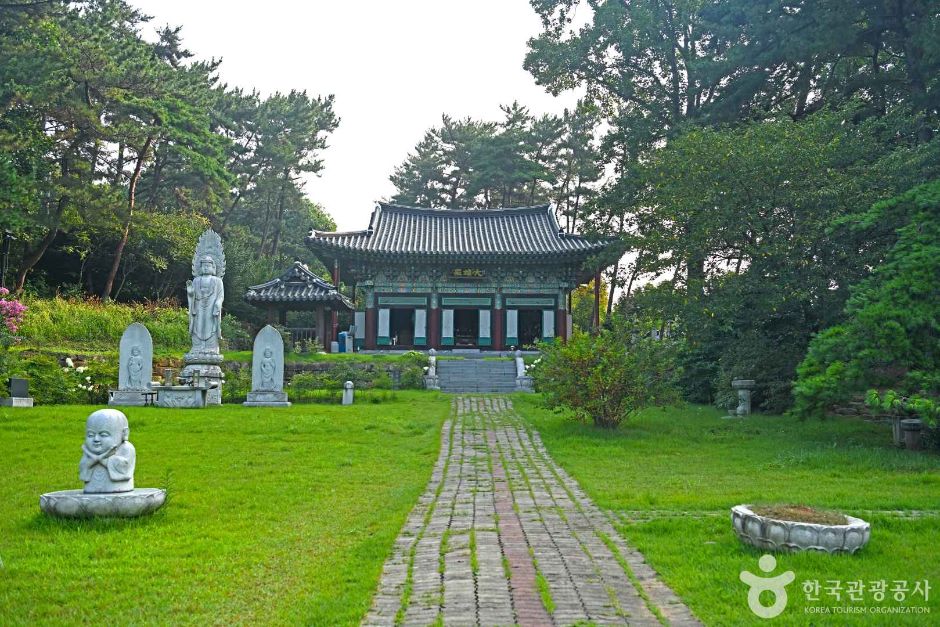
The history of Joangsa Temple can also be observed through changes in its architecture. When it was founded in 1915, there was only the Daeungjeon (Main Hall), but later, with the construction of living quarters (yosa), a seven-story stone pagoda, and a bell pavilion, it gradually expanded. Particularly in 1977, the previous Daeungjeon was dismantled and rebuilt, taking on its present form. Thus, Joangsa Temple has continuously changed and developed, carrying on its legacy.
Directions to Jeonju Joangsa Temple
Joangsa Temple is located in Wansan-gu, Jeonju-si, Jeollabuk-do. Nestled in tranquil nature, it is an ideal place to escape the hustle and bustle of the city and find peace. It is easily accessible by public transportation or private car, and visiting in conjunction with other historical sites nearby is also a good option.
Things to Remember When Visiting Joangsa Temple
- Maintain Silence: Temples are spaces for practice and meditation. Please walk quietly within the grounds and respect the calm atmosphere.
- Dress Code: It is recommended to visit in neat attire.
- Photography: Please refrain from taking photos inside the Buddhist shrines, and when photographing the exterior, be mindful not to disturb other visitors.
- Explore the Surroundings: There are many other charming historical and cultural sites around Joangsa Temple in Jeonju, so we recommend exploring them together.
Joangsa Temple, A Question Posed to Us Who Live in the Present
What does Joangsa Temple, the birthplace of Jinmukdaesa and a place that embraced the suffering of the people in modern times, tell us today? It reminds us of unchanging values amidst the flow of history: a heart that never loses hope and a warm gaze towards the community. Pause for a moment and take the time to gain your own enlightenment here at Joangsa Temple.
Frequently Asked Questions
Q1. What kind of place is Joangsa Temple?
Joangsa Temple is a temple built on the birthplace of Jinmukdaesa, a great monk in the Buddhist community. It was named with a heart of admiration and reverence for Jinmukdaesa, and it is a special place where his spirit tablet, as well as the portraits of his mother and sister, are enshrined.
Q2. When was Joangsa Temple founded?
Joangsa Temple was first founded in 1915. Initially, there was only the Daeungjeon (Main Hall), but later, various other halls and facilities were added, giving it its current appearance.
Q3. Why is Joangsa Temple important in modern history?
During the Japanese colonial period, Joangsa Temple served as the headquarters and mission center of Daehwagyo. It was an important base for spreading the Maitreya Buddha faith, offering hope to the suffering populace, and is evidence of the active role of the modern Korean Buddhist community.
Q4. What are the major cultural assets that can be seen at Joangsa Temple?
At Joangsa Temple, sacred cultural assets such as Pogyomun Gate, various Buddhist paintings, and Buddhist pagodas created during the modern period remain. These are valuable resources that offer a glimpse into the customs and beliefs of that era.
Q5. Where is Joangsa Temple located?
Joangsa Temple is located in Wansan-gu, Jeonju-si, Jeollabuk-do. It is a place where you can experience history and culture and find peace of mind in a tranquil atmosphere.
 Love Korea? Promote it & Earn.