
The unfulfilled wish of a dragon that could not ascend to heaven? A thousand-year-old legendary tale hidden in Andong Yuhasa.


A tranquil temple nestled deep in the foothills of Andong, Gyeongsangbuk-do, Yuhasa (Andong) holds an extraordinary legend from its very name. Have you ever heard the story that it originated from ‘Yongha (龍夏)’, meaning ‘the dragon actively moves in summer’? This small mountain temple, true to its name, holds a mysterious story that it was built to help a dragon (臥龍, Waryong) that was lying on the ground and could not ascend to heaven.
Yuhasa, quiet as if time has stopped amidst the magnificent nature of Waryong-myeon, is more than just a Buddhist temple; it is a space where local history and myths come alive. Since its founding by Bodhisattva Wolseon in 1897, countless people have found peace here and traced the footsteps of legends. Indeed, what other stories are hidden in this temple?
The Legend That Awakened the Sleeping Dragon, Yuhasa’s Deep Roots
The most interesting aspect of Yuhasa (Andong) is the legend contained in its name. According to the传说, the local place name Waryong (臥龍) literally means ‘lying dragon’, and it is said that this temple was built to help this dragon ascend to heaven when it could not. Therefore, the temple was named ‘Yuhasa (龍夏寺)’ to embody the spirit of the season when dragons (龍) are active, which is summer (夏). Thus, from its founding, Yuhasa has established itself as a special place that goes beyond simple religious meaning, combining the region’s geographical characteristics and cultural imagination.
The Genesis of Yuhasa: Bodhisattva Wolseon and the Connection to Gounsa
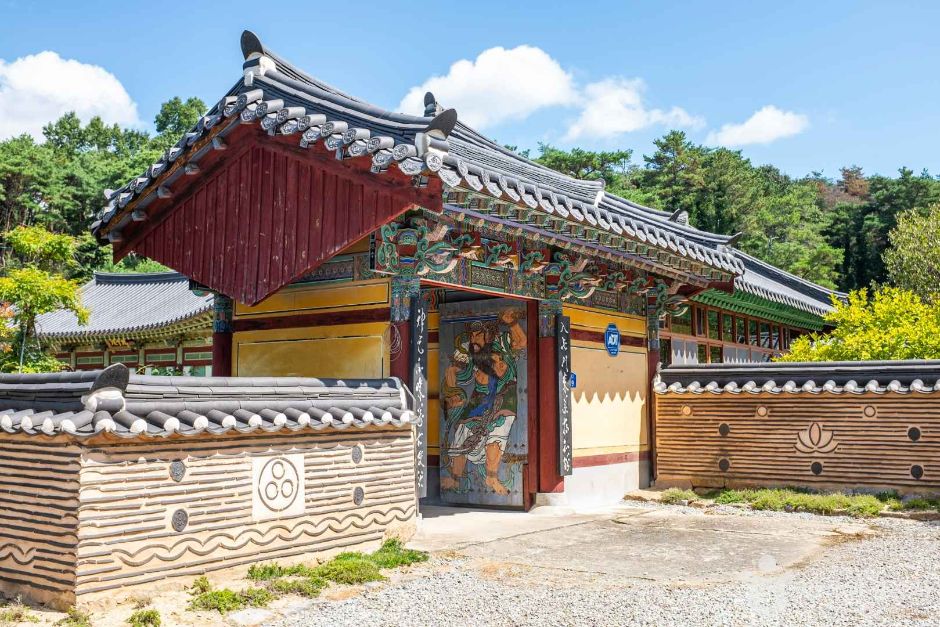
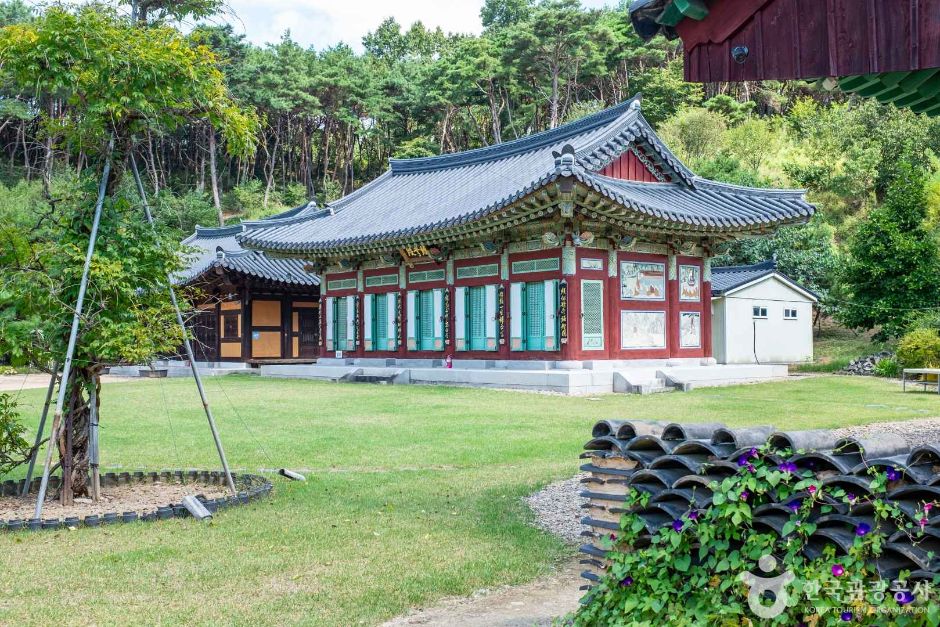
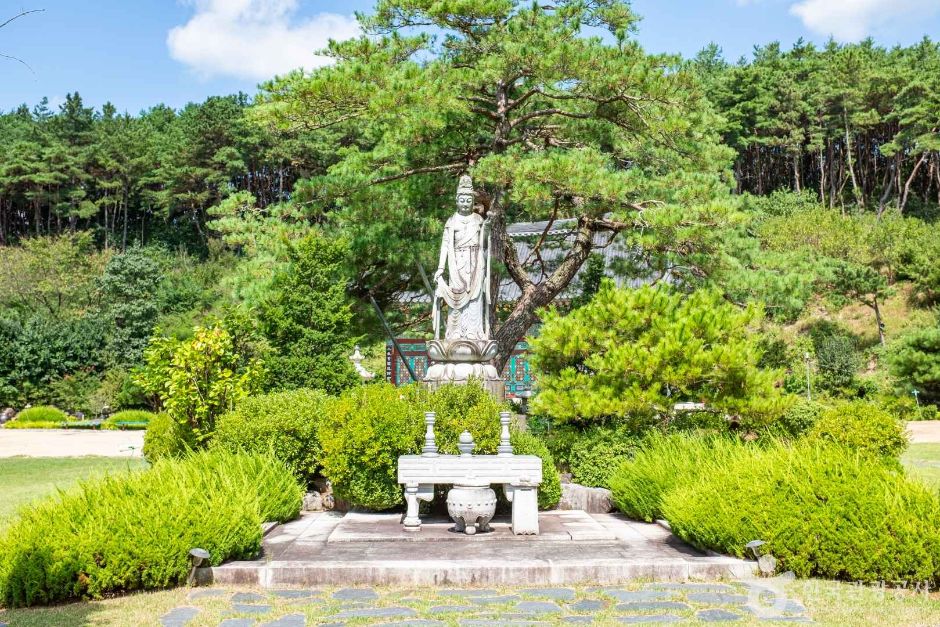
Yuhasa was founded in August 1897 by Bodhisattva Wolseon. It is currently registered as a branch temple of Gounsa, the head temple of the 16th district of the Jogye Order of Korean Buddhism, and is located approximately 40km from the head temple. This passage reveals the history of a small temple, started by one Bodhisattva, that has sustained the local Buddhist faith for a long time.
Tranquil Mountain Temple: Walking Through Yuhasa’s Main Halls
Although Yuhasa (Andong) is not large in scale, it embraces halls where Buddhist devotion and nature harmoniously blend within a cozy space. Each building, radiating sincerity, creates a tranquil atmosphere along with traces of a long history.
Spaces Embodying Yuhasa’s Buddhist Devotion
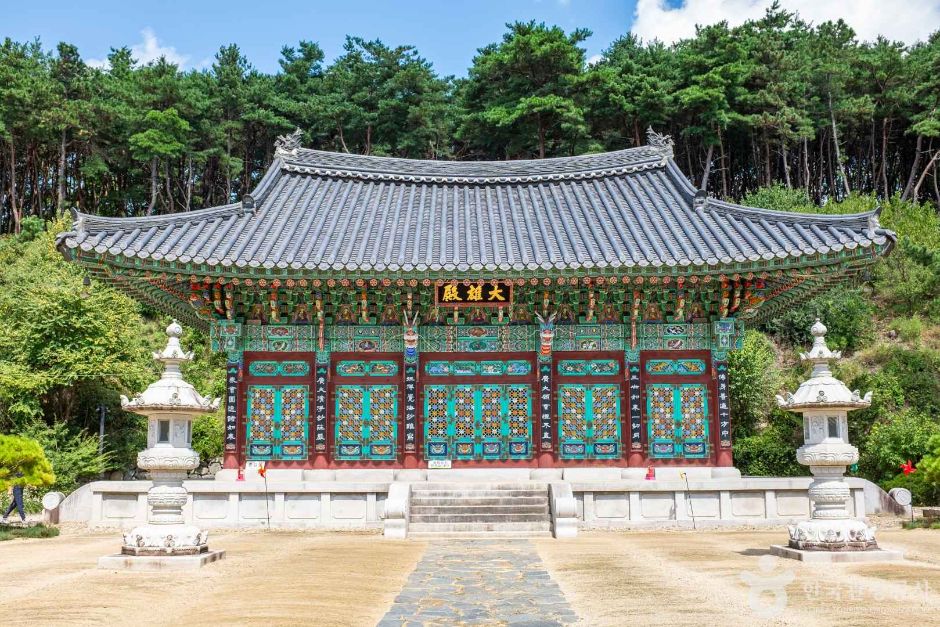
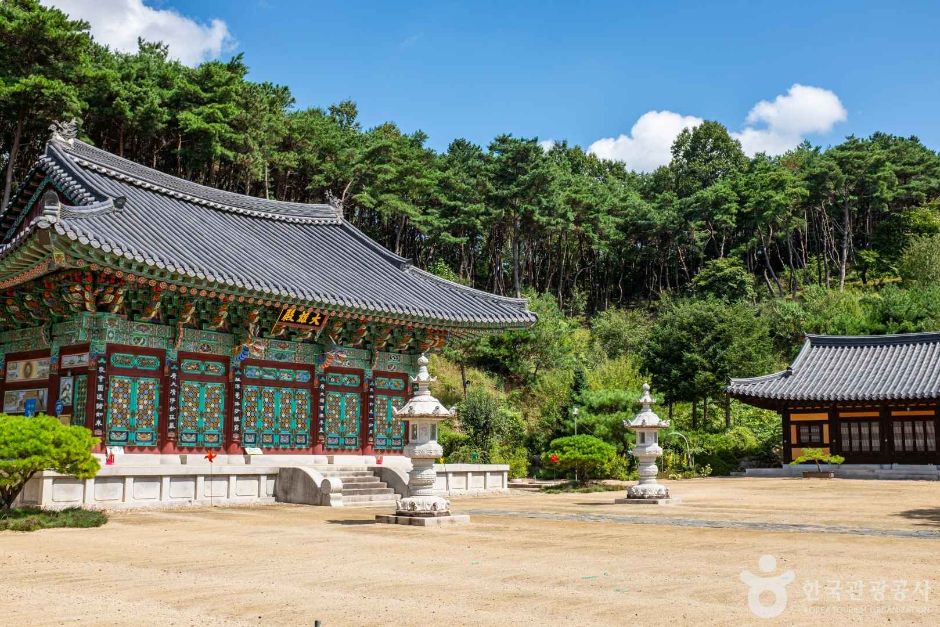
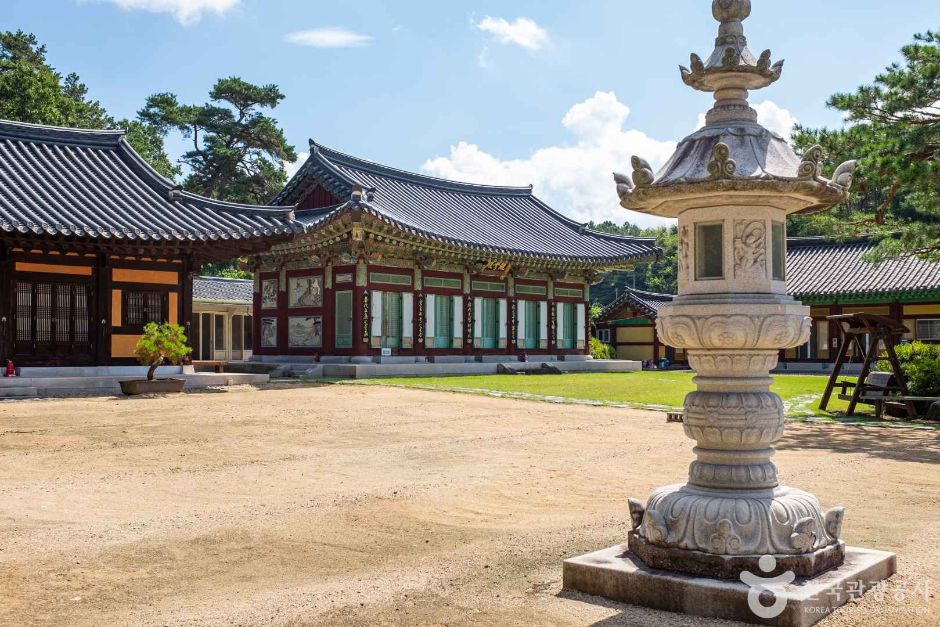
- Daeungjeon The main dharma hall of the temple, it is the most important space for enshrining Buddha and performing Buddhist rites.
- Yonghwajeon A hall enshrining the Maitreya Buddha, it contains the aspiration of waiting for the future Buddha.
- Haetalmun One of the gates leading into the temple, symbolizing the desire to escape worldly desires and reach enlightenment.
- Beopgihon Enshrining the Munsusaeng Bodhisattva painting, it is a space to pray for the blessings of Munsusaeng Bodhisattva, a symbol of wisdom.
- Yosachae The living quarters for monks and the space for managing the temple’s daily affairs.
Honoring the Spirit of the Founding: Memorial Stele and Stupa Stele
At the foot of the mountain at the temple entrance, the ‘Wolseon Bodhisattva Memorial Stele’ and the ‘Musim Daesa Stupa Stele’, honoring Bodhisattva Wolseon who founded Yuhasa, are erected. These steles attest to Yuhasa’s historical beginning, and silently convey the spirit of those who have protected the temple for a long time. They serve as important guides for visitors to deeply understand the story of Yuhasa’s founding.
Andong Yuhasa, A Journey into Tranquil Scenery
Yuhasa, located in Waryong-myeon, Andong, Gyeongsangbuk-do, is situated in a quiet and secluded place, making it perfect for escaping the busy daily life and finding true rest. The journey itself to Yuhasa, like stepping out of a bustling city and melting into nature, can be a healing experience.
Directions to Yuhasa & Nearby Map
Yuhasa takes approximately 30-40 minutes by car from Andong city center. When using public transportation, you may need to take a bus towards Waryong-myeon from Andong Intercity Bus Terminal and then walk after getting off, so using a private car is recommended. As you climb along the winding mountain road, you will gradually feel your mind calm down.
Which Season is Best to Visit?
| Season | Yuhasa’s Charm |
|---|---|
| Spring | It’s good for walking while enjoying the fresh energy of the mountain temple as new shoots sprout. Take a stroll along the flower-scented path. |
| Summer | Like the temple’s name suggests, with its active dragon energy, you can feel tranquility in the cool, lush forest. It’s good for escaping the heat under the shade of dense trees. |
| Autumn | Blends with the surrounding mountain scenery, colored by autumn leaves, offering a picturesque view. It’s a good season for contemplation. |
| Winter | The tranquil, snow-covered scenery of the mountain temple adds a mysterious charm. It’s good for enjoying quiet and calm meditation. |
After Visiting Yuhasa, Other Unmissable Stories in Andong
If you have found peace at Yuhasa (Andong), it’s time to explore Andong’s other charms. Andong is a city boasting a long history and traditional culture, and exploring it along with Yuhasa will provide an even richer travel experience.
Andong’s Attractions Worth Visiting Together
- Andong Hahoe Folk Village Korea’s representative traditional village designated as a UNESCO World Heritage site. The harmony of tranquil hanok houses and the Nakdonggang River is beautiful.
- Dosanseowon Confucian Academy A Confucian academy built to commemorate the scholarship and virtues of Joseon scholar Yi Hwang, where you can experience the essence of Korean Confucian culture.
- Woryeonggyo Bridge The longest wooden bridge in Korea, located over Andongho Lake, its night view is especially beautiful, making it popular as a date course for couples.
- Bongjeongsa Temple A UNESCO World Heritage temple that houses Geuknakjeon Hall, the oldest wooden building in Korea, boasting a profound history different from Yuhasa.
Yuhasa Travel Tips for Finding Legend and Peace
- Respect the Tranquility As Yuhasa is a place of practice, it is advisable to maintain a quiet and respectful attitude during your visit. Please refrain from loud conversations or boisterous behavior.
- Recall the Legend If you explore various parts of the temple while recalling the legend of Waryong associated with its name, you will experience an even more special impression. Use your imagination.
- Enjoy Nature to the Fullest Yuhasa, nestled in the mountains, boasts beautiful surrounding scenery. Take a moment to stop, listen to the sounds of nature, breathe in the fresh air, and truly relax.
- Prepare Comfortable Shoes It is advisable to wear comfortable shoes for moving around the temple or walking in the surrounding areas.
- Photos Quietly, Memories Lasting Longer It’s good to capture beautiful scenery in photos, but please be mindful not to disturb other worshippers, and focus more on seeing it with your own eyes and holding the memories in your heart.
Andong Yuhasa is more than just a temple; it is a precious space where legend and history come alive. How about enjoying the peace that Buddhist devotion and nature offer in this tranquil mountain temple, and listening to the inner voice you’ve forgotten amidst your busy daily life? This special experience will leave a deep impression on your heart.
Frequently Asked Questions
Q1. What denomination is Yuhasa?
Yuhasa is a temple belonging to the Jogye Order of Korean Buddhism, and it is a branch temple of Gounsa, the head temple of the 16th district. It preserves a long history and tradition.
Q2. Who founded Yuhasa, and when was it founded?
Yuhasa was founded in August 1897 by Bodhisattva Wolseon. At the foot of the mountain at the temple entrance, a memorial stele honoring Bodhisattva Wolseon is erected.
Q3. Does the name Yuhasa have a special meaning?
Yes, according to legend, it was built to help the Waryong (臥龍) who could not ascend to heaven, and was named ‘Yuhasa (龍夏寺)’ to embody the spirit of summer (夏), the season when dragons (龍) are active.
Q4. What are the main halls at Yuhasa?
There are Daeungjeon, Yonghwajeon, Haetalmun, Beopgihon (where the Munsusaeng Bodhisattva painting is enshrined), and Yosachae, among others. They are cozy yet spaces of deep Buddhist devotion.
Q5. What are some recommended places to visit near Yuhasa?
Andong’s representative attractions such as Andong Hahoe Folk Village, Dosanseowon Confucian Academy, Woryeonggyo Bridge, and Bongjeongsa Temple are good to visit along with Yuhasa. They will add depth to your trip with their distinct charms.