
As if time stands still, Andong Chehwajeong: The Secret of the Old House Where Fraternity Blossomed


What if a space encapsulates human emotions, especially one of the most sublime? Located in Andong, Gyeongsangbuk-do, Andong Chehwajeong is more than just a pavilion; it is a very special place built to honor deep brotherly love.
The moment you step inside, you can almost feel the warm hearts and wisdom of those who built this pavilion approximately 260 years ago, amidst its serene atmosphere. Today, let’s explore its hidden stories and the unique value that Andong Chehwajeong preserves.
Longing and Love Embedded in the Name
In 1761, scholar Yi Min-jeok built Andong Chehwajeong to honor his deep affection for his elder brother, Yi Min-jeong. The name ‘Chehwa’ is derived from ‘Sangchejihwa’ found in the ancient Chinese poetry collection 『Classic of Poetry』 (Shi Jing), signifying profound fraternal affection and harmony. As Yi Min-jeok spent his later years here with his brother, fostering their bond, the pavilion’s name itself represents its reason for existence and its greatest value.
Why did ‘Brotherly Love’ become the Motto of its Architecture?
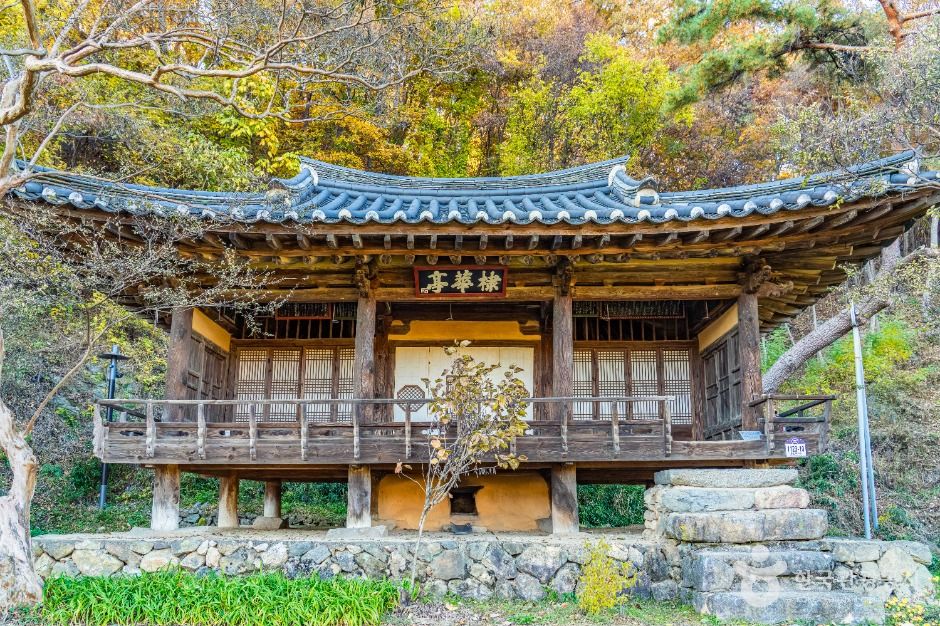
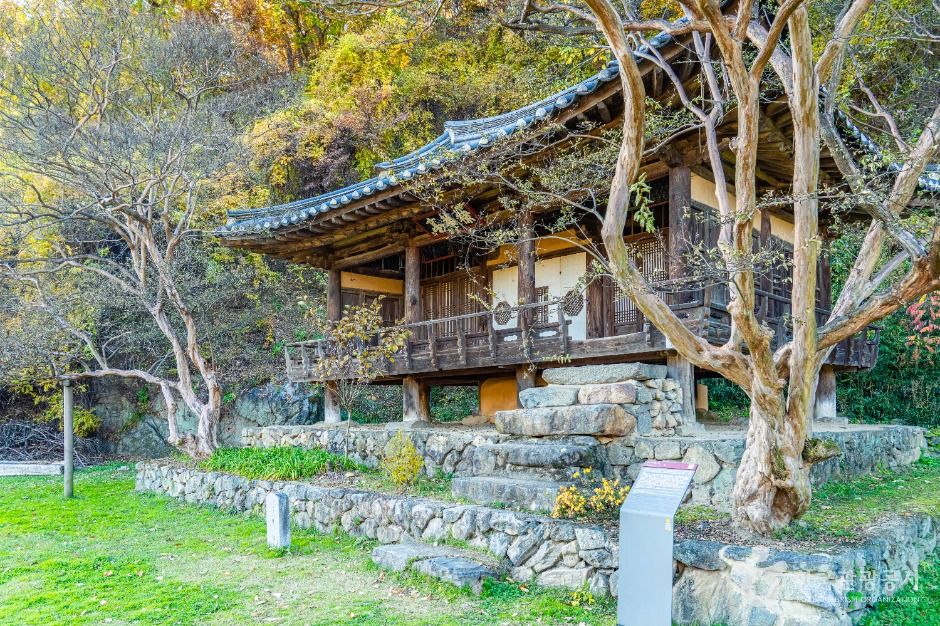
In late Joseon society, the bonds of family communities were extremely important. In particular, harmony among siblings was considered fundamental to the prosperity of the family, individual ethics, and ultimately, social stability. Andong Chehwajeong is a rare yet beautiful example where these period values and Confucian virtues are fully reflected in its architecture.
Ancestors’ Wise Consideration Permeating the Space
Andong Chehwajeong goes beyond merely beautiful aesthetics, with meticulous architectural considerations hidden throughout for its occupants. Its practical and wise design continues to evoke deep admiration today.
Interesting Architectural Details of Chehwajeong
Klook.com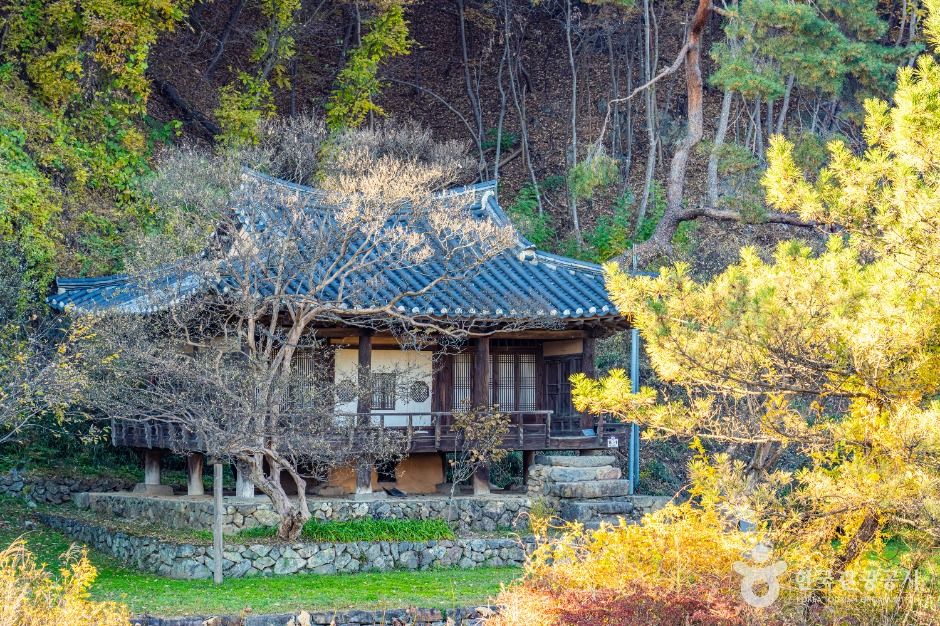
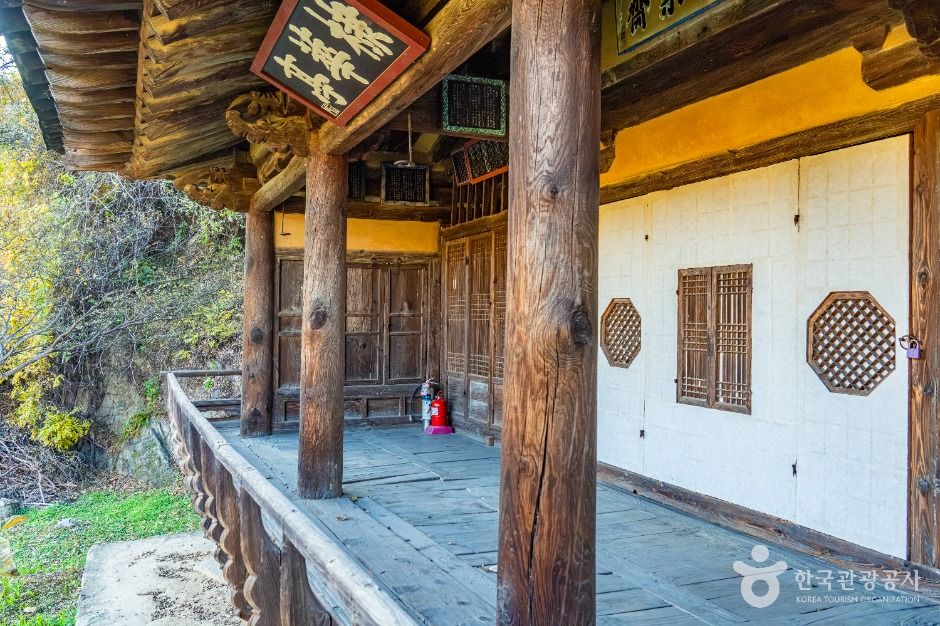
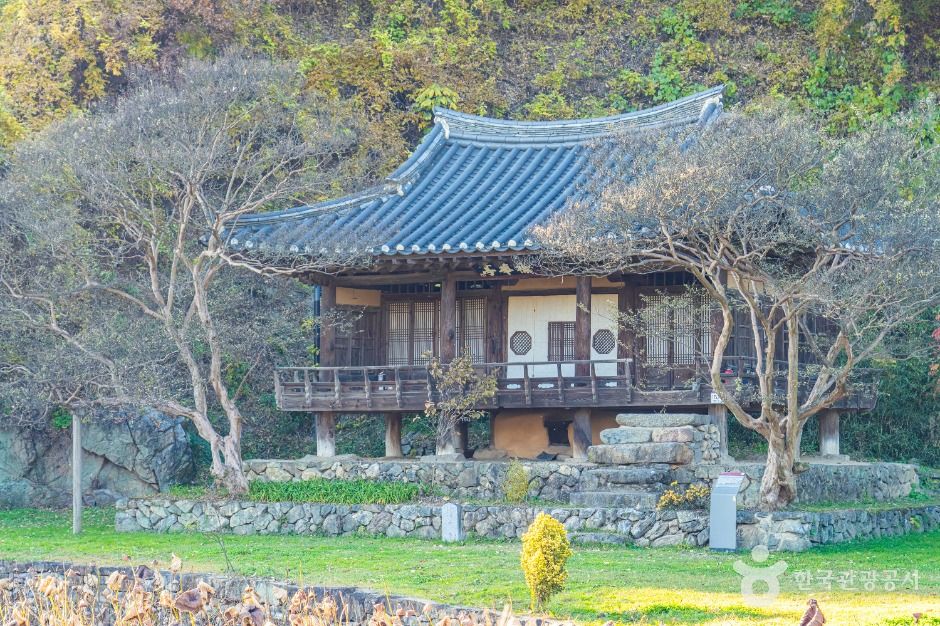
- Central Ondol Room and Flexible Space Centered around the ondol room, which prioritizes warmth, wooden-floored rooms are placed on either side. Between the ondol room and the wooden-floored rooms, ‘deulmun’ (lift-up doors) were installed, allowing the doors to be raised to expand the space as needed. Lifting all the doors of the ondol room fully opens the entire pavilion, maximizing interaction with nature, which is particularly impressive.
- “Nunkkopjjaegichang” Peeking Outside The small ‘nunkkopjjaegichang’ (peeking window) carved into the center of the ondol room door is a delicate feature that allows one to look out at the scenery without opening the door. This can be seen as a part deeply imbued with the sentiments of scholars (seonbi) who enjoyed contemplation and rest.
- Pond and Toetmaru Elevating the Pavilion’s Esteem In front of the pavilion is a rectangular pond, adding visual beauty along with feng shui significance. Additionally, the front toetmaru (veranda) is enclosed with railings, providing a sense of stability and a comfortable space to enjoy nature.
Traces of Master Calligraphers Spanning Eras
The plaques (hyeonpan) hung at Andong Chehwajeong are treasures with historical and artistic value in themselves. Through the calligraphy that embodies the spirit of the era’s greatest intellectuals and artists, one can feel the dignity of Chehwajeong even more deeply.
- Autographed Plaque by Master Yu Jeong-won In front of the pavilion hangs an autographed plaque by Yu Jeong-won, a scholar from Andong who was the teacher of Crown Prince Sado. His dignified and elegant calligraphy offers a glimpse into the spirit and artistic mastery of the intellectuals of that time.
- Kim Hong-do’s Work: ‘Damnakjae’ Plaque Remarkably, the ‘Damnakjae’ plaque hanging inside the pavilion is the work of Kim Hong-do, one of Joseon’s greatest painters and calligraphers. It contains the profound meaning that ‘only when fraternal affection is strong can one fulfill their true duty to their parents,’ thus more clearly illustrating the founding spirit of Andong Chehwajeong.
Andong Chehwajeong: How to Visit? (Location & Surroundings)
Would you like to personally visit Andong Chehwajeong, a place that holds serene beauty and deep stories? Here, we introduce its location information and attractive sights nearby.
Treasures of Andong Around Chehwajeong Not to Miss
| Place | Key Features | Visit Tip |
|---|---|---|
| Hahoe Folk Village | Traditional Korean village designated as a UNESCO World Heritage site | Experience traditional architecture and living culture, and enjoy a different scale of serenity compared to Chehwajeong. |
| Byeongsan Seowon | A scenic masterpiece of Korean seowon (Confucian academy) set against the Nakdonggang River | The harmony of the river and mountains viewed from Mandaeru is considered a highlight of Korean architectural aesthetics, offering beautiful scenery throughout all four seasons. |
| Buyongdae Cliff | An observatory offering a panoramic view of Hahoe Folk Village | You can enjoy the panoramic view of Hahoe Folk Village and imagine the scenery where ancient scholars (seonbi) lived in harmony with nature. |
Tips for a Deeper Experience at Chehwajeong
Things to Check Before Your Visit
- Learn the Historical Background in Advance Knowing the background of Chehwajeong’s construction and the meaning of ‘brotherly love’ beforehand will deepen your perspective and add more emotional resonance when viewing the pavilion.
- Observe Architectural Details Carefully observe even small details like the nunkkopjjaegichang, deulmun, and railings, and feel the wisdom of our ancestors, imbued with practicality and aesthetics.
- Reflect on the Meaning of the Plaques Appreciating the historical and artistic value of Yu Jeong-won’s and Kim Hong-do’s plaques will make for a richer cultural experience.
- Enjoy Seasonal Scenery Enjoy Chehwajeong’s scenery, which holds different charms in each season, such as summer with lush green leaves, autumn with colorful foliage, and winter with beautiful snowy landscapes.
Andong Chehwajeong is a space characterized by serene beauty and profound meaning rather than extravagance. Take a moment to pause your busy daily life and feel the wisdom of our ancestors and the human warmth embedded here. It will surely be a special experience that remains deep in your heart.
Frequently Asked Questions
Q1. Who built Andong Chehwajeong, and when?
Chehwajeong is a pavilion built in 1761 by Yi Min-jeok, a late Joseon scholar, in his later years to honor his strong bond of affection with his elder brother, Yi Min-jeong.
Q2. What does the name ‘Chehwa’ mean?
The name ‘Chehwa’ is an abbreviation of ‘Sangchejihwa’ from the ancient poetry collection 『Classic of Poetry』 (Shi Jing), symbolizing profound fraternal affection and harmony.
Q3. What special architectural elements can be seen at Chehwajeong?
Characteristic features include the structure with wooden-floored rooms on either side of the central ondol room, ‘deulmun’ (lift-up doors) for space expansion, ‘nunkkopjjaegichang’ (peeking windows) for looking outside, and the rectangular pond in front of the pavilion.
Q4. What master calligraphers’ writings are found on Chehwajeong’s plaques?
The plaque in front of the pavilion is attributed to Yu Jeong-won, the teacher of Crown Prince Sado, and the ‘Damnakjae’ plaque inside the pavilion is said to be by Kim Hong-do, Joseon’s greatest painter and calligrapher.
Q5. Where are good places to visit near Chehwajeong?
The UNESCO World Heritage site Hahoe Village, Byeongsan Seowon which is considered the pinnacle of Korean seowon architecture, and Buyongdae Cliff offering a panoramic view of Hahoe Folk Village are all nearby.
 Love Korea? Promote it & Earn.