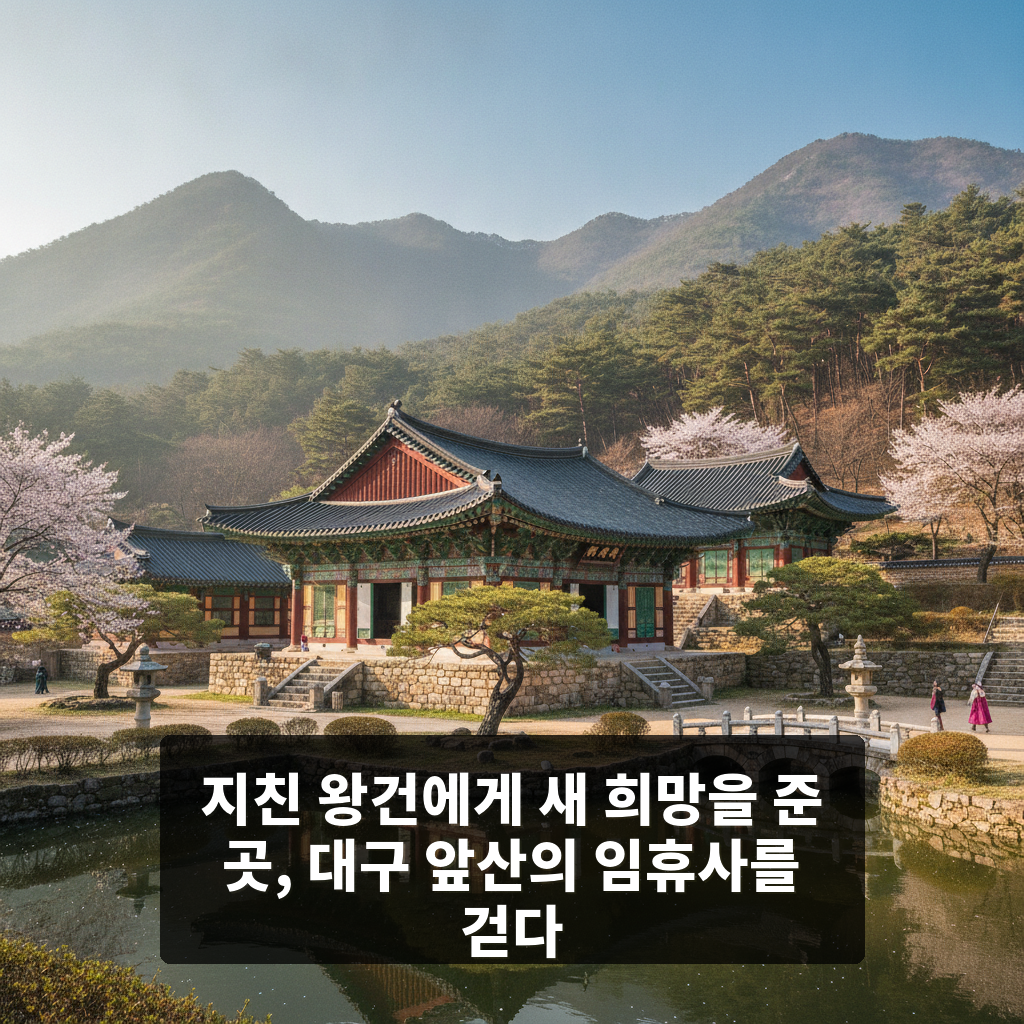
Walking Imhyusa in Daegu Apsan, the place that gave new hope to the tired Wang Geon


If there was a moment in the waves of history when a desperate choice by one individual changed the destiny of a nation, what would that place have looked like? The temple where Goryeo Founder Wang Geon, mentally and physically exhausted from successive defeats, rested for a while to prepare for a fresh start, is Imhyusa, quietly nestled in Daegu Apsan. As its name suggests, meaning ‘a temple where one rested temporarily,’ it is more than just a resting place; it is a historic patriotic Buddhist temple where a king composed his mind and laid the groundwork for a new leap forward.
Wang Geon, pushed into a defensive position, traveled between various temples such as Eunjeoksa and Anilsa on Apsan to seek a fresh start. It is said that the time he spent at Imhyusa, in particular, gave him the strength and wisdom to win on the battlefield again. Beyond a thousand years, shall we journey together into the interesting stories held within Imhyusa, which continues to offer a peaceful energy even today?
A Page in History, the Moment It Became Wang Geon’s Resting Place
There was a time when Goryeo Founder Wang Geon fell into despair after successive defeats in fierce battles against Gyeon Hwon of Hubaekje. He led his weary body to take refuge in the foothills of Apsan in Daegu, and it was in places like Imhyusa and other temples that he composed his mind and planned for the future. Here, Wang Geon relied on Buddhist faith to recover, laying a strong foundation that would later usher in a new era, ‘Goryeo’.
Temples on Apsan Imbued with Wang Geon’s Footsteps
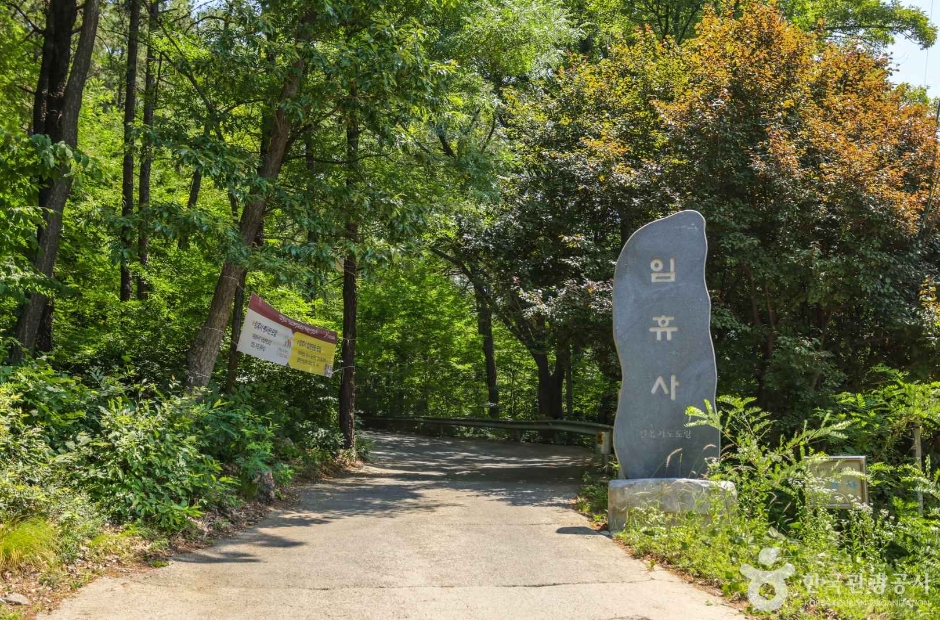
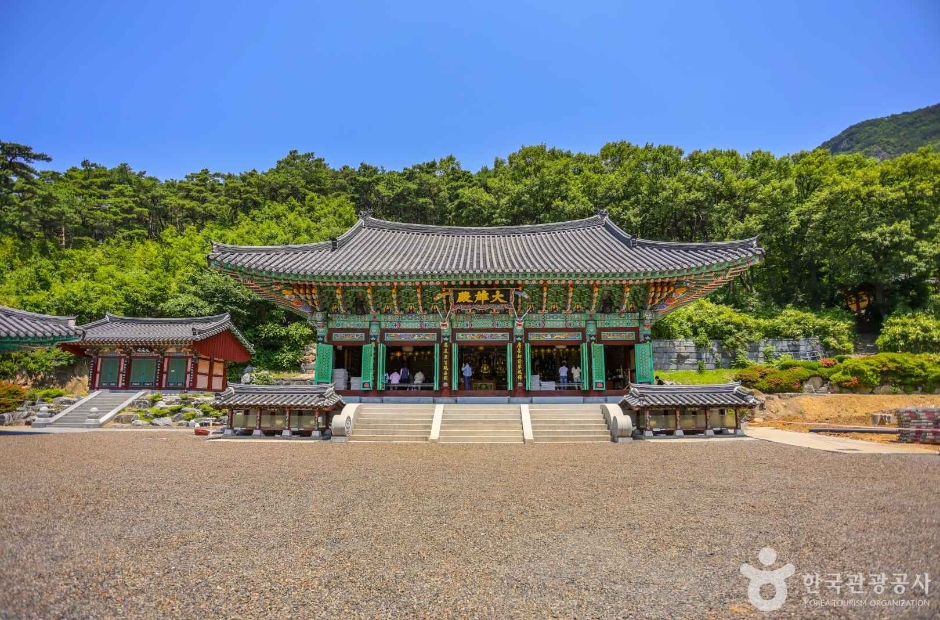
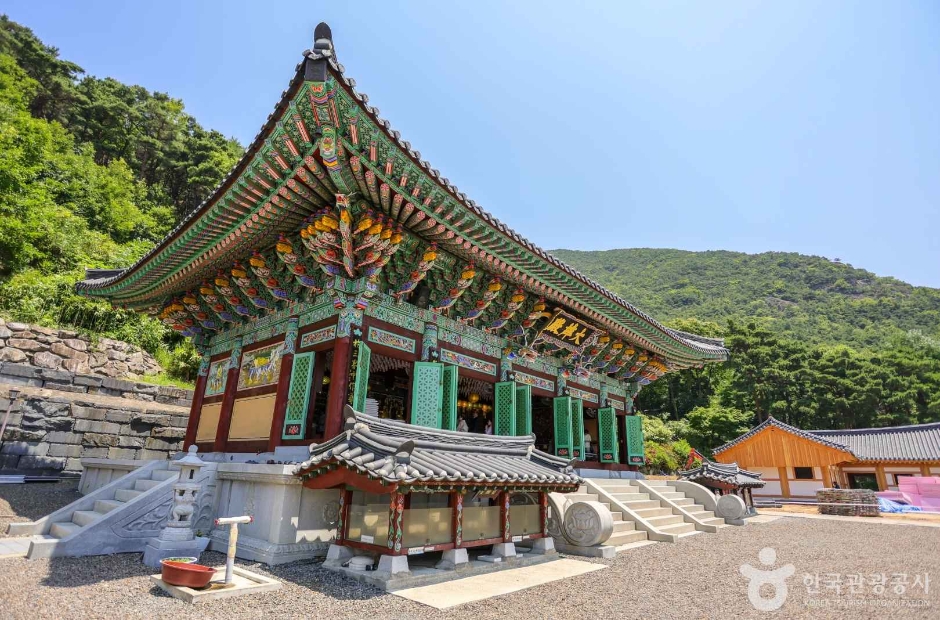
- Eunjeoksa A place where the legend says Wang Geon took refuge and hid his body, using the character ‘Eun’ (隱) meaning ‘to hide.’
- Anilsa This temple was named after Wang Geon gained peace of mind here.
- Imhyusa An important place where he rested for a while and sought a fresh start, providing Wang Geon with an opportunity for renewal.
Thus, Apsan is not just a mountain; it is a historical space where the story of Wang Geon breathes. Imhyusa, in particular, holds deeper value as the king’s temporary resting place and a sacred site where he prepared for a new beginning.
Quiet Comfort Blooming Over a Thousand Years: Imhyusa Today
Imhyusa, imbued with Wang Geon’s anguish and hope, continues to offer deep tranquility to visitors today. Although it is located on Apsan, close to Daegu city center, the interior of the temple is quiet and secluded, as if in another world. It is an excellent place to escape the city noise and spend time in nature for meditation and contemplation. Despite its modest size, the charmingly well-maintained temple buildings and courtyard possess a humble beauty.
Peaceful Scenery to Encounter at Imhyusa
Klook.com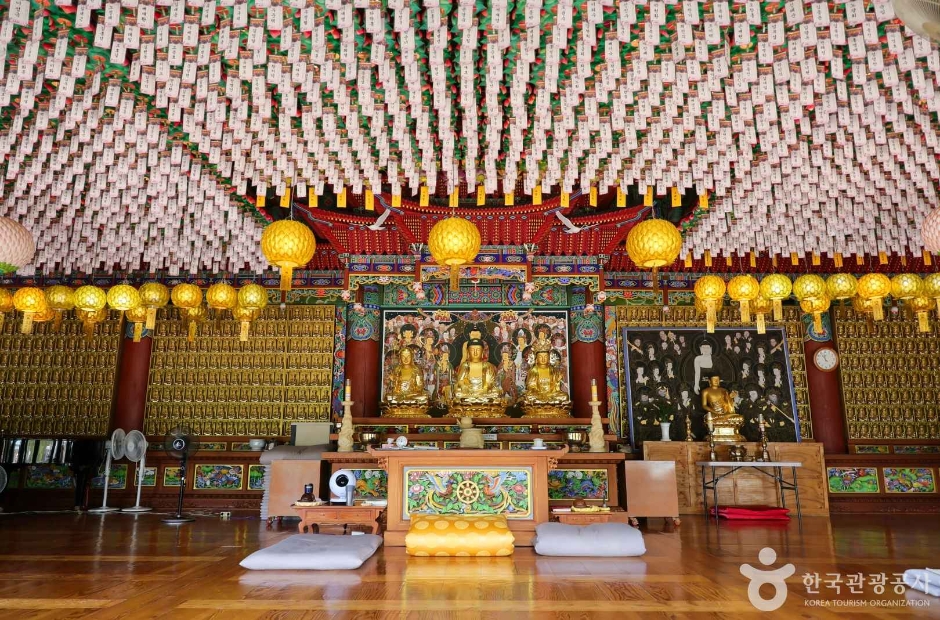
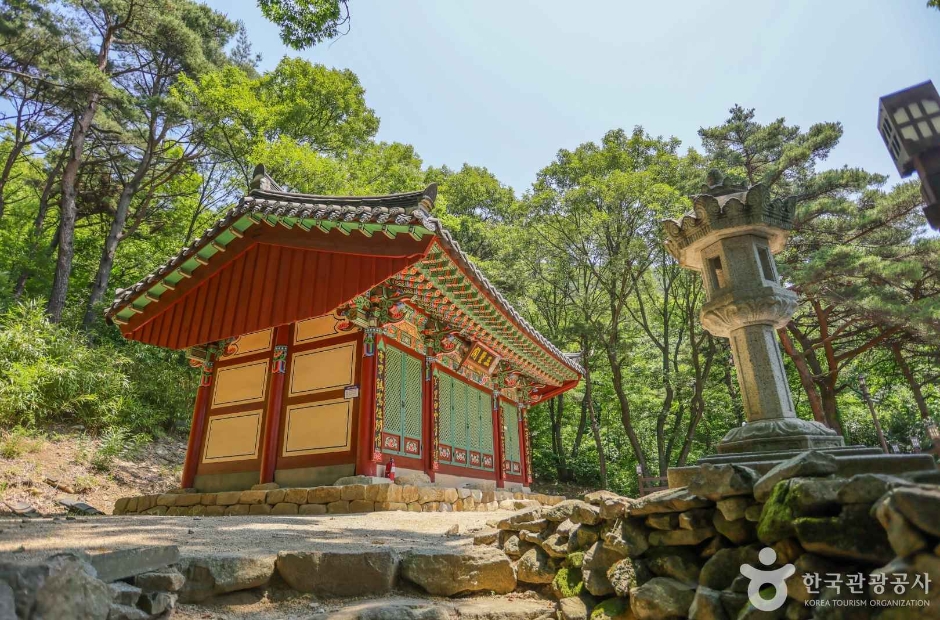
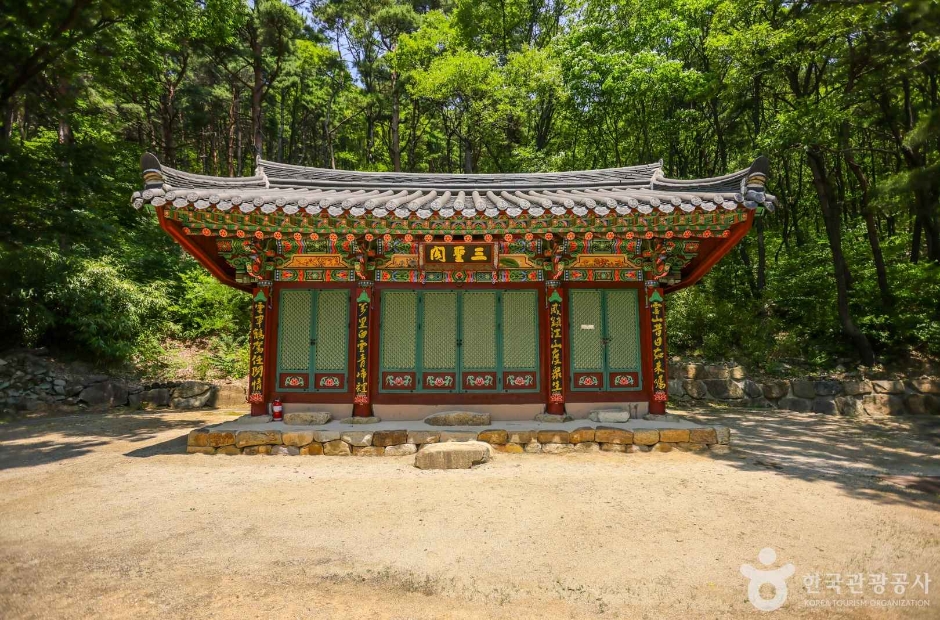
- Daeungjeon A space where you can feel the antique charm and the compassionate energy of Buddha.
- Temple Scenery The clear air and birdsong of Apsan harmonize to calm your mind.
- Historical Symbols You can reflect on history through information signs or steles that tell the story of Wang Geon.
Steps Connecting Apsan and Imhyusa, Nearby Attractions
If you visit Imhyusa, it is recommended to explore Apsan and its various attractions together. Apsan is a resting place for Daegu citizens and boasts beautiful natural scenery, offering various courses from light strolls to hiking. In particular, the panoramic view of Daegu city center from the Apsan Observatory is an unmissable sight. Imhyusa is located on Apsan in Nam-gu, Daegu, and it’s good to refer to the map below for its exact location.
Map: A map that allows you to identify the exact location of Imhyusa, located on Apsan in Nam-gu, Daegu. Check accessibility from Daegu city center and plan your optimal visit route. (Map link area to be automatically inserted)
Apsan Outing Checklist to Enjoy with Imhyusa
- Apsan Cable Car Comfortably ascend to the Apsan Observatory and take in Daegu city center at a glance.
- Apsan Park Stroll Enjoy nature by walking along the well-maintained paths or having a picnic.
- Apsan Restaurant Exploration There are many cafes and restaurants with a good atmosphere around Apsan, so don’t forget the culinary experience after your visit.
- Visit Anilsa and Eunjeoksa Follow Wang Geon’s story and visit other temples to complete your history tour.
Tranquil Imhyusa, Smart Visiting Tips
Imhyusa is a temple that can be visited freely without a special admission fee. However, as it is a sacred space, it is important to observe basic etiquette. Knowing a few tips before your visit can help you have a more meaningful time.
Things Good to Know Before Visiting
- Opening Hours Temples are usually open from sunrise to sunset, but it’s good to check specific times before your visit.
- Parking Information The temple’s own parking space may be limited, so consider using the Apsan Park parking lot and walking from there.
- Attire Comfortable and neat attire is recommended, and especially in summer, it’s useful to prepare insect repellent.
- Reverent Mind Inside the temple, it is necessary to avoid speaking loudly or running, and to be considerate of other visitors who are praying or meditating.
Imhyusa, where a thousand years of history breathes and Wang Geon’s presence touched. Stop here for a moment and take time to find wisdom and peace in life. Its tranquil scenery and stories will surely resonate deeply in your heart.
Frequently Asked Questions
Q1. What kind of place is Imhyusa?
Imhyusa is a historic temple located on Apsan in Daegu, known as the place where Goryeo Founder Wang Geon, mentally and physically exhausted during the war with Hubaekje, rested for a while and sought a fresh start. It means ‘a temple where one rested temporarily’ and is a historical place imbued with the story of Wang Geon.
Q2. Is there an admission fee to visit Imhyusa?
Imhyusa is a temple that anyone can visit freely without a separate admission fee. However, if there are special programs or experiences held within the temple, they may be operated for a fee, so it is good to check in advance.
Q3. Are there any other attractions nearby worth visiting with Imhyusa?
Yes, Imhyusa is located on Apsan in Daegu, making it good to explore along with various attractions such as Apsan Park, Apsan Observatory, and Apsan Cable Car. Also, it is worth visiting nearby temples such as Eunjeoksa and Anilsa, which are imbued with Wang Geon’s story.
Q4. Where should I park if I visit Imhyusa by car?
The temple’s own parking space may be limited. A large parking lot is provided at Apsan Park, so it is recommended to park there and walk to Imhyusa. Public transport is also convenient.
Q5. Can I see any special historical artifacts at Imhyusa?
While there are no direct artifacts clearly remaining related to Wang Geon at Imhyusa, you can indirectly feel the atmosphere and story of that era through information signs or steles explaining the temple’s history and Wang Geon’s story. The temple itself is a historical space containing Wang Geon’s anguish and hope.
 Love Korea? Promote it & Earn.