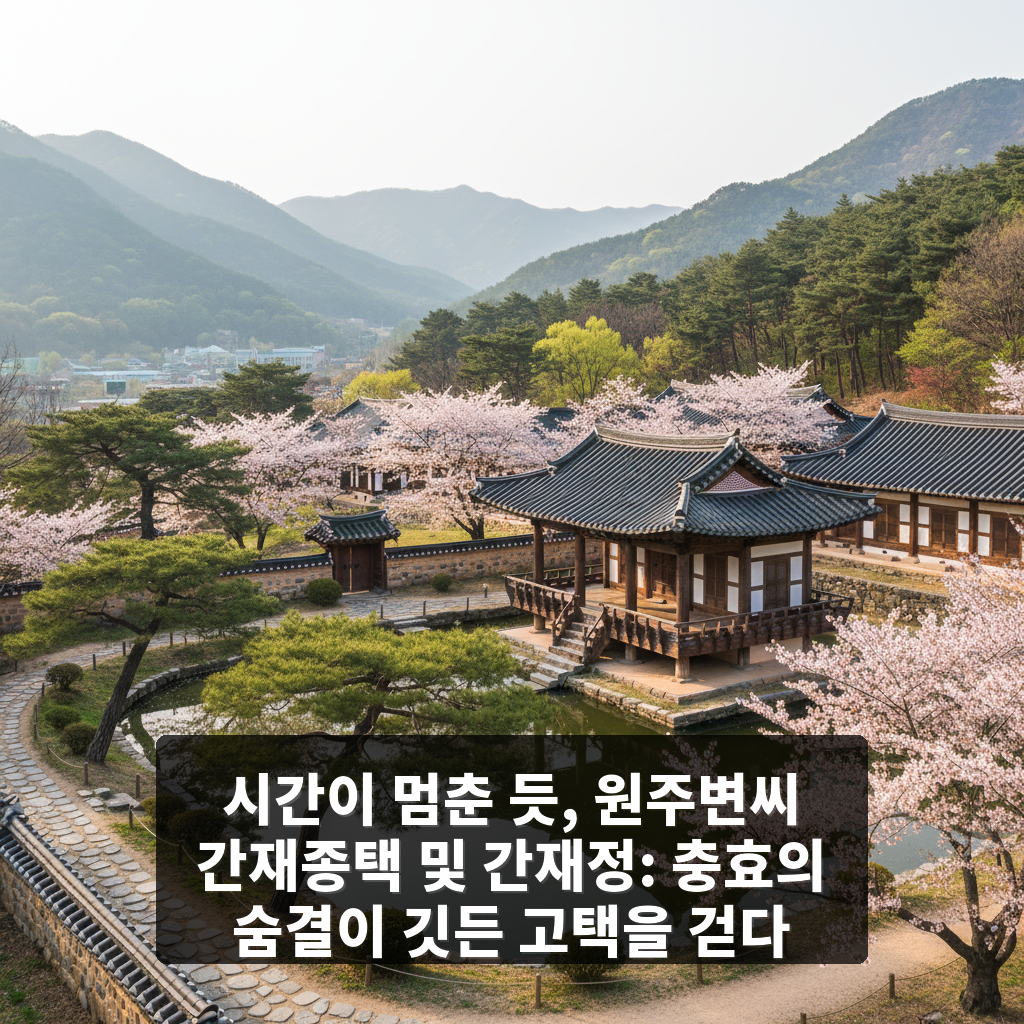
As if time has stopped, Wonjubyeon-ssi Ganjae Jongtaek and Ganjaejeong: Walking through a traditional house imbued with the spirit of loyalty and filial piety


In an era where countless old houses remain merely as old buildings, some old houses still breathe life, offering profound resonance to visitors. The secret lies in the history and spirit of the individuals embedded in each building. Today, we will embark on a journey through time to **Wonju Byeonssi Ganjaejongtaek and Ganjaejeong**, where the life and philosophy of Ganjae Byeon Jung-il, a scholar of the mid-Joseon period, are fully preserved.
Here, in a rapidly changing modern society, we can rediscover values that were momentarily forgotten, such as an upright scholarly spirit or unwavering filial piety. The wisdom of our ancestors, found throughout the centuries-old architecture, offers not just a legacy but also a great lesson for us living today.
This is not merely a building. It is like a living history textbook that vividly shows how the life and spirit of a noble family during the Joseon Dynasty harmonized with nature and continued, and how one individual’s spirit of loyalty and filial piety became an exemplary model for later generations.
Timeless Value: The Life and Legacy of Ganjae Byeon Jung-il
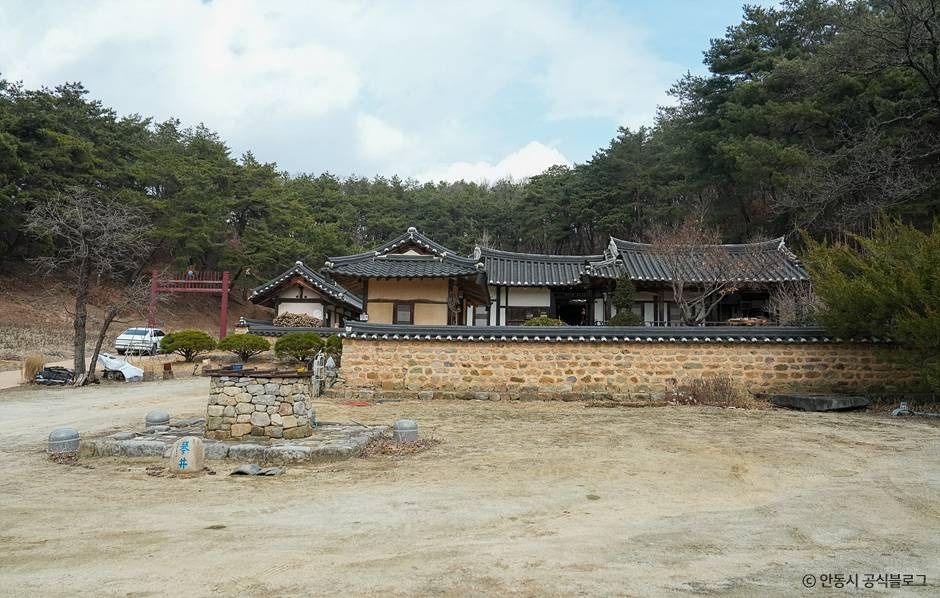
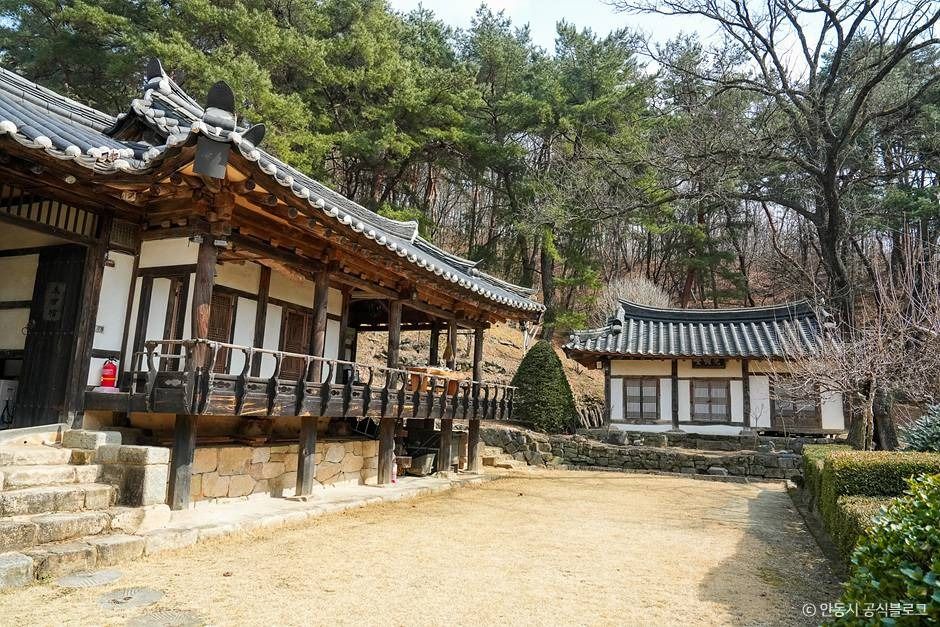
**Wonju Byeonssi Ganjaejongtaek and Ganjaejeong** are the head family house and pavilion of Ganjae (簡齋) Byeon Jung-il (邊中一, 1575~1660), a scholar of the mid-Joseon period. From a young age, he was deeply filial, and during the Imjin War, he served under General Gwak Jae-u, dedicating himself to overcoming the national crisis, showing his unwavering loyalty to the country. This noble spirit of his became a great example for later generations.
Loyalty and Filial Piety, Walking a Single Path
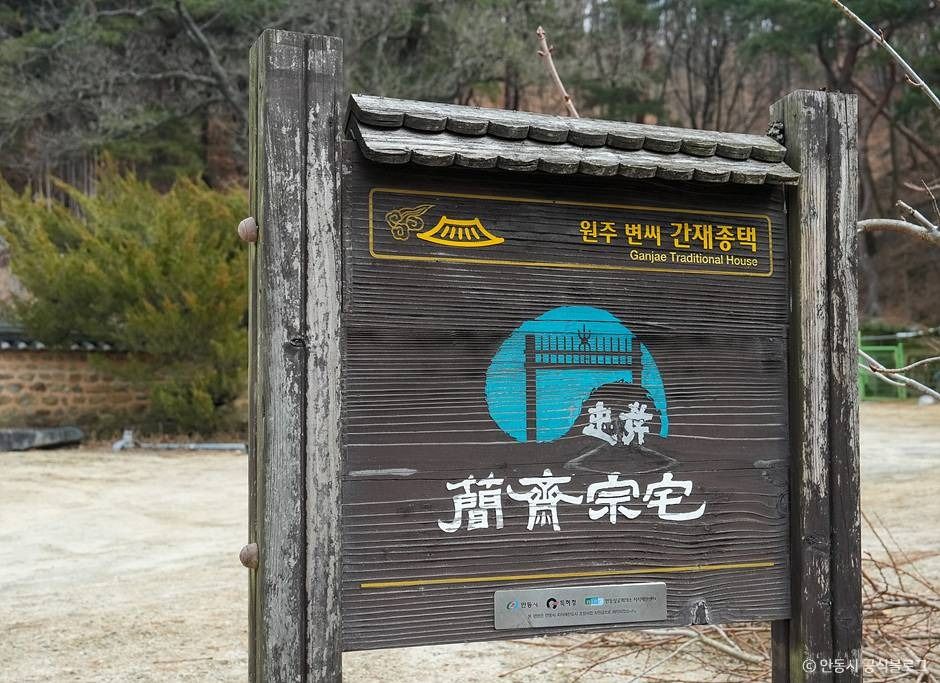
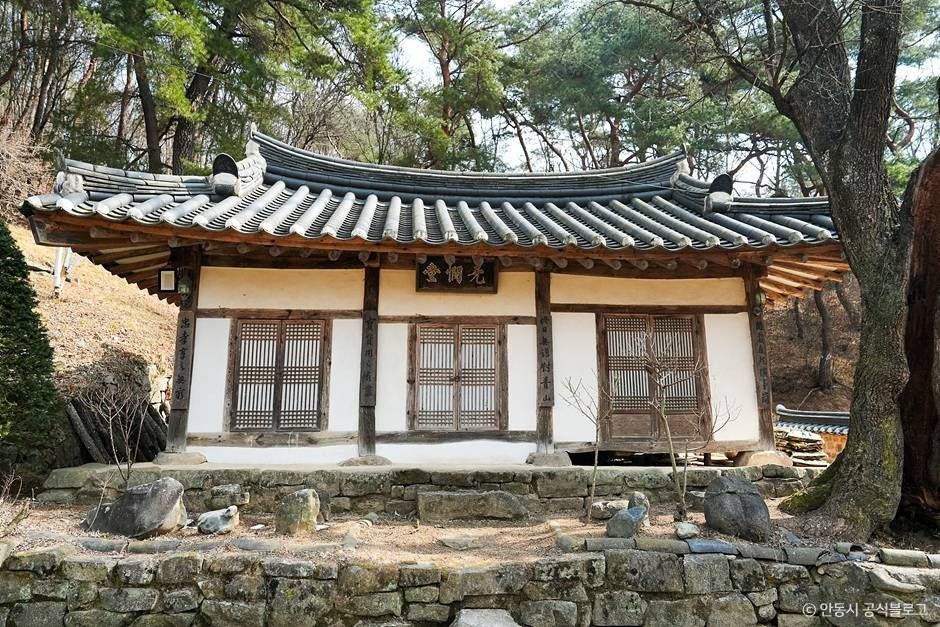
- An Example of Filial Piety He was praised by all villagers for his profound filial devotion to his parents.
- Key Figure in Overcoming National Crisis During the outbreak of the Imjin War, he actively participated in righteous army activities, contributing to the defense of the nation.
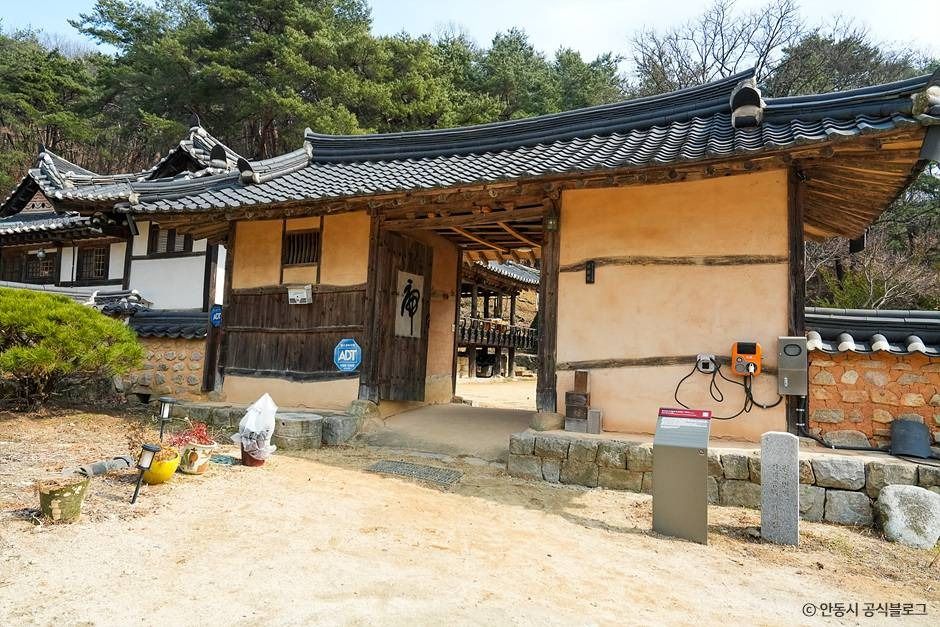
- Special Commendation Gate In 1686 (the 12th year of King Sukjong’s reign), the nation specially bestowed the Jeongchunghyogak (旌忠孝閣) upon him, which is a very rare case for an individual to receive a commendation gate for both loyalty and filial piety.
The story of Ganjae is not merely about honoring a great figure from the past; it makes us rethink what human values we should pursue today. His life was filled with unwavering principles and uncompromising practice.
Architectural Aesthetics Forged by Nature and People: The Essence of a Noble Family’s Space
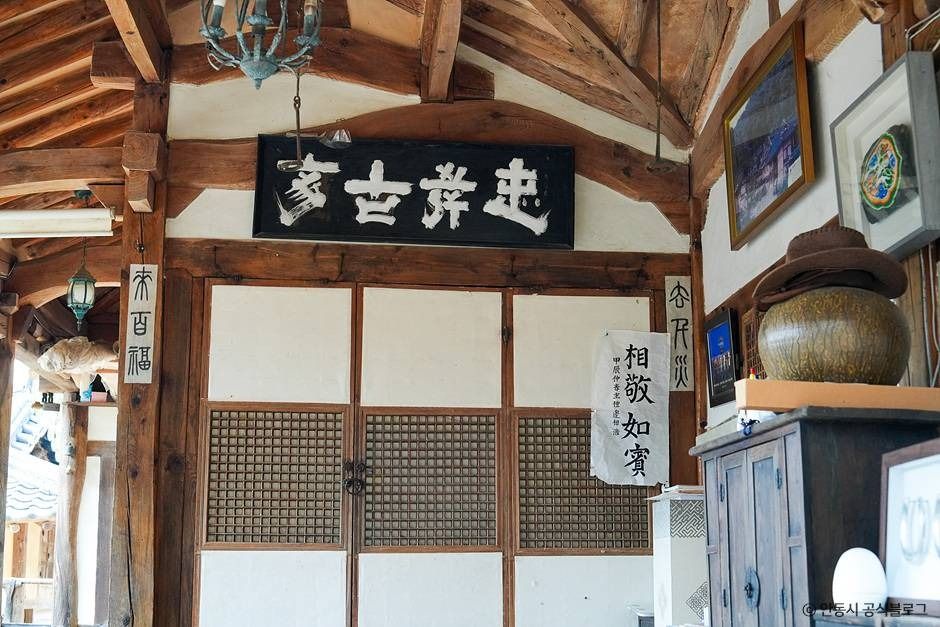
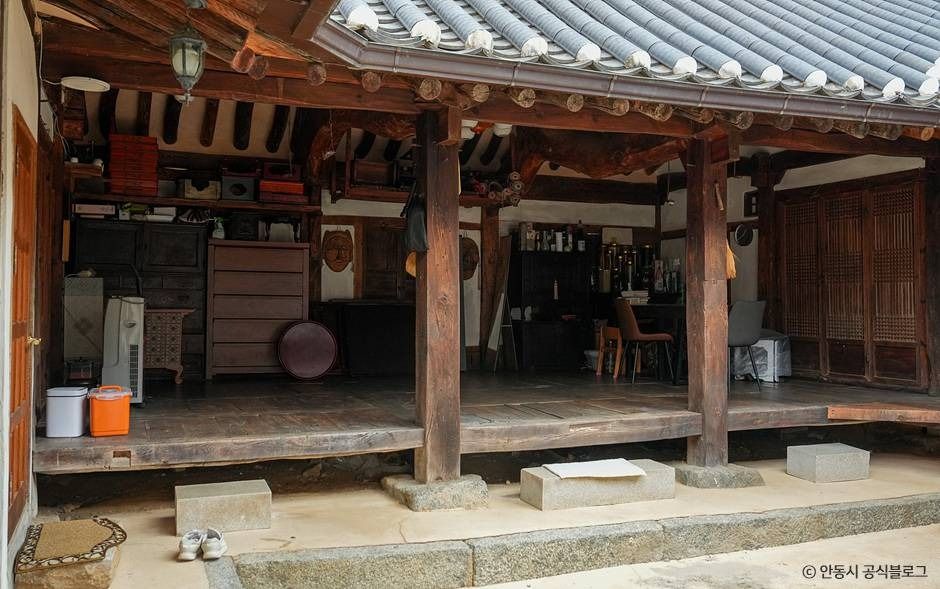
**Wonju Byeonssi Ganjaejongtaek and Ganjaejeong** hold special value even in their architecture Form. The exact construction date of the head family house is unknown, but it is presumed to have been built after the Muo Sahwa (戊午士禍, 1498), as brothers Byeon Hui-ye and Byeon Hui-ri settled in Geumgye immediately after. The current architectural style primarily reflects characteristics from around the 19th century, fully embodying the dignity and scale of a head family’s residence.
The Wisdom of a Noble Family Permeating a Mountain Valley
Klook.com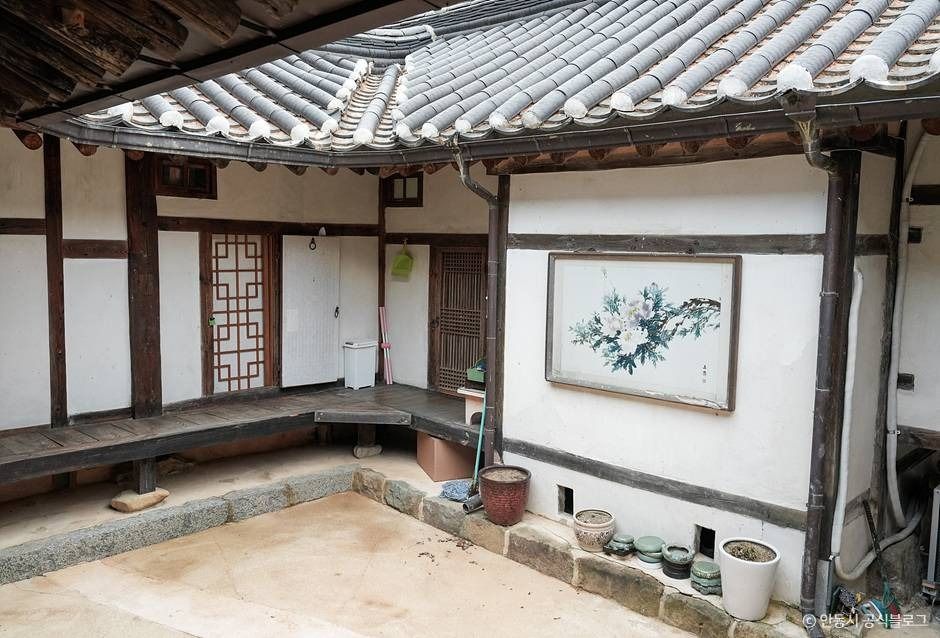
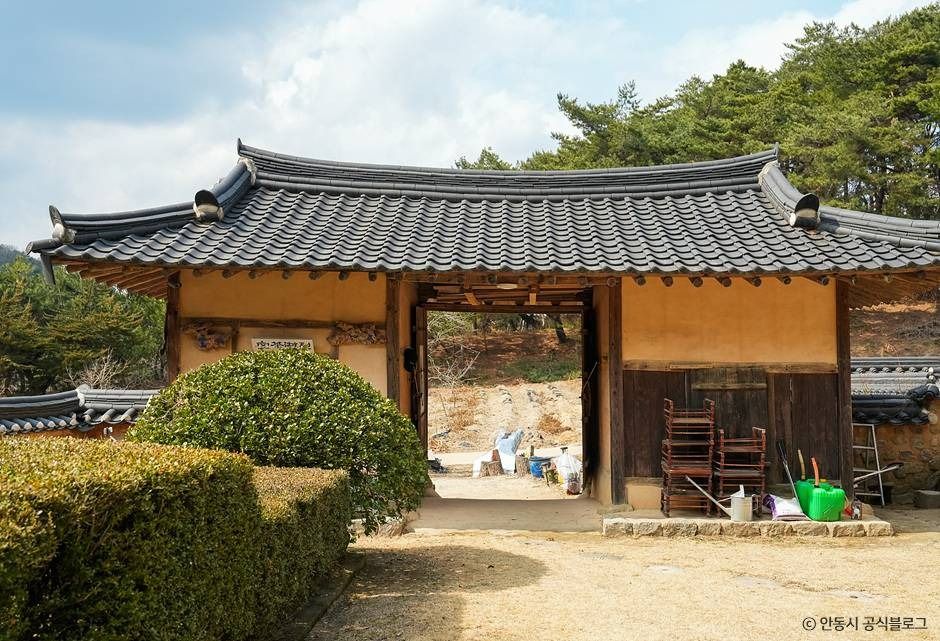
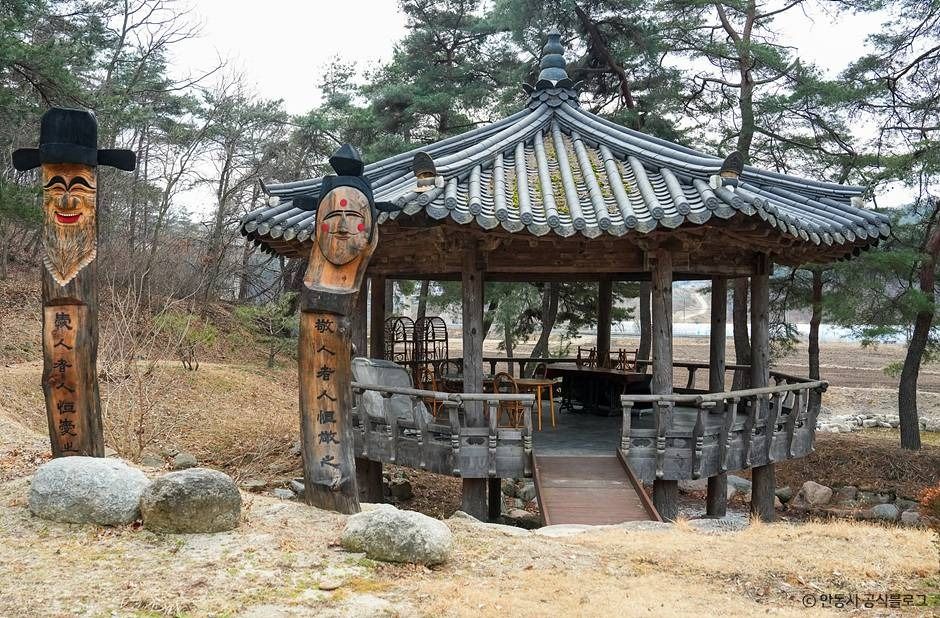
- Nature-Adaptive Layout Adapting to the natural topography of the mountain valley, the main residence, detached quarters, ancestral shrine, and pavilion are positioned from top to bottom according to their functions. This is considered a rare example of a noble family’s spatial arrangement.
- Neat Harmony The pavilion and head family house harmonize with the surrounding natural scenery, creating a picturesque landscape. The meaning and layout of each building are fully preserved.
- Historical Architectural Style It offers a glimpse into the architectural techniques and aesthetics from around the 19th century, and its well-preserved state over a long period adds to its value.
As you walk through this place, you can fully experience the philosophy of the noble family embodied in each building and the beauty of Korean architecture that harmonizes with nature. The view from the pavilion provides an ideal space for contemplation.
Walking Through Tranquil Times: Ganjaejongtaek Nearby Attractions & Visiting Tips
**Wonju Byeonssi Ganjaejongtaek and Ganjaejeong**, located on Geumdangsil-gil, Yongmun-myeon, Yecheon-gun, Gyeongbuk, is a place where you can experience tranquility amidst nature. Access by public transport might be somewhat inconvenient, so using a private car is recommended. Parking spaces are available nearby, and it is advisable to check operating status and hours before your visit.
Nearby Attractions Not to Miss
- **Geumdangsil Traditional Village** Geumdangsil Village, where Ganjaejongtaek is located, is a beautiful village with well-preserved traditional hanok houses. Stroll along the tranquil stone wall paths and soak in the atmosphere of the past.
- **Choganjeong Garden** Choganjeong, located nearby, is a pavilion imbued with the elegance and scholarship of Joseon-era scholars, a scenic spot noted for its harmony with nature.
- **Hoeryongpo Observatory** A representative tourist attraction in Yecheon, offering a panoramic view of the stunning natural beauty where the Nakdonggang River winds around. It’s a great place to visit after Ganjaejongtaek.
Pre-Visit Checklist
- **Check Information in Advance** By checking opening hours, admission fees (free/paid), and the availability of commentary programs before your visit, you can make your time more fruitful.
- **Comfortable Attire** The area around the head family house and pavilion has a tranquil atmosphere, so it’s best to visit with comfortable shoes and neat attire.
- **Learn Historical Background** Knowing the related historical background, such as Ganjae Byeon Jung-il and the Muo Sahwa, in advance will help you understand the historical site more deeply.
- **Photography Etiquette** To protect cultural heritage, please refrain from using flash and observe quietly so as not to disturb other visitors.
**Wonju Byeonssi Ganjaejongtaek and Ganjaejeong** is more than just observing old buildings; it is a precious space where you can feel and empathize with the spirit and beauty of an era. We hope you can escape your busy daily life for a while and find true rest and inspiration here, where history and nature harmoniously blend. The experience here will surely leave a deep and lasting impression on your heart.
Frequently Asked Questions
Q1. What kind of place is **Wonju Byeonssi Ganjaejongtaek and Ganjaejeong**?
It is the head family house and pavilion of Ganjae Byeon Jung-il, a scholar of the mid-Joseon period, a historical cultural heritage site where you can glimpse his spirit of loyalty and filial piety and unique architectural styles from around the 19th century.
Q2. Who was Ganjae Byeon Jung-il?
He was a loyal subject known for his profound filial piety and for his service under General Gwak Jae-u during the Imjin War. He is a rare figure who received the special Jeongchunghyogak from the nation for embodying both loyalty and filial piety.
Q3. What are the architectural characteristics of the head family house and pavilion?
Its distinctive feature is the layout of the main residence, detached quarters, ancestral shrine, and pavilion, which are arranged according to their functions, adapting to the natural topography of the mountain valley. Architectural styles from around the 19th century are predominant, showcasing the dignity and scale of a head family’s residence.
Q4. Are there any points to be aware of when visiting?
As it is a cultural heritage site, a quiet and orderly viewing manner is required. It is also advisable to check the opening hours and admission fees (free/paid) before your visit.
Q5. Are there any places worth visiting nearby?
Yes, there are various tourist attractions nearby, including Geumdangsil Traditional Village, Choganjeong Garden, and Hoeryongpo Observatory, where you can see the stunning scenery of the Nakdonggang River.
 Love Korea? Promote it & Earn.