
Yeonggwang Beopseongjinseong: A Time Travel Journey to Find the Forgotten Breath of Joseon


We invite you to a place where forgotten stories are carved into every stone wall, and the breath of the Joseon Dynasty can be felt with every step. Today, we embark on a journey to a faded legacy of Yeonggwang, which was a strategic military point and a key base for grain tax transportation, Yeonggwangbeopseongjinsu Fortress.
Some may say that the fortress wall is merely a pile of stones, but Yeonggwangbeopseongjinsu Fortress is not just a simple stone wall. What stories does this fortress wall, which protected the port and embraced the lives of the people amidst a turbulent history, truly hold?
As you walk along the length of the fortress wall, you will have a mystical experience, as if the weight of over 500 years of history is settling on your shoulders. Shall we now embark together into that mysterious past?
A Memoir Carved in Stone Walls: The Story of Yeonggwangbeopseongjinsu Fortress’s Construction
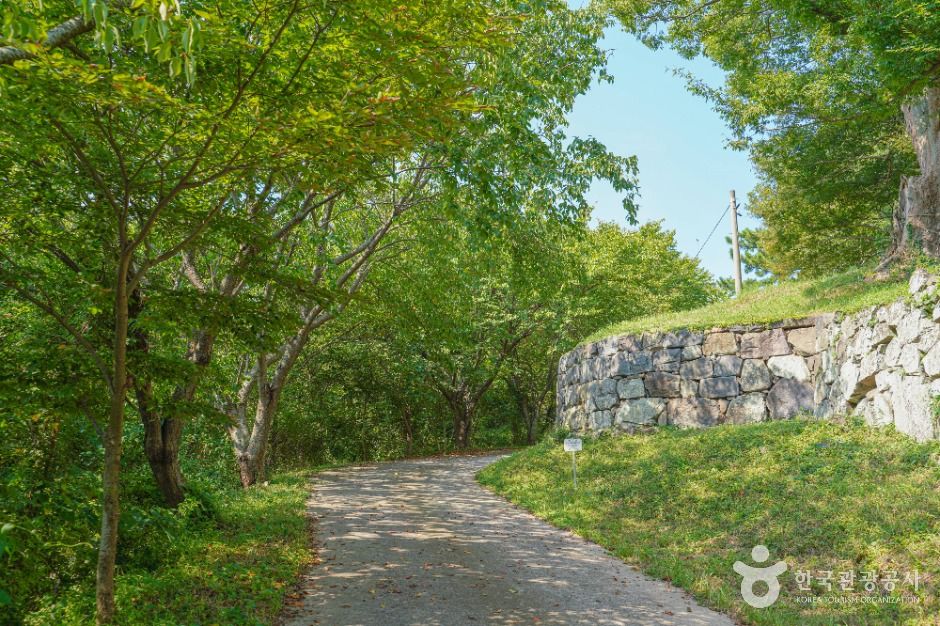
Yeonggwangbeopseongjinsu Fortress, built by piling stones on Inuisan in 1514, was constructed to defend Beopseongchang, which collected grain tax from the Jeollado region at the time, and to protect a strategically important port. This was not just a simple stronghold, but a key base that was simultaneously responsible for Joseon’s economy and security. The grandeur of the fortress wall, which originally stretched for 800m, now has only about 460m remaining, suggesting the passage of time. The northern wall remains almost entirely intact, but traces of the eastern and western sides can only be found in some sections.
Lost Glory, Remaining Traces
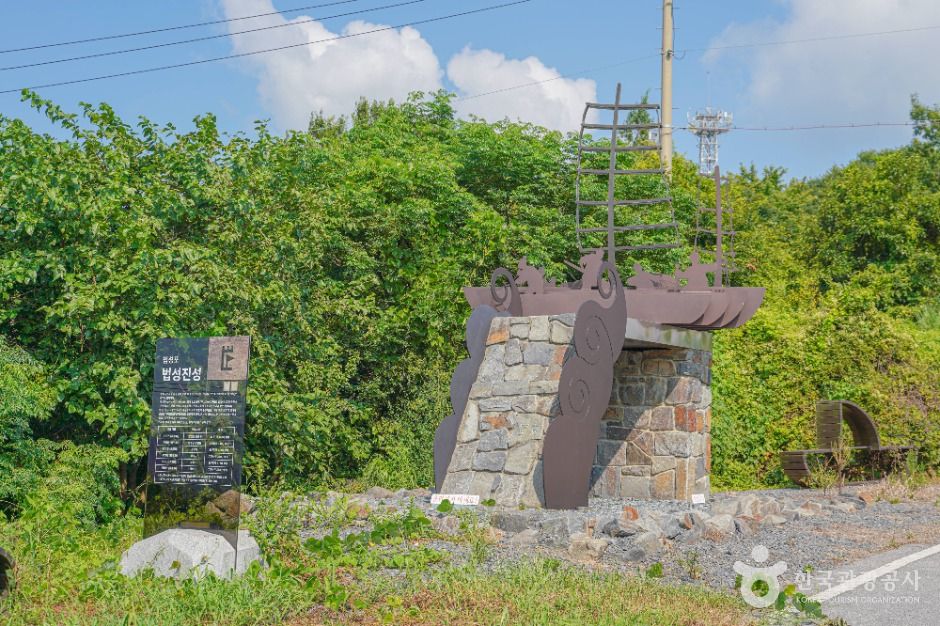
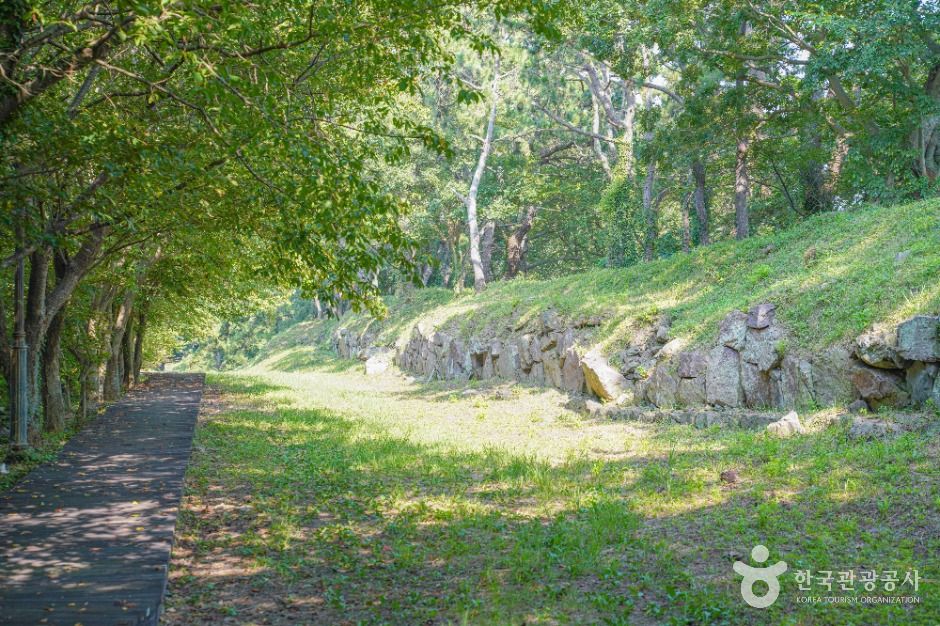
- Past Grandeur Originally a magnificent fortress with four gate towers including Sangdongmun, Hadongmun, Seomun, and Nammun, only their traces remain today.
- Inside the Fortress Inside the fortress, there were various buildings such as the South Gate of the Naval Base, Guesthouse, Magistrate’s Office, and Armory, but only traces of these can be found now.
- Discovery of Artifacts Numerous Joseon Dynasty artifacts such as tiles, ceramics, and pottery were unearthed inside the fortress, providing a glimpse into how vibrant a living area it once was.
Although many things have disappeared, every single remaining fortress wall clearly embodies the sweat and effort of the people of that time. In particular, the inscriptions carved throughout the fortress walls give them value not merely as structures, but as living history textbooks.
The Breath of Joseon Carved in Stone: Records More Vivid Than Stele
The true charm of Yeonggwangbeopseongjinsu Fortress lies in the fortress wall itself. If you look closely at the fortress wall, you can find the names of the counties and districts (Gunhyeonmyeong) within Jeollado that were mobilized to build the fortress, as well as the length built, the construction supervisor, and the financial manager, all densely carved. It is like a memoir personally written by the laborers of the Joseon Dynasty.
Stories of Joseon Told by the Fortress Wall
- Mobilization of Personnel It reveals how many people were mobilized from each district in Jeollado, allowing us to infer the central government’s capacity and mobilization system at the time.
- Construction Responsibility We can deduce how systematically and responsibly the fortress construction process was carried out through the names of those involved.
- Financial Management Through the names of those who handled the costs and finances for the construction, we can glimpse Joseon’s financial management system at the time.
- Institutional Research All these records are utilized as invaluable data for researching Joseon Dynasty fortresses and are highly regarded for their historical and academic value.
These records are like time capsules that go beyond simple stone walls, vividly showcasing a cross-section of Joseon Dynasty society and institutions. Walking through Yeonggwangbeopseongjinsu Fortress will be an experience of directly encountering the lives and sorrows of the people of that era, and the robust system of Joseon.
Journey to Yeonggwangbeopseongjinsu Fortress: How to Get There and Surrounding Scenery
Located in Beopseongpo, Yeonggwang, a place with a thousand years of history, the journey to Yeonggwangbeopseongjinsu Fortress is filled with leisure and romance. Upon arriving there, greeted by the cool breeze of the West Sea, you will encounter serene beauty.
Following the Footsteps, the Path to the Fortress
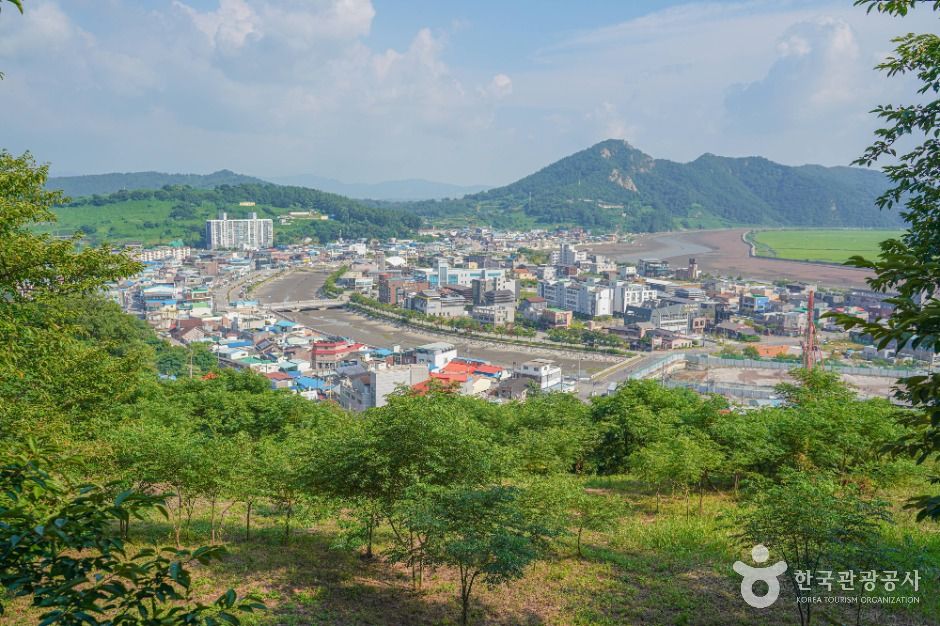
Yeonggwangbeopseongjinsu Fortress, located in Jinseong-ri, Beopseong-myeon, Yeonggwang-gun, is easily accessible by private car or public transportation. In particular, using the Seohaean Expressway allows for relatively quick arrival, making it highly accessible. Its proximity to Beopseongpo Port makes it recommendable to visit both together.
Check the exact location of Yeonggwangbeopseongjinsu Fortress on the map below.
Nearby Attractions to Enjoy Together
- Beopseongpo Port Famous for its Ggulbi (dried croaker), Beopseongpo Port is full of fresh seafood and delicious food. It’s a great place to end your trip with a tasty meal after exploring the fortress.
- Baeksu Coastal Road This is a scenic driving course where you can admire the beautiful sunset over the West Sea. After visiting the fortress, create wonderful memories against the backdrop of the sunset.
- Bulgapsa Temple Founded during the reign of King Chimnyu of Baekje, this historic temple is famous for its beautiful lotus flowers and cluster amaryllis. If you wish to experience tranquility in nature, pay a visit.
Following the Footsteps of History, My Own Travel Tips
Here are some tips to make your visit to Yeonggwangbeopseongjinsu Fortress, which perfectly preserves the traces of a long history, even more fulfilling. We hope it will be a time to experience living history, beyond just a simple visit to a historical site.
How to Enjoy the Fortress 100 Times More
- Read the Information Boards Carefully Read the information boards installed throughout the fortress walls carefully. You can get detailed information about the fortress’s history, characteristics, and discovered artifacts.
- Find the Engravings Enjoy the fun of directly searching for interesting records carved into the fortress walls, such as the names of counties and districts (Gunhyeonmyeong) and supervisors. It will be a special experience to feel the touch of people from the past.
- Photo Records The path along the fortress wall offers beautiful scenery everywhere. Visiting during sunset, in particular, allows for even more stunning photos.
- Comfortable Shoes The fortress wall path may have slopes or be uneven, so it is advisable to wear comfortable shoes. Don’t forget to bring enough water and snacks.
Although Yeonggwangbeopseongjinsu Fortress has lost its past glory, it conveys more vivid stories and lessons to us than any other historical site. We hope you visit this place to feel the history and spirit of Joseon and create unforgettable memories.
Frequently Asked Questions
Q1. When was Yeonggwangbeopseongjinsu Fortress built?
Yeonggwangbeopseongjinsu Fortress was built by piling stones on Inuisan in 1514 (the 9th year of King Jungjong’s reign) during the mid-Joseon period, to defend Beopseongchang and an important port.
Q2. What is the current length of the remaining fortress wall?
Although its circumference reached approximately 800m during the initial construction, about 460m of the fortress wall remains today. The entire northern wall is confirmed, while only parts of the eastern and western walls are.
Q3. Are there any special records found on the fortress wall?
Yes, the fortress wall has names carved on it, such as the names of counties and districts (Gunhyeonmyeong) within Jeollado mobilized for construction, the length built, construction supervisors, and financial managers, making its historical value very high.
Q4. What facilities were inside Yeonggwangbeopseongjinsu Fortress?
In the past, there were various buildings such as the South Gate of the Naval Base, Guesthouse, Magistrate’s Office, and Armory, but now most of the facilities, including the gate towers, have disappeared, and only traces remain.
Q5. Are there any places to enjoy nearby during a visit?
Yes, we recommend enjoying delicious food at Beopseongpo Port, famous for Ggulbi (dried croaker), driving along the beautiful Baeksu Coastal Road, and visiting the historic Bulgapsa Temple.