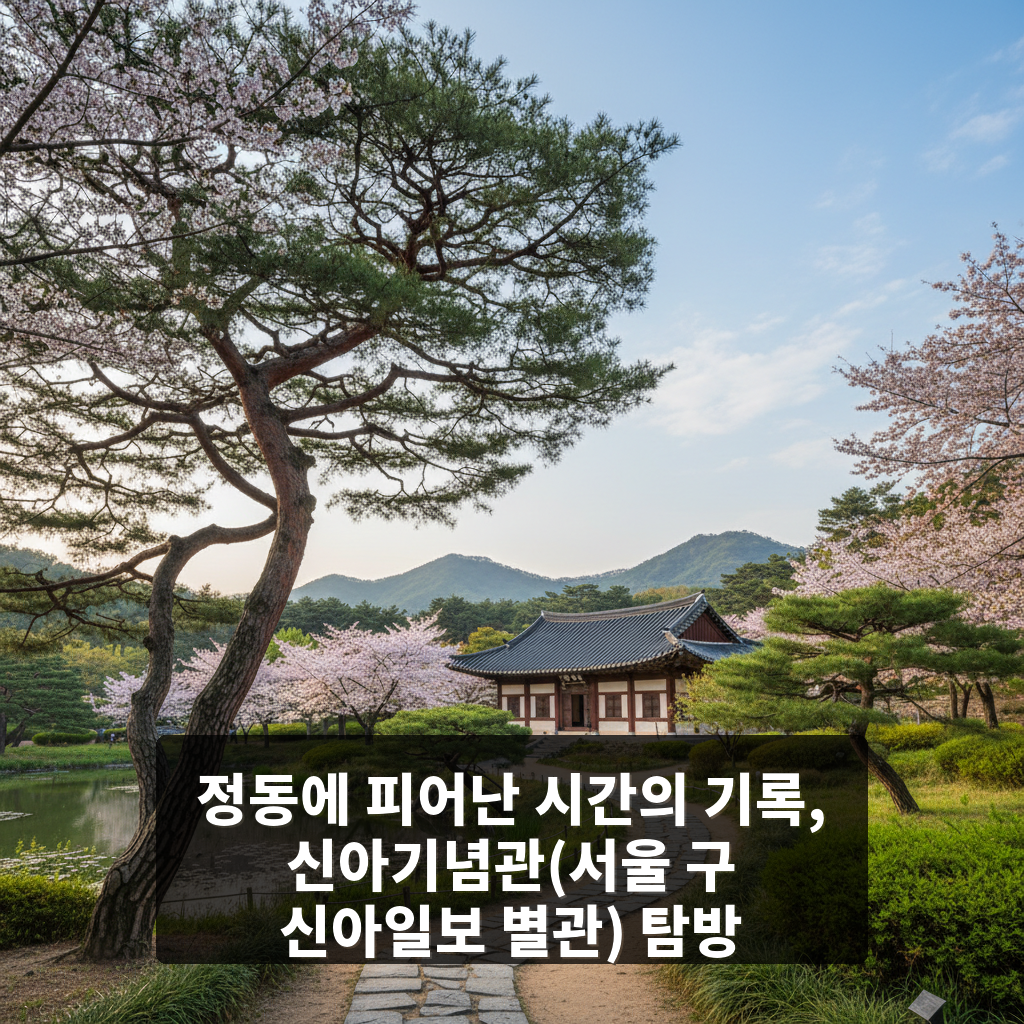
A Record of Time Blossoming in Jeongdong, Sina Memorial Hall (Seoul Former Sina Ilbo Annex) Visit


In the 1930s, an exotic building stood tall in the heart of Jeongdong. Adorned with red bricks on a reinforced concrete structure, the latest technology at the time, it captivated the eyes of passersby. It is not just an old building, but a witness to history, containing the turbulent modern and contemporary Korean history, none other than the Sinagimnyeomgwan (former Sinailbo Annex, Seoul).
Starting as the office building of the American Singer Sewing Machine Company, which brought great changes to our clothing culture with sewing machine culture, then becoming an enemy property house during the Japanese colonial period, returning to Singer Sewing Machine Company after liberation, and then serving as the Sinailbo Annex, a cradle of journalism, until it became a memorial hall today. What stories does this building hold? Let’s walk together through this place with an exciting past, like a novel.
If you want to feel the breath of history along with its aesthetic architecture, how about visiting Sinagimnyeomgwan, a jewel-like space in Jeongdong?
Portrait of an Era Carved in a Single Brick
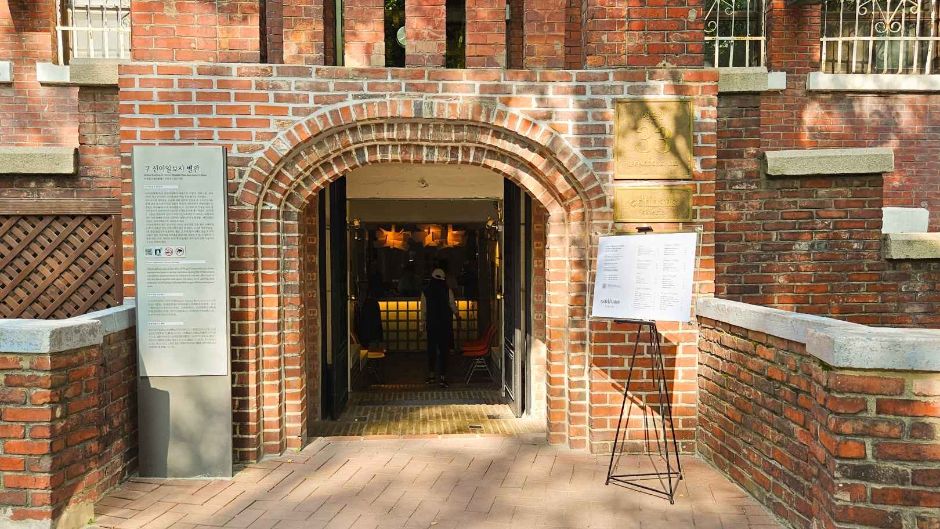

The Sinagimnyeomgwan (former Sinailbo Annex, Seoul) is a building constructed in the 1930s with groundbreaking architectural techniques and design for its time. Its significance is profound in that the Singer Sewing Machine Company, a private enterprise, boldly adopted the reinforced concrete structure, which was commonly used only in government buildings. With a basic structure of 1 basement floor and 2 above-ground floors, its red brick façade still boasts robust beauty today.
From Singer Sewing Machine to Sinailbo: Moments When the Building’s Owner Changed


- 1930s: Built as the office building of the American Singer Sewing Machine Company, it served as a stronghold for the dissemination of sewing machines.
- Late Japanese colonial period: The Singer Sewing Machine Company was expelled due to deteriorating US-Japan relations, and the building was classified as enemy property.
- After August 15 Liberation: The Singer Sewing Machine Company used it again until it was sold to Sinailbo in 1969.
- 1975: The 3rd and 4th floors were added, and it was utilized as a newspaper annex, becoming a birthplace of journalism.
- 1980: Due to the Fifth Republic’s press consolidation measures, the newspaper company was forcibly shut down, and the building began to be used as the Sinagimnyeomgwan.
- 2008: The former Sinailbo Annex, Seoul, was designated as National Registered Cultural Heritage, recognizing its value.
The protruding part and stairs of the central entrance on the 1st floor, and the balcony above it, suggest the antique and dignified atmosphere this building must have created on Jeongdong Street during its early construction. It feels as if a scene from the past has been preserved like a still cut.
Exploring the Aesthetics of Space in Quietly Flowing Time


The Sinagimnyeomgwan is more than just a historical site; it is a work of art in itself. The traces of its continuous expansion and renovation through the ages remain intact, providing a deep understanding of architecture and aesthetic satisfaction. In particular, the red bricks of the exterior wall boast deep colors as if holding the flow of time, and they perfectly harmonize with the tranquil Jeongdong-gil.
Must-See Viewing Points?


- Exterior Details: Pay close attention to the protruding structure of the central entrance on the 1st floor, the arched windows, and the delicate railing decorations of the balcony. You can glimpse the characteristics of 1930s modernism architecture and the sophistication of that era.
- Harmony of Red Bricks: The red bricks covering the entire building show diverse colors depending on the sunlight. Feel the weight of history in each brick, which bears the traces of time.
- Interior Exhibits: You can find various materials that show the building’s journey, including the history of Sinailbo, the painful memories of press consolidation, and the changes in clothing culture brought by sewing machines. It is important to connect the interior and exterior of the building and savor its story.
Jeongdong, Where History and Culture Breathe: How to Get to Sinagimnyeomgwan
The Sinagimnyeomgwan (former Sinailbo Annex, Seoul) is located in Jeongdong, the heart of Seoul, offering excellent accessibility. Many historical and cultural attractions such as Deoksugung, Seoul Museum of Art, and Jeongdong Theater are concentrated nearby, making it ideal for a combined visit. Plan a fulfilling Jeongdong Tour for a day.
Directions & Recommended Sightseeing Route
Jeongdong-gil is always charming to walk along, but you can enjoy an even more enchanting scenery, especially if you visit during the autumn foliage season. It’s also a great idea to leisurely explore the hidden stories in every alley.
It is a convenient place to visit without burden, as it has easy transportation and many attractions nearby. There is no separate admission fee, and operating hours are usually from 10 AM to 5 PM, but it is recommended to check the exact information on the memorial hall’s website or by phone before visiting.
Recommended Route
- Stroll along Deoksugung Stone Wall Road: Enjoy the history and scenery of Seoul while walking along the tranquil stone wall road.
- Visit Sinagimnyeomgwan: Explore the interior and exterior of the building to experience a glimpse of Korean press history and architectural beauty.
- Visit Seoul Museum of Art: Gain cultural inspiration by appreciating various contemporary art works.
- Jeongdong Theater or Jeongdong-gil Cafe: End your day by watching a performance or enjoying leisure time at a cozy cafe.
Frequently Asked Questions
Q1. What is the history of Sinagimnyeomgwan?
The Sinagimnyeomgwan was built in the 1930s as the office building of the American Singer Sewing Machine Company. It later became an enemy property house, then the Sinailbo Annex, and has been used as a memorial hall since the press consolidation in 1980. It is a National Registered Cultural Heritage that embodies the turbulent modern and contemporary Korean history.
Q2. What are the architectural features of Sinagimnyeomgwan?
This building was constructed with a reinforced concrete structure and adorned with red bricks, which was uncommon for private buildings at the time. In particular, the intricate design, including the protruding part of the central entrance on the 1st floor, the stairs, and the balcony above it, offers a glimpse into the modern and exotic atmosphere of the 1930s.
Q3. Can I visit Sinagimnyeomgwan for free?
Yes, Sinagimnyeomgwan can be visited free of charge without any admission fee. However, it is recommended to check the operating hours and closing days in advance before your visit.
Q4. Are there any places worth visiting near Sinagimnyeomgwan?
The Sinagimnyeomgwan is located in Seoul’s Jeongdong, surrounded by many historical and cultural attractions such as Deoksugung, Deoksugung Stone Wall Road, Seoul Museum of Art, and Jeongdong Theater. These can be combined for a full-day itinerary.
Q5. Is Sinagimnyeomgwan a National Registered Cultural Heritage?
Yes, in 2008, the former Sinailbo Annex, Seoul, was designated as National Registered Cultural Heritage in recognition of its historical and architectural value. It is a space with great significance as an architectural work itself.