A thousand-year aspiration embraced in Biseulsan, dispelling disasters at Sojaesa (Daegu)


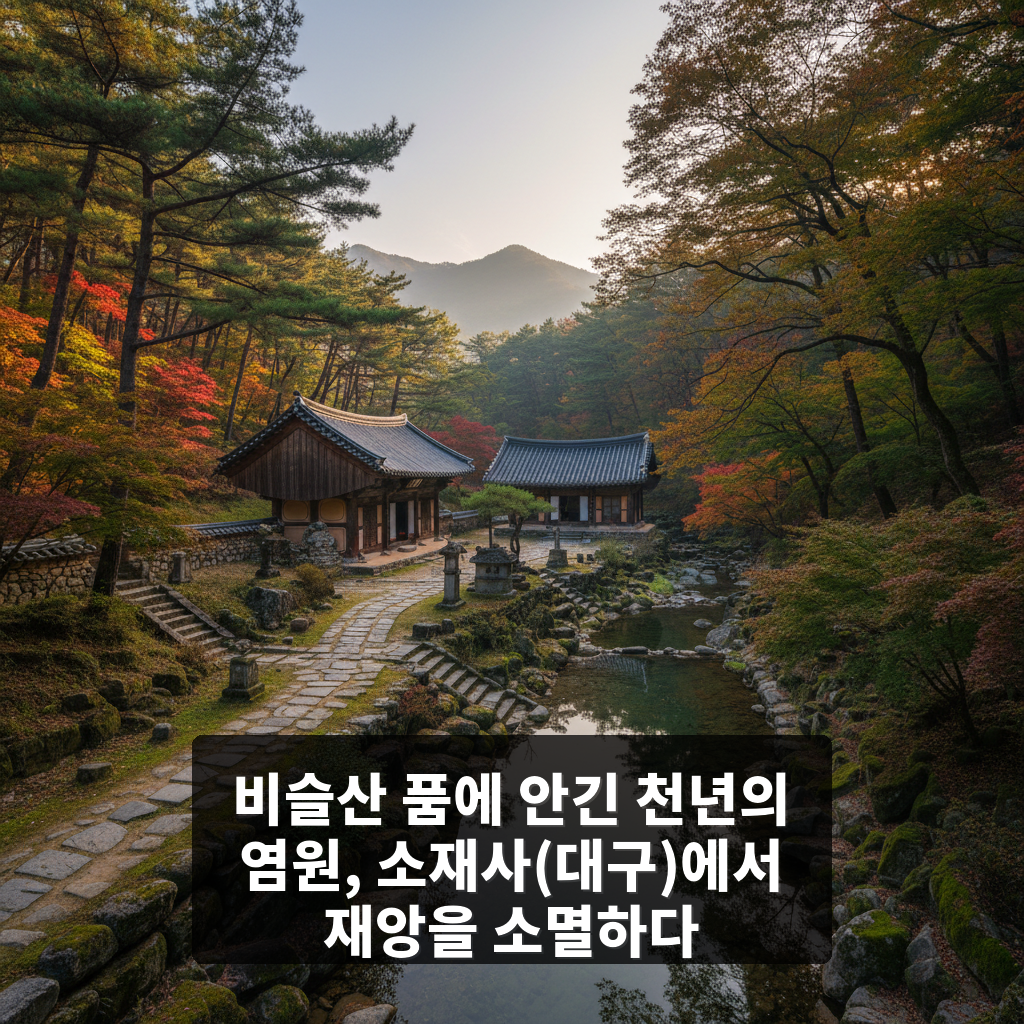
Is there truly a place with the power to extinguish all calamities? Nestled deep in a quiet forest at the foot of Bisulsan, Daegu, Sojesa (Daegu), as its name suggests, holds the mystical promise of eradicating all misfortunes. Located at an altitude of 430m, on the southwestern slope of Johwabong, this thousand-year-old ancient temple is more than just a building; it is a living history that has embraced the joys and sorrows of our people for a long time.
Founded during the Silla period and having undergone numerous renovations and repairs, Sojesa (Daegu), which has reached Today, has maintained its firm status as a subsidiary temple of Donghwasa, the 9th district of the Jogye Order of Korean Buddhism. This place will be a perfect sanctuary for those who wish to escape the noise of the bustling city and find inner peace, and for those who wish to immerse themselves in quiet contemplation, following the traces of forgotten time.
Now, why don’t we embark with us to Sojesa (Daegu), imbued with the spirit of Bisulsan, explore the hidden stories and beautiful scenery within, and find true inner peace?
A Mountain Temple Infused with the Breath of a Thousand Years of Silla, Its Mysterious Beginning
Sojesa (Daegu) holds a deep history, to the extent that its founding date and founder are unknown. It is presumed to have been first built during the Silla period, and its name ‘Sojae (消災)’ carries the noble meaning of ‘eradicating all calamities,’ conveying comfort and hope to those who have visited it since ancient times. This place, fully embracing the spirit of Bisulsan, is a mysterious space where nature and history harmoniously blend.
Traces of Time Layered One Upon Another
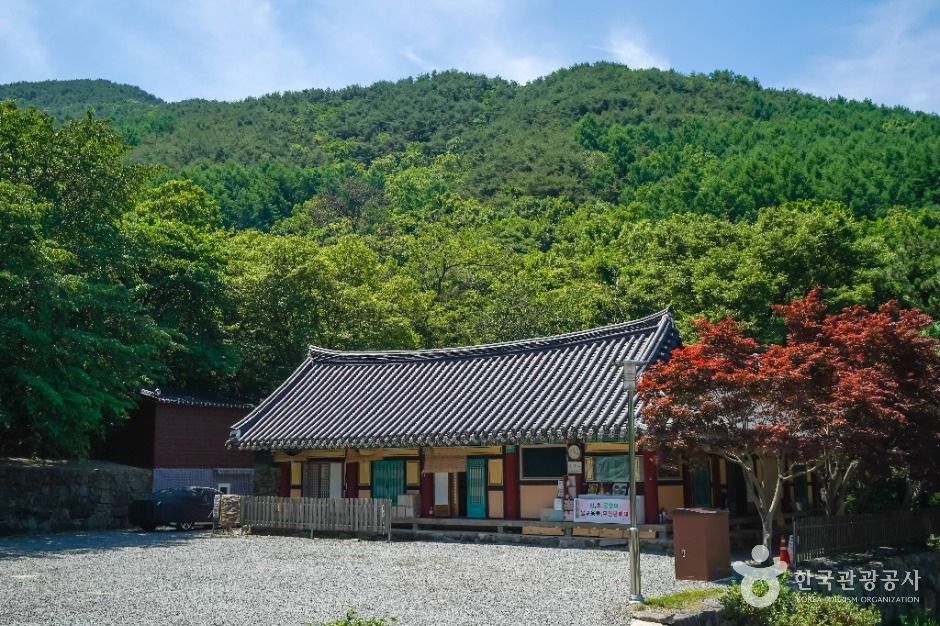
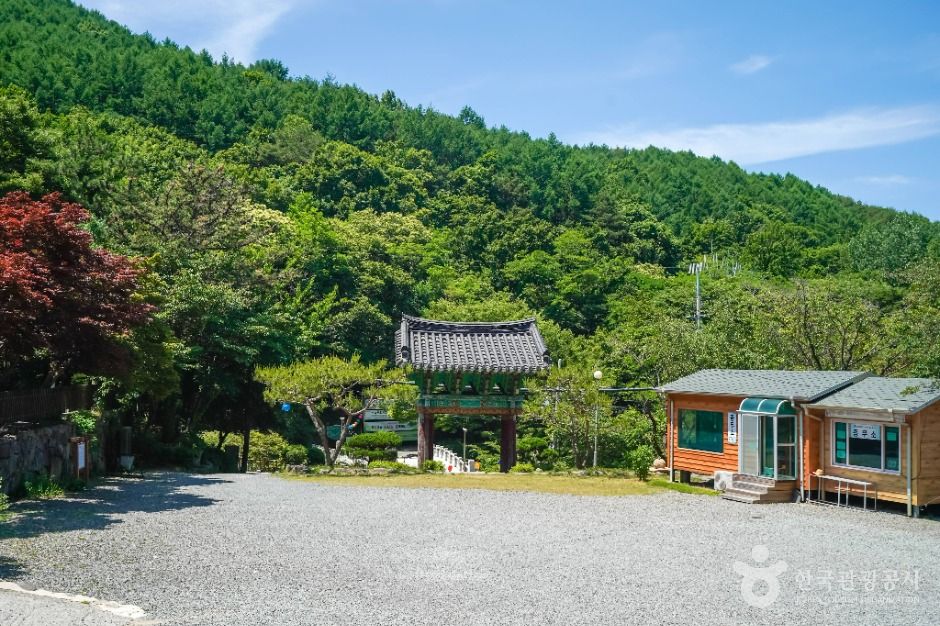
Even amidst the trials of time, Sojesa (Daegu) firmly maintained its place. Starting with the reconstruction by Monk Jinbo in the 7th year of King Gongmin (1358), followed by the rebuilding by Monk Hwallyun in 1457, and the repair by Monk Oeam in 1510, the temple’s Buddhist projects continued incessantly throughout the Joseon Dynasty. Records of reconstruction and repair by Monk Cheongsim in 1701, Monk Wansan in 1841, Monk Beomro in 1857, and Monk Wangsan in 1900 show how this temple has been maintained through the wishes of many people.
Pavilions Where the Breath of History Comes Alive
Currently, at Sojesa (Daegu), pavilions such as the Main Hall, Hall of Judgment, Hall of Three Sages, and Monks’ Quarters are harmoniously situated. Although these buildings were constructed and repaired at different times, they all showcase a serene beauty, embodying the spirit of Buddhism.
Main Hall and Hall of Judgment: Treasures of Daegu Metropolitan City Cultural Heritage
Klook.com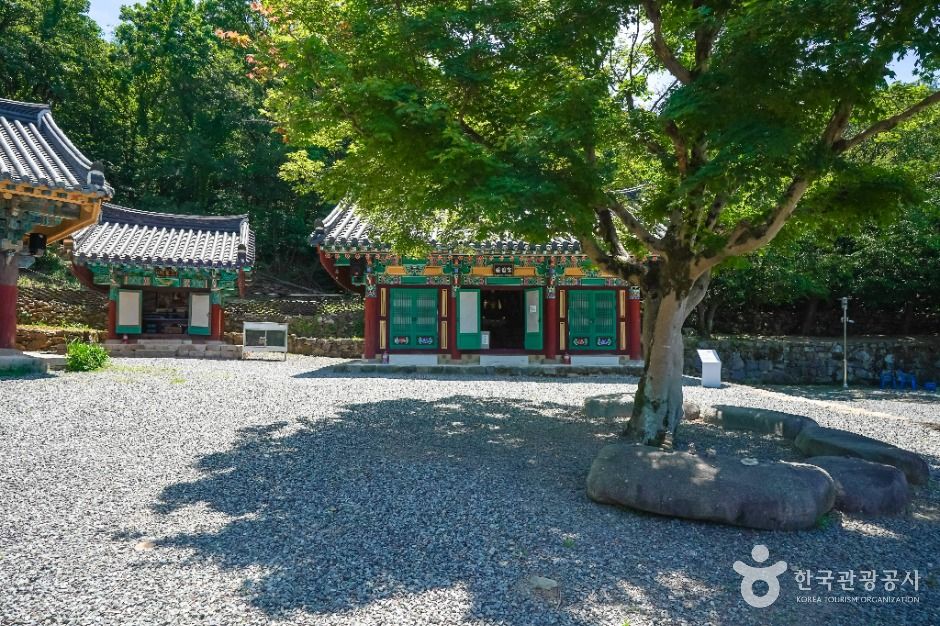
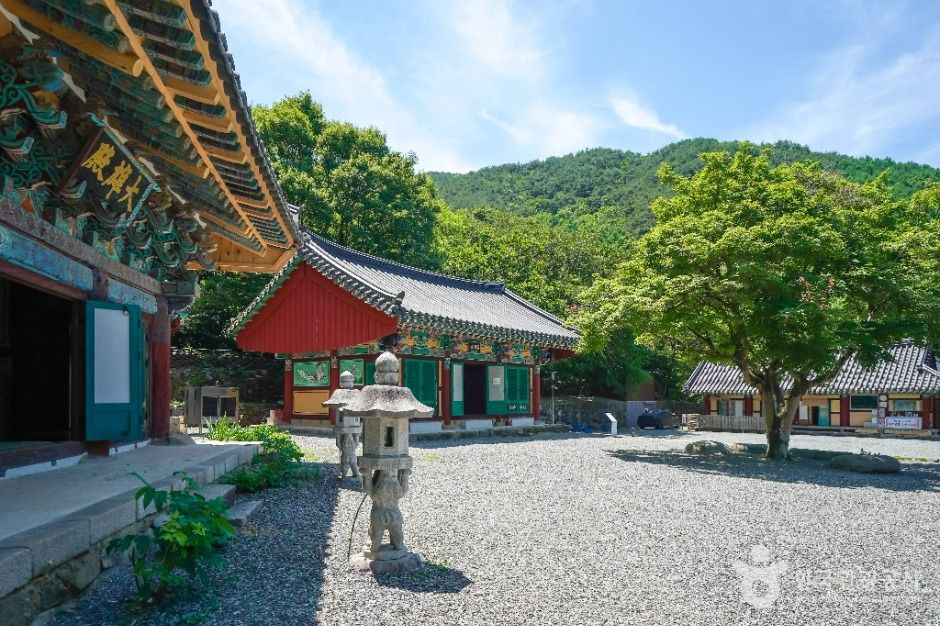
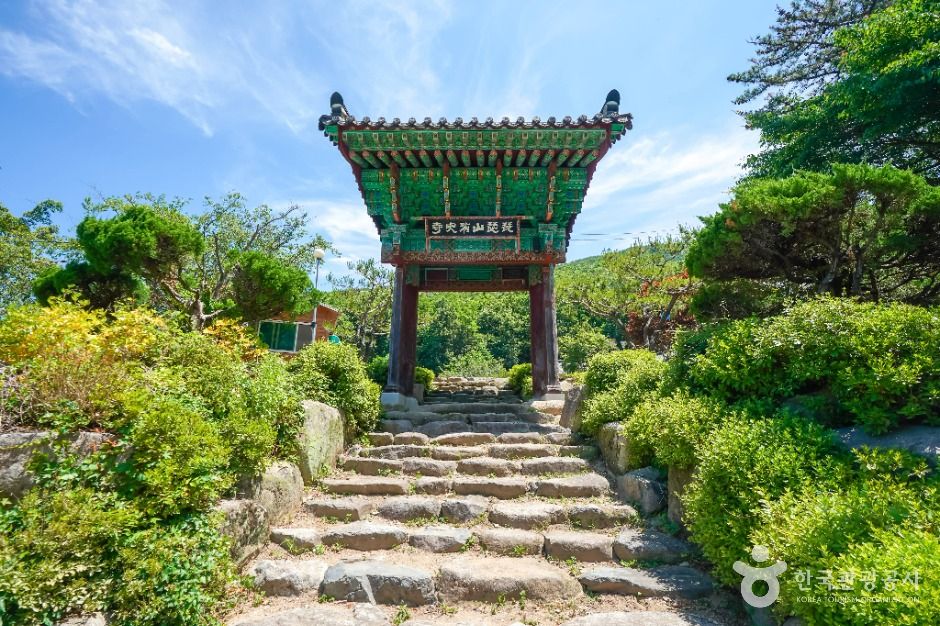
The Main Hall, with its gabled roof and a frontal facade of four bays and side facades of two bays, underwent dismantling and restoration in Dalseong-gun in 1976 and is now designated as ‘Daegu Metropolitan City Cultural Heritage Material.’ Even amidst the traces of time, the Main Hall, which has not lost its grandeur, boasts its dignity as the central Dharma hall of Sojesa (Daegu). The Hall of Judgment was also recently rebuilt after its collapse, enshrining Jijangbosal and the Ten Kings of Hell.
The Secret of the Hall of Judgment’s Jijangbosal Seated Statue
- Period of Creation The Jijangbosal seated statue enshrined in the Hall of Judgment was created in 1674, confirmed through an inscription found inside the statue during a recent gilding restoration.
- Record of Repair The inscription inside the statue contains a record stating, ‘Gilding restoration began on the 20th day of the 3rd lunar month, Sinyu year, 6th year of Qianlong, and completed on the 6th day of the 4th lunar month,’ vividly showing the preservation and repair history of the Buddhist statue.
- Cultural Heritage Value This inscription is highly valued as a crucial material for studying the styles of Buddhist statue creation and the trends of Buddhist culture during the late Joseon Dynasty.
The Way to Sojesa (Daegu), a Journey into Tranquility
Nestled deep in Bisulsan, Sojesa (Daegu) offers a special experience of escaping the Daegu city center and embracing nature.
Address: 235-86 Hyuyangnim-gil, Yuga-eup, Dalseong-gun, Daegu
As you walk up the serene mountain path, you will find your mind calming down. When using public transportation, take a bus towards Bisulsan Recreational Forest from downtown Daegu, then walk up the mountain path for about 20 minutes. If driving, you can enter the address into your navigation system and reach the temple entrance, where parking is available nearby.
| Transportation | Advantages | Precautions |
|---|---|---|
| Public Transport | Can fully experience nature while ascending | Requires walking after bus stop (approx. 20 minutes) |
| Private Car | Convenient and fast travel possible | Caution when driving on mountain roads, parking congestion expected on weekends and holidays |
Nearby Attractions to Enjoy
- Bisulsan Recreational Forest At Bisulsan Recreational Forest, close to Sojesa, you can enjoy various nature experiences such as beautiful forest trail trekking and refreshing stream play.
- Bisulsan Azalea Habitat Every spring (late April to early May), the azalea habitat that dyes the vicinity of Bisulsan’s peak red is truly a spectacular sight. If you visit during this period, you can encounter an enchanting landscape.
- Daegu Arboretum Located near downtown Daegu, Daegu Arboretum is a beautiful space where you can enjoy various plants throughout the four seasons.
Guide for a Serene Visit: How to Experience Sojesa (Daegu) More Deeply
- Appropriate Attire As a temple is a sacred space, modest and comfortable clothing is preferable to overly revealing or flashy attire.
- Quiet Observation As it is a place of practice, refrain from making loud noises or running around; it is important to observe quietly.
- Caution with Photography Photography may be restricted inside the pavilions or in the monks’ practice areas. Please refrain from taking photos in unauthorized places.
- Take Your Trash With You To preserve the beautiful natural environment, please show civic consciousness by always taking any trash you generate back with you.
- Charm of the Four Seasons Sojesa offers different beauty each season, including the fresh greenery of spring, the lush foliage of summer, the autumn leaves, and the snowy landscapes of winter. You can enjoy diverse scenery depending on your visit season.
Sojesa (Daegu) is a space where the past and present coexist, and nature and humans harmoniously blend. We hope you pause here to reflect on the precious meaning of life and recharge your energy through peaceful time. You will be able to forget daily worries and gain true rest.
Frequently Asked Questions
Q1. When was Sojesa (Daegu) founded?
Sojesa is presumed to have been founded during the Silla period, but its exact founding date and founder have not yet been clearly identified.
Q2. What is the meaning of the name Sojesa (Daegu)?
The name Sojesa means ‘to eradicate all calamities.’ This name holds the meaning of wishing peace and well-being to all who visit the temple.
Q3. What are the main cultural assets of Sojesa (Daegu)?
Among the existing pavilions, the Main Hall was dismantled and restored in 1976 and is designated as ‘Daegu Metropolitan City Cultural Heritage Material.’ The Jijangbosal seated statue in the Hall of Judgment also holds high historical value.
Q4. How was the creation period of the Hall of Judgment’s Jijangbosal seated statue determined?
The Jijangbosal seated statue was confirmed to have been created in 1674 and gilded and repaired in the 6th year of Qianlong (1741) through an inscription found inside the statue during a recent gilding restoration.
Q5. What etiquette should visitors know when visiting Sojesa (Daegu)?
As a temple is a place of practice, it is important to wear modest clothing and observe quietly. Refrain from taking photos in unauthorized areas, and always take your trash with you.
 Love Korea? Promote it & Earn.