A yearning for a lost hometown: Gimhwa County Residents’ Homeland Longing Tower, a record of that sad history


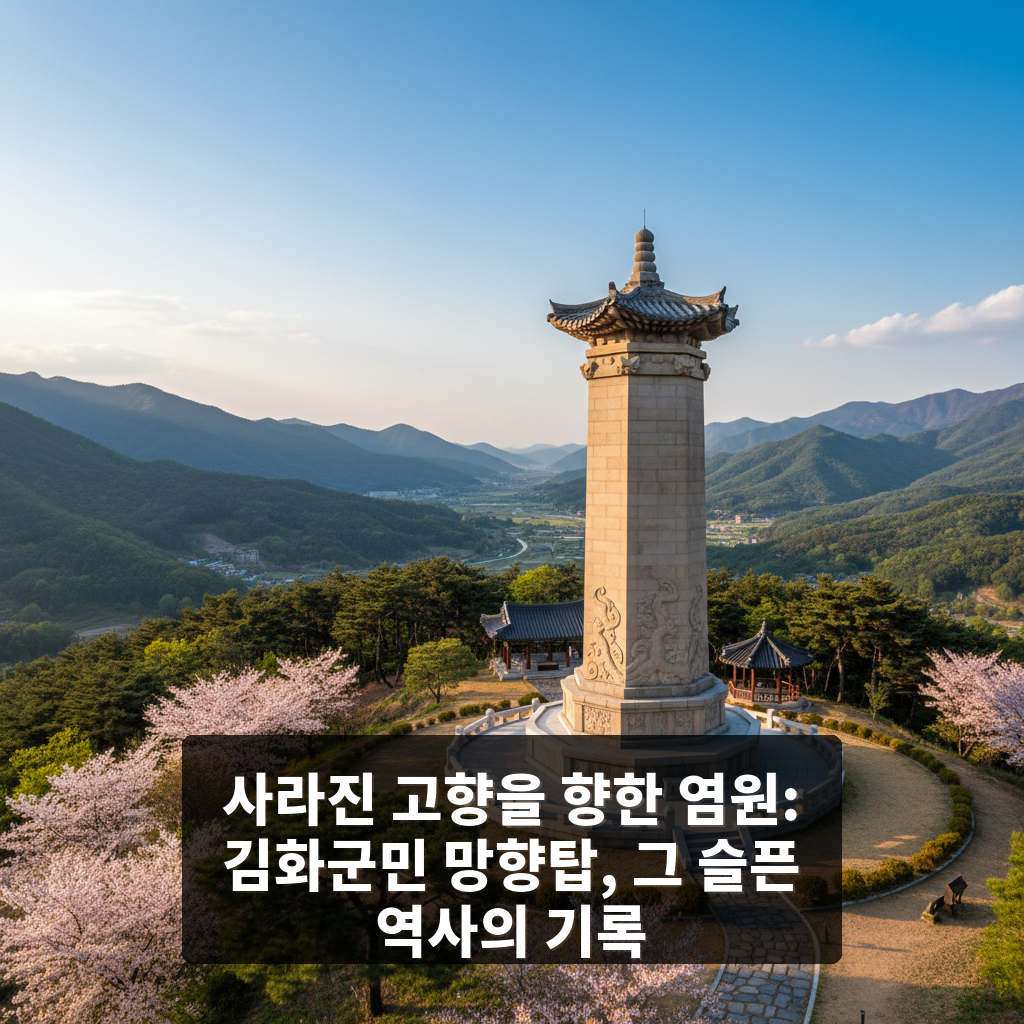
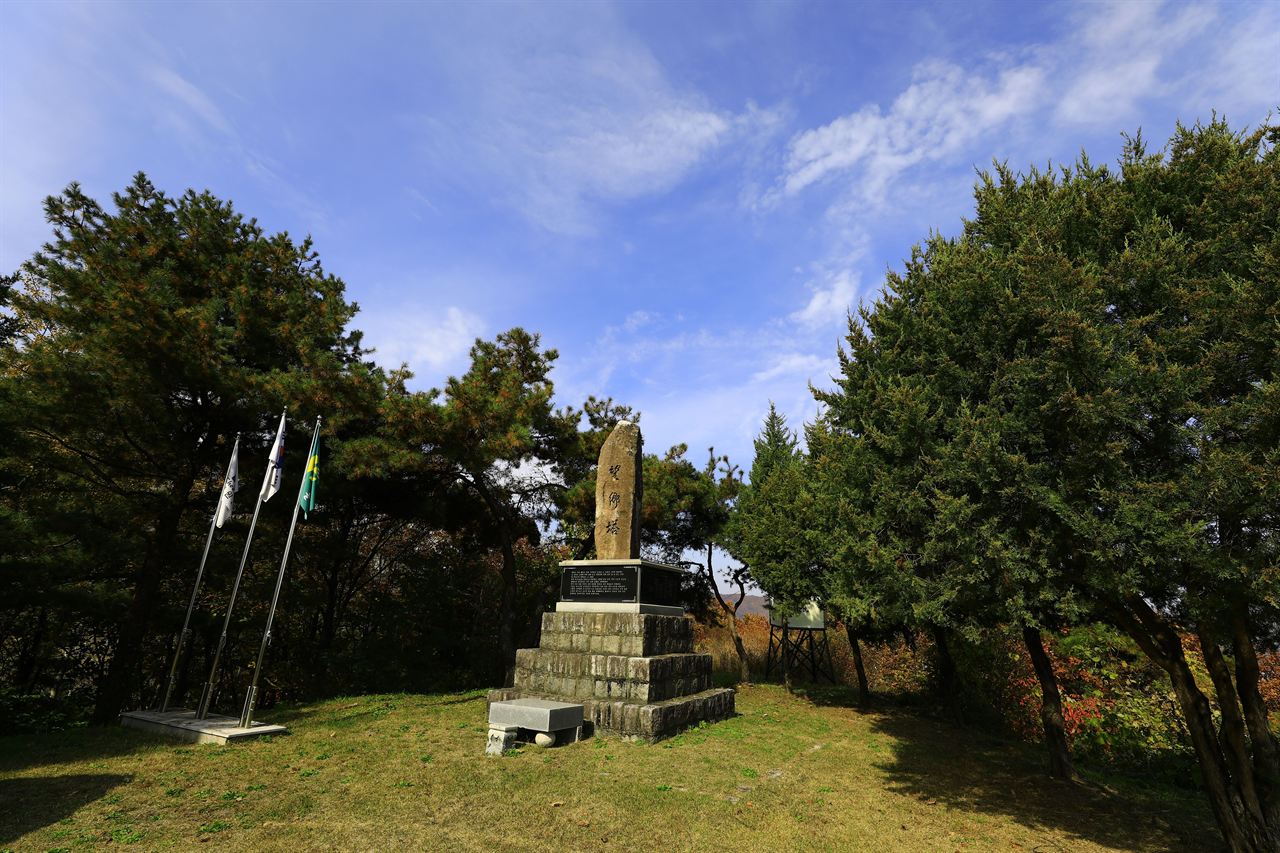
For some, their hometown is more than just the place they were born; it’s the root of their life and an object of longing they can never return to. Here, standing tall on the desolate plains of the frontline, the **Gimhwa Residents’ Manghyangtap (Monument to the Hometown)** symbolizes that pain and longing. It is a place where the earnest hopes of the Gimhwa residents, who lost everything and became displaced persons due to the Korean War, are engraved in each stone of the pagoda.
This tower is not merely a monument. For over half a century, it has been a historical testament to the heart-wrenching stories of those who had to live away from their hometowns and their hopes for reunification. Shall we embark on a journey through time together to the **Gimhwa Residents’ Manghyangtap**, which conveys the fading pain of division to future generations and delivers a message of peace?
Aspiration Built Upon Sorrow: The Story of Gimhwa Residents’ Manghyangtap
There are Manghyangtap (Monuments to the Hometown) commemorating the pain of displaced persons in various border regions like Paju, Cheorwon, and Yanggu, but the Manghyangtap of Gimhwa County holds special significance among them. This is because it was erected to soothe the deep sorrow of the Gimhwa residents who lost their hometowns when the entire county was divided into North Korean and South Korean territories due to administrative reorganization after the Korean War. As its name suggests, the **Gimhwa Residents’ Manghyangtap**, embodying the sorrow of longing for home felt by the Gimhwa residents, was consecrated on October 3, 1974, with the tears of displaced persons who were unable to return to their hometowns even though they were so close.
Traces of the Lost Gimhwa County, Permeated in the Manghyangtap
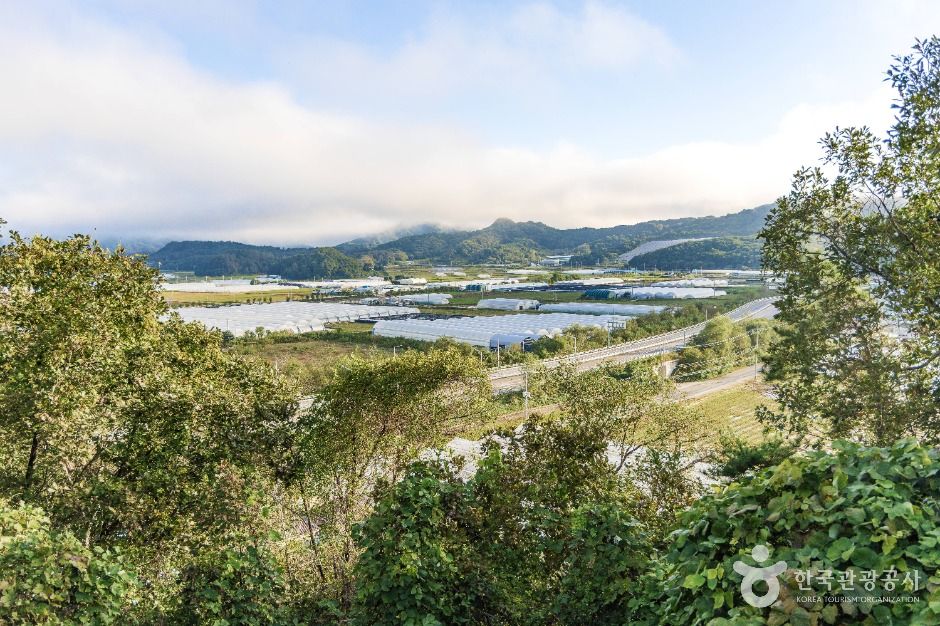
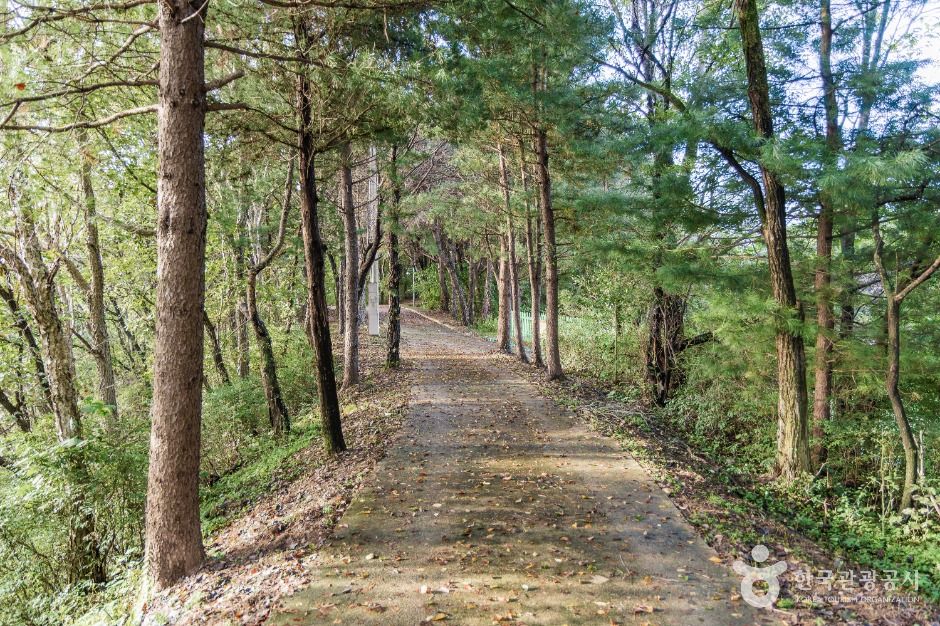

- Geographical Pain Gimhwa County was divided into North and South by the Military Demarcation Line, and the area currently belonging to South Korea was incorporated into Cheorwon County. The **Gimhwa Residents’ Manghyangtap** is located in Geunnam-myeon, Cheorwon County, which was formerly Gimhwa County, and embodies a fervent gaze towards home.
- Symbolic Meaning It holds the longing for scattered families and hometowns due to war, and the hope that someday reunification will allow a return. Every year, displaced persons gather here to hold a joint ancestral rite, recalling the fading memories of their hometowns.
The tower is made of marble and granite, and true to its name, Manghyangtap, it is shaped as if looking towards home. Around the Manghyangtap, there is a monument for reunification aspirations and an inscription explaining the situation at the time, vividly conveying the pain of those days to visitors.
A Historic Site on the Map: How to Get to Gimhwa Residents’ Manghyangtap
The **Gimhwa Residents’ Manghyangtap** is located in Geunnam-myeon, Cheorwon County, Gangwon-do. It is shaped as if bowing its head towards the north, actually looking towards the North Korean part of Gimhwa County. Accessibility is relatively good, but due to its location in a border region, using a personal car is recommended over public transport.
Location and Accessibility of Gimhwa Residents’ Manghyangtap
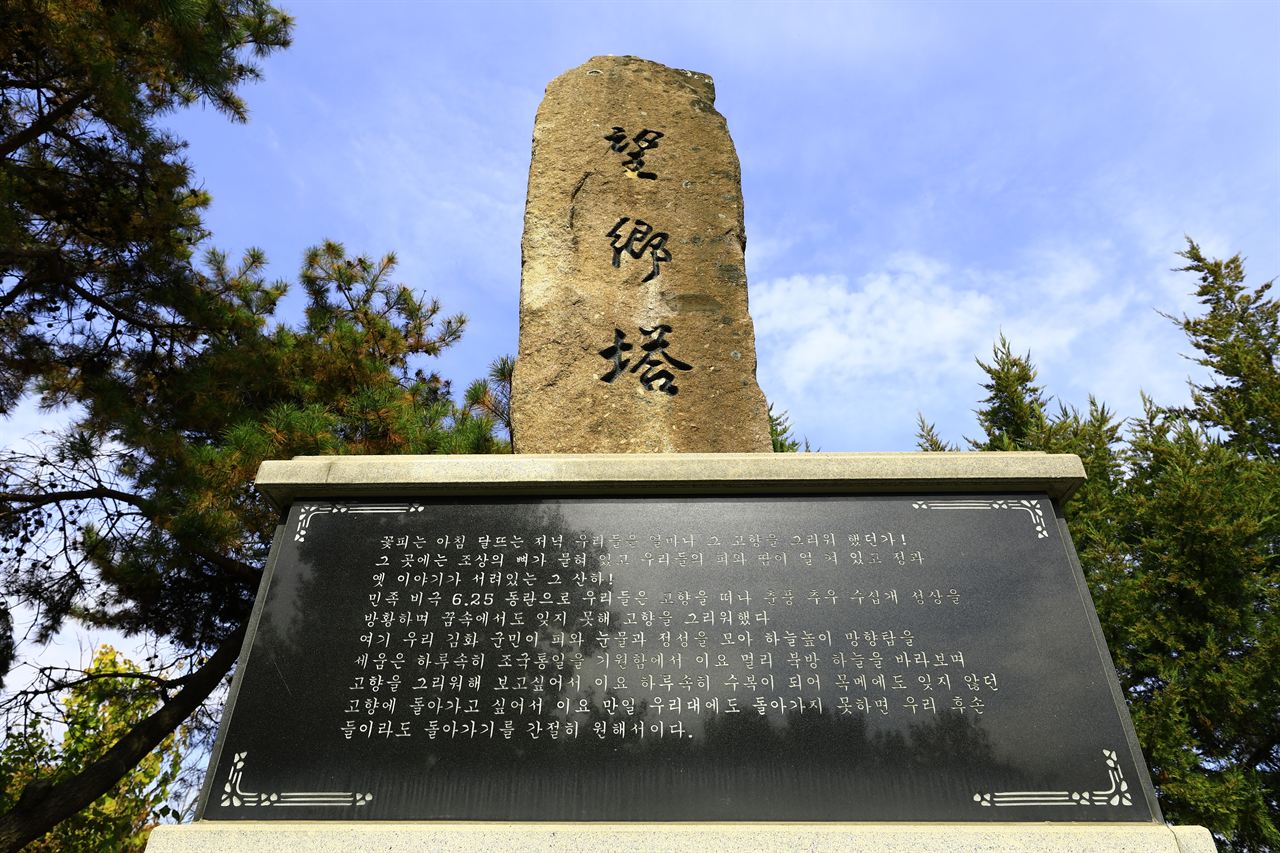
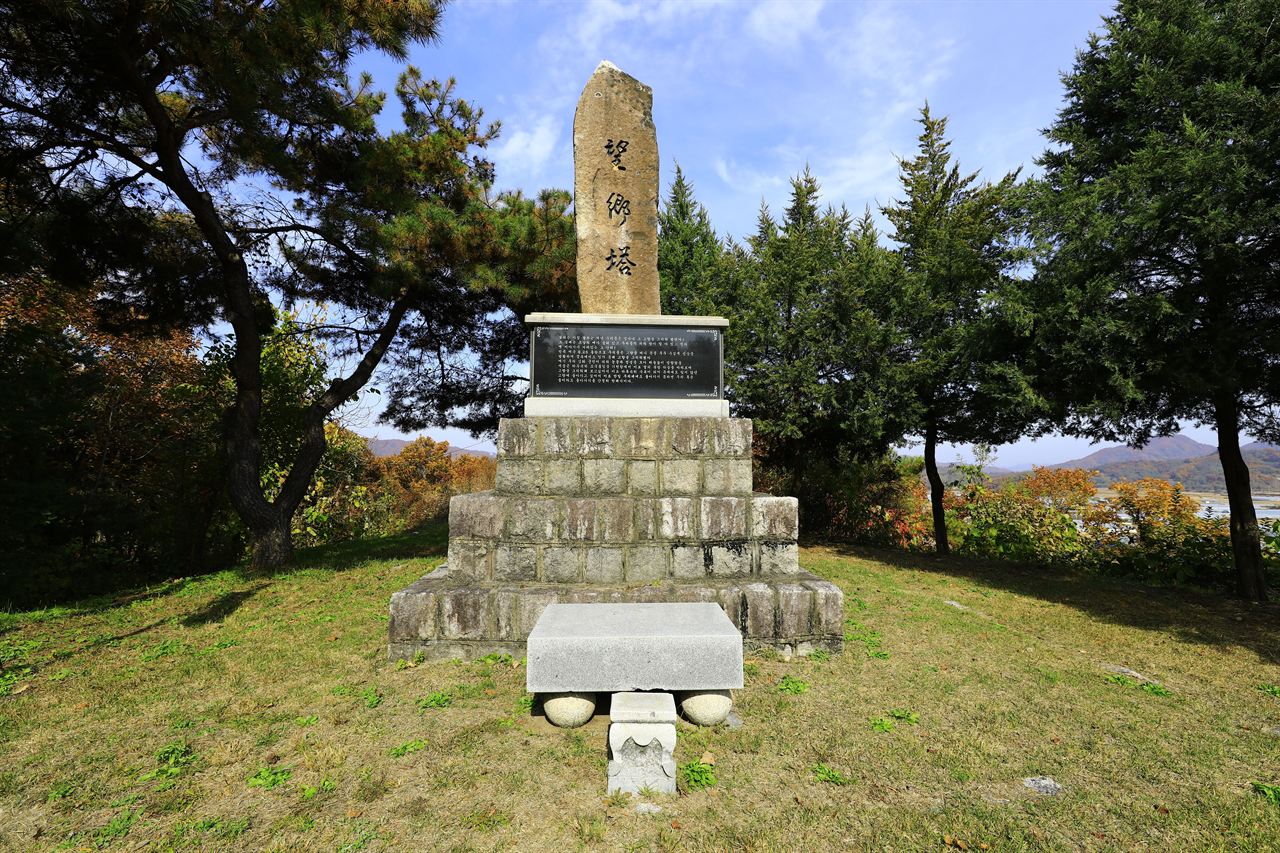
- By Car You can easily find it by searching for ‘Gimhwa Residents’ Manghyangtap’ on your navigation system. It takes about 2 to 3 hours from Seoul and the metropolitan area, and you need to use national and local roads.
- By Public Transport After traveling to the Cheorwon County Intercity Bus Terminal, you can use local buses heading towards Geunnam-myeon, but the interval between buses may be long, and there might not be a direct route to Manghyangtap, so prior confirmation is necessary. You might consider using a nearby taxi.
- Linking with Nearby Tourist Attractions It is often visited in conjunction with DMZ peace tourism courses. Planning an itinerary that includes Cheorwon County’s major security tourism sites will be more efficient.
The exact location can be checked on the following map.
Beyond a Simple Stone Tower: The Message Offered by Gimhwa Residents’ Manghyangtap
Steps taken to visit this place go beyond merely exploring a scenic spot. It will be a time to confront the pain and aspirations of displaced persons, and to gain deep insight into the reality of the divided Korean Peninsula. The **Gimhwa Residents’ Manghyangtap** reminds us once again of the preciousness of peace.
History Read with the Heart: Lessons Learned from Manghyangtap
- Reflecting on the Meaning of Home Standing here, we reflect on the meaning of home, realizing how profoundly the longing for a lost hometown can pain us.
- Facing the Reality of Division Gazing beyond the Cheorwon Plain spread before us, at the northern land we cannot reach, we take time to understand the reality of a divided nation and the pain it entails.
- Aspiration for Peace and Unification Like the aspirations of the displaced persons enshrined in the tower, it becomes an opportunity for all of us to gather our earnest hopes for peace and unification.
- A Place for History Education Visiting with children, it serves as a living learning space to vividly experience the history of the Korean War and division, and to educate on the importance of peace.
Exploring Nearby Historical Sites with Gimhwa Residents’ Manghyangtap
After visiting the **Gimhwa Residents’ Manghyangtap**, exploring other nearby DMZ tourist attractions together can deepen your understanding of the pain of division and the message of peace. Cheorwon County, a fierce battleground of the Korean War and a symbolic space of division, boasts various historical relics and natural landscapes.
Nearby Attractions Sharing the Pain of Division
Major Security Tourism Sites in Cheorwon Region
- The 2nd Tunnel One of the tunnels dug by North Korea for invasion, where you can vividly feel the tension of division.
- Cheorwon Peace Observatory An observatory where you can observe the Demilitarized Zone and North Korea through binoculars, fostering aspirations for peace.
- Labor Party Headquarters A building with the scars of the Korean War remaining intact, a historical site where you can glimpse the tragic situation of that time.
- Baengmagoji Memorial Monument A place commemorating the Battle of Baengmagoji, one of the fiercest battles of the Korean War, where you can honor the spirits of the victims.
| Category | Key Content | Visiting Tips |
|---|---|---|
| Historical Sites | Places where you can directly experience the traces of the Korean War and the pain of division (Labor Party Headquarters, 2nd Tunnel, etc.) | It’s good to familiarize yourself with the historical background beforehand. |
| Security Tourism | Courses to experience the DMZ and reflect on the importance of peace (Cheorwon Peace Observatory, etc.) | Advance reservations and identification are often required. |
| Natural Scenery | Pristine natural landscapes near the DMZ and migratory bird habitats (cranes, etc.) | The best time to visit varies by season. |
A Time for Reflection and Contemplation: Tips for Visiting Gimhwa Residents’ Manghyangtap
The **Gimhwa Residents’ Manghyangtap** is not just a tourist attraction, but a space imbued with history and pain. Knowing a few things beforehand can help you have a more meaningful time.
Checklist for an Unforgettable Visit
- Mindset Visit with a solemn and reverent heart, taking time to empathize with the pain of displaced persons.
- Attire As outdoor activities are predominant, prepare comfortable shoes and season-appropriate clothing. Especially in winter, pay attention to cold weather protection.
- Security Awareness As it is a border region, follow the instructions on signboards, such as prohibiting photography of military facilities, and maintain basic security awareness.
- Information Check Before visiting, it is advisable to check the Cheorwon County tourist information center or website for opening status, operating hours, and available peace tourism courses. Entry to some areas may be restricted.
The historical site encountered here at **Gimhwa Residents’ Manghyangtap** will provide us with a precious opportunity to remember the past, reflect on the present, and prepare for the future. We hope you have an unforgettable trip.
Frequently Asked Questions
Q1. What is the meaning of **Gimhwa Residents’ Manghyangtap**?
It is a symbolic monument built to embody the longing for home and the aspiration for reunification of the Gimhwa residents who lost their hometowns and became displaced persons due to the Korean War. It holds the meaning of remembering the pain of division and praying for peace.
Q2. When was Gimhwa Residents’ Manghyangtap established?
This tower was established and consecrated on October 3, 1974. For over half a century, it has stood here, representing the pain of displaced persons.
Q3. Are there other nearby attractions worth visiting?
Yes, Cheorwon County, where the **Gimhwa Residents’ Manghyangtap** is located, has many security tourist attractions that tell the history of the Korean War and division, such as the 2nd Tunnel, Cheorwon Peace Observatory, Labor Party Headquarters, and Baengmagoji Memorial Monument. You can explore them together and reflect on their historical significance.
Q4. How can I get to Gimhwa Residents’ Manghyangtap?
Using a personal car is most convenient; you can search for ‘Gimhwa Residents’ Manghyangtap’ on your navigation system. When using public transport, you need to take a local bus from Cheorwon Intercity Bus Terminal towards Geunnam-myeon, but the bus interval may be long, and there might not be a direct route, so please check in advance and consider taking a taxi.
Q5. Are there any specific precautions to take when visiting Gimhwa Residents’ Manghyangtap?
As it is a border region, it is important to visit with a reverent heart and follow on-site instructions, such as prohibiting photography of military facilities. Additionally, as it involves outdoor activities, it is advisable to wear comfortable clothing and shoes and prepare for the season.