
Echoes of the past, vows for the future: Meeting the spirit of history at the Modern and Contemporary History Memorial Hall


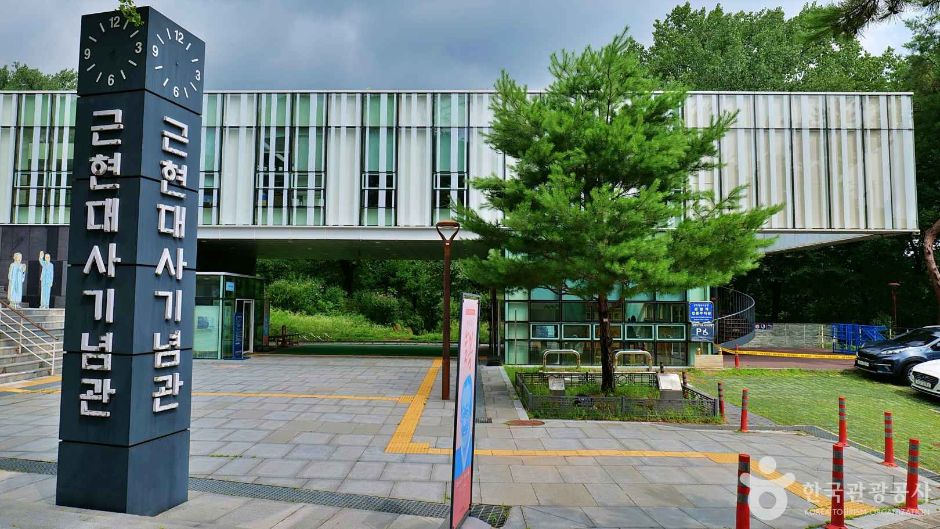
Are you fully aware of the traces of ardent wishes and sacrifices etched into this land we stand upon? What message does the proud past of the Republic of Korea, which we might have forgotten, convey to us living today? Located in Uidong, Gangbuk-gu, Seoul, the Museum of Modern and Contemporary History offers a journey to find the answers to those very questions.
Here, you will realize that history does not merely mean records of the past. It is a place where you can vividly experience the stories of countless nameless heroes who lived through turbulent times, and how the free and equal world they dreamed of shaped the current Republic of Korea. Shall we now follow in their footsteps?
Forgotten Names, Unending Cries: Where Their Stories Begin
Gangbuk-gu, Seoul, is more than just a geographical area; it is a sacred place where our nation’s spirit of independence and democratic history breathe. From the birthplace of the March 1st Movement Bonghwanggak to the graves of patriotic martyrs, and the National April 19th Democratic Cemetery, which became a landmark of Korean democracy, the Museum of Modern and Contemporary History is located amidst all these significant places. This place vividly displays our turbulent history, from the shouts of the Donghak Peasant Movement to the fervor of the April 19th Revolution, connecting the noble spirit of our ancestors to today.
Opened in May 2016, the museum emphasizes that universal values such as ‘freedom,’ ‘equality,’ and ‘democracy’ are precious legacies forged by the blood and sweat of our ancestors. Through compelling narratives, visitors will encounter the ideal future of the Republic of Korea, the nation dreamed of by independence activists and the fighters of the April Revolution. It continuously evolves through new special exhibitions and historical experience programs each year, providing deep resonance to visitors.
A Message Beyond Eras: Key Exhibition Highlights
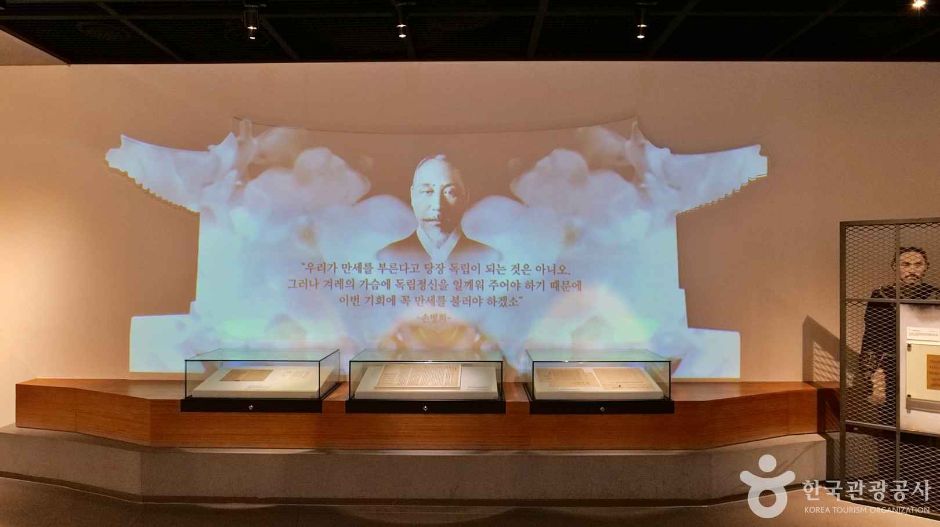
First Steps Towards Freedom: From Donghak to the March 1st Movement
- The Beginning of the Uprising It sheds light on the aspirations of the common people through the historical background and development of the Donghak Peasant Movement. Feel how the fervent cries of nameless commoners created a massive wave of change.
- The Flame of Independence You can feel the courage of our ancestors in spaces recreating the Declaration of Independence and the sites of the Manse (Hurrah) Movement during the March 1st Movement. The vivid presentation, as if the cheers of Manse echo beyond the walls, is impressive.
- Hope in Darkness It exhibits the activities of independence activists during the Japanese colonial period and the resistance spirit of the nation that never lost hope even amidst hardships. Encounter the embers that never died out even in harsh realities.
Crying for Equality: The Journey of Liberation and Democracy
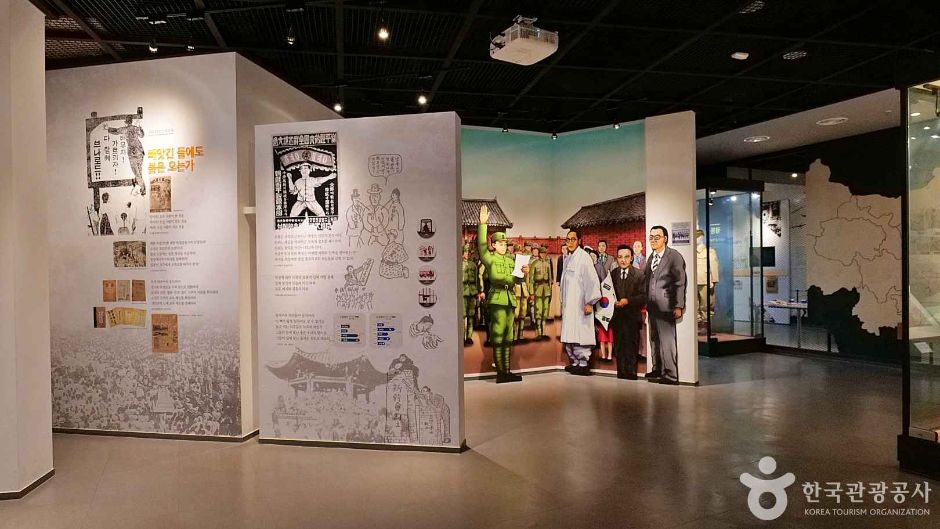
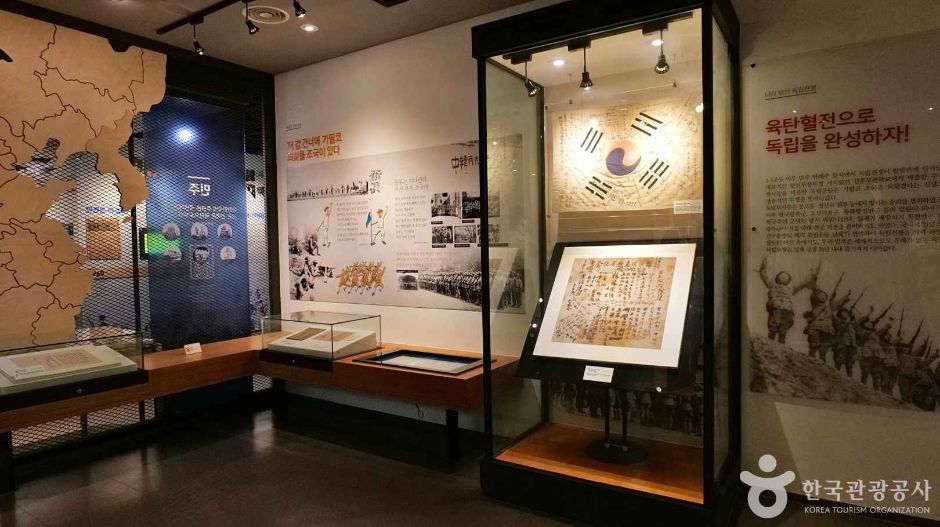
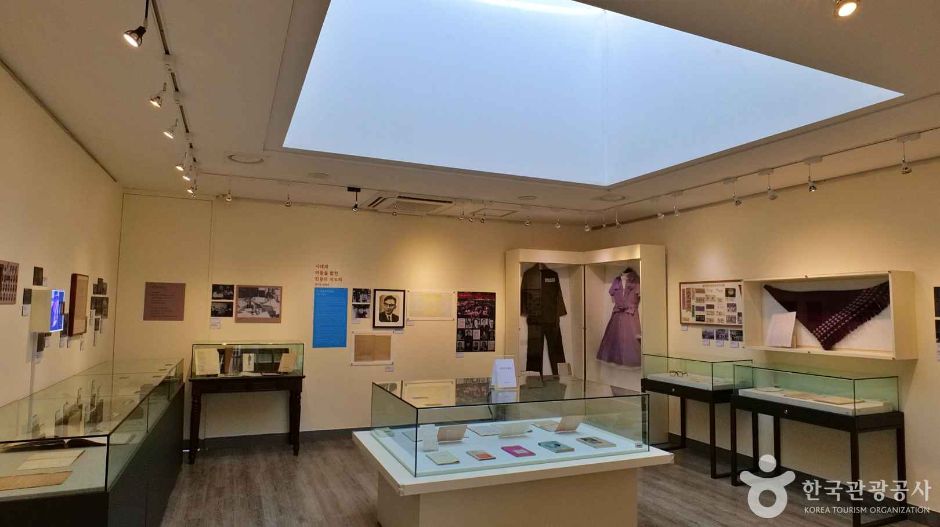
- The Joy of Liberation It covers the turbulent times after liberation and the efforts to build a new nation. You can glimpse the passion of those who sought new paths in a rapidly changing society.
- The Flower of Democracy It elaborates on the background and development of the April 19th Revolution and the great achievements made by students and citizens. See how a fervent desire for democracy changed the course of history.
- Today’s Republic of Korea This space reflects on how past sacrifices contributed to creating today’s free and equal society. In this space, you can have a meaningful time reflecting on your present.
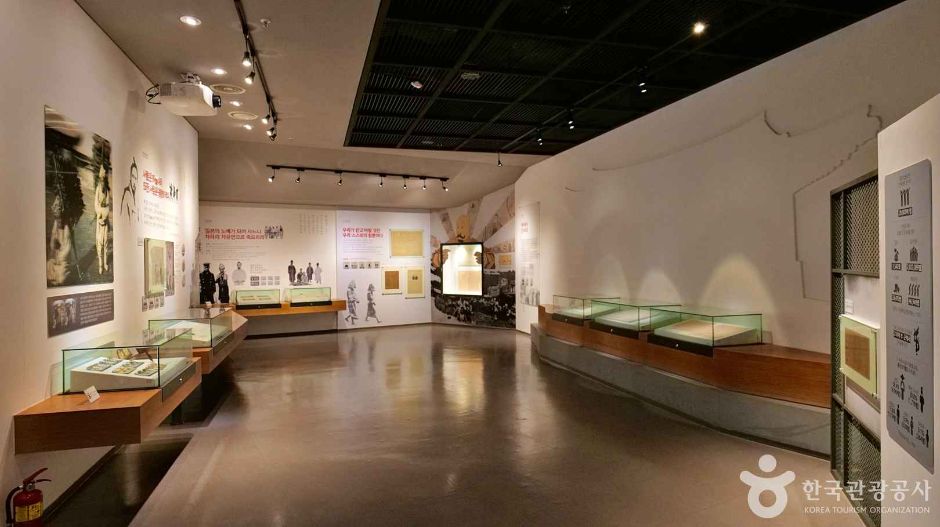
Each exhibition hall goes beyond simply displaying artifacts; it enhances visitor immersion by unfolding the ancestors’ anguish and hopes through storytelling. The vivid presentation, as if you are directly immersed in a scene from history, will provide an unforgettable impression.
Just This Before Your Visit! Tips for a Fulfilling Tour
Directions & Nearby Attractions
The Museum of Modern and Contemporary History can be conveniently visited by public transportation. It is located at 123 4·19-ro, Uidong, Gangbuk-gu, Seoul, and there are many historical sites nearby, such as the April 19th Democratic Cemetery and Bonghwanggak, making it good to explore together. Please refer to the map below for the exact location.
How to Maximize Your Viewing Experience by 200%
- Prior Research Before visiting, it’s good to check the main exhibition content and special exhibitions on the museum’s website in advance. Knowing your topics of interest beforehand will allow for a richer viewing experience.
- Utilize Docent Programs Listening to the docent commentary offered at scheduled times can help you gain a deeper understanding. The stories from expert guides will help you discover the hidden meanings of the exhibits.
- Connect with Nearby Attractions Plan your itinerary to include nearby historical sites such as the April 19th Revolution Memorial Tower or Bonghwanggak to complete your historical exploration course. You can spend a meaningful full day.
- Participate in Experience Programs Participating in the historical experience programs offered by the museum is also a great way to feel history more vividly. History experienced firsthand will be remembered longer.
- Allocate Sufficient Time It is recommended to take your time, reflect on the meaning of each exhibition hall, and view them slowly. Take your time to explore at a leisurely pace and feel the deep resonance.
The Future History Whispers: Engraving Our Commendments
The Museum of Modern and Contemporary History is not merely a space that displays the past. It is a living educational venue that makes us realize that the sacrifices and efforts of our ancestors became the foundation of the freedom and democracy we enjoy today, and prompts us to consider how we should fill the Republic of Korea that we will build in the future. We hope that every step taken here will engrave our history once more in our hearts and lead to a commitment towards a better future. We hope your visit will go beyond a simple historical exploration and become a valuable time for self-reflection and planning for tomorrow.
Frequently Asked Questions
Q1. What are the main exhibitions at the Museum of Modern and Contemporary History?
It covers the spirit of independence and the history of democracy of our nation, from the Donghak Peasant Movement to the April 19th Revolution. It conveys history through compelling narratives centered on the values of ‘freedom,’ ‘equality,’ and ‘democracy,’ helping visitors reflect on the sacrifices of our ancestors.
Q2. Are there any special programs for visitors?
Yes, the museum hosts new special exhibitions and various historical experience programs every year. You can have a richer experience by checking the current programs on the website before your visit and participating in them. Educational programs for young people are particularly popular.
Q3. Are there any nearby places worth visiting along with the Museum of Modern and Contemporary History?
Gangbuk-gu, Seoul, is adjacent to Bonghwanggak, the birthplace of the March 1st Movement, the graves of patriotic martyrs, and the National April 19th Democratic Cemetery, making it an excellent historical exploration course to visit together to reflect more deeply on the meaning of our history.
Q4. When was the museum opened, and what is its significance?
It opened in May 2016, and was established to convey that the nation dreamed of by independence activists and wished for by the fighters of the April Revolution is precisely the future vision of the Republic of Korea, and to remember and spread the will of our ancestors. It plays a crucial role in transmitting historical lessons to future generations.
Q5. Are there any helpful tips for visiting the Museum of Modern and Contemporary History?
It is recommended to participate in the docent commentary program or check exhibition information on the museum’s website in advance of your visit. Additionally, connecting your visit with nearby historical sites can make for a more fulfilling historical exploration, so it is recommended to plan your itinerary with ample time.