
Thousands of years ago, the message of ancient people, in search of the secret of the Goryeong Anhwari Rock Carvings


Imagine. Thousands of years ago, before humanity even mastered writing, what did they engrave on rocks? In Goryeong-gun, Gyeongsangbuk-do, there is a special place where you can go back in time and glimpse the wishes and traces of ancient people’s lives. That is the Goryeong Anhwari Rock Engravings.
The rock engravings here are not just simple drawings; they are ancient art and records containing the worldview and rituals of prehistoric people. Their deep reflections, as they sought the meaning of life and tried to interact with nature even in harsh environments, are fully condensed on the rock surface.
Today, we will embark on a journey through time, following the mysterious stories held within the Goryeong Anhwari Rock Engravings and their hidden historical value. Shall we go meet the silent witnesses testifying to this land’s long history?
Ancient Wishes Carved on Rock: The Forms of Anhwari Rock Engravings
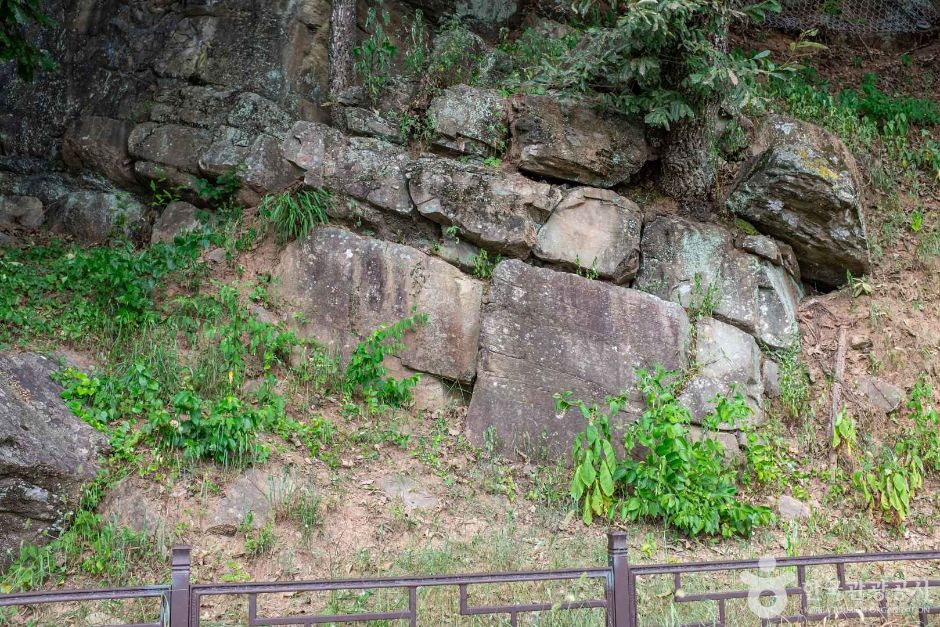
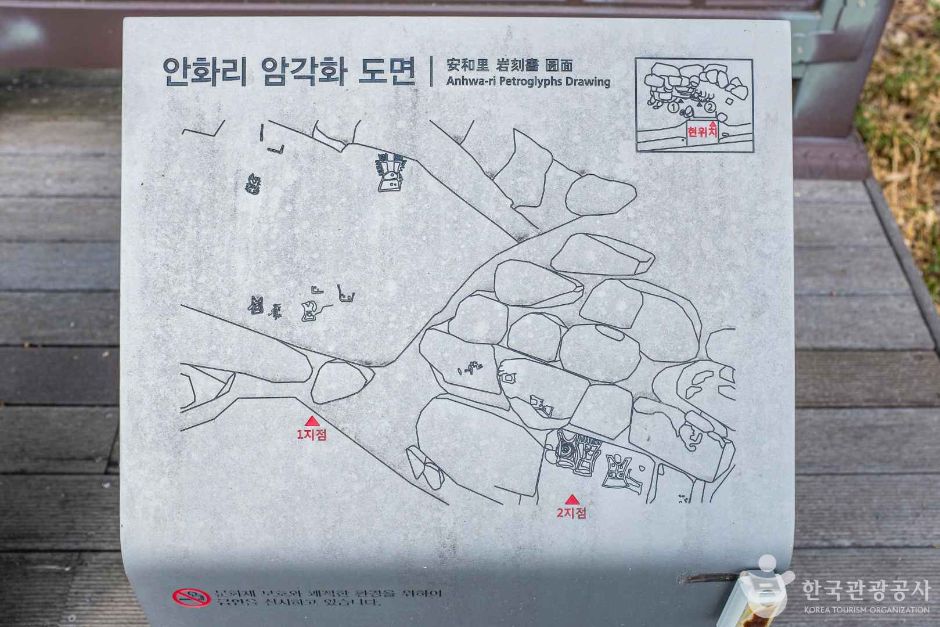
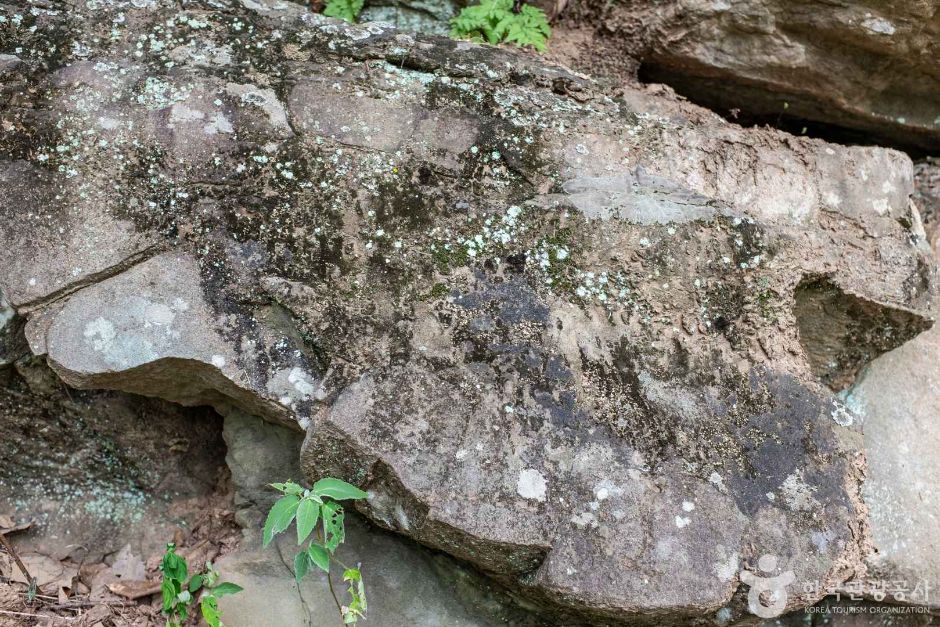
The Goryeong Anhwari Rock Engravings are rock art meticulously carved by prehistoric people on cliff faces. The three main drawings, created using the ‘pecking’ technique on a rock surface measuring 115cm horizontally and 90cm vertically, may seem simple, but the meaning contained within them is by no means light.
- U-shaped Semicircle: This form is fundamental to the rock engravings, and various interpretations exist regarding what it symbolizes. It is often presumed to represent life, abundance, or the worship of the sky.
- Bow-shaped Symmetrical Lines: These bow-shaped lines, drawn symmetrically to the left and right of the U-shaped semicircle, suggest the possibility of being tools related to hunting, warfare, or specific rituals.
- Small Hole (Seonghyeol): The small hole carved into the right drawing is sometimes interpreted as a type of ‘Seonghyeol’ (sacred hole) used in ancient societies to pray for fertility, abundance, or cosmic power. Their earnest wishes seem to have permeated the rock.
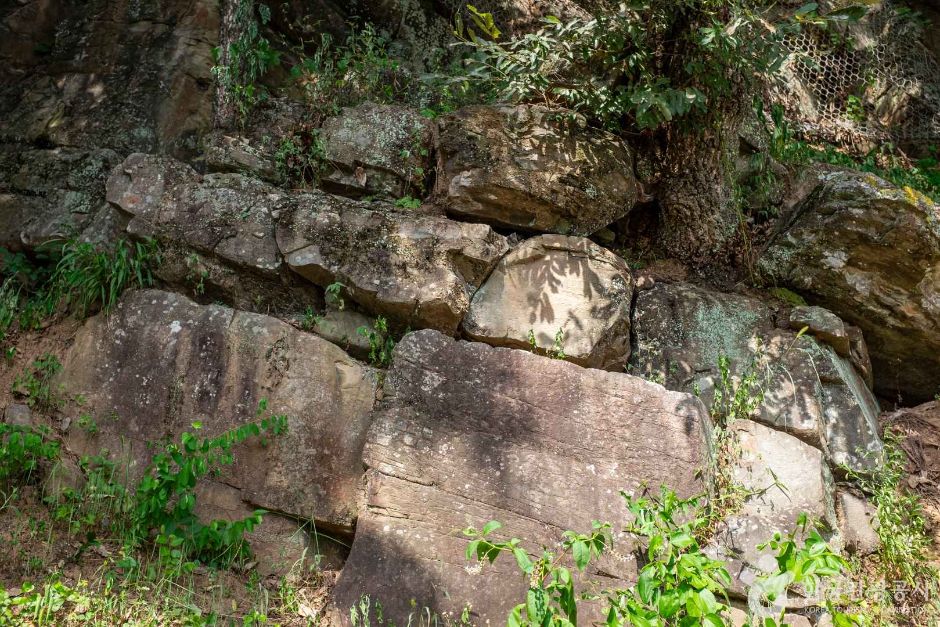
These remarkable drawings also exist 2-3 more on the cliff above the rock, and notably, similarities with the Yeongil Chilpo-ri Rock Engravings have been found, piquing academic interest. This suggests an intriguing hypothesis that people living in distant coastal areas and those in the inland shared similar rituals during the same era.
A Connection Beyond Time, Glimpsing the Exchange of Ancient Cultures
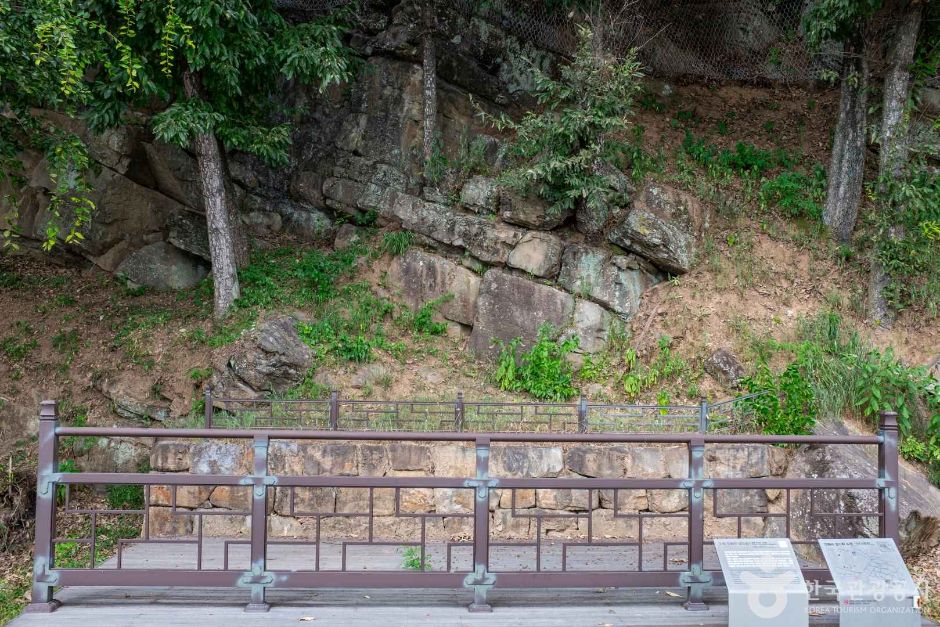
Mysterious Common Points with Yeongil Chilpo-ri
The similarities between the Goryeong Anhwari Rock Engravings and the Yeongil Chilpo-ri Rock Engravings go beyond mere coincidence. This strongly suggests that prehistoric people shared identical ideological systems, beliefs, or cultural elements across a wide area. What could have been the link connecting Goryeong in the inland and Chilpo-ri on the East Sea coast, transcending geographical distances? It is presumed that various forms of exchange, such as trade, migration, or religious pilgrimages, existed.
Ancient Society’s Network
- Traces of Trade: Through the rock art, we can infer that specific goods or technologies were exchanged. As local specialties were shared, culture would also have moved along.
- Spread of Beliefs: Common rituals imply that specific beliefs or worldviews were widely disseminated. The rock engravings were likely symbolic expressions of those beliefs.
- Formation of Communities: Similar cultures fostered a sense of solidarity among clans or tribes, and sometimes may have served as an impetus for the development of larger ancient communities.
The Way to Goryeong Anhwari Rock Engravings: How to Get There and Explore the Surroundings
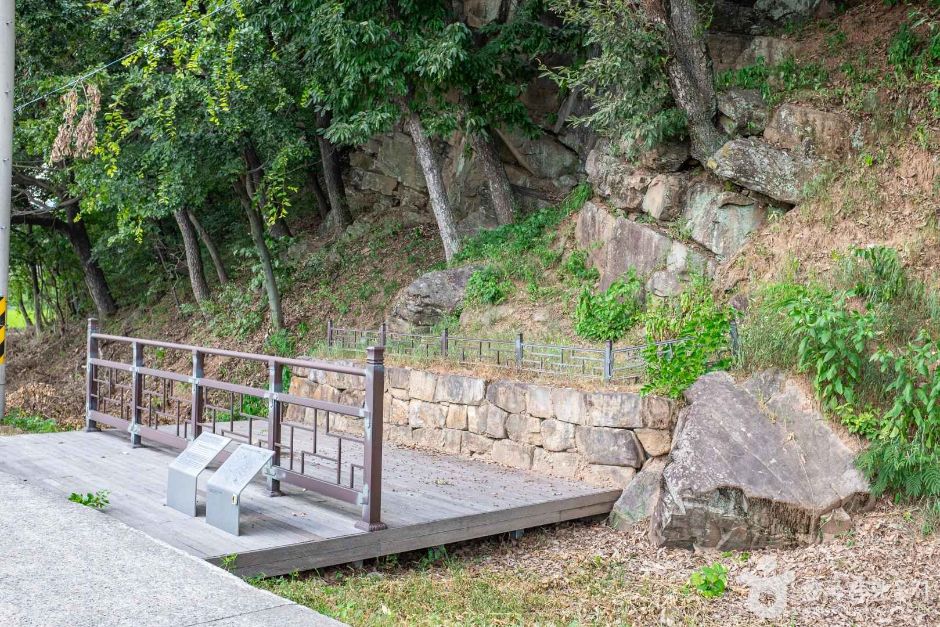
The Goryeong Anhwari Rock Engravings, where the breath of history comes alive, are located in Goryeong-gun, Gyeongsangbuk-do. Escaping the hustle and bustle of big cities and encountering traces of the prehistoric era in tranquil nature will undoubtedly provide a special moving experience. When using public transportation, it is common to travel to the Goryeong-gun Intercity Bus Terminal and then use local transportation; access is relatively convenient when using a private car.
Location:
Goryeong’s Other Charms, Explore Together
Goryeong boasts a variety of historical sites and natural landscapes in addition to the Goryeong Anhwari Rock Engravings. After visiting the rock engravings, explore Goryeong’s historical significance more deeply by visiting the Daegaya Museum or the Gaya Royal Tomb Exhibition Hall, where you can encounter the brilliant history of Gaya. Furthermore, strolling through the Goryeong Jisan-dong Tumuli is recommended to feel the breath of past kings. Fitting for the hometown of the Gayageum, you can also experience the essence of Korean music at the Ureuk Museum.
Smart Visiting Tips for Connecting with Antiquity
It is marvelous to directly encounter the precious heritage of the prehistoric era. However, our careful consideration is necessary to fully appreciate its value and ensure its preservation for future generations. Refer to the following checklist to plan a more enriching visit.
- Acquire Prior Information: Familiarizing yourself with basic information about the rock engravings before your visit will greatly help you interpret the drawings and imagine the minds of ancient people at the site.
- Wear Comfortable Attire: The rock engravings are located outdoors, and sometimes you may need to climb small hills or walk on unpaved paths. Comfortable shoes and clothing are recommended.
- Protect Nature and Heritage Sites: Absolutely refrain from touching or damaging the rock engravings. Let’s also keep the surrounding environment clean to show consideration for the next visitors.
- Consider Seasonal Characteristics: Spring and autumn are the best seasons to visit due to pleasant weather. In summer, pay attention to UV protection, and in winter, be careful of slipping.
- Photography Etiquette: While it is good to capture precious memories, please refrain from using flash or excessive photography that disturbs others. Respect for the heritage site is important.
The Goryeong Anhwari Rock Engravings are a precious legacy left by ancient people, and a mysterious entity that continuously poses questions to us. We hope you embark on your own special journey through time here.
Frequently Asked Questions
Q1. Who created the Goryeong Anhwari Rock Engravings, and when?
The Goryeong Anhwari Rock Engravings are presumed to have been made by prehistoric people. Although the exact period is unknown, they are classified as ancient relics based on the style and techniques of the rock engravings. At that time, people carved drawings by pecking at rocks with pointed tools.
Q2. What meanings do the rock carvings hold?
The U-shaped semicircles, bow-shaped lines, small holes, and other figures carved into the rock engravings are interpreted as containing various meanings such as life, abundance, fertility, hunting, and religious rituals. They appear to be symbolic expressions embodying the worldview and wishes of ancient people.
Q3. It is said to be similar to the Yeongil Chilpo-ri Rock Engravings; what is the connection?
The similarities between the two rock engravings suggest the possibility that people in prehistoric coastal and inland regions shared similar rituals or cultures. This serves as an important clue for studying the widespread exchange and communication methods of ancient societies.
Q4. Are there other places worth visiting around the Goryeong Anhwari Rock Engravings?
Yes, Goryeong-gun has various historical sites and museums where you can experience the history and culture of Gaya, such as the Gaya Museum, Gaya Royal Tomb Exhibition Hall, Goryeong Jisan-dong Tumuli, and Ureuk Museum. Visiting them in conjunction with the rock engravings will make your trip even richer.
Q5. Are there any special precautions to take when visiting the rock engravings?
As the rock engravings are precious cultural heritage, it is strictly forbidden to touch or damage them. Furthermore, as they are located outdoors, it is advisable to wear comfortable clothing and shoes and prepare for seasonal weather changes. Please also cooperate in protecting the environment around the historical site.