
Pavilion Walking Through Time: Jecheon Cheongpung Hanbyeongnu, into its hidden story


Have you ever imagined an architectural structure nestled quietly within magnificent nature, holding stories of countless ages? Among the famous attractions of Jecheon, Jecheon Cheongpung Hanbyeokru, which creates a uniquely mysterious atmosphere, is not just a pavilion. It is a living legacy where you can simultaneously encounter a deep history dating back to the Goryeo period and the essence of Joseon-era architecture.
In particular, this Hanbyeokru is considered a prime example of the ‘ikrang pavilion’ style of the Joseon period, and it is the only existing structure that has perfectly preserved its original form to this day. What stories does this pavilion hold, having steadfastly maintained its position through countless hardships? Let’s explore its secret charm together.
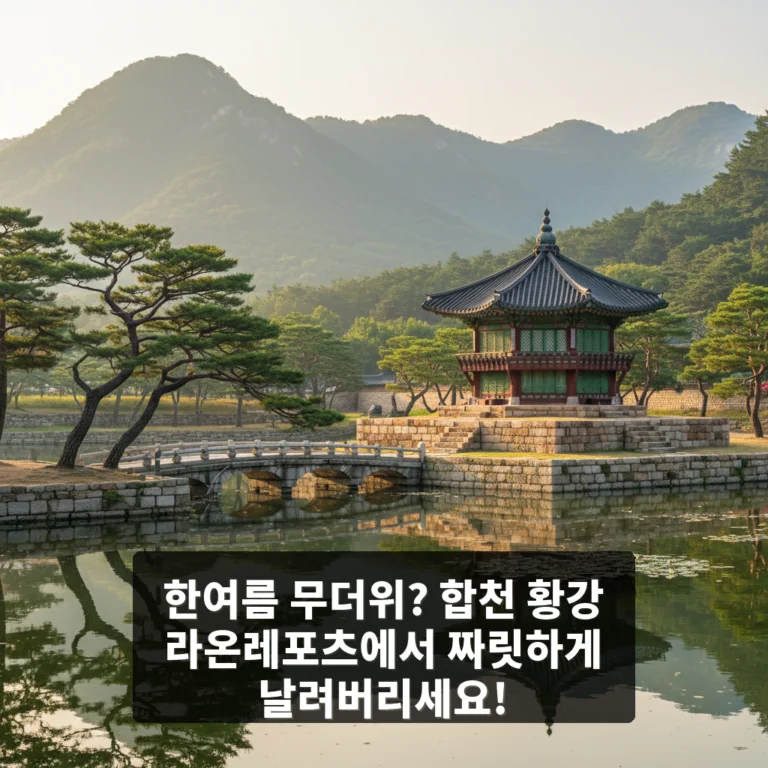
Harmonizing with the beautiful scenery of Chungjuho Lake, Jecheon Cheongpung Hanbyeokru shines even brighter, offering visitors the harmonious beauty of history and nature, and a sense of peace as if time has stopped.
The Thousand-Year Breath Flowing Along the Waterway, The Birth of Hanbyeokru
As its name suggests, Jecheon Cheongpung Hanbyeokru is a pavilion situated by blue waters, first built in 1317, the 4th year of King Chungsuk of Goryeo. At the time, it was built to the east of the guesthouse to commemorate Cheonggong, a monk from Cheongpung, becoming a royal preceptor, and to celebrate Cheongpunghyeon being elevated to a “gun” (county). As such, Hanbyeokru is more than just a building; it holds monumental significance, remembering important events and figures of its era.
Hanbyeokru, The Architectural Aesthetics Connecting Goryeo and Joseon
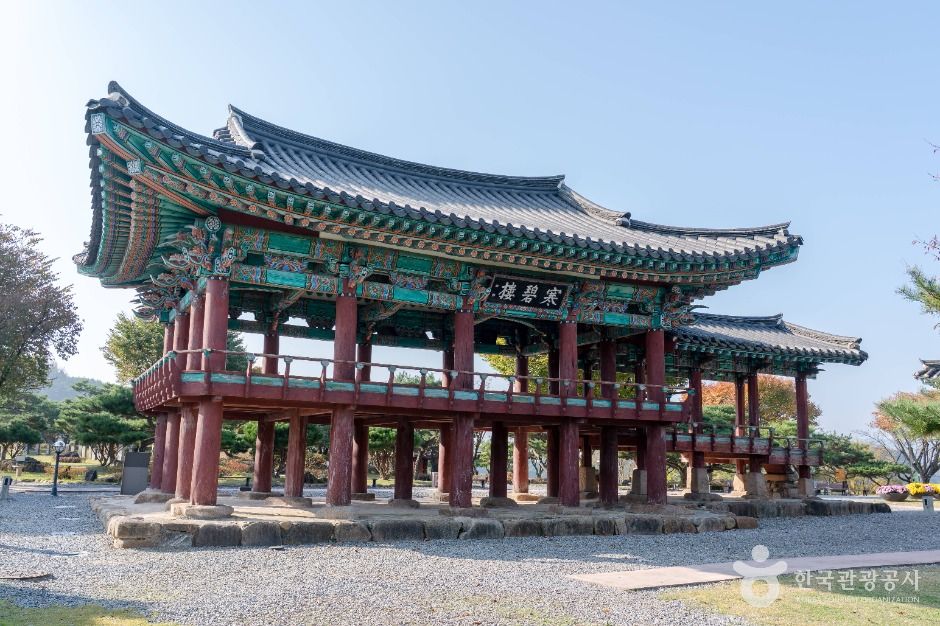
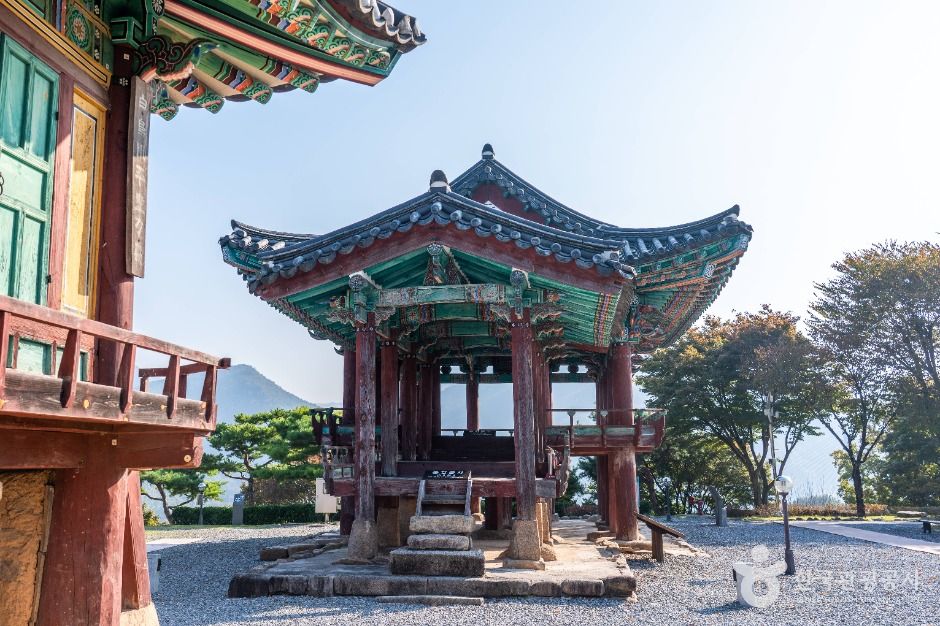
- Background of Origin Built in the 4th year of King Chungsuk of Goryeo (1317), commemorating Cheongpunghyeon’s elevation to a “gun” (county) and the appointment of Monk Cheonggong from Cheongpung as a royal preceptor.
- Historical Value It served as a regional center for a long time, a place where many literati and scholars enjoyed arts and leisure.
- Restoration and Relocation It was severely damaged by a great flood in 1872 but was restored to its original form in 1875. Later, due to the construction of Chungju Dam in 1985, it was relocated and restored to its current location within the Cheongpung Cultural Heritage Complex, where it remains today.
The Essence of Joseon Period Pavilions, The Unique ‘Ikrang’ Architectural Style
The reason why Jecheon Cheongpung Hanbyeokru is special lies in its unique architectural style. This pavilion is considered one of the three great ikrang pavilions of the Joseon period, and it is the only building that has preserved its original form almost entirely to this day. An ikrang pavilion refers to a form where a small annex is connected like a wing next to the main building. Among these, Hanbyeokru boasts the most concise and elegant exterior.
A Look into Hanbyeokru’s Architectural Charm
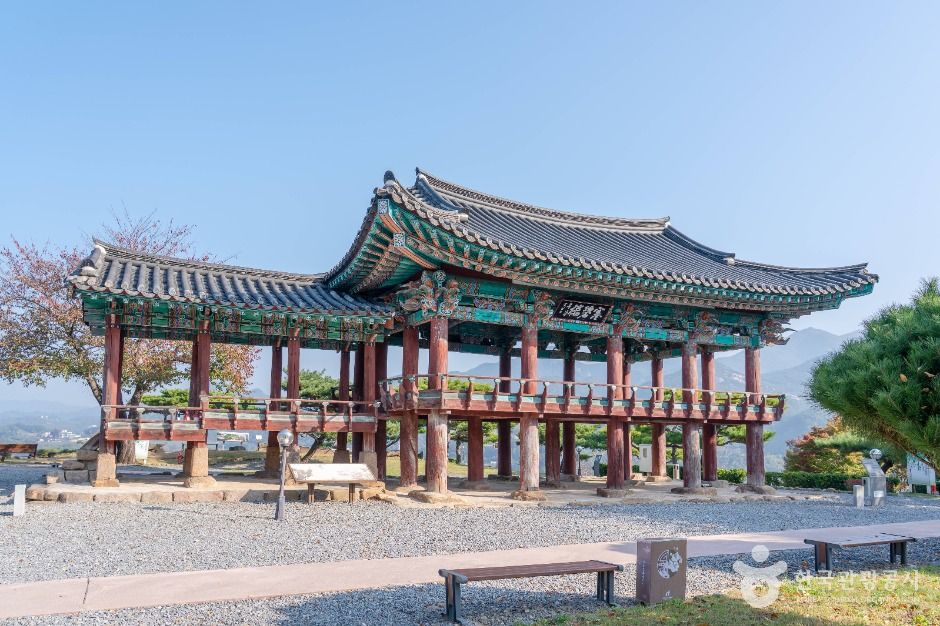
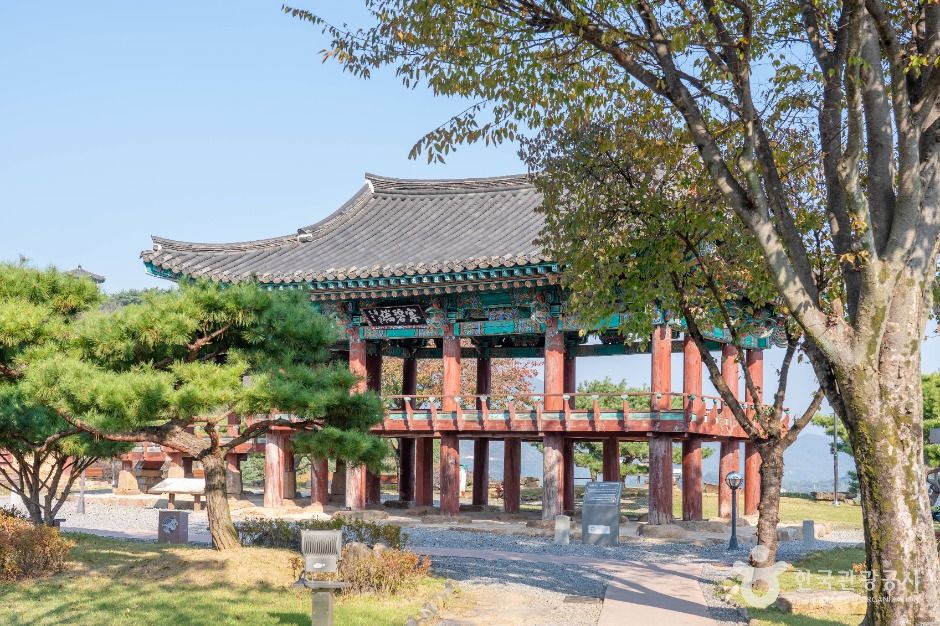
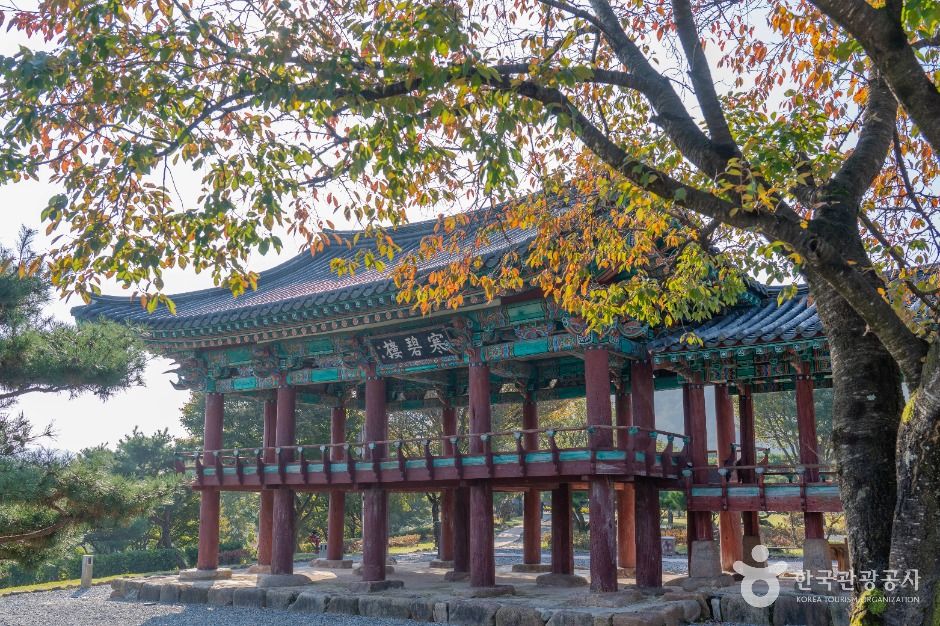
Looking closely at the structure of the pavilion, a two-story main pavilion with 4 kan (bays) on the front and 3 kan (bays) on the side is naturally connected to a stepped ikrang building with 3 kan (bays) on the front and 1 kan (bay) on the side. This structure showcases the wisdom of harmoniously connecting the main building and the ikrang, providing visual stability while also enhancing space utilization.
| Pavilion Name | Characteristics | Exterior |
|---|---|---|
| Jecheon Cheongpung Hanbyeokru | The only existing structure among the three great ikrang pavilions of Joseon | The most concise and elegant exterior |
| Miryang Yeongnamnu | One of the three great ikrang pavilions of Joseon | Grand and splendid architectural beauty |
| Namwon Gwanghallu | One of the three great ikrang pavilions of Joseon | A representative example of harmonious main and annex buildings |
It is said that a calligraphy plaque by Uam Song Si-yeol, a tablet by Kim Su-jeung, and a plaque inscribed ‘Cheongpung Hanbyeokru’ by Kim Jeong-hui were once hung there, but unfortunately, none remain today. However, their names alone offer a glimpse into the footsteps of the greatest intellects of their time, further stimulating the imagination.
Stories Around Hanbyeokru to Enjoy at Cheongpung Cultural Heritage Complex
Jecheon Cheongpung Hanbyeokru is located within the Cheongpung Cultural Heritage Complex, allowing visitors to enjoy not only Hanbyeokru but also various historical sites and beautiful scenery. This place was created by relocating cultural properties that were in danger of being submerged due to the construction of Chungju Dam, containing the pain of history and efforts for preservation.
Don’t Miss It! Nearby Attractions to Enjoy with Hanbyeokru
- Cheongpung Lake Cable Car Located not far from Hanbyeokru, it offers a thrilling experience to take in the secret beauty of Cheongpungho Lake at a glance.
- Cheongpung Land You can enjoy various extreme sports like bungee jumping and ejection seats, making it especially popular among young people.
- Cheongpung Cultural Heritage Complex An educational place where you can catch a glimpse of the lives and culture of ancient ancestors through various old houses, stone structures, and more.
- Water Art Hall A unique architectural structure floating on Cheongpungho Lake, it’s great for enjoying performances as well as admiring the surrounding scenery.
Tips for a Smart Visit
- Parking You can use the Cheongpung Cultural Heritage Complex parking lot, which is paid.
- Admission Fee There is an admission fee when entering the Cheongpung Cultural Heritage Complex. Purchasing a combined ticket allows you to use other nearby facilities, which is convenient.
- Best Time to Visit It is a place where cherry blossoms are beautiful in spring and autumn leaves in fall, so experience different charms each season. The cool lake breeze in summer is also excellent.
- Time Allowance To look around the entire complex, including Hanbyeokru, it is recommended to allow at least 2 to 3 hours.
Jecheon’s Gem, Holding a Thousand Years of Wisdom and Poetic Elegance
Elegantly standing against the serene backdrop of Chungjuho Lake, Jecheon Cheongpung Hanbyeokru transcends a simple tourist destination. This place represents the breath of the Goryeo period, the aesthetics of Joseon-era architecture, and the history and spirit of our nation, steadfastly preserved through countless hardships.
Standing at Hanbyeokru and gazing at the distant blue lake, you can feel as if you’ve become a time traveler. Just as ancient scholars composed poetry and enjoyed poetic elegance here, why not you too forget the hustle and bustle of the world for a while and immerse yourself in the fragrance of history? It will be an unforgettable experience that will deepen your Jecheon trip.
Frequently Asked Questions
Q1. What historical significance does Jecheon Cheongpung Hanbyeokru hold?
Hanbyeokru is a pavilion built in the 4th year of King Chungsuk of Goryeo (1317) to commemorate Cheongpunghyeon’s elevation to a “gun” (county) and the appointment of Cheonggong, a monk from Cheongpung, as a royal preceptor. During the Joseon period, it was considered one of the three great ikrang pavilions, and it holds extremely important architectural value as it is the only existing ikrang pavilion that has preserved its original form.
Q2. What makes Hanbyeokru’s ‘ikrang’ style special?
‘Ikrang’ refers to a form where a small annex is connected like a wing next to the main building. Hanbyeokru has a stepped ikrang (3 kan on the front, 1 kan on the side) connected next to the main building (4 kan on the front, 3 kan on the side, two stories), which is a representative example of the unique, concise, and elegant Joseon-era architectural style that simultaneously achieves space utilization and aesthetic beauty.
Q3. It is said that traces of famous figures such as Uam Song Si-yeol and Kim Jeong-hui were found at Hanbyeokru. Can they still be seen today?
Unfortunately, handwritten plaques by Uam Song Si-yeol, tablets by Kim Su-jeung, or the ‘Cheongpung Hanbyeokru’ plaque by Kim Jeong-hui do not remain today. However, these records serve as evidence that Hanbyeokru was a space of significant meaning even to the greatest intellectuals of its time.
Q4. Why is Jecheon Cheongpung Hanbyeokru located in the current Cheongpung Cultural Heritage Complex?
Hanbyeokru was originally located in Eup-ri, Cheongpung-myeon, but it faced the risk of being submerged due to the construction of Chungju Dam in 1985. Consequently, it was relocated and restored to its current location within the Cheongpung Cultural Heritage Complex for the preservation of cultural properties. This complex was created by moving various cultural properties from the submerged area, and Hanbyeokru, as part of it, continues the flow of history.
Q5. Are there places around Hanbyeokru worth visiting when touring it?
Yes, the Cheongpung Cultural Heritage Complex itself, where Hanbyeokru is located, has various old houses, stone structures, and more, making it good to explore together. Additionally, nearby are the Cheongpung Lake Cable Car, Cheongpung Land, Water Art Hall, and many other attractions, making it perfect for a day trip.