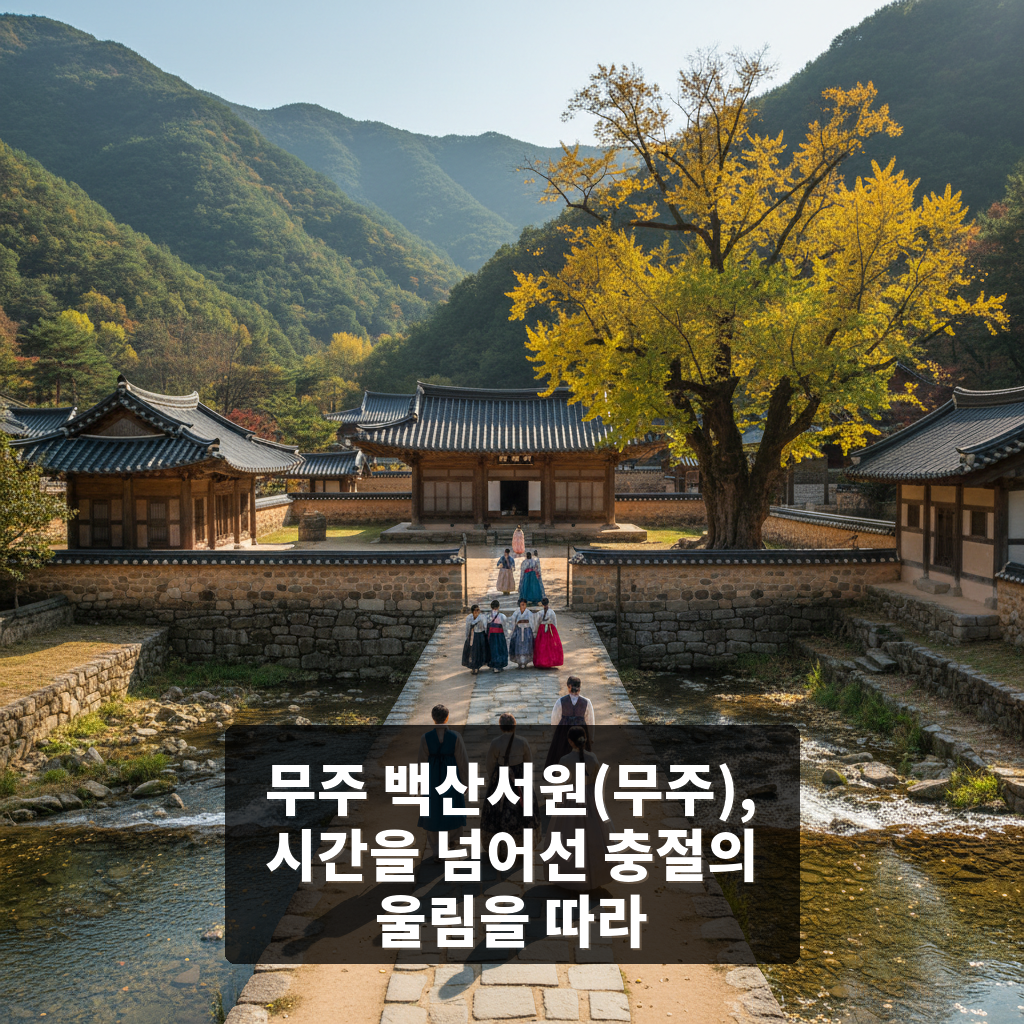
Muju Baeksanseowon (Muju), Following the echoes of loyalty that transcend time


What kind of resonance can the shadows of the past give to the present? Baeksanseowon (Muju), located deep in Muju, is more than just a historical site; it is a place of historical education that fully embodies the wisdom and loyalty of an era. In this seemingly forgotten, tranquil place, you can catch a glimpse of the life of Hajeon, a clean official of the early Joseon Dynasty, and the eventful history of the seowon.
While many seowon disappeared or were altered amidst the tides of time, Baeksanseowon steadfastly maintains its place, commemorating the spirit of our ancestors. In particular, the footsteps of Hajeon, who was referred to as the ‘Seungpyeongsumun Jaesang’ (Prime Minister who maintained peace and upheld laws), offer profound lessons for us today. Shall we now explore its hidden story together?
Integrity through the ages: The story of Baeksanseowon (Muju)
During the early Joseon Dynasty, the civil official Hajeon (河演) was a figure who shone with unyielding integrity and an upright life amidst chaotic times. His pen names were Gyeongjae or Sinhui, and he studied under Jeong Mong-ju, a loyal subject of the late Goryeo Dynasty. He passed the triennial Gwageo examination (Siknyeonmun-gwa) with a byeonggwa rank in the 5th year of King Taejo’s reign (1396) and entered public service, later rising to the position of Yeonguijeong (Chief State Councillor). For over 20 years, he served in the Uijeongbu (State Council) with integrity and strict adherence to the law, earning him the title ‘Seungpyeongsumun Jaesang’ (Prime Minister who maintained peace and upheld laws). Baeksanseowon (Muju) was established precisely to commemorate such a person as Hajeon and his spirit.
Early Joseon Dynasty: Walking the path of a clean official
- Figure Hajeon (河演) (Pen names: Gyeongjae, Sinhui)
- Background Disciple of Jeong Mong-ju; passed the Siknyeonmun-gwa examination with a byeonggwa rank in the 5th year of King Taejo’s reign (1396)
- Achievements Served in various high government positions, including Yeonguijeong; praised as ‘Seungpyeongsumun Jaesang’ for his integrity over 20 years
Besides Hajeon, the spirit tablets of several other figures, including his wife Jeonggyeongbuin Seongsan Yi Clan, and his descendants Ha Wi-guk, Ha Jingdo, Ha Jeongdo, Ha Hyeongdo, and Ha Hyeondo, are enshrined here at Baeksanseowon. Tajinsa and Baeksansa within the seowon are important spaces that continue their noble spirit to this day.
The ups and downs of the seowon, overcoming the waves of history
The history of Baeksanseowon was not without its challenges. In the 21st year of King Sunjo’s reign (1821), it was designated as a Saaek Seowon (a seowon recognized by the state) by receiving a plaque named ‘Tajinsa’ from the state, thus elevating its status. However, this did not last long. In the 5th year of King Gojong’s reign (1868), Tajinsa could not be an exception in the face of the massive historical wave of Heungseon Daewongun’s order to abolish seowon. At that time, countless seowon were abolished, and Tajinsa also could not escape that tragedy.
Heungseon Daewongun’s Abolition Order and the meaning of reconstruction
Klook.com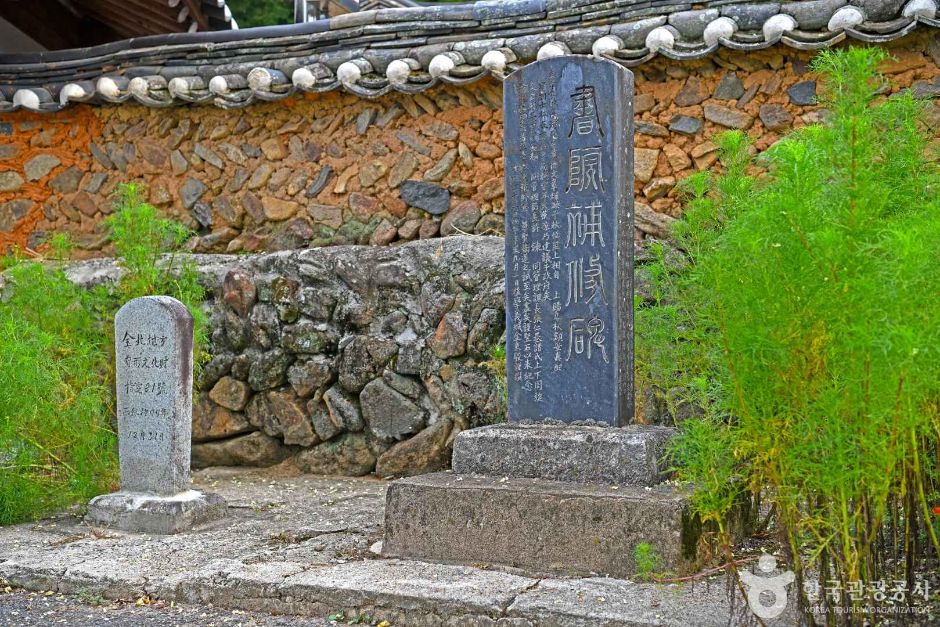
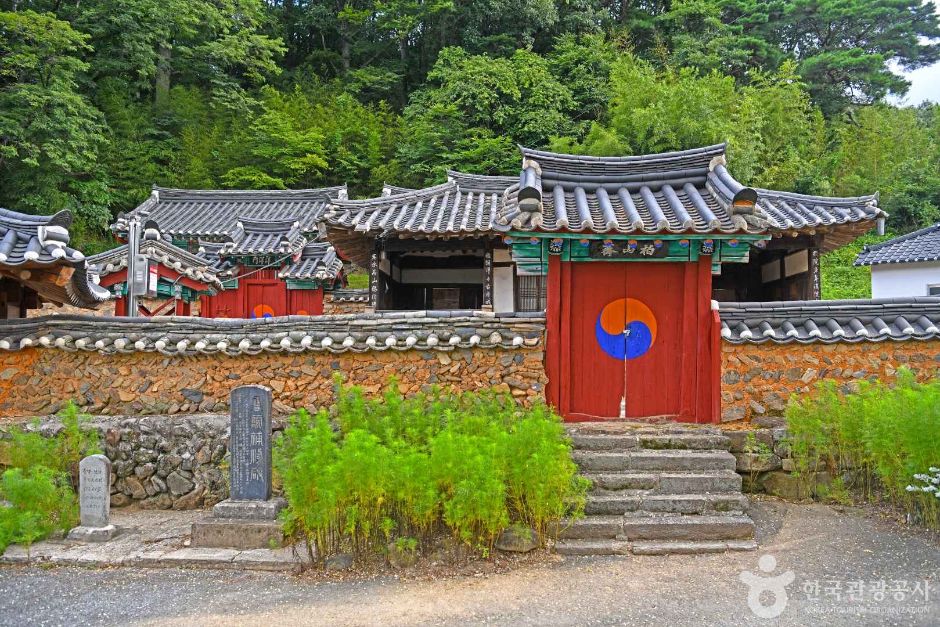
However, Hajeon’s descendants did not give up commemorating the spirit of their ancestor. In 1917, they rebuilt the seowon on the abolished site and renamed it Baeksanseowon (Muju), which it remains to this day. This is more than just rebuilding a structure; it demonstrates the strong will of the descendants who, even amidst the trials of the era, did not forget their ancestor’s wishes and sought to carry on his legacy.
| Period | Seowon Name | Major Event |
|---|---|---|
| 21st year of King Sunjo’s reign (1821) | Tajinsa | Designated as Saaek Seowon (plaque) by the state |
| 5th year of King Gojong’s reign (1868) | Tajinsa | Abolished by Heungseon Daewongun’s order to abolish seowon |
| After 1917 | Baeksanseowon | Reconstructed by Hajeon’s descendants, leading to its present name |
Strolling through the seowon amidst a tranquil landscape
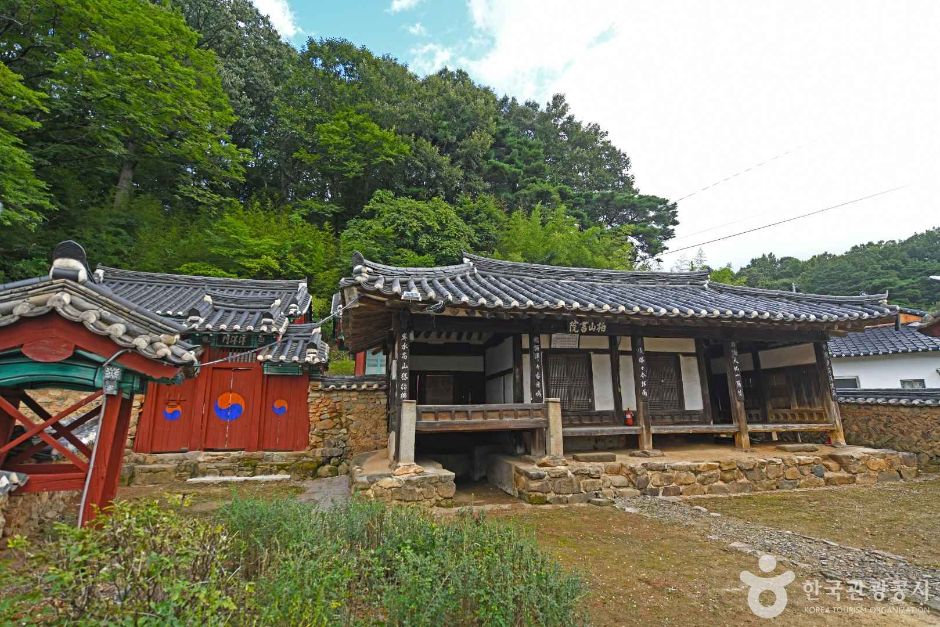
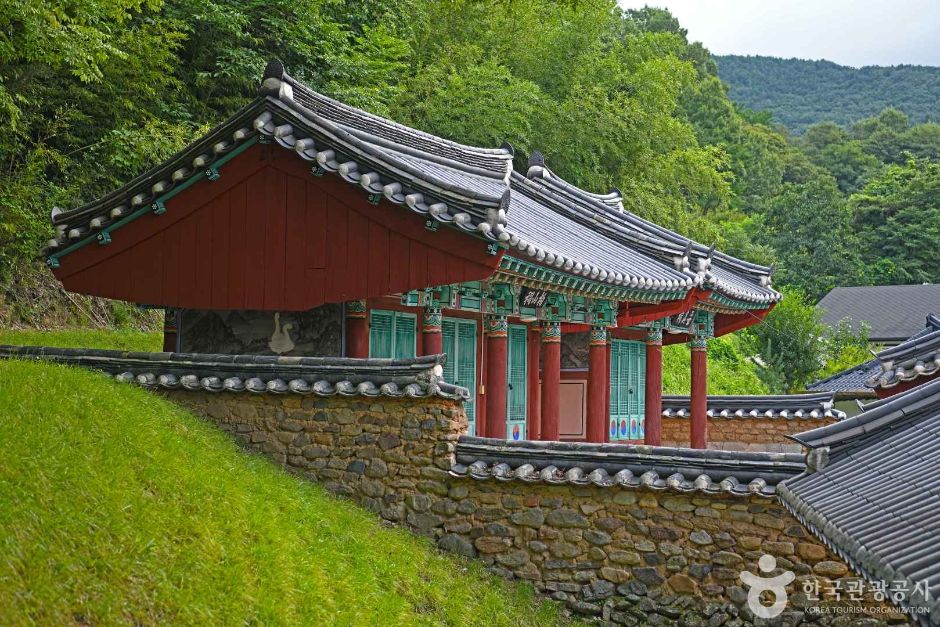
Currently, major buildings such as Tajinsa, Baeksansa, and the lecture hall are well-preserved at Baeksanseowon (Muju). Upon entering the seowon, visitors are greeted by a quiet and orderly atmosphere. The seowon buildings, in particular, possess a refined beauty. Tajinsa, the main building, measures one kan (bay) in the front and one kan on the side, and is built with a gambrel roof that resembles the Chinese character ‘人’ (in, meaning person) when viewed from the side, adding to its elegance.
Tajinsa and Baeksansa, who rests here?
- At the center of Tajinsa, the spirit tablets and portraits of Hajeon and Jeonggyeongbuin Seongsan Yi Clan are enshrined, and on the right, the spirit tablet of Ha Wi-guk is enshrined.
- At Baeksansa, descendants of Hajeon, including Ha Jingdo, Ha Jeongdo, Ha Hyeongdo, and Ha Hyeondo, are commemorated. It boasts a slightly larger space than Tajinsa, measuring three kan in the front and one kan on the side.
- Lecture Hall This was a space where academic research and the education of Confucian students took place, offering a glimpse into the original function of the seowon.
Strolling slowly through the seowon and reflecting on the meaning and historical facts held by each building will offer a deeper impression than any historical drama. Discover the traces of time past within this tranquil space.
Getting to Baeksanseowon (Muju) and nearby attractions
Baeksanseowon (Muju) is located in Baeksan-ri, Seolcheon-myeon, Muju-gun, Jeollabuk-do. When using public transportation, you can take a bus towards Seolcheon from Muju Intercity Bus Terminal, or if driving, you can conveniently visit by searching the address on your navigation system. The seowon, appearing after winding along the mountain road, will feel like an entrance to time travel.
For a more accurate location, please refer to the map below.
Enjoy your Muju trip like this
- Nearby Tourist Attractions Muju offers a variety of sights, including Deogyusan National Park, Muju Taekwondowon, and Bandi Land. After visiting Baeksanseowon, it is also recommended to relax in nature or experience Korea’s spiritual culture.
- Visitor Tips Seowon are generally open year-round, but it is advisable to check relevant information before visiting in case of internal events or maintenance situations. Please observe quietly to maintain the tranquil atmosphere and cooperate in protecting the facilities within the seowon.
- Parking Information Parking spaces for visitors are available around the seowon, so please keep this in mind if you are driving.
Following the traces of time: Lessons from Baeksanseowon
Located deep in the mountains of Muju, Baeksanseowon (Muju) is more than just a historical site; it is a living space where Hajeon’s integrity and his descendants’ steadfast will reside. The history of the seowon, which has undergone repeated damage and reconstruction through turbulent times to reach the present day, offers us many implications.
Reasons why we should visit Baeksanseowon today
Here, we can directly see and feel how an individual’s upright life can serve as an example for future generations across eras, and how the importance of history can be passed down. In our rapidly changing modern society, take a moment to pause and discover inner reflection and true values through the profound stories held within Baeksanseowon.
Frequently Asked Questions
Q1. What figures does Baeksanseowon (Muju) commemorate?
Baeksanseowon is a seowon established to commemorate Hajeon, a clean official and Yeonguijeong during the early Joseon Dynasty, his wife Jeonggyeongbuin Seongsan Yi Clan, and their descendants.
Q2. When was Baeksanseowon established?
Baeksanseowon became a Saaek Seowon under the name ‘Tajinsa’ in the 21st year of King Sunjo’s reign (1821), but the current ‘Baeksanseowon’ was reconstructed by descendants in 1917 after it was abolished by Heungseon Daewongun’s order to abolish seowon in the 5th year of King Gojong’s reign (1868).
Q3. What happened to Baeksanseowon during the order to abolish seowon?
Due to Heungseon Daewongun’s order to abolish seowon, Baeksanseowon, which was then ‘Tajinsa,’ suffered the pain of abolition, but it was rebuilt by descendants in 1917.
Q4. Are there any nearby places worth visiting along with Baeksanseowon?
Yes, Muju offers a variety of tourist attractions where nature and culture harmoniously blend, such as Deogyusan National Park, Muju Taekwondowon, and Bandi Land, making them great places to explore together.
Q5. Are there any special precautions to keep in mind when visiting Baeksanseowon?
As the seowon is a quiet and historical space, please observe silently for the sake of other visitors and take care to protect the facilities. It is advisable to check the opening status before your visit.
 Love Korea? Promote it & Earn.