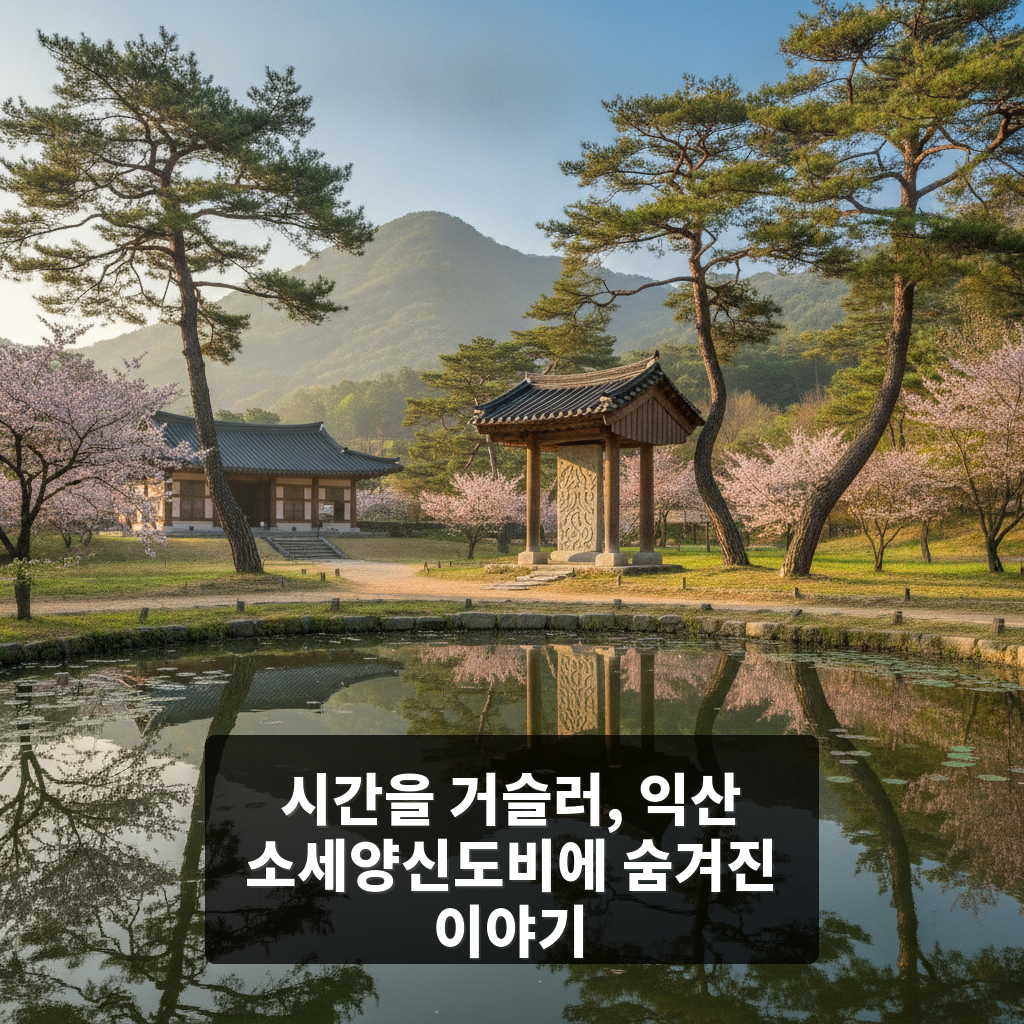
Going back in time, the story hidden in Iksan Soseyang Sindobi


If the life of a Joseon Dynasty figure and the turmoil of the times are fully contained in a single stele that has endured for a long time, how deep and resonant would that story be? Today, through the Soseyang Sindobi, proudly located in Iksan, we aim to trace the footsteps of a literary figure who lived through an era. Beyond the mere characters carved in stone, shall we explore together the historical significance and artistic value embedded within it?
Yang-gok Soseyang (1486~1562), a scholar and official of the early Joseon Dynasty, was a figure who navigated through tumultuous times, upholding his upright beliefs even amidst a dramatic life. This stele, erected to commemorate his life and achievements, serves as more than just a monument; it is a valuable window into the history and culture of that era.
Now, let’s delve deep into the interesting historical stories told by the Soseyang Sindobi.
Who was Soseyang, the elite of Joseon?
To understand the Soseyang Sindobi, one must first know the life of Master Soseyang, the protagonist of the stele. His ancestral seat was Jinju (晉州), his courtesy name was Eon-gyeom (彦謙), and his pen names were Yang-gok (陽谷), Toe-jae (退齋), and Toehudang (退休堂). Posthumously, he was granted the posthumous name Munjeong (文靖). He passed the Jinsasi (licentiate examination) in 1504, gaining early recognition for his academic prowess.
A Dramatic Official Career
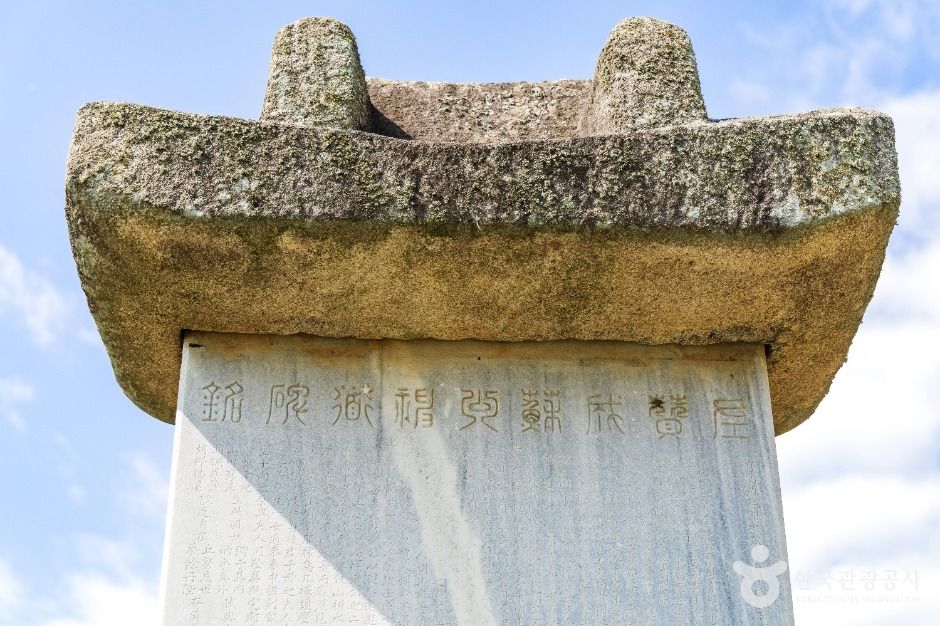
Master Soseyang’s official career coincided with the turbulent political history of Joseon. While serving as Suchan, he made significant contributions by strongly recommending the restoration of Queen Hyeondeok, mother of King Danjong, and relocating her tomb to Hyeonreung. This was a remarkably courageous act for that time. Thereafter, he served in various key positions such as Yeongjeopsa Jongsa-gwan, Jeollado Gwanchalsa, Panseo, and Uchanseong, contributing to the development of the nation.
- Major Positions Suchan, Yeongjeopsa Jongsa-gwan, Jeollado Gwanchalsa, Panseo, Uchanseong
- Key Achievements Recommendation for restoration of Queen Hyeondeok and leadership in relocating her tomb to Hyeonreung
- Period of Life A turbulent period of the early Joseon Dynasty spanning four generations, from Yeonsangun, Jungjong, Injong, to Myeongjong.
However, his life was not always smooth. He was impeached by the Yun Im faction and temporarily resigned, but was reappointed during King Myeongjong’s reign, continuing his official career and experiencing the volatile times firsthand.
Stone Embracing Time: The Beauty and Value of Soseyang Sindobi
The Soseyang Sindobi, located in Iksan, is a significant cultural heritage that transcends a simple monument, fully embodying the aesthetics and historical value a stele should possess. It is currently designated as a Jeollabuk-do Tangible Cultural Heritage, and is systematically managed by the Jinju So clan’s Iksan branch association, thus maintaining its dignity.
Composition that Completes the Dignity of the Stele

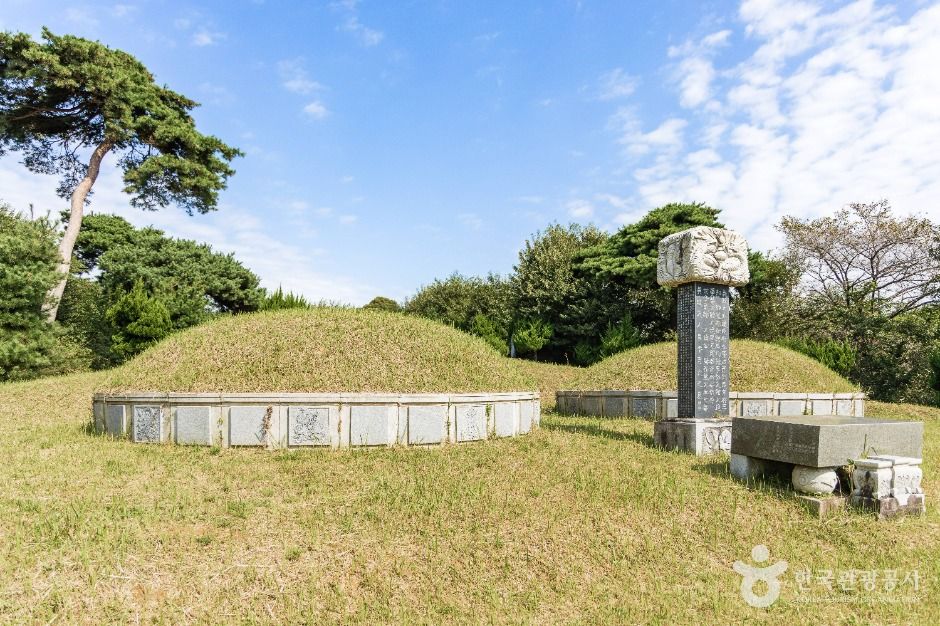
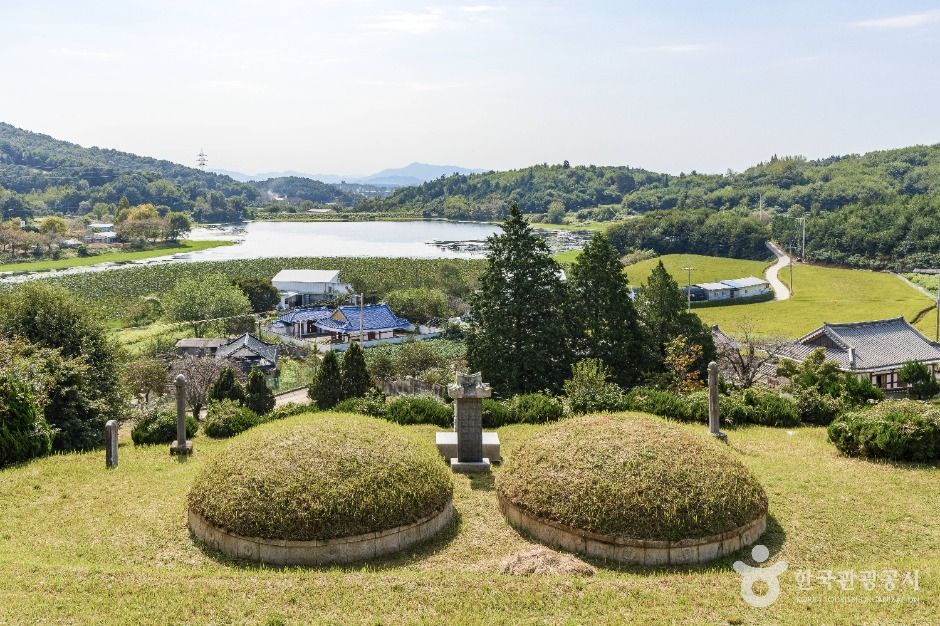
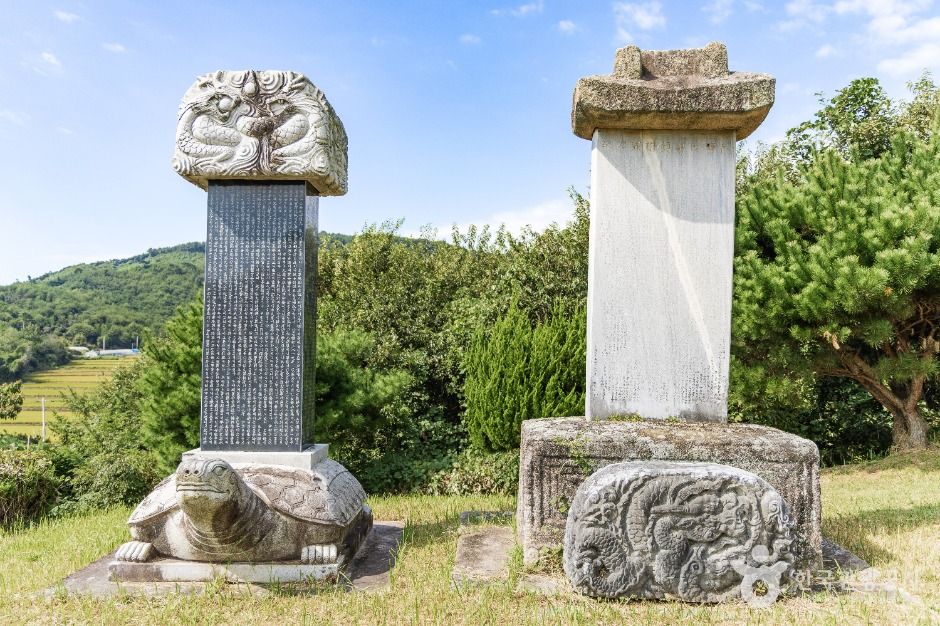
- Geodan (Base) This is the foundational part of the stele, providing stability.
- Bisin (Body) This is the body where the achievements and life of the figure are carved. On the bisin of the Soseyang Sindobi, the story of Master Soseyang is recorded in beautiful calligraphy.
- Isu (Capstone) This is the carving placed at the very top of the stele, featuring a dragon’s form to enhance the stele’s dignity.
This Tomb Stele perfectly possesses the basic components of a stele—geodan, bisin, and isu—making it a very valuable resource for stele research. In particular, the carving and calligraphy are highly praised for their beauty, further elevating its artistic value.
Witness to History and Record of Time
Most importantly, the Soseyang Sindobi was erected before the Imjin War. Among the steles remaining in Iksan today, it dates back to a very early period, and is thus regarded as a precious artifact that miraculously survived the ravages of war. Its preservation status is generally good; although the isu (capstone) of the geodan (base stone) was damaged and replaced, its original beauty and value still shine.
Steps into History: How to Find Soseyang Sindobi
Nestled amidst the tranquil scenery of Iksan, the Soseyang Sindobi is a perfect place for those who wish to escape the busy daily routine and immerse themselves in history for a while. Directions are as follows.
Enjoying in Conjunction with Nearby Tourist Attractions
- Wanggungni Historic Site This is presumed to be the site of a royal palace during King Mu’s reign in Baekje. You can feel the essence of the Baekje era here.
- Mireuksa Temple Site As one of the largest temple sites in East Asia, you can directly encounter the grandeur of the Stone Pagoda at Mireuksa Temple Site.
- Jewelry Theme Museum A place where you can learn about Iksan’s jewelry industry history and admire beautiful jewelry artworks.
Visiting the Soseyang Sindobi along with Iksan’s diverse historical sites will make for an even richer trip.
Visit Tips to Satisfy Your Intellectual Curiosity
When visiting cultural heritage sites of historical value, there are a few things it’s good to know beforehand. Before visiting the Soseyang Sindobi, please check the following.
Checklist for a Wise Exploration
- Check Visiting Hours As it is an outdoor cultural heritage site, there are no specific viewing hour restrictions, but it can be dark around after sunset, so daytime visits are recommended.
- Cultural Heritage Protection Please refrain from leaning on or touching the stele, and kindly keep the surrounding environment clean as a courtesy to future visitors.
- Availability of Commentary/Guide While there is no resident guide, searching for relevant information in advance on the Iksan City Culture and Tourism website, etc., before your visit will aid in a deeper understanding.
- Amenities Separate amenities (restrooms, convenience stores, etc.) are not provided, so it is advisable to prepare beforehand.
- Explore the Surroundings The area around the sindobi is a quiet country road, so enjoy the leisurely scenery as if taking a stroll.
Frequently Asked Questions
Q1. Which historical figure is the Soseyang Sindobi erected to commemorate?
The Soseyang Sindobi was erected to commemorate the life and achievements of Yang-gok Soseyang (1486~1562), a literary figure and official of the early Joseon Dynasty. He led a dramatic official career, including recommending the restoration of Queen Hyeondeok.
Q2. What is the structure of a sindobi?
A sindobi consists of the basic components of a stele: geodan (base stone), bisin (body), and isu (capstone). The Soseyang Sindobi also perfectly possesses these three elements, and its carvings and calligraphy are particularly praised for their beauty.
Q3. What is the historical value of the Soseyang Sindobi?
This sindobi was erected before the Imjin War, making it one of the earliest existing steles in the Iksan area. It offers a glimpse into the stone masonry techniques and calligraphic art of that time, and is a valuable cultural heritage that bears witness to the footsteps of the important historical figure, Soseyang.
Q4. Who currently manages the Soseyang Sindobi?
The Soseyang Sindobi is currently managed by the Jinju So clan’s Iksan branch association. Thanks to systematic management, it maintains a generally good state of preservation and is designated as a Jeollabuk-do Tangible Cultural Heritage.
Q5. Are there any other places worth visiting near the Soseyang Sindobi?
Yes, along with the Soseyang Sindobi, you can experience Iksan’s rich history and culture by visiting places such as the Wanggungni Historic Site, known as a Baekje royal palace site; the Mireuksa Temple Site, which was one of East Asia’s largest temple sites; and the Jewelry Theme Museum, where you can see Iksan’s jewelry history.